Bone & Skin Drugs
Bone and skin look like the quiet parts of the body, like a frame and wrapping paper. They are neither. Bone is a living mineral bank that is rebuilt all the time. The body raids it whenever blood calcium dips. Skin is a barrier that fails loudly and at great cost when it is burned, inflamed, or broken. The drugs in this chapter depend on you more than most. A bisphosphonate swallowed the wrong way can burn a hole in the food pipe. Methotrexate taken daily instead of weekly can kill. A burn cream chosen carelessly can push a patient into metabolic acidosis, a dangerous rise in blood acid. Almost nothing here is about the pill itself. It is about how it is given, what you watch, and what you teach.
By the end of this chapter you can
- Explain bone remodeling and describe how PTH, vitamin D, and calcitonin hold blood calcium steady.
- Compare calcium salts and vitamin D products, use the idea of elemental calcium, and give IV calcium safely.
- Teach the rules for taking oral bisphosphonates, and spot osteonecrosis of the jaw and atypical femoral fracture.
- Compare antiresorptive and anabolic osteoporosis drugs, including denosumab, raloxifene, teriparatide, and romosozumab.
- Tell the drugs that treat a sudden gout flare from the drugs that lower urate over time, and name the dangerous interactions of each.
- Describe the checks and safety teaching for methotrexate, hydroxychloroquine, and biologic DMARDs.
- Use the rules for topical corticosteroid potency, base, and amount, and explain the iPLEDGE rules for isotretinoin.
- Choose and watch topical burn antimicrobials and debriding agents, and state the main harm of each.
Section 1Bone, calcium & vitamin D
Bone is never finished
The skeleton you have today is not the one you had ten years ago. Bone is torn down and rebuilt all the time. This is called remodeling. Two crews of cells do it, working against each other. Osteoclasts are the demolition crew. They attach to a patch of bone, make it acidic, and dissolve the mineral. That releases calcium into the blood. Osteoblasts are the building crew. They lay down new collagen and fill it with mineral. In a healthy adult, the two stay in balance. Tip the balance toward the clasts, and bone thins. Tip it toward the blasts, and bone thickens.
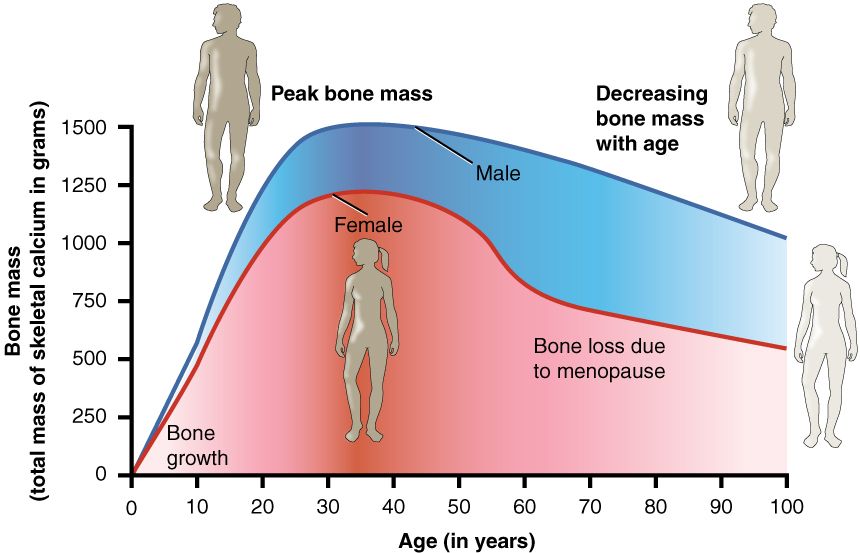
The signal that sets the balance is worth memorizing, because half the drugs in the next section act on it. Osteoblasts release a protein called RANK ligand (RANKL). It binds RANK receptors on young osteoclasts and tells them to grow up and start breaking down bone. Osteoblasts also release a decoy called osteoprotegerin. It soaks up RANKL and shuts breakdown off. Estrogen holds RANKL back. That is exactly why bone loss speeds up after menopause. Estrogen falls, and the demolition crew works with no one watching.
The calcium thermostat
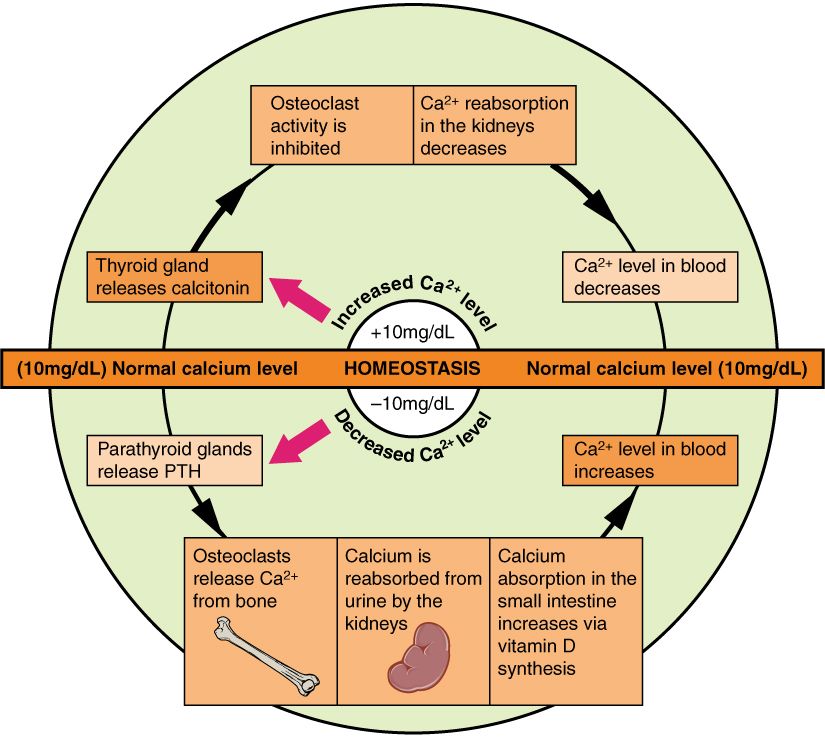
Blood calcium is kept in a narrow band, about 8.5 to 10.5 mg/dL total. So much depends on it: nerve signals, muscle squeezing, clotting, and heart rhythm. Three hormones guard it.
Parathyroid hormone (PTH) is the first responder. When calcium falls, the parathyroid glands release PTH. PTH pulls calcium out of bone. It tells the kidney to keep calcium (while dumping phosphate). It switches on the enzyme that activates vitamin D. Everything PTH does raises calcium. Vitamin D, once active, is the absorber. It makes the gut take in calcium from food. Calcitonin, from the thyroid, is the brake. It "tones down" calcium by blocking osteoclasts. An easy way to hold it: PTH pulls calcium up, calcitonin tones it down.
Vitamin D deserves a moment, because it is not really a vitamin. It is a hormone made in steps. Skin makes cholecalciferol from sunlight. Or the person swallows cholecalciferol (D3) or ergocalciferol (D2). The liver then changes it to 25-hydroxyvitamin D. This is the storage form. It is the one the lab measures when someone orders a "vitamin D level." Last, the kidney does the activating step. It makes calcitriol (1,25-dihydroxyvitamin D). That last step is the key point for care. A person with advanced kidney disease cannot activate regular vitamin D, no matter how much you give. So they are prescribed calcitriol or a similar active form instead.
Giving calcium and vitamin D without causing harm
Calcium pills are labeled by the weight of the whole salt. But only part of that weight is usable elemental calcium. Calcium carbonate is about 40% elemental calcium. It gives the most calcium per tablet and is cheap. But it needs stomach acid to dissolve. So it must be taken with food. It works poorly in people on proton pump inhibitors or H2 blockers, or after stomach surgery. Calcium citrate is only about 21% elemental, so it takes more tablets. But it dissolves without acid. It can be taken with or without food. It is the right choice for a person whose stomach acid is lowered by drugs. Either way, the gut can absorb only about 500 to 600 mg of elemental calcium at one time. So a 1,200 mg daily goal must be split into two or three doses. Constipation is the near-universal side effect. Fluids, fiber, and activity are part of the teaching, not an afterthought.
| Agent | Class / form | Key effect | Safety alert |
|---|---|---|---|
| Calcium carbonate | Oral calcium salt (~40% elemental) | Highest calcium per tablet; also an antacid | Give with food: needs acid. Ineffective with PPIs. Constipation. Separate from levothyroxine, tetracyclines, fluoroquinolones, and iron by 2 to 4 h. |
| Calcium citrate | Oral calcium salt (~21% elemental) | Absorbed without gastric acid | Choice for patients on acid suppression or post-gastrectomy; may be taken any time. More tablets per dose. |
| Calcium gluconate | IV calcium (~9% elemental) | Corrects symptomatic hypocalcemia | Preferred peripherally. Give slowly by pump; cardiac monitor. Extravasation causes necrosis. |
| Calcium chloride | IV calcium (~27% elemental) | Three times the calcium of gluconate; fast | Central line strongly preferred: severe vesicant. Emergency/code use. Never confuse the two salts. |
| Cholecalciferol (D3) / ergocalciferol (D2) | Vitamin D precursor | Needs liver and kidney activation | Fat-soluble: it accumulates. Excess causes hypercalcemia. Check 25-OH vitamin D, not calcitriol. |
| Calcitriol | Activated vitamin D | Already active: bypasses the kidney step | For chronic kidney disease. Monitor calcium, phosphate, PTH. Hypercalcemia comes on faster than with D3. |
| Calcitonin-salmon | Hormone (nasal, SC) | Inhibits osteoclasts; lowers calcium | Adjunct in hypercalcemia and Paget disease; tachyphylaxis in days. Alternate nares; rhinitis is common. |
Two pictures should be automatic. Low calcium (hypocalcemia) makes nerves twitchy. Signs are numbness and tingling around the mouth and fingers and muscle cramps. Tapping the face can make it twitch (a positive Chvostek sign). A blood pressure cuff can make the hand cramp (a positive Trousseau sign). There can also be tetany (muscle spasms), a closing throat, seizures, and a long QT. High calcium (hypercalcemia) makes everything sluggish. Remember "stones, bones, groans, thrones, and psychiatric overtones." That means kidney stones, bone pain, nausea and constipation, passing lots of urine, tiredness and confusion. It also causes a short QT.
- Osteoclasts break down bone, and osteoblasts build it. RANKL drives breakdown, and osteoprotegerin blocks it. This is the target of several drugs.
- PTH raises calcium (bone, kidney, vitamin D activation). Calcitonin lowers it.
- Vitamin D is activated in the liver, then the kidney. Kidney failure means giving calcitriol, not cholecalciferol.
- Only elemental calcium counts. Carbonate needs acid and food, and citrate does not. No more than 500 to 600 mg absorbs per dose.
Section 2Osteoporosis drugs
Bisphosphonates: the first-line drugs, and the fussiest
Bisphosphonates are alendronate, risedronate, ibandronate, and IV zoledronic acid. They are antiresorptive drugs, which means they slow bone breakdown. They bind tightly to the mineral of bone (hydroxyapatite) and sit there. When an osteoclast comes along and dissolves that patch, it swallows the drug. The drug poisons an enzyme the osteoclast needs to live (farnesyl pyrophosphate synthase). The osteoclast dies. Demolition slows, the blasts keep building, and bone density climbs.
The problem is that oral bisphosphonates are absorbed very poorly, well under 1% of the dose. They also burn the food pipe (esophagus). That mix creates the most heavily tested rules for taking any drug. They are not up for debate:
- Take first thing in the morning, on a fully empty stomach, before any other food, drink, or drug.
- Swallow with a full glass (6 to 8 oz) of plain water. Not coffee, juice, mineral water, or milk. Calcium, iron, magnesium, and antacids block absorption completely.
- Stay fully upright, sitting or standing, never lying down, for at least 30 minutes (a full 60 minutes for ibandronate).
- Wait that same time before eating, drinking anything else, or taking other drugs.
- Do not give it to someone who cannot sit or stand upright that long. Do not give it with a narrowed esophagus, achalasia (a food pipe that will not relax), or slow emptying.
- Fix low calcium and low vitamin D first. An antiresorptive given to someone low in calcium drives calcium lower.
Two rare side effects need their own teaching. Osteonecrosis of the jaw (ONJ) is exposed jaw bone that will not heal. It most often follows a tooth being pulled. The risk is highest with high-dose IV treatment, as used for cancer. So arrange a dental exam and any needed tooth removals before treatment starts. Then reinforce careful mouth care. Atypical femoral fracture is a break straight across the thigh bone after years of treatment. It gives a warning first. Teach every patient that new, dull, aching thigh or groin pain must be reported right away. That early pain is the window to catch it before the bone snaps.
IV zoledronic acid is given once a year, which solves the problem of skipped doses. But check kidney function first. Generally avoid it if creatinine clearance is under about 35 mL/min. Hydrate the patient well. Warn them about the acute phase reaction. This is a flu-like day or two of fever, muscle aches, and headache after the first infusion. Acetaminophen dulls it, and it is unlikely to come back.
When a bisphosphonate is not the answer
Denosumab is a monoclonal antibody against RANKL. It acts like a man-made osteoprotegerin. It is given as a shot under the skin every 6 months. The kidney does not clear it, so it can be used when kidney function rules out bisphosphonates. But that ease comes with warnings. It has a boxed warning for severe low calcium in advanced chronic kidney disease, including people on dialysis. In those patients, calcium and vitamin D must be topped up and blood calcium checked before each shot. Then watch calcium closely afterward. It also has a rule that patients do not take seriously enough. It must not be stopped or delayed without another antiresorptive to replace it. Stopping causes a rebound surge of bone breakdown and many spine fractures. ONJ happens with it too.
Raloxifene is a selective estrogen receptor modulator (SERM). It acts like estrogen at bone, so density goes up. It blocks estrogen at the breast, so the risk of invasive breast cancer goes down. It spares the uterus. Its price is estrogen's clot risk. It carries a boxed warning for blood clots in the veins and fatal stroke in women at risk. Teach that it should be stopped 72 hours before a long time of not moving, such as surgery or long travel. Restart it only when fully up and moving. Hot flashes and leg cramps are common.
Everything above slows demolition. Two drug groups actually build bone. Teriparatide and abaloparatide act like PTH. They are given as a daily shot under the skin. Here is the trick. PTH given on and off stirs up osteoblasts. Steady PTH, as in an overactive parathyroid, destroys bone. Watch for high calcium. Warn about dizziness on standing with the first several doses. The patient should inject where they can sit or lie down right away. Avoid these drugs in people already at higher risk of osteosarcoma, a bone cancer. That includes Paget disease, past radiation to the skeleton, or an unexplained high alkaline phosphatase. Romosozumab blocks sclerostin. It builds bone and also slows breakdown. It is given monthly for 12 months only. It has a boxed warning for heart attack, stroke, and heart-related death. It must not be used in anyone who had a heart attack or stroke in the past year.
| Class | Prototype | Key effect | Safety alert |
|---|---|---|---|
| Bisphosphonate | Alendronate (also risedronate, ibandronate, IV zoledronic acid) | Antiresorptive: osteoclast apoptosis | Empty stomach, plain water, upright 30 min (60 for ibandronate). Report thigh/groin pain (atypical fracture). Dental exam first (ONJ). |
| RANKL inhibitor | Denosumab | Antiresorptive monoclonal antibody; SC q6 months | Not cleared by the kidney, so it is an option when bisphosphonates are not. Boxed warning: severe low calcium in advanced CKD; fix calcium and vitamin D first and check calcium before each dose. Never stop suddenly, since spine fractures rebound. ONJ risk. |
| SERM | Raloxifene | Estrogen agonist at bone, antagonist at breast | Boxed warning: VTE and fatal stroke. Stop 72 h before immobilization. Hot flashes, leg cramps. |
| PTH analog (anabolic) | Teriparatide, abaloparatide | Builds bone: daily SC injection | Orthostatic hypotension with early doses: sit or lie down. Monitor calcium. Rotate sites; refrigerate. |
| Sclerostin inhibitor (anabolic) | Romosozumab | Builds bone; monthly SC ×12 months | Boxed warning: MI, stroke, CV death. Contraindicated if MI or stroke within 1 year. |
| Calcitonin-salmon | Calcitonin nasal spray | Weak antiresorptive; some analgesia in vertebral fracture | Last-line. Rhinitis, epistaxis: alternate nares daily. Effect fades (tachyphylaxis). |
- Bisphosphonates are first-line. Empty stomach, plain water, upright 30 min (60 for ibandronate), and nothing else by mouth for that time.
- Teach the two long-term warning signs: thigh or groin pain (atypical femoral fracture) and jaw pain or exposed bone (ONJ, so dental work goes first).
- Denosumab is not cleared by the kidney, but has a boxed warning for severe low calcium in advanced CKD. Fix calcium before each dose, and it cannot be stopped suddenly.
- Teriparatide, abaloparatide, and romosozumab build bone. Everything else mostly slows its loss.
Section 3Gout & antiarthritis drugs
Gout: put out the fire, then lower the fuel
Gout is uric acid forming crystals in a joint. Two totally separate jobs follow, and mixing them up is the classic error. Job one is stopping the sudden flare. That is an inflammation problem. Job two is lowering blood urate for the long run. That does nothing for today's pain. It can even set off a flare when it starts.
For the flare, there are three choices. They are an NSAID (naproxen, indomethacin), a corticosteroid (by mouth, or a shot into one hot joint), or colchicine. Colchicine is the interesting one. It binds tubulin and wrecks the microtubules that neutrophils need to crawl into the joint and set off inflammation. It does not ease pain and does not lower urate at all. It simply keeps the neutrophils away. Modern dosing is low: 1.2 mg at the first hint of a flare, then 0.6 mg one hour later. Its main harm is in the gut. Nausea, vomiting, and diarrhea are the first sign of toxicity, and the rule is to stop the drug, not push through. Colchicine is cleared by CYP3A4 and P-glycoprotein. So it can be deadly to combine it with clarithromycin, verapamil, diltiazem, cyclosporine, or a strong azole in someone with weak kidneys. That mix has caused fatal marrow shutdown and muscle damage. Note too that aspirin is avoided in gout. Low doses raise urate.
For the long run, allopurinol is the anchor. It blocks xanthine oxidase, the enzyme that makes uric acid. So less is made. Start low (100 mg, less in kidney disease). Raise it slowly until blood urate is under 6 mg/dL. Encourage 2 to 3 L of fluid a day. Starting it stirs up urate and can set off a flare. So patients also get low-dose colchicine or an NSAID for the first several months. Two allopurinol facts must be automatic. First, any rash means stop the drug and call right away. Allopurinol is a leading cause of Stevens-Johnson syndrome, toxic epidermal necrolysis, and DRESS, all severe drug reactions. Second, allopurinol blocks the breakdown of azathioprine and mercaptopurine. That causes life-threatening marrow shutdown unless those doses are cut sharply. Febuxostat is another xanthine oxidase blocker for people who cannot take allopurinol. But it has a boxed warning for heart-related death and is second-line. Probenecid takes the other route. It is a uricosuric. It stops the kidney from taking back urate, so more leaves in the urine. It needs fair kidney function and lots of fluids. It is avoided in people who have had kidney stones. Pegloticase is an IV enzyme that breaks down urate directly. It is saved for severe gout with tophi that has not responded to other drugs. It has a boxed warning for anaphylaxis. It must never be given in G6PD deficiency, since it causes hemolysis and methemoglobinemia. So screening comes first.
| Class | Prototype | Key effect | Safety alert |
|---|---|---|---|
| Anti-inflammatory (flare) | Colchicine | Blocks neutrophil migration into the joint | GI upset = toxicity: stop the drug. Fatal interactions with clarithromycin, verapamil, cyclosporine. Reduce in renal impairment. No analgesic effect. |
| NSAID (flare) | Naproxen, indomethacin | Blocks prostaglandin-driven inflammation | GI bleeding, renal injury, fluid retention. Take with food. Do not use aspirin as the NSAID: low doses raise urate. |
| Corticosteroid (flare) | Prednisone; intra-articular triamcinolone | Broad anti-inflammatory | Hyperglycemia, infection risk, insomnia. Useful when NSAIDs and colchicine are contraindicated. |
| Xanthine oxidase inhibitor | Allopurinol | Makes less uric acid; target urate <6 mg/dL | Any rash → stop and report (SJS/TEN/DRESS). Deadly with azathioprine/mercaptopurine. Fluids 2 to 3 L/day. Expect early flares: cover with prophylaxis. |
| Xanthine oxidase inhibitor | Febuxostat | Alternative when allopurinol fails or is not tolerated | Boxed warning: cardiovascular death. Monitor LFTs. Second-line. |
| Uricosuric | Probenecid | Excretes more uric acid | Needs adequate renal function; push fluids; avoid with stone history. Salicylates cancel it. Raises penicillin levels. |
| Recombinant uricase | Pegloticase IV | Enzymatically destroys urate; for refractory tophaceous gout | Boxed warning: anaphylaxis: premedicate, monitor. Screen for G6PD deficiency first: contraindicated. |
DMARDs: changing the disease, not just the symptoms
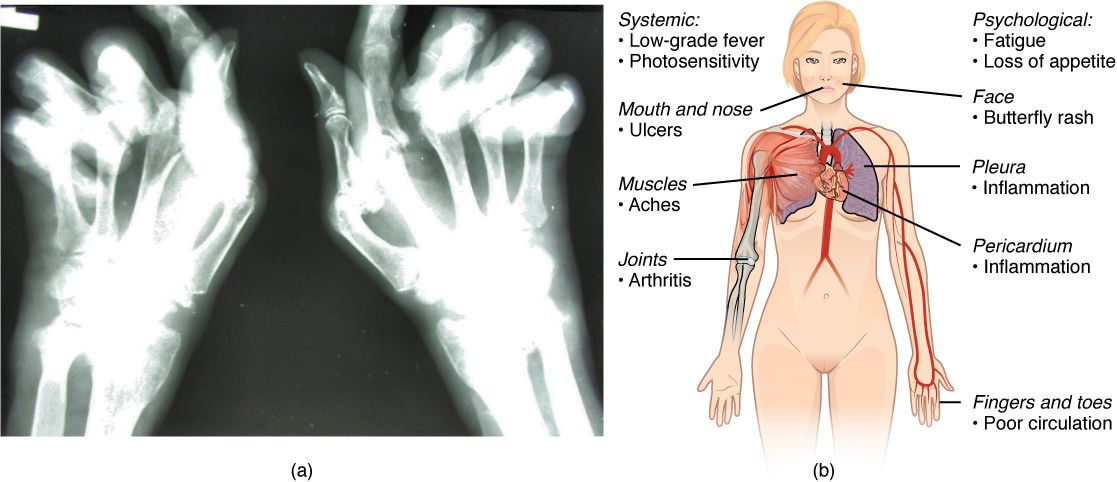
Rheumatoid arthritis (RA) is not gout. It is not wear-and-tear osteoarthritis either. It is an autoimmune attack on the joint lining (synovium) that wears joints away for good. NSAIDs and steroids make a person with RA feel better while the joints quietly dissolve. Disease-modifying antirheumatic drugs (DMARDs) slow the disease itself. The key rule is to start them early, within weeks of diagnosis, before the damage is done. They work slowly, over weeks to months. Teach this, because a person who expects ibuprofen-fast relief will stop taking them.
Methotrexate is the anchor DMARD. It is also the most dangerous prescribing error in this chapter. For RA it is given once a week. Taken daily by mistake, it causes terrible mouth sores and a crash in all blood cells (pancytopenia). This has happened, and people have died. Confirm the weekly schedule out loud with the patient and with anyone taking a verbal order. Check that the pill bottle and the drug record (MAR) both say weekly. Daily folic acid, usually 1 mg, softens the mouth sores, stomach upset, and marrow effects without blocking the benefit. In some plans it is skipped on the methotrexate day. Methotrexate has boxed warnings for bone marrow shutdown, liver harm, lung harm, and harm to an unborn baby. It is not allowed in pregnancy. Both partners must use birth control that works. Check CBC, liver tests, and creatinine. Teach no alcohol. Teach to report a dry cough that will not go away or shortness of breath (lung inflammation), and mouth sores (the earliest sign of toxicity). Avoid trimethoprim/sulfamethoxazole. It also blocks folate and can cause pancytopenia. Leucovorin is the rescue drug.
Of the other standard DMARDs, hydroxychloroquine is the gentlest. It comes with a rule to remember. It can build up in the retina, the back of the eye. So patients need a baseline eye exam, then regular eye screening. For most people, yearly screening starts after 5 years of use. People at higher risk start sooner. Patients must report changes in vision or color. Sulfasalazine is avoided in sulfa allergy and G6PD deficiency. It turns urine orange-yellow, which is harmless, but tell them. Leflunomide harms the liver and causes severe birth defects. It lasts a very long time in the body. If a pregnancy happens or is planned, it needs a cholestyramine washout to clear it.
The biologic DMARDs include the TNF inhibitors (etanercept, adalimumab, infliximab), plus drugs that target IL-6, T cells, and B cells. They work extremely well. They share one safety idea: they take the brakes off infection. Every patient is screened for latent tuberculosis and hepatitis B before the first dose. Boxed warnings cover serious infections and cancer, including lymphoma. Live vaccines are not given during treatment. The drug is held during any active infection and usually around surgery. The oral JAK inhibitors (tofacitinib, baricitinib, upadacitinib) add boxed warnings for major heart events, blood clots, cancer, and death.
- Gout has two separate jobs. Calm the flare (colchicine, NSAID, steroid). Lower urate over time (allopurinol, febuxostat, probenecid). Urate-lowering drugs do nothing for today's pain.
- Colchicine stomach upset = toxicity, so stop. Allopurinol rash = stop and report. Allopurinol plus azathioprine or mercaptopurine can be fatal.
- Methotrexate is weekly, with daily folic acid. Check CBC and liver tests, no alcohol, and not in pregnancy. Mouth sores are the first sign of trouble.
- Before any biologic DMARD, screen for latent TB and hepatitis B. No live vaccines. Hold for active infection.
Section 4Skin drugs
Acne: four problems, four drug jobs
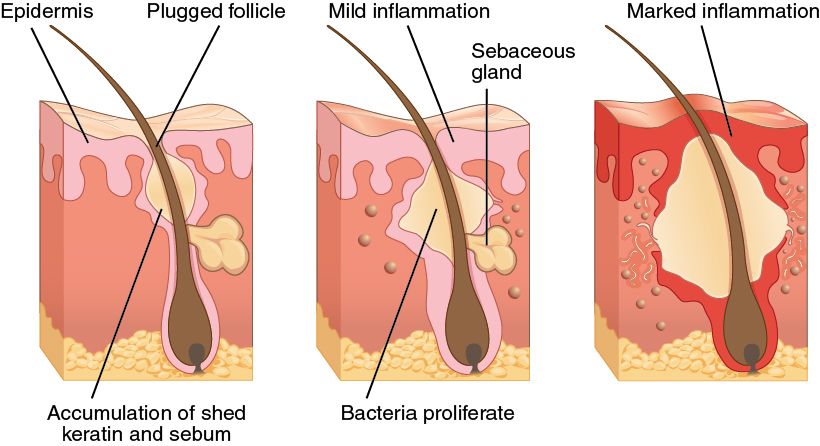
Acne is not dirt. Four things go wrong in a hair follicle. Oil (sebum) making rises, driven by androgens. The follicle lining sheds the wrong way and plugs the pore. Cutibacterium acnes bacteria multiply behind the plug. Then inflammation follows. Every acne drug attacks one of those four. That is exactly why mixing drugs works better than any one alone.
Benzoyl peroxide kills the bacteria by releasing free radicals. Bacteria do not become resistant to it, which is key. Teach that it bleaches fabric. Use white towels and pillowcases, or plan on ruined ones. Topical retinoids (tretinoin, adapalene, tazarotene) fix the plugging by making the follicle shed normally. Apply a pea-sized amount at bedtime to dry skin. Expect it to look worse and peel for several weeks at first. Use a moisturizer that does not clog pores. Use sunscreen, because retinoids cause sun sensitivity. Topical antibiotics (clindamycin, erythromycin) should almost never be used alone. Always pair them with benzoyl peroxide to prevent resistance. For moderate inflamed acne, the oral antibiotics are usually doxycycline or minocycline. They also cause sun sensitivity. They can burn the food pipe, so take them with a full glass of water and stay upright. They are not given in pregnancy or to children under 8 (tooth staining). Hormone choices target the androgen driver. These are combined birth control pills and spironolactone (check potassium).
Isotretinoin is the only drug that hits all four causes. It is also among the most tightly controlled drugs you will ever handle. It causes severe birth defects. Getting it runs through the iPLEDGE safety program. People who can become pregnant must use two forms of birth control. They start one month before, continue all through treatment, and keep going one month after. They need monthly negative pregnancy tests and monthly program approval. There is no blood donation during treatment or for a month after. A donated unit could reach a pregnant person. Expected effects are cheilitis (dry, cracked lips) in nearly everyone, dry eyes and nose, nosebleeds, muscle aches, changes in night vision, high triglycerides, and liver harm. So check lipids and liver tests, and teach no alcohol. Mood changes should be reported. And one hard rule: never combine isotretinoin with a tetracycline. The pair raises pressure inside the skull (pseudotumor cerebri). Signs are headache, vision changes, and nausea.
Psoriasis: turning down an overdriven immune system
Psoriasis is skin cells growing too fast because of the immune system. Skin cells turn over in days instead of weeks. That makes thick, silvery patches (plaques). Mild disease is treated on the skin. Corticosteroids are the workhorse. Vitamin D-like drugs such as calcipotriene help too. Do not go over the weekly limit, since too much in the blood causes high calcium. Salicylic acid turns it off, so do not layer them. Other choices are tazarotene, coal tar, and calcineurin inhibitors (tacrolimus, pimecrolimus ointment). These are used on the face and in skin folds, where steroids thin the skin. Moderate to severe disease moves up to light therapy. That can be narrowband UVB, or PUVA. In PUVA, oral methoxsalen plus UVA light requires UV-blocking glasses for 24 hours after the dose. Next come drugs by mouth or shot. These include methotrexate, cyclosporine, and acitretin. Acitretin is a retinoid that causes birth defects for a very long time. Pregnancy must be avoided for 3 years after it. Alcohol is forbidden, because it turns the drug into a long-lasting form. Others are apremilast and the biologics. These are TNF inhibitors, IL-17 blockers (secukinumab, ixekizumab), and IL-23 blockers (guselkumab, risankizumab). All the biologics carry the same TB screening and infection cautions as in RA.
Topical corticosteroids: potency, vehicle, quantity, and time
Topical steroids are the most used and most misused drugs for the skin. The key facts come down to four things. Potency is ranked in classes from 1 (superpotent, such as clobetasol) to 7 (low, such as hydrocortisone 1%). The base (vehicle) changes the potency of the same drug. Ointments are the strongest, because they seal in and hydrate the skin. They are best for thick, dry, scaly skin. Creams are in the middle and look and feel nicer. Lotions, gels, solutions, and foams are for hairy areas and the scalp. Amount is measured in the fingertip unit. It is the line of cream squeezed from the tip of an adult's index finger to the first crease. That is about 0.5 g, which covers an area equal to two adult palms. Time matters, because effects add up.
| Class | Prototype | Key effect | Safety alert |
|---|---|---|---|
| Superpotent / high (I-II) | Clobetasol propionate 0.05% | Thick plaques on palms, soles, scalp, trunk | Never on the face, groin, or armpit. Limit to about 2 weeks. HPA-axis suppression (the body's own steroid system shuts down) with large areas or a covering. Do not go over the labeled weekly gram limit. |
| Medium (III-V) | Triamcinolone acetonide 0.1% | Everyday eczema/dermatitis on the trunk and limbs | Thin layer, limited duration. Watch for atrophy, striae, telangiectasia in flexures. |
| Low (VI-VII) | Hydrocortisone 1 to 2.5% | Face, eyelids, groin, infants | Safest for thin skin. Even here, prolonged facial use causes perioral dermatitis and rebound. |
| Steroid-sparing topical | Tacrolimus / pimecrolimus ointment | Calcineurin inhibitor: no skin atrophy | For face and folds. Transient burning/stinging is expected. Boxed warning: possible malignancy risk. Strict sun protection. |
| Topical vitamin D analog | Calcipotriene | Normalizes keratinocyte turnover in psoriasis | Respect the weekly maximum: hypercalcemia. Inactivated by salicylic acid. Irritating on the face. |
| Systemic retinoid | Isotretinoin (acne); acitretin (psoriasis) | Definitive but teratogenic | iPLEDGE, two forms of birth control, monthly pregnancy tests, no blood donation. Never with a tetracycline (pseudotumor cerebri). Acitretin: no pregnancy for 3 years, no alcohol. |
The side effects follow straight from what steroids do. On the skin, they cause skin thinning (atrophy), stretch marks, small visible blood vessels, light patches, and acne-like bumps. They also cause tachyphylaxis. The drug stops working, so people use more, which is the trap. Absorption into the body is greatest where skin is thin (face, eyelids, genitals). It is also greatest where skin is inflamed and broken, where the area is large, and wherever the spot is covered (occluded). Children absorb much more, because they have more skin surface for their weight. The rules are short. Use the lowest potency that works, in a thin layer, for the shortest time. Do not cover it unless ordered. Do not put a strong steroid on the face or in a skin fold.
- Acne drugs target four things: oil, plugging (retinoids), bacteria (benzoyl peroxide, with no resistance, and it bleaches fabric), and inflammation. Never use a topical antibiotic without benzoyl peroxide.
- Isotretinoin = iPLEDGE, two forms of birth control, monthly pregnancy tests, no blood donation, check lipids and liver tests, and never with a tetracycline.
- Topical steroid strength depends on potency class, base, amount (fingertip unit), and covering. For the same drug, ointment > cream > lotion.
- Keep strong steroids off the face, groin, and armpits. Watch for thinning, tachyphylaxis, and HPA suppression, above all in children.
Section 5Burns & wound agents
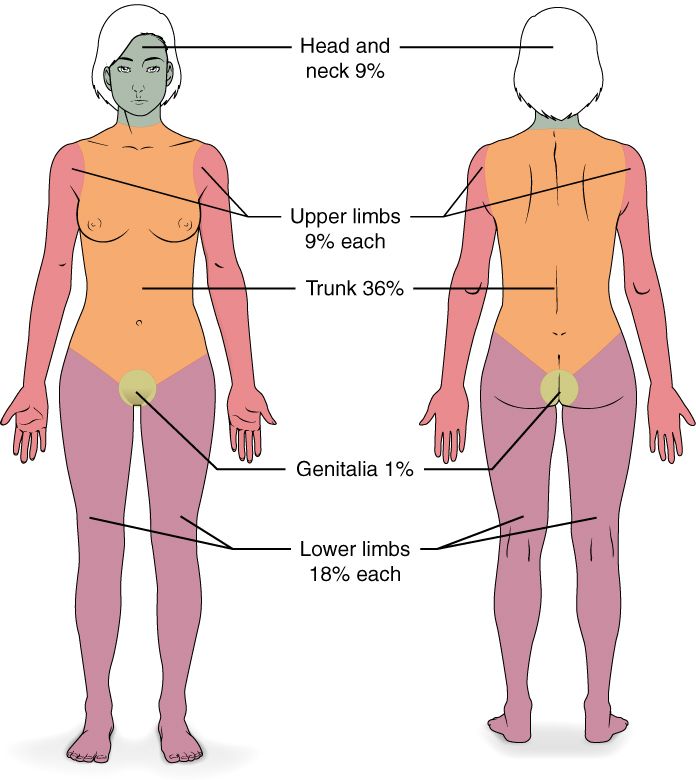
Why burns get topical drugs instead of IV antibiotics
A deep burn makes eschar. Eschar is dead, leathery tissue, and most important, it has no blood supply. No blood means no delivery. An IV antibiotic cannot reach the bacteria living on that surface. The drug travels in the blood, and the blood does not go there. So the antimicrobial is put on the wound. Antibiotics by mouth or IV in burn care are saved for a proven deep infection or sepsis. They are not used to prevent infection. Used that way, they just breed resistant germs while the wound surface stays untouched.
Three classic topical drugs split the work. Each has one harm that defines it.
Silver sulfadiazine is the classic workhorse. It covers many germs, soothes, and does not hurt to apply. Spread it about 1/16 inch thick with a sterile gloved hand. Its main problem is a short-term drop in white cells (leukopenia). This usually shows up two to three days in. So check the white count. A dip usually corrects itself. It is a sulfonamide, so it is not allowed with a sulfa allergy. It is also not allowed in babies under 2 months or late in pregnancy. It pushes bilirubin loose, which risks kernicterus. It does not soak through eschar well. It also forms a gray false scab (pseudo-eschar) that must be cleaned off before the next coat.
Mafenide acetate is the one that soaks through eschar and cartilage. That makes it the drug for burned ears and noses, where cartilage is at risk. Two things follow. First, it hurts. It causes real burning pain when applied, so give pain medicine first. Second, it is a carbonic anhydrase inhibitor. So it causes metabolic acidosis, too much acid in the blood. The patient makes up for it by breathing fast. A burn patient who starts breathing fast on mafenide is telling you their pH is falling. Check acid-base status and watch the breathing rate.
Silver nitrate 0.5% solution is put on wet dressings that must be kept moist at all times. If it dries, it becomes concentrated and caustic. It stains everything black or gray: skin, sheets, and walls. That looks alarming but is harmless. Its real danger is that it pulls electrolytes out through the wound. This causes low sodium and low chloride (hyponatremia and hypochloremia). There is also a risk of methemoglobinemia. Check electrolytes.
| Agent | Class | Key effect | Safety alert |
|---|---|---|---|
| Silver sulfadiazine | Topical sulfonamide + silver | Broad-spectrum; painless; poor eschar penetration | Transient leukopenia: check CBC. Contraindicated in sulfa allergy, infants <2 months, near-term pregnancy. Remove pseudo-eschar before reapplying. |
| Mafenide acetate | Topical sulfonamide | Penetrates eschar and cartilage: ears, nose | Painful: premedicate. Carbonic anhydrase inhibition → metabolic acidosis; watch for tachypnea, monitor ABGs. |
| Silver nitrate 0.5% | Topical antiseptic solution | Broad surface antisepsis on wet dressings | Keep dressings continuously moist. Hyponatremia/hypochloremia: monitor electrolytes. Stains black. Methemoglobinemia risk. |
| Nanocrystalline silver dressing | Sustained-release silver | Broad-spectrum; stays on for several days | Moisten with sterile water, not saline: chloride inactivates silver. Fewer dressing changes means less pain. |
| Mupirocin | Topical antibacterial | Excellent anti-staphylococcal, including MRSA | Impetigo, small superficial wounds, nasal MRSA decolonization. Limit duration: resistance develops. |
| Bacitracin / polymyxin B | Topical antibacterial ointment | Superficial and facial burns; keeps the wound moist | Contact dermatitis is common with bacitracin. Not for deep or large burns. |
| Collagenase | Enzymatic debriding agent | Digests denatured collagen anchoring slough | Inactivated by silver, iodine, and other heavy metals: do not layer. Apply nickel-thick, once daily, to moist wound bed. |
| Becaplermin | Topical PDGF growth factor | Promotes granulation in diabetic foot ulcers | Boxed warning: increased malignancy mortality with ≥3 tubes. Adjunct only: offloading and debridement still do the work. |
Getting the dead tissue off
Nothing heals under dead tissue (slough). Debridement means removing tissue that is no longer alive. It comes in several types. Autolytic debridement uses the body's own enzymes, trapped under a dressing that holds in moisture (hydrogel, hydrocolloid). It is painless and only removes dead tissue. But it is slow, and it is not for infected wounds. Enzymatic debridement uses collagenase, applied daily. Remember that silver and iodine products destroy it. So those two cannot share a wound bed with it. Mechanical debridement is the old wet-to-dry gauze. It removes healthy tissue too, and it hurts. It rips out new healing tissue along with the slough. That is why it has mostly been abandoned. Sharp or surgical debridement is the fastest. It is the standard for large burns. Biologic debridement uses medical maggots (larvae). It is a real option, used now and then for long-lasting wounds.
What actually heals a wound
The most important idea in modern wound care is this: a moist wound heals faster than a dry one. The old teaching let wounds "air out" and scab over. We now know skin cells move across a moist bed but stall at a dry crust. The dressing's job is to hold moisture at the wound while wicking away extra fluid. Hence the handy rule: if it's dry, moisten it; if it's wet, absorb it. Treat antiseptics with the same doubt you would apply to any drug. Full-strength povidone-iodine and hydrogen peroxide kill the cells that rebuild tissue (fibroblasts). They have no place being poured into a healing wound as a routine.
The care around these drugs matters as much as the drugs. Give pain medicine 30 minutes before a dressing change. Burn dressing changes are among the most painful procedures in the hospital. Early on, the body has huge fluid shifts. Then pain medicine must be given IV. Shots into muscle or under the skin are absorbed unpredictably. The doses pile up unabsorbed until blood flow returns. Keep strict clean technique. After the first 48 hours, infection is the burn patient's greatest threat. Check tetanus status for every wound. Support nutrition hard. Protein and calories are the raw material for new tissue, and healing fails without them.
- Eschar has no blood supply, so IV antibiotics cannot reach it. Burn antimicrobials are topical. Antibiotics by mouth or IV are for proven infection, not prevention.
- Silver sulfadiazine → leukopenia, no sulfa allergy, no babies <2 months. Mafenide → soaks through eschar and cartilage, painful, metabolic acidosis. Silver nitrate → keep moist, stains, low sodium.
- Collagenase is turned off by silver and iodine. Wet-to-dry debridement removes healthy tissue too and damages new healing tissue.
- Moist wounds heal faster. Give pain medicine 30 minutes before dressing changes, and give burn pain medicine IV early on.
The chapter in one breath
- Bone is a living bank. Osteoclasts withdraw, osteoblasts deposit, and RANKL sets the rate. PTH raises blood calcium, while calcitonin lowers it.
- Vitamin D needs the liver, then the kidney, to become active. Kidney failure means giving calcitriol. Only elemental calcium counts, and no more than 500 to 600 mg absorbs per dose.
- Bisphosphonates are first-line for osteoporosis and depend on how they are taken: empty stomach, plain water, upright 30 minutes. Teach about thigh pain (atypical fracture) and dental care before treatment (ONJ).
- Denosumab must never be stopped suddenly. Raloxifene risks clots. Teriparatide, abaloparatide, and romosozumab are the drugs that actually build bone.
- Gout is two jobs. Calm the flare (colchicine, where stomach upset means stop). Lower urate (allopurinol, where a rash means stop, and never casually with azathioprine).
- Methotrexate is weekly, not daily, with folic acid, CBC and liver checks, no alcohol, and no pregnancy. Every biologic DMARD gets TB and hepatitis B screening first.
- Topical steroid strength is potency × base × amount × covering. Keep the strong ones off the face and folds, and remember a diaper is a sealed dressing.
- Burn eschar has no blood supply, so antimicrobials go on the wound. Silver sulfadiazine drops the white count, mafenide drops the pH, and silver nitrate drops the sodium. Moist wounds heal fastest.
ReferenceWords worth knowing
A quick list of the terms in this chapter. Skim it now, or come back when a word trips you up.
- Antiresorptive
- A drug that slows bone breakdown by holding back osteoclasts; bisphosphonates, denosumab, raloxifene, and calcitonin. Compare with anabolic drugs, which build new bone.
- Atypical femoral fracture
- A break straight across the thigh bone linked to long-term antiresorptive treatment, usually preceded for weeks by dull thigh or groin pain; a symptom patients must be taught to report.
- Bisphosphonate
- A drug that binds bone mineral and makes osteoclasts die when they break down that bone; first-line for osteoporosis, and it must be taken upright, on an empty stomach, with plain water.
- Calcitriol
- 1,25-dihydroxyvitamin D: the fully active hormone form of vitamin D, made by the kidney. Given directly when the kidney can no longer do that step.
- Debridement
- Removal of dead tissue from a wound; it may be autolytic, enzymatic, mechanical, sharp or surgical, or biologic.
- Disease-modifying antirheumatic drug (DMARD)
- A drug that slows the autoimmune joint damage of rheumatoid arthritis instead of only easing symptoms; works over weeks to months and is started early.
- Elemental calcium
- The amount of usable calcium in a supplement, as opposed to the weight of the whole salt: about 40% for calcium carbonate and 21% for calcium citrate.
- Eschar
- Dead, leathery tissue with no blood supply over a deep burn; since no blood reaches it, drugs by mouth or IV cannot treat the bacteria on its surface.
- Fingertip unit
- The line of cream from an adult fingertip to the first crease (about 0.5 g), which covers an area equal to two adult palms; the standard way to teach amount.
- Hypercalcemia
- Blood calcium above normal, causing "stones, bones, groans, thrones, and psychiatric overtones," constipation, tiredness, and a short QT interval.
- Osteoblast
- The bone-building cell that lays down new bone and fills it with mineral; it also releases RANKL and osteoprotegerin to control osteoclasts.
- Osteoclast
- The bone-breaking cell that dissolves mineral and releases calcium into the blood; the target of every antiresorptive drug.
- Osteonecrosis of the jaw (ONJ)
- Exposed jaw bone that will not heal, linked to bisphosphonates and denosumab and most often set off by a tooth being pulled; hence dental clearance before treatment.
- Parathyroid hormone (PTH)
- The hormone that raises blood calcium by breaking down bone, making the kidney keep calcium, and activating vitamin D; drugs like it, given on and off, build bone.
- Photosensitivity
- An extra-strong sunburn reaction caused by a drug; expected with retinoids, tetracyclines, and several other drugs in this chapter, and handled with sunscreen and covering clothes.
- RANK ligand (RANKL)
- The signal from osteoblasts that makes osteoclasts mature and break down bone; blocked naturally by osteoprotegerin and by the drug denosumab.
- Retinoid
- A form of vitamin A that makes skin cells turn over normally; used on the skin (tretinoin, adapalene) or by mouth (isotretinoin, acitretin). All cause sun sensitivity, and the ones by mouth cause severe birth defects.
- Selective estrogen receptor modulator (SERM)
- A drug that acts like estrogen in some tissues and blocks it in others; raloxifene builds bone and blocks breast tissue but carries estrogen's clot risk.
- Teratogen
- A substance that causes birth defects. Isotretinoin, acitretin, methotrexate, and leflunomide are among the most dangerous ones you will handle.
- Tophus
- A visible lump of urate crystals in soft tissue, seen in long-term untreated gout; it means high urate for a long time that needs urate-lowering treatment.
- Uricosuric
- A drug that lowers blood urate by making the kidney put out more of it, not by making less; probenecid is the prototype, and it needs fair kidney function and lots of fluids.
- Xanthine oxidase inhibitor
- A drug that blocks the enzyme that makes uric acid, lowering urate at the source; allopurinol is the prototype and febuxostat the backup.