PAIN, COMFORT AND PALLIATIVE CARE
Pain is the reason most of your patients came to the hospital and the symptom they will remember longest. It is also the one clinical problem where the nurse holds nearly all the levers: you assess it, you medicate it, you reposition, you reassure, you decide whether the physician needs to know now or at rounds. Done well, analgesia lets a post-operative patient cough, walk and go home without a pneumonia or a clot. Done poorly, it produces splinting, atelectasis, delirium, immobility, tachycardia, poor wound healing and a patient who no longer trusts you. This chapter builds pain from the nerve ending up — how a signal becomes a sensation, how to measure it in a patient who cannot speak, how to combine drugs so that each does less harm, how to recognise the sedation that precedes respiratory arrest, and how to shift the goal from cure to comfort when cure is no longer possible.
By the end of this chapter you can
- Describe the four steps of nociception — transduction, transmission, perception and modulation — and explain how each is a drug target.
- Differentiate nociceptive, neuropathic and nociplastic pain and predict the analgesic class that works for each.
- Select and correctly apply a valid pain scale, including FLACC, CPOT and PAINAD, for the patient who cannot self-report.
- Build a multimodal analgesia plan using acetaminophen, NSAIDs, opioids, adjuvants and regional techniques, citing safe ceilings and monitoring.
- Detect opioid-induced advancing sedation using the POSS scale and intervene, including correct dilute naloxone titration.
- Distinguish tolerance, physical dependence, opioid use disorder and undertreated pain, and manage sickle cell and cancer pain without stigma.
- Prioritise pain complaints that signal emergencies — compartment syndrome, epidural hematoma, ischaemia — and escalate using SBAR.
- Differentiate palliative care from hospice, interpret advance directives and POLST, and manage dyspnoea, secretions, nausea and terminal delirium.
- Delegate comfort interventions appropriately to LPN and UAP while retaining RN assessment accountability.
Section 1How Pain Is Made, and What Untreated Pain Costs
Four steps, four places to intervene
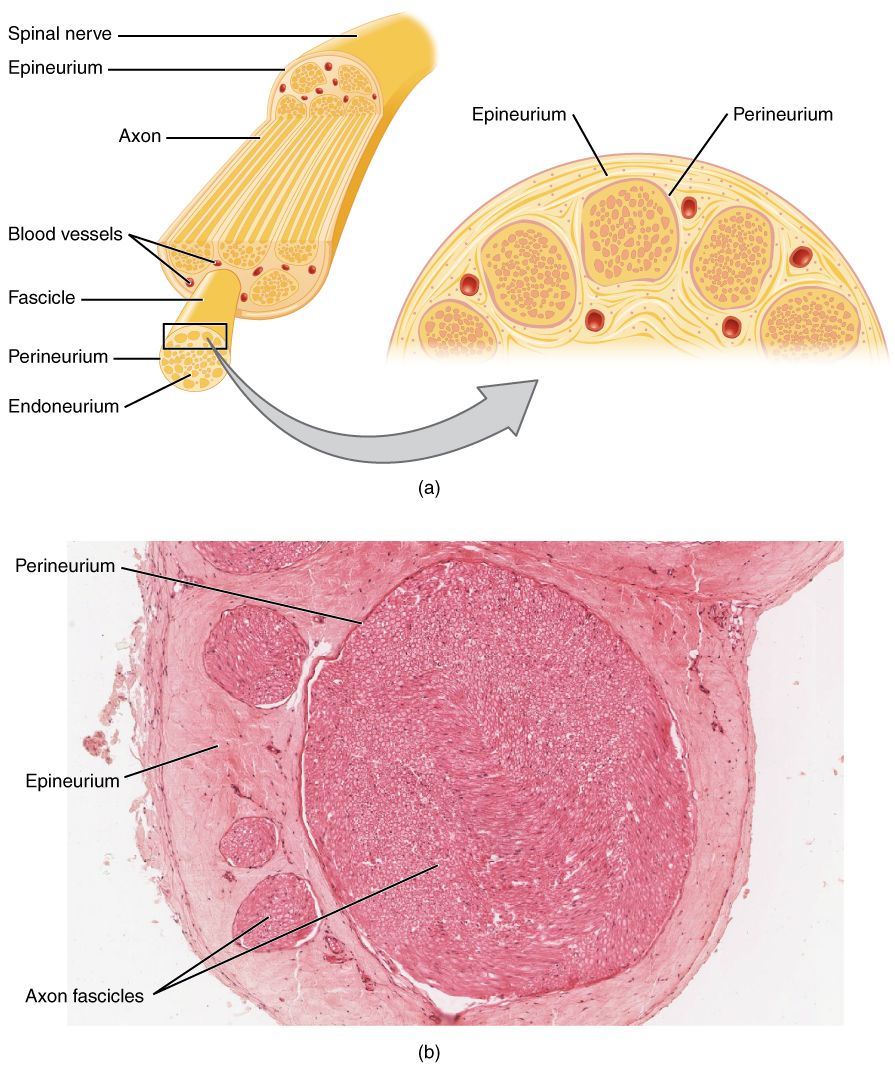
Pain is not a single event; it is a relay with four handoffs, and almost every drug you will give interrupts one of them. Transduction happens at the peripheral nerve ending, where tissue damage releases prostaglandins, bradykinin, histamine, substance P and hydrogen ions. These chemicals open sodium channels on the nociceptor and convert a mechanical, thermal or chemical insult into an electrical impulse. NSAIDs act here by blocking cyclooxygenase and therefore prostaglandin synthesis; local anaesthetics act here by blocking the sodium channel outright.
Transmission carries that impulse along A-delta fibres (myelinated, fast, sharp, well localised — the pain that makes you pull your hand back) and C fibres (unmyelinated, slow, dull, aching, poorly localised — the pain that keeps a patient awake at 0300) to the dorsal horn of the spinal cord. There the signal crosses to the opposite side and ascends the spinothalamic tract. Opioids act partly here, on presynaptic mu receptors in the dorsal horn, reducing the release of substance P. This is exactly why epidural and intrathecal opioids work at tiny doses: they are delivered to the receptor rather than to the whole body.
Perception occurs when the thalamus distributes the signal to the somatosensory cortex, which locates and quantifies it, and simultaneously to the limbic system, which supplies the fear, the anticipation and the memory. This is not a soft point — it is why the same incision hurts more in an anxious, exhausted, isolated patient, and why a warm blanket, an explanation and a family member at the bedside are genuine analgesic interventions rather than niceties. Modulation is the descending brake: the periaqueductal grey and brainstem send serotonin, norepinephrine and endogenous opioids (endorphins, enkephalins, dynorphins) back down to dampen the dorsal horn. Serotonin–norepinephrine reuptake inhibitors such as duloxetine and tricyclics such as nortriptyline work by strengthening this brake, which is why they relieve neuropathic pain independently of any effect on mood — tricyclics at nightly doses well below their antidepressant range, duloxetine at its usual antidepressant dose. Teach that the analgesic benefit builds over one to two weeks, so the drug must not be judged a failure after two doses.
A student who memorises the four steps never has to memorise a drug list. Ask “where does this molecule act?” NSAID at transduction, local anaesthetic at transmission, opioid at the dorsal horn and brain, duloxetine and nortriptyline at modulation, distraction and imagery at perception. Multimodal analgesia is simply the decision to hit four targets with small doses rather than one target with a large one.
Nociceptive, neuropathic and nociplastic pain
Nociceptive pain comes from actual tissue damage with an intact nervous system. Somatic nociceptive pain arises from skin, muscle, bone and joint; patients localise it precisely and describe it as aching, throbbing or sharp — a surgical incision, a fractured hip, a pressure injury. Visceral nociceptive pain arises from organ capsules and hollow viscera; it is poorly localised, described as cramping, squeezing or deep pressure, frequently referred to a distant dermatome, and characteristically accompanied by autonomic signs such as nausea, diaphoresis and pallor. Cholecystitis referring to the right scapula and myocardial ischaemia referring to the left jaw are the classic examples. Nociceptive pain responds well to acetaminophen, NSAIDs and opioids.
Neuropathic pain arises from damage to the nervous system itself — diabetic peripheral neuropathy, postherpetic neuralgia, chemotherapy-induced neuropathy, phantom limb pain, sciatica, spinal cord injury. Patients use a distinctive vocabulary: burning, shooting, electric, stabbing, pins-and-needles, numb-but-painful. Two findings are almost diagnostic: allodynia, pain from a stimulus that should not hurt (a bedsheet on the feet), and hyperalgesia, exaggerated pain from a stimulus that should hurt only a little. Neuropathic pain responds poorly to opioids and well to gabapentinoids, SNRIs, tricyclics and topical lidocaine. When a patient with burning foot pain reports that four escalating doses of oxycodone did nothing, that is not drug-seeking behaviour — that is the wrong drug class.
Nociplastic pain is the newest category: real pain generated by altered central processing without identifiable tissue damage or nerve lesion. Fibromyalgia, irritable bowel syndrome and many chronic low back pain syndromes sit here. These patients are frequently disbelieved, and they arrive on your unit having been disbelieved for years. Management leans on exercise, sleep restoration, cognitive behavioural approaches, duloxetine, milnacipran and pregabalin; opioids are generally unhelpful and may worsen the condition through opioid-induced hyperalgesia, a paradoxical state in which escalating opioid doses increase pain sensitivity.
| Type | Source | How the patient describes it | What actually works |
|---|---|---|---|
| Somatic nociceptive | Skin, muscle, bone, joint | Aching, throbbing, sharp; points to it with one finger | Acetaminophen, NSAIDs, opioids, ice, splinting |
| Visceral nociceptive | Organ capsule, hollow viscus | Cramping, squeezing, deep; vague location, referred; nausea and diaphoresis | Opioids, antispasmodics, treat the obstruction or ischaemia |
| Neuropathic | Damaged nerve or CNS | Burning, shooting, electric; allodynia and hyperalgesia | Gabapentin, pregabalin, duloxetine, nortriptyline, lidocaine 5% patch |
| Nociplastic | Altered central processing | Widespread, fluctuating, with fatigue and poor sleep | Graded exercise, CBT, duloxetine, pregabalin; opioids generally avoided |
Acute, persistent, and the price of leaving pain alone
Acute pain has an identifiable cause, a predictable trajectory and a sympathetic response: tachycardia, hypertension, tachypnoea, diaphoresis, dilated pupils, restlessness. It is protective and it should resolve as tissue heals, generally within days to three months. Persistent (chronic) pain lasts beyond three months or beyond expected healing. Crucially, the sympathetic signs are absent — the autonomic system adapts. A patient with chronic pancreatitis reporting 9 out of 10 pain while lying still with a heart rate of 72 and normal blood pressure is not lying. Normal vital signs never rule out pain, and this single point costs students more examination items than almost any other.
Untreated pain is not merely uncomfortable, and you should be able to recite the physiologic bill. Splinting and shallow breathing after abdominal or thoracic surgery produce atelectasis, retained secretions and pneumonia. Immobility produces venous stasis and deep vein thrombosis, deconditioning, pressure injury and constipation. Catecholamine surge increases myocardial oxygen demand and can precipitate ischaemia in a patient with coronary disease. Cortisol and catecholamines cause hyperglycaemia, immune suppression and impaired wound healing. Sleep deprivation and pain are the two most modifiable contributors to delirium in hospitalised older adults. And unrelieved acute pain is itself the strongest predictor of the transition to persistent post-surgical pain, through the phenomenon of central sensitisation — the dorsal horn learns to amplify. Treating pain early and adequately is therefore not comfort care layered on top of medical care; it is medical care.
Pain is a four-step relay — transduction, transmission, perception, modulation — and matching the drug class to the mechanism, rather than escalating opioids blindly, is what separates competent analgesia from dangerous analgesia.
Section 2Assessment: Believing It, Measuring It, Documenting It

Self-report is the standard, and the standard is not negotiable
The patient’s report of pain is the single most reliable indicator of its existence and intensity. Not the vital signs, not the grimace, not your impression of how much a laparoscopic cholecystectomy “should” hurt. Research on nurse–patient pain agreement is consistent and unflattering: nurses systematically underestimate pain, and underestimate it most in older adults, in patients of a different race or language than their own, and in patients with a history of substance use. Your first professional obligation in this chapter is to accept the number you are given and then decide what to do about it.
Structure the history rather than asking “how bad is it?” and moving on. OLDCARTS works well on a med-surg floor: Onset, Location, Duration, Characteristics, Aggravating factors, Relieving factors, Treatment tried, Severity. PQRSTU is the equivalent: Provocation and Palliation, Quality, Region and Radiation, Severity, Timing, and Understanding — what does the patient believe is causing it, and what is an acceptable level? That last element is the one students skip and the one that changes care. Ask for a functional goal, not just a number: “What number lets you take a deep breath, cough and walk to the bathroom?” A patient whose goal is 3 out of 10 to ambulate gives you a target you can titrate to and document against. Chasing a numeric zero with opioids alone is how patients are oversedated.
Intensity is conventionally banded as mild 1–3, moderate 4–6 and severe 7–10 on a 0–10 numeric rating scale, and those bands drive order-set selection. Note that pain was formally retired as “the fifth vital sign” because tying opioid dosing to a number alone contributed to overprescribing. The number remains essential; it simply is not a stand-alone order for an opioid. Assess intensity, function, sedation and respiratory status together.
Choosing the right tool
The correct scale is the one the patient can actually use, and once chosen, it must be used consistently — switching tools between shifts destroys trend data. The Numeric Rating Scale (NRS) 0–10 is the default for alert adults. The Verbal Descriptor Scale (none, mild, moderate, severe, worst possible) suits older adults and those with mild cognitive impairment, who often manage words better than numbers. The Faces Pain Scale – Revised and the Wong-Baker FACES scale serve children over three, patients with limited literacy and non-English speakers; teach that the faces represent how much it hurts, not how happy or sad the patient feels.
For patients who cannot self-report, behavioural tools are valid and required. FLACC (Face, Legs, Activity, Cry, Consolability) scores five behaviours 0–2 for a total of 0–10, and is used in children two months to seven years and in non-verbal patients of any age. The Critical-Care Pain Observation Tool (CPOT) scores facial expression, body movement, muscle tension and either ventilator compliance or vocalisation, total 0–8; a score above 2 indicates significant pain. The Behavioral Pain Scale (BPS) ranges 3–12 with a threshold above 5. PAINAD (Pain Assessment in Advanced Dementia) scores breathing, negative vocalisation, facial expression, body language and consolability, total 0–10, mapping onto the familiar bands. Remember the hierarchy of pain assessment: attempt self-report first; then look for pathology known to be painful; then observe behaviours; then ask the family or caregiver who knows this person’s baseline; then, if the situation is one that would hurt anyone, offer an analgesic trial and evaluate the behavioural response.
| Tool | Population | Range | Action threshold |
|---|---|---|---|
| Numeric Rating Scale | Alert adults and adolescents | 0–10 | Mild 1–3, moderate 4–6, severe 7–10 |
| Faces Pain Scale – Revised / Wong-Baker | Children over 3, limited literacy, language barrier | 0–10 (six faces) | Same bands as NRS |
| FLACC | 2 months to 7 years; any non-verbal patient | 0–10 | 4 or more indicates moderate pain |
| CPOT | Critically ill, intubated or sedated adults | 0–8 | Greater than 2 indicates significant pain |
| BPS | Intubated, sedated adults | 3–12 | Greater than 5 indicates significant pain |
| PAINAD | Advanced dementia | 0–10 | 2 or more warrants an analgesic trial |
Older adults, cognitive impairment and cultural variation
Older adults are the most undertreated group in the hospital, for reasons that stack. They under-report because they believe pain is an expected part of ageing, because they fear addiction or the loss of independence, and because they do not want to bother a busy nurse. They may use words other than pain — “discomfort,” “aching,” “it’s sore,” “my arthritis is acting up” — so ask about all of them. Sensory losses interfere with scales: enlarge the print, ensure hearing aids and glasses are in place, reduce background noise, and allow longer response time.
In dementia, pain frequently presents as a behaviour change rather than a complaint: new agitation, resistance to care, striking out during a bath, pacing, calling out, withdrawal, refusal to eat, or an acute delirium. Untreated pain is one of the most common reversible causes of delirium in hospitalised older adults, and the reflex to reach for an antipsychotic before ruling out pain, urinary retention, constipation and infection is a documented harm. When a resident with advanced dementia becomes newly combative during transfers, a scheduled low-dose acetaminophen trial is a legitimate and evidence-supported diagnostic step. Culture also shapes expression — some patients are raised to bear pain stoically, others to express it vocally — and neither pattern tells you anything about intensity. Use professional interpreters, never family members, for pain assessment in a patient with limited English proficiency.
Reassessment, red flags and escalation
Reassessment timing is a testable, chartable standard: after intravenous opioid, reassess in 15 to 30 minutes; after oral analgesic, in 60 minutes; after a non-pharmacologic intervention, in 30 to 60 minutes. Document the intensity, the sedation level, the respiratory rate and the effect on function. “Medicated for pain” without a reassessment entry is both a care failure and a legal one.
Some pain is a message rather than a symptom, and these are the calls that must not wait for morning rounds. Pain that is out of proportion to the injury, escalating despite opioids, and worsened by passive stretch of the muscle group — particularly in a casted or splinted extremity, after a tibial fracture, or after a crush injury — is acute compartment syndrome until proven otherwise. Do not elevate the limb above heart level (that reduces perfusion pressure), do not apply ice, loosen or bivalve the cast per protocol, and call the surgeon immediately; pulselessness and paralysis are late signs and their absence is reassuring about nothing. New back pain with lower-extremity weakness, numbness or bowel or bladder dysfunction in a patient with an epidural catheter suggests spinal or epidural haematoma — a surgical emergency requiring immediate notification of anaesthesia and urgent MRI. Sudden severe chest pain, a rigid abdomen, a cold pulseless leg, a sudden severe headache described as the worst of the patient’s life, or calf pain with unilateral swelling all demand assessment before analgesia. And never medicate escalating post-operative pain with a rising heart rate and falling blood pressure without evaluating for haemorrhage.
SBAR for a pain emergency: S — “Mr Alvarez in 412, post-op day one right tibial ORIF, has pain of 10 out of 10 unrelieved by two doses of hydromorphone.” B — “He is 34, previously healthy, cast applied in the OR at 1400.” A — “Pain increases sharply with passive toe extension, the foot is tense and the toes are pale with delayed capillary refill; I am concerned about compartment syndrome.” R — “I need you to see him now; I have loosened the cast, kept the leg at heart level and he is NPO.” Naming your concern out loud is the part students omit and the part that moves people.
Self-report is the standard, normal vital signs never rule out pain, and the correct scale is the one matched to the patient’s cognition — but pain that is out of proportion, escalating or neurologically accompanied is a diagnosis to be made, not a dose to be given.
Section 3Pharmacologic Management: Multimodal Analgesia
The non-opioid foundation: acetaminophen and NSAIDs
Every analgesic plan starts with scheduled non-opioids, because they reduce opioid requirement by 30 to 50 percent and therefore reduce every opioid side effect proportionally. Acetaminophen acts centrally, has no anti-inflammatory or antiplatelet effect, and does not injure the gastric mucosa or the kidney. Its ceiling is hepatic: the maximum for a healthy adult is 4 g in 24 hours, and you should reduce this to 2 to 3 g in older adults, in chronic alcohol use, in malnutrition and in known liver disease. The hazard on a med-surg floor is duplication — the patient receives 650 mg scheduled, then a combination product such as oxycodone/acetaminophen or hydrocodone/acetaminophen, then a cold preparation from home. Add every source before you give the next dose. Baseline transaminases matter: ALT 7–56 U/L and AST 10–40 U/L are typical reference ranges, and a rising ALT with an INR climbing above 1.2 in a patient on multi-day acetaminophen is a hold-and-call situation. The antidote for overdose is N-acetylcysteine, most effective within 8 to 10 hours of ingestion.
The non-selective NSAIDs (ibuprofen, naproxen, ketorolac) inhibit both cyclooxygenase isoenzymes and are outstanding for inflammatory, bone and post-operative pain — often superior to opioids after dental and orthopaedic procedures. Their toxicities are predictable from the mechanism. COX-1 inhibition removes gastric prostaglandin protection, producing dyspepsia, ulceration and gastrointestinal bleeding; give with food, add a proton pump inhibitor in high-risk patients, and monitor haemoglobin (12–16 g/dL in women, 13–17 g/dL in men) and stool for melaena. COX-1 inhibition also blocks platelet aggregation — reversibly for the non-selective NSAIDs, irreversibly for aspirin — so these agents add to surgical and gastrointestinal bleeding risk. Prostaglandin inhibition reduces renal afferent arteriolar dilation, so NSAIDs cause acute kidney injury in the volume-depleted, the elderly, and anyone on an ACE inhibitor and diuretic — the “triple whammy.” Check creatinine (0.6–1.2 mg/dL) and avoid NSAIDs when creatinine clearance is below 30 mL/min. They raise cardiovascular risk and are avoided in active peptic ulcer disease and heart failure. In pregnancy, avoid NSAIDs from 20 weeks’ gestation onward because of fetal renal dysfunction and oligohydramnios, and treat them as absolutely contraindicated from about 30 weeks because of premature closure of the ductus arteriosus. Celecoxib is different: it is COX-2 selective, so it largely spares COX-1 — it does not meaningfully inhibit platelet aggregation, which means it does not add to surgical bleeding and is not held for a platelet effect, and it causes substantially less ulceration and gastrointestinal bleeding than the non-selective agents. It keeps the renal and cardiovascular risks of the class in full, and because it is a sulfonamide it is contraindicated in patients with sulfonamide allergy. Ketorolac deserves particular caution: 15 to 30 mg IV every 6 hours, dose-reduced to 15 mg in patients over 65, under 50 kg, or with renal impairment, and limited to five days total across all routes.
Opioids: mechanism, route, equianalgesia and PCA
Opioids bind mu receptors in the dorsal horn, brainstem and limbic system, reducing both transmission and the affective distress of pain. There is no ceiling dose for pure mu agonists — the limit is side effects, chiefly sedation and respiratory depression. Route determines onset and therefore your reassessment window: intravenous onset 5 to 10 minutes with peak at 15 to 30; oral onset 30 to 45 minutes with peak at 60; subcutaneous intermediate. Intramuscular administration is essentially obsolete for pain — erratic absorption, painful injection, and no advantage.
Know a small number of agents deeply. Morphine is the reference standard; its active metabolite morphine-6-glucuronide accumulates in renal impairment and produces prolonged sedation, myoclonus and respiratory depression, so avoid morphine when creatinine clearance is below 30 mL/min. It causes histamine release, hence pruritus and occasional hypotension. Hydromorphone is roughly five to seven times more potent than morphine intravenously, has fewer active metabolites and is preferred in renal impairment — and is also the drug most often involved in fatal ten-fold dosing errors, so read the concentration twice. Fentanyl is highly lipophilic, onset within 1 to 2 minutes intravenously, short duration, haemodynamically stable, and safe in renal failure. The transdermal fentanyl patch is for stable chronic pain only, never for opioid-naive patients and never for acute or post-operative pain; it takes 12 to 24 hours to reach effect and up to 72 hours for steady state, external heat (fever, heating pad, hot shower) accelerates absorption dangerously, and the old patch must be removed and the site documented. Oxycodone and hydrocodone are oral workhorses, frequently combined with acetaminophen. Codeine and tramadol are prodrugs requiring CYP2D6 activation: ultra-rapid metabolisers convert too much and can arrest, poor metabolisers get no relief, and both are contraindicated in children under 12, after tonsillectomy or adenoidectomy, and in breastfeeding. Tramadol additionally lowers the seizure threshold and contributes to serotonin syndrome with SSRIs, SNRIs and triptans. Meperidine should essentially not be used: its metabolite normeperidine accumulates, is not reversed by naloxone, and causes tremor, myoclonus and seizures — it is on the Beers list and contraindicated with MAO inhibitors. Mixed agonist–antagonists such as nalbuphine and butorphanol have a ceiling effect and will precipitate withdrawal in an opioid-dependent patient.
| Opioid | Approximate equianalgesic dose | Practical notes |
|---|---|---|
| Morphine | 10 mg IV = 30 mg PO | Reference standard; avoid if CrCl below 30; histamine release |
| Hydromorphone | 1.5 mg IV = 7.5 mg PO | Preferred in renal impairment; high potency, high error risk |
| Fentanyl | 100 mcg IV | Rapid onset, short duration; safe in renal failure; patch is chronic-use only |
| Oxycodone | 20 mg PO | No parenteral form in the US; often combined with acetaminophen |
| Hydrocodone | 30 mg PO | Combination products only; count the acetaminophen |
| Codeine | 200 mg PO | CYP2D6 prodrug; contraindicated under age 12 and post-tonsillectomy |
Equianalgesic tables vary between references and are estimates, not equivalences. When rotating a patient from one opioid to another, calculate the equivalent dose and then reduce it by 25 to 50 percent to account for incomplete cross-tolerance, then titrate up. Round doses down, never up, and always verify high-alert opioid doses with a second nurse per policy.
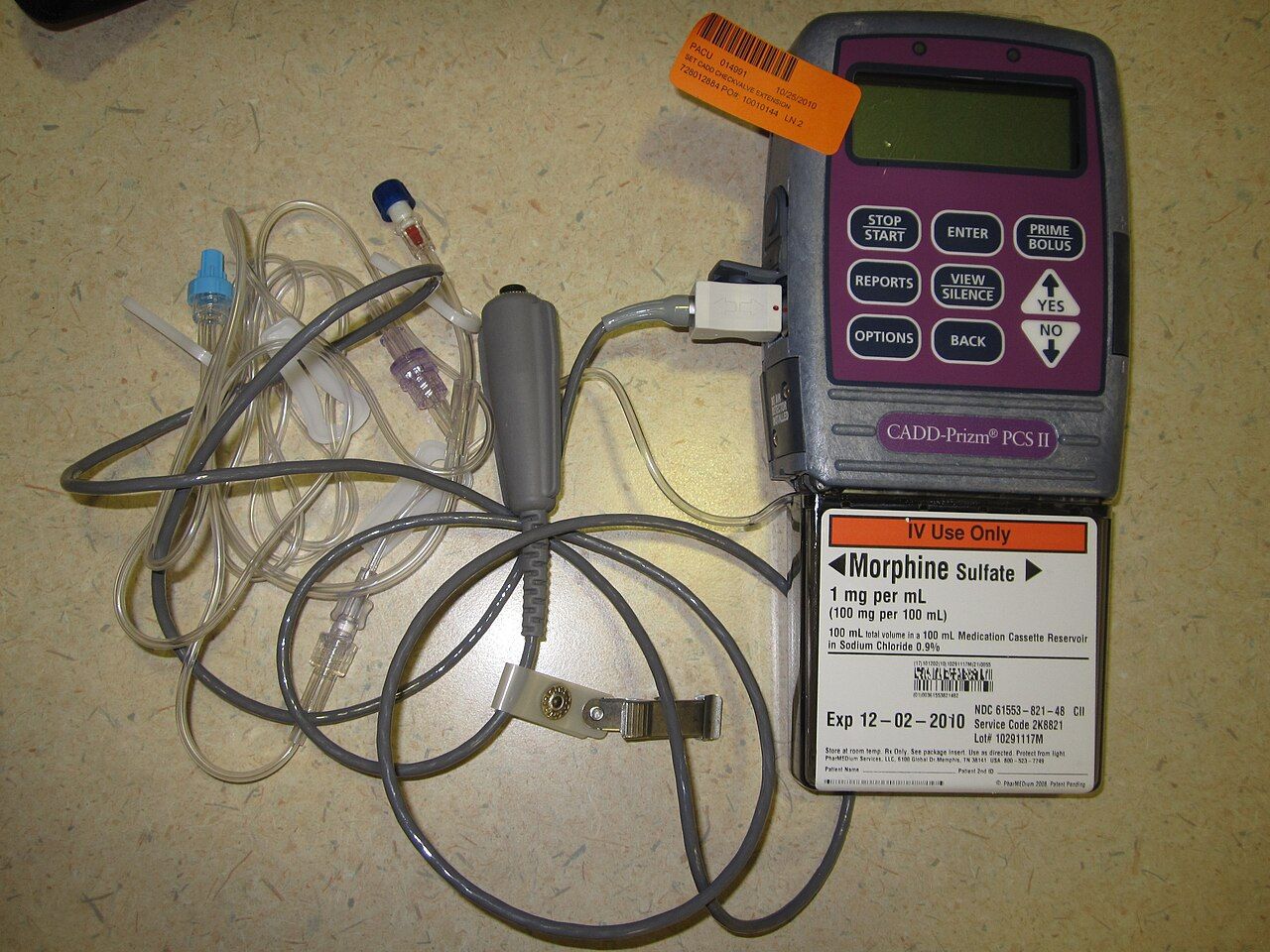
Patient-controlled analgesia gives the patient a small on-demand bolus with a programmed lockout interval (commonly 6 to 10 minutes) and a one- or four-hour limit. It produces better analgesia with lower total dose and higher satisfaction, and its safety rests on one principle: pressing the button requires enough consciousness to press it, so the sedated patient stops dosing. That principle collapses if anyone else presses it. PCA by proxy — a spouse, a well-meaning daughter, or a nurse pressing the button for a sleeping patient — is a recognised cause of fatal respiratory depression, and teaching the family that only the patient presses the button is a required nursing intervention. Continuous basal infusions markedly increase risk in opioid-naive patients and are generally avoided. Nursing responsibilities include verifying pump settings and concentration with a second RN, documenting attempts versus delivered doses (a high attempt-to-delivery ratio means the regimen is inadequate, not that the patient is drug-seeking), monitoring sedation and respiratory rate with continuous pulse oximetry or capnography per policy, and ensuring naloxone is available.
Adjuvants: the drugs that are not analgesics
Adjuvants were developed for other purposes and are indispensable for neuropathic and mixed pain. Gabapentin and pregabalin bind the alpha-2-delta subunit of voltage-gated calcium channels, reducing excitatory neurotransmitter release. They are titrated slowly, cause dizziness, somnolence, ataxia and peripheral oedema, require dose reduction when creatinine clearance falls below 60 mL/min, and must never be stopped abruptly. Their most important nursing implication is additive central nervous system and respiratory depression when combined with opioids, particularly in older adults — a real and under-recognised cause of falls and hypoventilation. Duloxetine, an SNRI, is first-line for diabetic peripheral neuropathy and fibromyalgia; monitor blood pressure and for serotonin syndrome. Tricyclics such as nortriptyline and amitriptyline work at low nightly doses, but their anticholinergic burden — dry mouth, urinary retention, constipation, orthostatic hypotension, confusion — and their cardiac conduction effects place amitriptyline on the Beers list; nortriptyline is the better-tolerated choice in older adults.
Other adjuvants earn their place in specific situations. Corticosteroids (dexamethasone) shrink peritumoural and neural oedema and are excellent for bone pain, malignant spinal cord compression and raised intracranial pressure; monitor glucose. Bisphosphonates and radiotherapy treat metastatic bone pain. Low-dose ketamine infusions blunt NMDA-mediated central sensitisation and are increasingly used for opioid-tolerant patients and refractory pain; watch for dissociation, vivid dreams, hypertension and hypersalivation. Lidocaine 5% patches for postherpetic neuralgia are applied 12 hours on and 12 hours off, up to three patches, to intact skin only. Topical capsaicin depletes substance P but burns on initial application — warn the patient and instruct them not to touch the eyes. Muscle relaxants such as cyclobenzaprine and methocarbamol help acute spasm but sedate; baclofen is used for spasticity and is never stopped abruptly.
Regional and interventional analgesia
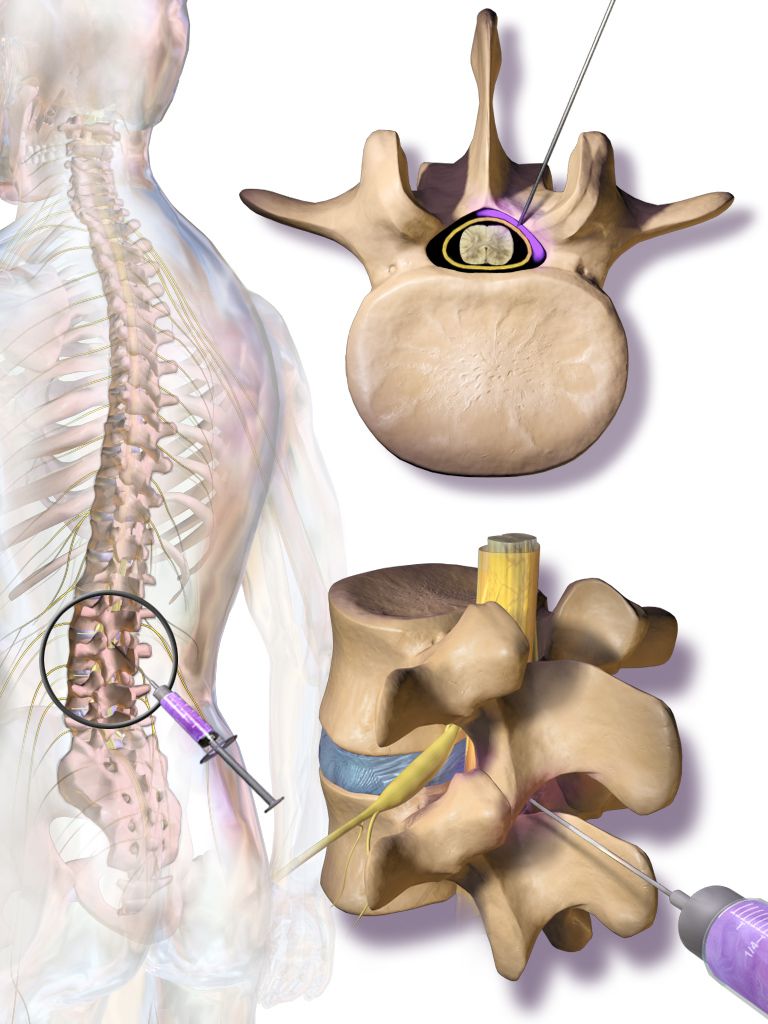
Regional techniques deliver the drug to the nerve rather than the whole patient. Peripheral nerve blocks — interscalene for shoulder, femoral or adductor canal for knee, transversus abdominis plane for abdominal surgery — provide hours to days of analgesia with minimal systemic effect. Your teaching points: the limb is numb and weak, so it is at risk for injury and falls; protect it from heat, cold and pressure; do not bear weight until the block has resolved and the physiotherapist clears it; and expect “rebound” pain when it wears off, so take the oral analgesic before sensation fully returns.
Epidural analgesia, typically a local anaesthetic plus a low-dose opioid, is standard after thoracic, abdominal and major orthopaedic surgery and in labour. Monitor for hypotension from sympathetic blockade (have fluids and vasopressors available), for excessive motor block (a patient who cannot lift the leg needs the infusion rate reduced and the provider notified), for urinary retention (bladder scan; neuraxial morphine is a frequent culprit), for pruritus and for respiratory depression, which with hydrophilic neuraxial morphine can occur as late as 12 to 24 hours after the dose. Inspect the insertion site for leakage, erythema and drainage. The catastrophic complication is spinal epidural haematoma: anticoagulation must be timed against catheter placement and removal — with prophylactic enoxaparin, remove the catheter no sooner than 12 hours after the last dose and give the next dose no sooner than 4 hours after removal — and new or progressive lower-extremity weakness, numbness or incontinence requires immediate escalation.
Enhanced Recovery After Surgery (ERAS) protocols are multimodal analgesia written down: scheduled acetaminophen, a scheduled NSAID unless contraindicated, gabapentin or a regional block, opioids reserved for breakthrough, early mobilisation, early feeding and aggressive bowel prophylaxis. The measurable outcomes are shorter length of stay, fewer ileus and pulmonary complications, and less opioid at discharge. When you give the scheduled acetaminophen even though the patient rated their pain a 2, you are executing the protocol, not wasting a dose.
Multimodal analgesia — scheduled acetaminophen and an NSAID, an adjuvant matched to the pain mechanism, a regional technique where available, and opioids as the smallest necessary component — produces better pain control with fewer complications than any single agent pushed to its limit.
Section 4Opioid Safety, Stewardship and the Patients Who Get It Worst
Sedation comes before respiratory depression — every time
This is the single most important safety concept in the chapter. Opioid-induced respiratory depression is almost never sudden; it is preceded by progressive sedation over minutes to hours. A nurse who assesses only respiratory rate, or who charts “sleeping comfortably” on a patient who cannot be roused to complete a sentence, will miss it. Use a validated sedation scale at every opioid administration and every reassessment. The Pasero Opioid-induced Sedation Scale (POSS) is the standard.
| POSS level | Description | Nursing action |
|---|---|---|
| S | Sleep, easy to arouse | Acceptable; no action needed; may give the ordered dose |
| 1 | Awake and alert | Acceptable; give the ordered dose |
| 2 | Slightly drowsy, easily aroused | Acceptable; monitor closely; give dose |
| 3 | Frequently drowsy, arousable, drifts off during conversation | Unacceptable. Hold the opioid, reduce the next dose 25–50%, notify the provider, monitor respiratory status and sedation continuously, add a non-opioid, consider supplemental oxygen |
| 4 | Somnolent, minimal or no response to stimulation | Unacceptable and an emergency. Stop the opioid, stay with the patient, apply oxygen, prepare and give dilute naloxone, activate rapid response, notify the provider |
Adjunct monitoring matters. A respiratory rate below 8 to 10 per minute, shallow or irregular respirations, snoring or airway obstruction in a previously quiet patient, or a falling oxygen saturation are all late relative to sedation. Note that supplemental oxygen masks desaturation — a patient on 4 L nasal cannula can hypoventilate to an end-tidal carbon dioxide of 60 mmHg (normal 35–45) while maintaining a saturation of 96 percent. Capnography, where available, detects hypoventilation earlier than pulse oximetry. Highest-risk patients are those who are opioid-naive, over 65, obese, have obstructive sleep apnoea (screen with STOP-BANG), have renal or hepatic impairment, or are receiving concurrent sedatives — benzodiazepines, gabapentinoids, muscle relaxants, antihistamines, sleep aids. Opioid plus benzodiazepine is the most lethal combination on the medical floor.
Naloxone is a pure competitive mu antagonist with onset in 1 to 2 minutes intravenously. In a hospitalised patient receiving therapeutic opioids, giving a full 0.4 mg ampoule is a mistake: it precipitates acute withdrawal, severe uncontrolled pain, hypertension, tachycardia, vomiting, agitation and occasionally pulmonary oedema. Dilute instead — 0.4 mg (1 mL) in 9 mL of normal saline to yield 0.04 mg/mL — and give 0.5 to 1 mL (0.02 to 0.04 mg) intravenously every 1 to 2 minutes, titrating to an adequate respiratory rate and arousability, not to full alertness. In a witnessed apnoeic arrest, give the full dose. Because naloxone’s duration (roughly 30 to 90 minutes) is shorter than that of most opioids, and far shorter than that of extended-release preparations or a fentanyl patch, re-sedation is expected: the patient must be monitored continuously, may require repeat doses or an infusion, and an applied fentanyl patch must be removed. Community naloxone — 4 mg intranasal or auto-injector — should be prescribed and taught to patients at risk and to their families, and that teaching is a nursing responsibility.
The side effects you manage every shift
Tolerance develops to most opioid effects within days — sedation, nausea, respiratory depression, euphoria — but never to constipation. Opioid-induced constipation therefore requires prophylaxis from the first dose, not treatment after five days: a stimulant laxative such as senna 8.6 mg, one to two tablets at bedtime, with or without a stool softener, plus fluid, fibre and mobility as tolerated. Bulk-forming agents such as psyllium alone can worsen impaction in a slow gut and should not be relied upon. When the regimen fails, peripherally acting mu-opioid receptor antagonists — methylnaltrexone subcutaneously, naloxegol or naldemedine orally — reverse gut receptors without reversing analgesia. Track the last bowel movement on every opioid patient; ileus, impaction and perforation start as an undocumented third day.
Nausea and vomiting usually abate in a few days; treat with ondansetron 4 mg or metoclopramide, and consider rotating opioids if persistent. Pruritus is a central mu effect rather than a true allergy, particularly with morphine; low-dose nalbuphine or a naloxone infusion works better than diphenhydramine, which mostly adds sedation. Urinary retention is common after neuraxial opioids and in older men — bladder scan before assuming oliguria. Myoclonus and confusion suggest metabolite accumulation and call for opioid rotation or dose reduction. Distinguish a true allergy (urticaria, angio-oedema, bronchospasm, hypotension) from a predictable side effect (nausea, itching, constipation); labelling a patient “allergic to morphine” because it made them itch narrows every future option they have.
Tolerance, dependence, addiction — and the patients we treat worst
These terms are not synonyms and confusing them harms patients. Tolerance is a physiologic need for more drug to achieve the same effect. Physical dependence is the expected occurrence of withdrawal when the drug is stopped abruptly — it develops in anyone on opioids for more than a week or two and is not addiction. Opioid use disorder is a chronic brain disease defined by compulsive use, craving and continued use despite harm. What used to be called “pseudoaddiction” describes drug-seeking behaviour driven by undertreated pain that resolves when analgesia becomes adequate — clock-watching, requesting a specific drug that has worked before, or appearing anxious before a scheduled dose are all consistent with inadequate dosing rather than misuse.
Two populations pay the price of this confusion. Patients with sickle cell disease in vaso-occlusive crisis wait longer for analgesia in the emergency department than patients with any comparably painful condition, receive smaller doses, and are more often labelled drug-seeking. The standard of care is individualised dosing based on the patient’s own written pain plan or prior effective dose, with the first parenteral opioid given within 30 to 60 minutes of arrival and reassessment every 15 to 30 minutes until controlled; add scheduled non-opioids, maintain hydration and normothermia, provide oxygen only for hypoxaemia, and never use meperidine. Patients with known opioid use disorder on buprenorphine or methadone maintenance need their baseline maintenance dose continued and additional analgesia for acute pain — the maintenance dose treats the disorder, not the fracture. Involve the acute pain service and use regional techniques and non-opioid adjuvants generously. Withholding analgesia from a patient in acute pain does not treat their substance use disorder; it simply causes suffering.
Non-pharmacologic comfort, delegation and discharge teaching
Non-drug measures are not filler; several have real effect sizes and all of them are free of respiratory depression. Cold reduces oedema, spasm and conduction velocity in the first 24 to 48 hours after injury (20 minutes on, with a barrier, and never over an insensate or ischaemic area). Heat relaxes muscle and improves flow in chronic musculoskeletal pain (contraindicated over acute inflammation, bleeding or numbness). Repositioning, splinting an incision with a pillow before coughing, a properly supported limb, an emptied bladder and a quiet dark room at night are the interventions patients report as most helpful. Distraction, guided imagery, music, controlled breathing, progressive muscle relaxation, massage and mindfulness all reduce reported intensity and anxiety. Transcutaneous electrical nerve stimulation, acupuncture, physiotherapy and cognitive behavioural therapy have supporting evidence in persistent pain.
| Task | RN | LPN/LVN | UAP |
|---|---|---|---|
| Initial and ongoing pain assessment; interpreting a change | Yes | No | No |
| Initiating a PCA, verifying settings, first-dose evaluation | Yes | No | No |
| Administering scheduled oral or routine parenteral analgesics on a stable patient | Yes | Yes (per state scope) | No |
| Reinforcing teaching the RN has already provided | Yes | Yes | No |
| Repositioning, applying a prescribed heat or cold pack, back rub, quiet environment | Yes | Yes | Yes |
| Reporting that a patient says they are in pain, or looks uncomfortable | Yes | Yes | Yes — and must |
| Evaluating whether the analgesic worked | Yes | No | No |
Discharge teaching for an opioid prescription has become a patient-safety intervention in its own right. Cover the following, and document it: take the non-opioid on schedule and the opioid only for breakthrough; never combine with alcohol, benzodiazepines, sleep aids or cannabis; do not drive or operate machinery; start the bowel regimen the same day; count the acetaminophen in every combination product against the 4 g (or lower) daily maximum; store the medication locked and out of reach of children and visitors; dispose of leftovers at a take-back site or per the FDA flush list rather than leaving them in the cabinet; and keep naloxone at home with a family member who knows how to use it. Teach the expected trajectory too — that post-operative opioid need should fall substantially within three to five days — so that patients are not alarmed when they taper, and so they call if pain instead escalates.
Older adults: start low and go slow, but start. Reduce initial opioid doses by 25 to 50 percent, extend the interval, and reassess more often — but do not withhold. Avoid meperidine and amitriptyline (Beers), use NSAIDs sparingly and briefly, watch for the additive sedation of gabapentinoids and antihistamines, and remember that in this population the first sign of pain, infection, myocardial infarction or urinary retention may all be the same thing: new confusion.
Advancing sedation always precedes opioid-induced respiratory depression, so assess a sedation scale with every dose, prophylax constipation from day one, and never let the labels tolerance, dependence and addiction become a reason to leave a patient in pain.
Section 5Palliative Care, Symptom Management and Comfort When Cure Is Not the Goal
Palliative care is not hospice, and neither is giving up
Students conflate these constantly and it changes what they tell families. Palliative care is specialised care focused on relief of symptoms, distress and suffering for anyone with a serious illness, at any stage, of any prognosis, delivered alongside curative or life-prolonging treatment. A 34-year-old on induction chemotherapy for leukaemia with a curative intent, a patient with severe COPD, a patient with heart failure awaiting transplant, a patient with advanced dementia — all are appropriate palliative referrals. Trials in advanced lung cancer showed early palliative care improved quality of life, reduced depression, reduced aggressive end-of-life treatment, and in at least one landmark study was associated with longer survival. Hospice is a subset of palliative care with specific eligibility: a prognosis of six months or less if the disease follows its usual course, certified by two physicians, with the patient electing comfort-focused care and generally forgoing disease-directed treatment for the terminal diagnosis. Under the Medicare hospice benefit, hospice provides the interdisciplinary team, medications related to the terminal diagnosis, equipment and bereavement support for up to a year after the death. Hospice care is delivered wherever the patient lives — most often at home.
Advance care planning documents are the other frequent confusion. An advance directive is a legal document created by a competent adult; a living will states what treatments the person would want under specified conditions; a durable power of attorney for health care (health care proxy) names a surrogate decision-maker, and is generally more useful because it covers situations the living will never anticipated. A POLST or MOLST is different in kind: it is a portable medical order set signed by a clinician, actionable by emergency personnel, appropriate for patients with advanced illness. A DNR or AND (allow natural death) order addresses cardiopulmonary resuscitation only — and the teaching point students must be able to deliver to a distressed family is that a DNR order does not mean do not treat. Antibiotics, oxygen, transfusion, analgesia, dialysis, hydration and admission to the ICU all remain on the table unless separately declined. Under the Patient Self-Determination Act, every admitted patient must be asked about advance directives, and the nurse is usually the person who asks.
When a family says “do everything,” do not argue with the words — explore the goal underneath them. “Tell me what you understand about your mother’s illness.” “What would she say matters most to her right now?” “What are you hoping for? And what are you worried about?” Then match interventions to those goals. Ask-Tell-Ask and the NURSE mnemonic for responding to emotion — Name, Understand, Respect, Support, Explore — are more useful at that bedside than any drug in this chapter. Silence after bad news is an intervention. Let it sit.
Managing the symptoms that actually cause suffering
Pain at end of life is treated with the same pharmacology as elsewhere, with two shifts in emphasis: analgesia is given on a scheduled basis with breakthrough doses (typically 10 to 20 percent of the 24-hour total) rather than as needed, and dose ceilings driven by long-term toxicity become irrelevant. When swallowing fails, opioids may be given by concentrated sublingual solution, rectally, subcutaneously or transdermally — intravenous access is rarely required at home.
Dyspnoea is the symptom patients and families fear most, and its first-line treatment surprises students: low-dose opioids. Morphine 2.5 to 5 mg orally, or 1 to 2 mg intravenously, reduces the sensation of breathlessness by reducing respiratory drive and the central perception of air hunger. Supplemental oxygen helps only if the patient is actually hypoxaemic; in a normoxic patient, a handheld fan directed at the face is as effective as oxygen, working through trigeminal nerve stimulation. Add a benzodiazepine such as lorazepam when anxiety compounds the breathlessness, reposition upright, cool the room, reduce clutter and stay in the room — a nurse who leaves during air hunger amplifies it. Treat reversible contributors when consistent with goals: bronchospasm, effusion, anaemia, heart failure.
Nausea is managed by mechanism rather than by habit. Chemoreceptor trigger zone or drug-induced nausea (including opioids) responds to dopamine antagonists — haloperidol or prochlorperazine; delayed gastric emptying responds to metoclopramide; chemotherapy and radiation nausea responds to ondansetron; vestibular nausea responds to scopolamine or meclizine; raised intracranial pressure responds to dexamethasone. Constipation must be prevented relentlessly, because in a bed-bound patient on opioids it becomes obstruction. Excessive oropharyngeal secretions — the “death rattle” — distress the family far more than the patient, who is usually unconscious. Reposition to the side, elevate the head, stop or reduce artificial hydration, suction only the mouth (deep suctioning is traumatic and ineffective), and explain to the family what the sound is and is not. Antimuscarinics such as glycopyrrolate or a scopolamine patch reduce further secretion but do not clear what is already there, so give them early or not at all.
Terminal delirium and restlessness — picking at bedclothes, agitation, reversal of day and night, hallucination — occur in the majority of dying patients. Screen for reversible causes first: pain, urinary retention, faecal impaction, hypoxia, hypercalcaemia, hypoglycaemia, infection, and medications (anticholinergics, benzodiazepines, steroids). Then treat with low-dose haloperidol, reorient gently, keep lighting and the environment consistent, and keep a familiar person present. Physical restraints worsen delirium and are avoided. Anorexia, cachexia and dehydration in the final weeks are the body shutting down, not starvation; artificial nutrition and hydration at this stage do not improve survival or comfort and increase oedema, secretions and aspiration risk. Offer comfort feeding — whatever the patient wants, whenever they want it — and meticulous mouth care with a moist swab and lip balm, which relieves the sensation of thirst far better than an intravenous bag.
| Symptom | First-line approach | Nursing emphasis |
|---|---|---|
| Pain | Scheduled opioid plus breakthrough at 10–20% of the daily dose | Alternate routes when swallowing fails; no dose ceiling |
| Dyspnoea | Low-dose opioid; fan to the face; oxygen only if hypoxaemic | Upright positioning, calm presence, lorazepam for layered anxiety |
| Nausea | Match the antiemetic to the mechanism | Haloperidol for opioid or CTZ nausea; metoclopramide for stasis |
| Excessive secretions | Reposition, reduce fluids, oral suction; early glycopyrrolate | Educate the family; the sound distresses them, not the patient |
| Terminal delirium | Rule out pain, retention, impaction, hypoxia; low-dose haloperidol | Familiar faces, consistent light, no restraints |
| Dry mouth and thirst | Frequent oral care, moist swabs, lip balm, ice chips | More effective for thirst than intravenous fluid |
The last days, the ethics, and the family you are also caring for
Recognising the final days lets you prepare the family, and preparing the family is the intervention they remember. Expect progressive weakness and bed-bound status, withdrawal from surroundings, minimal intake, decreased urine output that becomes dark and scant, cool and mottled extremities beginning at the knees and feet, blood pressure that falls and a pulse that becomes thready, Cheyne-Stokes respirations with lengthening apnoeic pauses, terminal secretions, and reduced level of consciousness. Tell the family what is coming before it happens, in plain language, and tell them that hearing is believed to persist — encourage them to speak, to say what needs saying, and to give permission. Many families need to be told it is acceptable to leave the room, to eat, to sleep, and that patients sometimes die in the few minutes a vigil steps out.
Two ethical points recur on examinations and at the bedside. The principle of double effect holds that an intervention with a good intended effect (relief of pain or air hunger) is ethically permissible even if it carries a foreseen but unintended risk (hastened death), provided the intent is comfort, the dose is titrated to symptom relief, and the good effect is not achieved through the bad one. In practice, appropriately titrated opioids at end of life have not been shown to shorten survival; the fear of “giving the dose that kills them” causes far more suffering than the drug ever has. Palliative sedation — lowering consciousness to relieve refractory symptoms — is distinct in intent and method from euthanasia and physician-assisted death, and requires documented refractory symptoms, informed consent and interdisciplinary review. Nurses have a right to conscientious objection in jurisdictions permitting medical aid in dying, but never a right to abandon a patient; you must transfer care safely.
After the death: confirm and document per policy, allow the family as much time as they need, offer to help with bathing and dressing if they wish to participate, honour cultural and religious practices around handling the body, provide information on funeral arrangements and bereavement resources, and remember organ or tissue donation referral where applicable. Then take care of yourself. Repeated exposure to death without processing produces compassion fatigue and moral distress; debriefing, peer support, employee assistance and a genuine break at the end of a shift are professional obligations, not weakness. You cannot pour comfort from an empty cup for a whole career.
Palliative care is symptom relief at any stage of serious illness and may accompany cure, hospice is the comfort-focused benefit for a prognosis of six months or less, and a DNR order limits resuscitation only — comfort, dignity and honest conversation are never withdrawn.
The chapter in one breath
Pain travels a four-step path — transduction at the nerve ending, transmission to the dorsal horn, perception in the cortex and limbic system, and modulation by descending inhibition — and every analgesic you give interrupts one of those steps. Match the drug to the mechanism: acetaminophen and NSAIDs for nociceptive pain within their hepatic and renal ceilings, gabapentinoids, SNRIs, tricyclics and topical lidocaine for neuropathic pain, opioids as the smallest necessary component of a multimodal plan. Self-report is the standard; normal vital signs never disprove pain; choose the scale that fits the patient — NRS, FACES, FLACC, CPOT, PAINAD — and reassess 15 to 30 minutes after intravenous and 60 minutes after oral dosing. Advancing sedation always precedes respiratory depression, so score the POSS with every dose, hold at 3, reverse with dilute titrated naloxone at 4, and expect re-sedation. Prophylax constipation from the first dose because tolerance to it never develops. Pain out of proportion, worsened by passive stretch, or accompanied by new neurologic deficit is a diagnosis — compartment syndrome, epidural haematoma, ischaemia — not a dose. Older adults are undertreated and may present with delirium alone. Palliative care runs alongside cure; hospice begins when prognosis is six months or less; and a DNR order never means do not care.
Words worth knowing
| Term | What it means |
|---|---|
| Nociception | The physiologic process of detecting and transmitting a noxious stimulus: transduction, transmission, perception, modulation. |
| Allodynia | Pain produced by a stimulus that is not normally painful, such as bedsheets on the feet; a hallmark of neuropathic pain. |
| Hyperalgesia | An exaggerated pain response to a stimulus that is normally only mildly painful. |
| Opioid-induced hyperalgesia | A paradoxical increase in pain sensitivity caused by prolonged or escalating opioid exposure; treated by reducing or rotating the opioid. |
| Neuropathic pain | Pain arising from injury or disease of the nervous system; burning, shooting, electric; responds to adjuvants more than opioids. |
| Nociplastic pain | Real pain from altered central processing without identifiable tissue damage or nerve lesion, as in fibromyalgia. |
| Multimodal analgesia | Combining agents with different mechanisms at lower doses to improve relief and reduce the side effects of any one drug. |
| Equianalgesic dose | The dose of one opioid that provides analgesia roughly equal to a reference dose of another; reduce by 25–50% when rotating for incomplete cross-tolerance. |
| PCA by proxy | Anyone other than the patient pressing the PCA button; defeats the built-in safety mechanism and is a cause of fatal respiratory depression. |
| POSS | Pasero Opioid-induced Sedation Scale; levels S, 1 and 2 are acceptable, 3 requires holding and reducing the opioid, 4 is an emergency. |
| Naloxone | Competitive mu-opioid antagonist; dilute and titrate to respiratory rate in hospitalised patients; shorter half-life than most opioids, so re-sedation is expected. |
| Tolerance | Need for an increased dose to produce the same effect; a physiologic adaptation, not addiction. |
| Physical dependence | Development of withdrawal symptoms on abrupt discontinuation; expected after sustained opioid use and not addiction. |
| Opioid use disorder | A chronic disease of compulsive use, craving and continued use despite harm; requires treatment, not withheld analgesia. |
| Acute compartment syndrome | Rising pressure within a fascial compartment causing ischaemia; pain out of proportion and pain on passive stretch are earliest; a surgical emergency. |
| Spinal epidural haematoma | Bleeding around the spinal cord after neuraxial procedures; new back pain with weakness, numbness or incontinence requires immediate escalation. |
| Palliative care | Symptom- and goal-focused care for serious illness at any stage, provided alongside disease-directed treatment. |
| Hospice | Comfort-focused interdisciplinary care for a prognosis of six months or less, with the patient forgoing curative treatment for the terminal illness. |
| POLST / MOLST | A portable, clinician-signed medical order set for patients with advanced illness, actionable by emergency personnel. |
| Principle of double effect | An intervention intended to relieve suffering is ethically permissible even if it carries a foreseen but unintended risk of hastening death. |