Perioperative Nursing
Surgery is a controlled injury. Everything the perioperative nurse does — the med rec at the preop phone call, the sip of water withheld, the warming blanket, the count of sponges, the jaw thrust in the recovery bay, the tenth incentive spirometer breath on postoperative day one — exists because tissue trauma sets off a predictable neuroendocrine and inflammatory cascade that stresses every organ system at once. The patient who dies after an uncomplicated cholecystectomy almost never dies of the cholecystectomy. They die of aspiration, of a pulmonary embolus, of an unrecognised bleed, of an opioid given on top of untreated obstructive sleep apnoea, of a delirium that was called “sundowning” and left alone. This chapter follows one patient through three phases — preoperative, intraoperative, postanaesthesia and unit recovery — and at each stop asks the only question that matters on the floor and on the examination: of everything in front of me, what do I do first?
By the end of this chapter you can
- Explain the surgical stress response and predict the fluid, glucose and immune changes it produces in the first 48 hours.
- Complete a preoperative assessment that risk-stratifies by ASA physical status, STOP-BANG, frailty and nutritional state, and interpret preoperative laboratory values against real reference ranges.
- Decide which chronic medications are held and which are continued before surgery, including anticoagulants, antiplatelets, ACE inhibitors, metformin, SGLT2 inhibitors and GLP-1 receptor agonists.
- Describe the nurse’s legal role in informed consent and apply current preoperative fasting and ERAS standards.
- Differentiate general, regional and monitored anaesthesia care and recognise malignant hyperthermia, local anaesthetic systemic toxicity and residual neuromuscular blockade.
- Apply the Universal Protocol, surgical counts, normothermia and antimicrobial prophylaxis standards to intraoperative safety.
- Prioritise postanaesthesia care using airway–breathing–circulation logic and the Aldrete score.
- Recognise and act on postoperative haemorrhage, atelectasis, pulmonary embolism, paralytic ileus, urinary retention, dehiscence and evisceration, and surgical site infection.
- Modify assessment and teaching for the older surgical patient, and delegate appropriately to LPN and UAP team members using SBAR to escalate.
Section 1Preoperative Assessment and Risk Stratification
The surgical stress response: why the patient looks the way they look
The moment tissue is cut, afferent nociceptive traffic and circulating cytokines — interleukin-1, interleukin-6 and tumour necrosis factor alpha — reach the hypothalamus. The sympathetic nervous system fires and the hypothalamic–pituitary–adrenal axis switches on. Catecholamines, cortisol, glucagon, growth hormone, aldosterone and antidiuretic hormone all rise. This is an evolutionarily sensible response to a sabre-tooth injury: conserve volume, mobilise fuel, clot the wound, fight the bacteria that got in. It is also the explanation for nearly every postoperative vital sign and laboratory value your student brain is about to be quizzed on.
Cortisol and glucagon drive gluconeogenesis and produce peripheral insulin resistance, so the patient who has never had diabetes runs a glucose of 180 to 220 mg/dL on the evening of surgery. Aldosterone and antidiuretic hormone conserve sodium and water, so urine output falls and urine concentrates for roughly 24 to 48 hours even in a well-hydrated patient — expect an oliguric-looking first shift, and be suspicious rather than reassured when it persists past 48 hours. Third-spacing shifts fluid into the traumatised interstitium, so the patient gains two to four kilograms of weight while being intravascularly dry. Around postoperative day two or three that fluid mobilises back into the vasculature, which is why the frail cardiac patient who was doing fine suddenly becomes short of breath and crackly on day three. Catecholamines raise heart rate and vascular tone; the inflammatory response raises fibrinogen and platelet reactivity, which is one leg of Virchow’s triad and one reason surgery is a prothrombotic event.
Two practical consequences follow. First, a modest tachycardia and a low-grade temperature in the first 24 hours are usually the stress response and not sepsis — but they are never to be dismissed without a look at the wound, the lungs and the volume status. Second, anything that blunts recovery of the stress response — malnutrition, uncontrolled diabetes, smoking, glucocorticoid therapy, immunosuppression — predicts a poor wound and a longer stay. That is exactly what your preoperative assessment is hunting for.
History, physical and the systems that actually decide risk
Preoperative assessment is organised by risk, not by habit. Start with the American Society of Anesthesiologists physical status classification, because it is the shorthand the whole team uses. Class I is a healthy patient; class II has mild systemic disease that is well controlled, such as treated hypertension or a body mass index of 31; class III has severe systemic disease that limits activity but is not incapacitating, such as poorly controlled diabetes with early nephropathy, a prior myocardial infarction, or moderate chronic obstructive pulmonary disease; class IV has severe systemic disease that is a constant threat to life, such as an ejection fraction under 30 per cent, a myocardial infarction within the past three months, or end-stage renal disease that is not on a regular dialysis schedule — note that a patient dialysing on schedule is usually class III, not IV; class V is a moribund patient not expected to survive without the operation, such as a ruptured abdominal aortic aneurysm; class VI is a declared brain-dead organ donor. An E suffix is added for emergency cases, and emergency status roughly doubles risk at every class.
Cardiac reserve is measured in metabolic equivalents. A patient who can climb two flights of stairs or walk four blocks without stopping has a functional capacity of at least four METs and generally tolerates non-cardiac surgery. A patient who cannot — or who cannot tell you, because arthritis or a walker limits them — deserves more scrutiny. Ask directly about chest pain, exertional dyspnoea, orthopnoea, syncope, palpitations, prior stents and the date they were placed, and prior cardiac surgery. Elective non-cardiac surgery is generally deferred at least 30 days after a bare-metal stent and ideally six months after a drug-eluting stent, because interrupting dual antiplatelet therapy earlier risks stent thrombosis, which is frequently fatal.
Pulmonary risk is dominated by three things: smoking, obstructive sleep apnoea and reactive airway disease. Screen every surgical patient with STOP-BANG — Snoring, Tiredness, Observed apnoea, Pressure (treated hypertension), BMI over 35, Age over 50, Neck circumference over 40 cm and male Gender. Three or more affirmative items is intermediate-to-high risk and changes postoperative practice: continuous pulse oximetry, cautious opioid dosing, the patient’s own CPAP machine at the bedside, and elevation of the head of the bed. Counsel smoking cessation at least four weeks before surgery; stopping less than four weeks out still helps carboxyhaemoglobin and ciliary function but does not reliably reduce pulmonary complications, and telling a patient it is “too late to bother” is both untrue and unkind.
Then work the remaining systems fast and deliberately: renal (dialysis schedule, baseline creatinine, nephrotoxins), hepatic (drug metabolism, coagulopathy, albumin), endocrine (diabetes control, thyroid, chronic steroids requiring stress dosing), neurologic (prior stroke, seizures, baseline cognition — document it, because you cannot diagnose delirium without a baseline), musculoskeletal (arthritis limits positioning and mobility), and haematologic (bleeding history, anaemia, sickle cell trait or disease). Ask about alcohol and substance use honestly and without judgement; the patient who drinks a fifth a day will withdraw on postoperative day two or three, and CIWA-guided management planned in advance is far safer than a code called at 0300. Ask about prior anaesthesia problems and about a family history of malignant hyperthermia or of “a relative who died on the table.” Ask about latex, iodine, adhesive and food allergies — banana, kiwi, avocado and chestnut cross-react with latex.
Preoperative diagnostics and what the numbers mean
Routine shotgun testing has been abandoned; tests are ordered because the history, the physical or the operation demands them. What follows are the ones you will see, with the reference ranges you should carry in your head.
| Test | Reference range | Why it matters before surgery |
|---|---|---|
| Haemoglobin | 12–16 g/dL (female); 13.5–17.5 g/dL (male) | Preoperative anaemia predicts transfusion and mortality; investigate and treat iron deficiency before elective surgery rather than transfusing on the table. |
| Platelets | 150,000–400,000/mm³ | Under 50,000/mm³ is generally unsafe for major surgery; neuraxial (spinal or epidural) anaesthesia is generally avoided below roughly 70,000–80,000/mm³, with the decision individualised on the trend in the count, the cause of the thrombocytopenia and any other coagulation defect. |
| White blood cells | 5,000–10,000/mm³ | Elevation may mean an untreated infection — elective cases are cancelled, not decorated with antibiotics. |
| Potassium | 3.5–5.0 mEq/L | Hypokalaemia potentiates dysrhythmias and ileus; hyperkalaemia plus succinylcholine can arrest the heart. Most anaesthetists will not proceed electively outside this range. |
| Sodium | 135–145 mEq/L | Marked hyponatraemia raises the risk of postoperative seizure and confusion. |
| Creatinine / eGFR | 0.6–1.2 mg/dL; eGFR over 60 mL/min/1.73m² | Drives anaesthetic and antibiotic dosing, timing of anticoagulant holds, and contrast decisions. |
| Glucose / HbA1c | Fasting 70–100 mg/dL; HbA1c under 5.7 per cent | HbA1c above 8 per cent correlates with surgical site infection and poor healing; perioperative target glucose is 140–180 mg/dL. |
| INR / aPTT | INR 0.8–1.1 (2.0–3.0 on warfarin); aPTT 30–40 s | INR is generally required under 1.5 for major surgery and under 1.2–1.4 for neuraxial blocks. |
| Albumin | 3.5–5.0 g/dL | Nutritional and inflammatory marker; low values predict dehiscence and infection. |
| Type and screen / crossmatch | — | Required for any case with meaningful expected blood loss; confirm the specimen is current per facility policy (commonly 72 hours). |
| Pregnancy test | Negative | Obtain on any patient of childbearing potential per policy; a positive result changes or cancels the case. |
| 12-lead ECG / chest radiograph | — | Ordered for cardiac symptoms, known cardiopulmonary disease, or age-plus-risk criteria — not reflexively. |
Medication reconciliation: the highest-value nursing task in the whole chapter
Ask about prescription drugs, over-the-counter drugs, herbals, supplements, vitamins, cannabis and anything borrowed from a spouse. Patients routinely omit inhalers, eye drops, insulin, and “that shot I take on Sundays.” Ask the last dose and time of every anticoagulant by name. Then apply the hold-or-continue logic below, which is decided by the surgeon and anaesthetist but is checked, taught and enforced by you.
| Drug class | Perioperative plan | Reason |
|---|---|---|
| Beta blockers | Continue, including the morning dose | Abrupt withdrawal causes rebound tachycardia, hypertension and ischaemia. |
| Statins | Continue | Plaque stabilisation and reduced perioperative cardiac events. |
| ACE inhibitors / ARBs | Commonly held the morning of surgery | Refractory intraoperative hypotension unresponsive to usual vasopressors. |
| Warfarin | Hold about 5 days; verify INR under 1.5; bridge with heparin only if high thrombotic risk | Warfarin’s effect follows factor II half-life, so it takes days to clear. |
| Direct oral anticoagulants (apixaban, rivaroxaban, dabigatran) | Hold 24–96 hours (the longest holds for dabigatran at low creatinine clearance) depending on drug, bleeding risk and creatinine clearance | Renally cleared to varying degrees — dabigatran most of all, so a high-bleeding-risk case with a creatinine clearance of 30–50 mL/min needs about four days. The hold is individualised, never guessed. |
| Clopidogrel / prasugrel / ticagrelor | Hold 5–7 days — only with cardiology input if a stent is in place | Clopidogrel and prasugrel inhibit platelets irreversibly, so recovery waits on new platelets; ticagrelor binds reversibly but is still held. Stopping too soon after stenting risks stent thrombosis. |
| Aspirin | Individualised — frequently continued for coronary stents and vascular surgery | Cardiac protection often outweighs the modest bleeding increase. |
| Metformin | Hold the day of surgery (longer if contrast or renal impairment) | Risk of lactic acidosis if renal perfusion falls. |
| SGLT2 inhibitors (empagliflozin, dapagliflozin) | Hold 3–4 days before | Euglycaemic diabetic ketoacidosis — ketoacidosis with a nearly normal glucose, easily missed. |
| GLP-1 receptor agonists (semaglutide, tirzepatide) | Weekly agents held 1 week; daily agents held the day of surgery | Delayed gastric emptying leaves solid food in the stomach despite adequate fasting — aspiration risk. |
| Insulin | Reduced basal dose (roughly 50 to 80 per cent) the night before or the morning of; hold prandial (mealtime) short-acting insulin while NPO, but continue short-acting correction insulin on a q4–6h scale | Balancing hypoglycaemia against the hyperglycaemia of the stress response — the patient is not eating, so mealtime doses come off, while correction dosing is what holds glucose at the perioperative target of 140–180 mg/dL. |
| Chronic corticosteroids | Continue; stress-dose hydrocortisone may be ordered | Adrenal suppression can produce refractory intraoperative hypotension (adrenal crisis). |
| Herbals — garlic, ginger, ginkgo, ginseng, vitamin E, fish oil | Hold 1–2 weeks | Platelet inhibition and bleeding. |
| St John’s wort | Hold about 5 days | Cytochrome P450 induction alters anaesthetic and analgesic levels; serotonergic interactions. |
| MAO inhibitors | Discussed with anaesthesia well in advance | Hypertensive crisis with indirect sympathomimetics; serotonin syndrome with meperidine. |
Preoperative assessment is not paperwork — it is risk stratification, and the medication reconciliation you perform is the single intervention most likely to prevent an intraoperative catastrophe.
Section 2Preparing the Patient: Consent, Fasting, Teaching and the Day of Surgery
Informed consent and the nurse’s actual legal role
Students lose points on this every single year, so learn it precisely. The surgeon (or the provider performing the procedure) is legally responsible for obtaining informed consent. That means explaining the diagnosis, the nature and purpose of the proposed procedure, the risks and benefits, reasonable alternatives including doing nothing, and the likely consequences of refusal. The nurse witnesses the signature. In witnessing, you attest to three things: the signature is the patient’s, the patient signed voluntarily and without coercion, and the patient appears competent to sign at that moment. You also serve as the patient’s advocate by confirming their understanding — and this is where the examination question lives.
If the patient says “I’m not really sure what they’re taking out” or “my daughter said I should just sign it,” you stop. Do not explain the operation yourself — that is outside the nurse’s scope for informed consent and it does not cure the defect. Withhold the preoperative sedative, notify the surgeon, and document. A consent signed after midazolam has been given is not valid consent, because the patient was not competent at the moment of signing. In a true life-or-limb emergency where the patient cannot consent and no surrogate is reachable, implied consent applies and the surgery proceeds; document the circumstances thoroughly. Minors require a parent or legal guardian except in the specific circumstances your state recognises — emancipated minors, and often care related to pregnancy, sexually transmitted infection or substance use. Consent must be obtained in the patient’s preferred language using a qualified medical interpreter; a family member is not an acceptable interpreter for consent.
Fasting, aspiration and ERAS
The reason for fasting is a single, specific, lethal event: regurgitation of gastric contents into the airway during induction, when protective reflexes are abolished. The old “NPO after midnight” ritual dehydrated patients for 12 to 16 hours without improving gastric volume, and modern guidance is different and better. For elective procedures in patients without gastroparesis or bowel obstruction: clear liquids up to 2 hours before induction; breast milk up to 4 hours; infant formula and non-human milk up to 6 hours; a light meal up to 6 hours; and a fried, fatty or meat-containing meal up to 8 hours. Clear liquids means water, black coffee or tea without milk, pulp-free juice, clear carbohydrate drinks — anything you can read newsprint through. Milk in coffee makes it not a clear liquid, because milk curdles into a solid in gastric acid.
Certain patients are treated as full stomachs regardless of the clock: trauma, bowel obstruction, active vomiting, advanced pregnancy, symptomatic gastro-oesophageal reflux, gastroparesis and patients on GLP-1 receptor agonists. These patients receive a rapid sequence induction with cricoid pressure at the anaesthetist’s discretion, and may receive a non-particulate antacid such as sodium citrate, a histamine-2 blocker or metoclopramide.
Enhanced Recovery After Surgery protocols bundle the evidence into a pathway: no prolonged fasting and often a carbohydrate-rich clear drink two hours preoperatively, no routine bowel preparation for many procedures, multimodal opioid-sparing analgesia, goal-directed rather than liberal fluids, active warming, aggressive postoperative nausea prophylaxis, removal of catheters and drains early, feeding within 24 hours, and ambulation the day of surgery. ERAS shortens length of stay and reduces complications, and your ability to get a patient out of bed six hours after a colectomy is not a comfort measure — it is the intervention.
Preoperative teaching that prevents postoperative complications
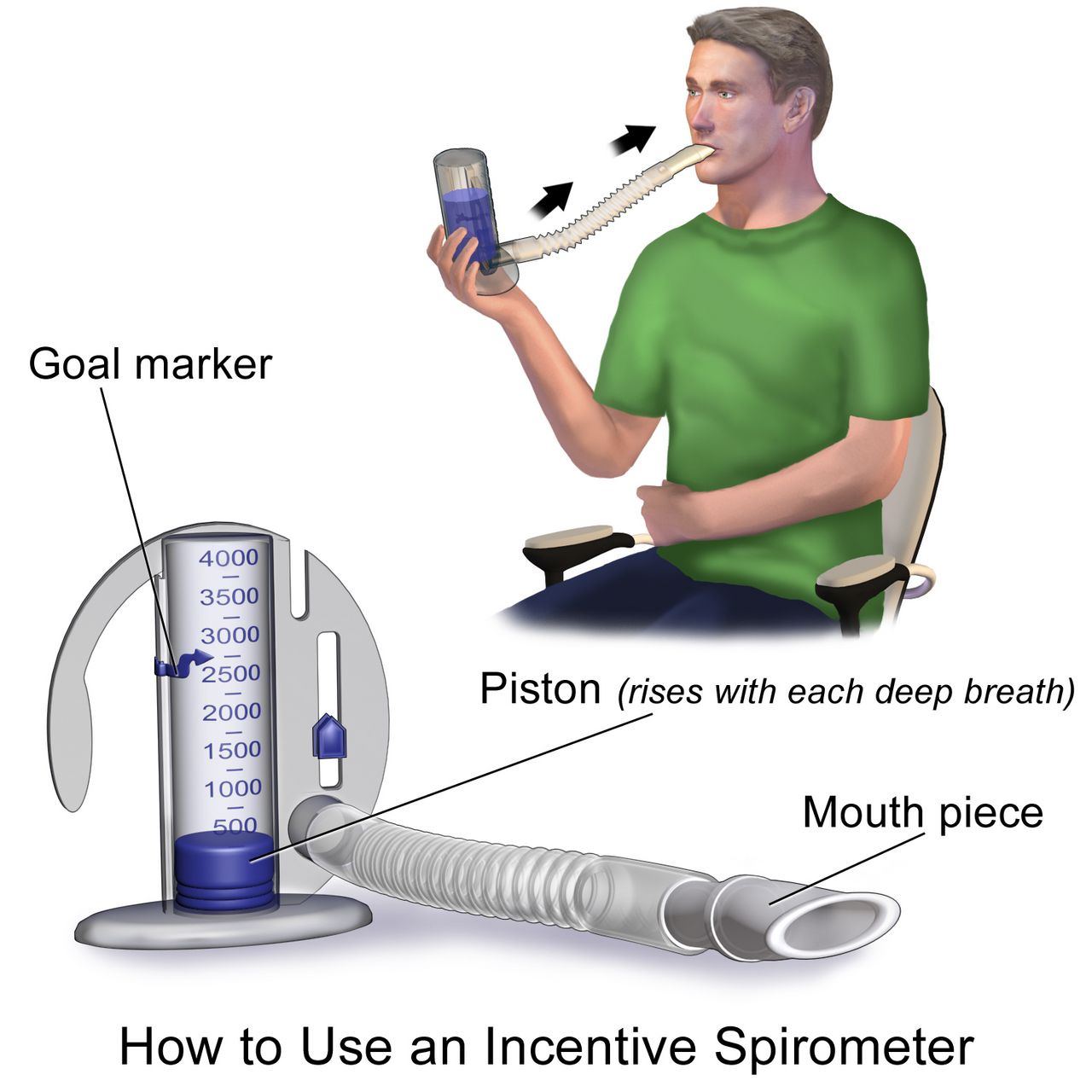
Teach before surgery, because after surgery the patient is sedated, in pain and will not retain it. Cover, and have the patient demonstrate: incentive spirometry — sit upright, seal the lips, inhale slowly and deeply, hold three to five seconds, ten breaths every hour while awake; splinting the incision with a pillow or folded blanket before coughing and before moving; turn, cough and deep breathe every one to two hours; ankle pumps and calf exercises ten times per hour; how to get out of bed by rolling to the side and pushing up rather than sitting straight up; and how to rate pain on the scale that will be used, with the honest message that the goal is function, not zero. If a patient-controlled analgesia pump is planned, teach it now and teach the family the single most important rule about it.
Also set expectations: what the incision and drains will look like, that there will be a urinary catheter or a nasogastric tube if planned, that the first ambulation will be hard and will happen anyway, how long the hospital stay is expected to be, and who will be with them at discharge. Anxiety is not a soft finding — catecholamine surge raises myocardial oxygen demand and increases postoperative pain scores. Address it directly, allow questions, involve the family and use the facility’s spiritual care resources when the patient wants them.
The day-of-surgery checklist and preoperative medications
The preoperative checklist exists so that nothing depends on memory. Confirm: two patient identifiers and an intact identification band; allergy band and documented allergies; NPO status and time of last intake; signed and dated consent on the chart with the correct procedure and side; history and physical and required laboratory, ECG and imaging results present; site marked by the surgeon with the patient participating while awake; vital signs and a documented baseline neurological status; blood products available if ordered; that the patient has voided or a catheter is in place; that dentures, partial plates, contact lenses, glasses, hearing aids, prostheses, jewellery, body piercings, nail polish and make-up are removed and documented (hearing aids and glasses are frequently left in place until the operating room so the patient can participate in the time out — follow policy); valuables secured or given to family with documentation; antiembolism stockings or sequential compression devices applied; and preoperative medications given and charted.
Preoperative medications typically include an anxiolytic such as midazolam, an antibiotic timed so infusion is complete within 60 minutes before incision (cefazolin 2 g, or 3 g for patients weighing 120 kg or more; vancomycin and fluoroquinolones are started within 120 minutes because they infuse slowly), an antiemetic, and sometimes a proton pump inhibitor or an anticholinergic to dry secretions. After sedation is given, the side rails go up, the bed goes low and the patient does not get out of bed unassisted. If beta blockers, inhalers or antiseizure medications are on the continue list, give them with a sip of water — and document that too.
The nurse does not obtain informed consent and does not permit a sedated or confused patient to sign it; the nurse witnesses the signature, verifies understanding, and stops the process when understanding is missing.
Section 3Intraoperative Care: Anaesthesia, the Sterile Field and Patient Safety

Anaesthesia by type, and what each one does to the patient
General anaesthesia produces unconsciousness, amnesia, analgesia and often muscle relaxation, and it abolishes airway protection. It is delivered by intravenous induction agents (propofol, etomidate, ketamine), maintained with inhaled volatile agents (sevoflurane, desflurane, isoflurane) with or without nitrous oxide, and supported by neuromuscular blocking agents. Propofol drops blood pressure; etomidate is haemodynamically kind but suppresses adrenal cortisol; ketamine preserves blood pressure and respiration but can produce emergence hallucinations. Nursing implications after general anaesthesia are airway, airway, airway, plus hypothermia, nausea and residual sedation.
Neuromuscular blocking agents deserve their own paragraph, because they kill people. Succinylcholine is depolarising, works in under a minute and wears off in five to ten, which makes it ideal for rapid sequence induction — but it releases potassium and is contraindicated in burns beyond about 24 to 48 hours, crush injury, denervating conditions such as spinal cord injury and muscular dystrophy, and pre-existing hyperkalaemia, where it can cause cardiac arrest. It is also a trigger for malignant hyperthermia. Rocuronium and vecuronium are non-depolarising and are reversed by neostigmine plus glycopyrrolate, or by sugammadex. Residual paralysis is a real PACU problem: the patient looks awake but cannot lift the head for five seconds, has a weak grip, uses accessory muscles and desaturates. Support ventilation, keep the head of the bed up and call anaesthesia. One teaching point patients are rarely given: sugammadex can reduce the effectiveness of hormonal contraception for about seven days, so a backup method is needed.
Regional anaesthesia blocks a region while the patient remains conscious or lightly sedated. Spinal anaesthesia injects local anaesthetic into the subarachnoid space, produces dense rapid block, and reliably causes sympathetic blockade — expect hypotension and bradycardia, and expect it fast. Treat with fluids, positioning and vasopressors such as ephedrine or phenylephrine. If the block rises too high (a “high spinal”), the patient reports numb fingers, difficulty breathing or difficulty speaking, and this is an airway emergency. Post-dural puncture headache is positional — severe when upright, relieved when supine — and is managed with fluids, caffeine, analgesia and, if persistent, an epidural blood patch. Epidural catheters give continuous analgesia but carry the risk of epidural haematoma, particularly in anticoagulated patients: new or worsening back pain with new lower-extremity weakness, numbness or bowel or bladder dysfunction is a surgical emergency requiring immediate imaging and decompression, ideally within hours. Assess motor and sensory function at least every four hours — more often if policy or the infusion rate demands — on every patient with an epidural, and continue those checks for 24 hours after the catheter is removed, because removal is itself a bleeding event. Coordinate anticoagulant timing with pharmacy and anaesthesia.
Monitored anaesthesia care and moderate procedural sedation preserve spontaneous ventilation and the ability to respond to verbal or light tactile stimulation. The registered nurse monitoring moderate sedation must have no other responsibilities, must monitor level of consciousness, oxygen saturation, capnography where used, heart rate and blood pressure continuously, and must have reversal agents — naloxone for opioids, flumazenil for benzodiazepines — and emergency airway equipment immediately available. Local anaesthesia is infiltration only, but is not risk-free: local anaesthetic systemic toxicity begins with perioral numbness, tinnitus, metallic taste, dizziness and agitation, and progresses to seizure and cardiovascular collapse. Stop the injection, call for help, manage the airway, and give 20 per cent intravenous lipid emulsion per protocol.
The surgical team, the Universal Protocol and the counts
The circulating nurse is a registered nurse and is not scrubbed; they manage the room, verify consent and the count, position the patient, prepare the skin, document, connect equipment, monitor the sterile field for breaks, and speak for the patient. The scrub person — a registered nurse or a certified surgical technologist — sets up and maintains the sterile field and passes instruments. The registered nurse first assistant retracts, provides haemostasis and closes under the surgeon’s direction.
The Joint Commission Universal Protocol itself has three elements: a pre-procedure verification process, marking of the procedure site by the person performing it, and a time out immediately before the start. In practice most operating rooms deliver it inside the WHO Surgical Safety Checklist, which has three pauses. Sign in occurs before induction and confirms identity, procedure, site, consent, allergies, airway risk and blood availability. The time out occurs immediately before incision: all activity stops, everyone in the room participates, and the team confirms correct patient, correct procedure, correct site and side, correct position, availability of implants and imaging, and antibiotic administration. Any team member — including you as a student — can and must stop the process if something does not match. Sign out occurs before the patient leaves the room and confirms the procedure performed, the counts, specimen labelling and equipment problems.
Surgical counts of sponges, sharps and instruments are performed by the scrub person and the circulating nurse together, audibly and visibly: before the procedure begins, before closure of a cavity, at the start of skin closure, and at the end. If a count is incorrect, the surgeon is notified, the count is repeated, the wound and the floor are searched, and a radiograph is obtained before the patient leaves the room. Retained surgical items are never-events, and the count is a nursing responsibility, not a formality.
Positioning, temperature, skin and fire
An anaesthetised patient has no protective reflexes and no ability to report that an arm hurts. Positioning injuries are therefore nursing-preventable injuries. Common ones: brachial plexus stretch when the arm is abducted beyond 90 degrees on an arm board; ulnar nerve compression at the elbow; peroneal nerve compression at the fibular head in lithotomy, producing foot drop; and pressure injury over the sacrum, heels and occiput during long cases. Pad bony prominences, keep the body in neutral alignment, use a safety strap above the knees, raise and lower lithotomy legs simultaneously and slowly, and re-evaluate. Trendelenburg increases intracranial and intraocular pressure and pushes abdominal contents against the diaphragm; the prone position risks eye and breast and genital pressure injury.
Maintain normothermia: core temperature at or above 36 degrees Celsius. Hypothermia is not a comfort issue. It impairs platelet function and the coagulation cascade, causes vasoconstriction that lowers wound oxygen tension and roughly triples surgical site infection risk, slows drug metabolism so the patient wakes late, and causes shivering that can increase oxygen consumption several-fold in a patient with limited cardiac reserve. Use forced-air warming, warmed intravenous fluids and warmed irrigation.
Prepare skin with a chlorhexidine–alcohol solution unless contraindicated, working from the incision outward. Remove hair only if necessary and only with clippers — razors create microabrasions that colonise. And respect the operating-room fire triad: an oxidiser (oxygen or nitrous oxide), an ignition source (electrosurgery, laser) and fuel (alcohol prep, drapes, hair). Alcohol-based preps must be allowed to dry completely and must not pool under the patient or in the umbilicus before drapes go on.
Malignant hyperthermia: the emergency you must know cold
Malignant hyperthermia is an inherited (commonly RYR1 mutation) disorder of skeletal muscle calcium handling. Exposure to a volatile anaesthetic or to succinylcholine causes uncontrolled calcium release from the sarcoplasmic reticulum, producing sustained muscle contraction, an explosive rise in metabolism, and a hypermetabolic crisis with a mortality that is low with treatment and very high without it.
The earliest signs are metabolic, not thermal: an unexplained rise in end-tidal carbon dioxide that does not respond to increased ventilation, unexplained tachycardia and tachypnoea, and masseter or generalised muscle rigidity. Hyperthermia — which can rise 1 to 2 degrees Celsius every five minutes — is a late sign, and a question that offers “temperature of 40 degrees” as the earliest indicator is testing whether you know that. Later come mixed acidosis, hyperkalaemia, dysrhythmias, rhabdomyolysis with cola-coloured myoglobinuric urine, disseminated intravascular coagulation and cardiac arrest.
Management: stop the triggering agents immediately and hyperventilate with 100 per cent oxygen at high flow; call for the MH cart and for help; give dantrolene sodium 2.5 mg/kg intravenous push, repeated as needed to a usual maximum around 10 mg/kg (the newer concentrated formulation reconstitutes far faster than the older one, which required 60 mL of sterile water per vial and many hands); cool the patient with cold intravenous saline, surface ice packs to the groin, axillae and neck, and cold lavage if needed, stopping active cooling around 38 degrees to avoid overshoot; treat hyperkalaemia with intravenous insulin and dextrose, calcium and bicarbonate as ordered; treat dysrhythmias with amiodarone or lidocaine but avoid calcium channel blockers, which can cause hyperkalaemia and cardiovascular collapse with dantrolene; maintain urine output at 1 to 2 mL/kg per hour to protect the kidneys from myoglobin; and monitor in an intensive care setting for at least 24 hours because recrudescence occurs. Refer the patient and their blood relatives for testing and counselling.
Intraoperatively the nurse is the unconscious patient’s advocate: correct site, correct count, protected nerves and skin, a warm body, and instant recognition that a rising end-tidal carbon dioxide is malignant hyperthermia until proven otherwise.
Section 4Postanaesthesia Care: The First Two Hours
Airway first, always
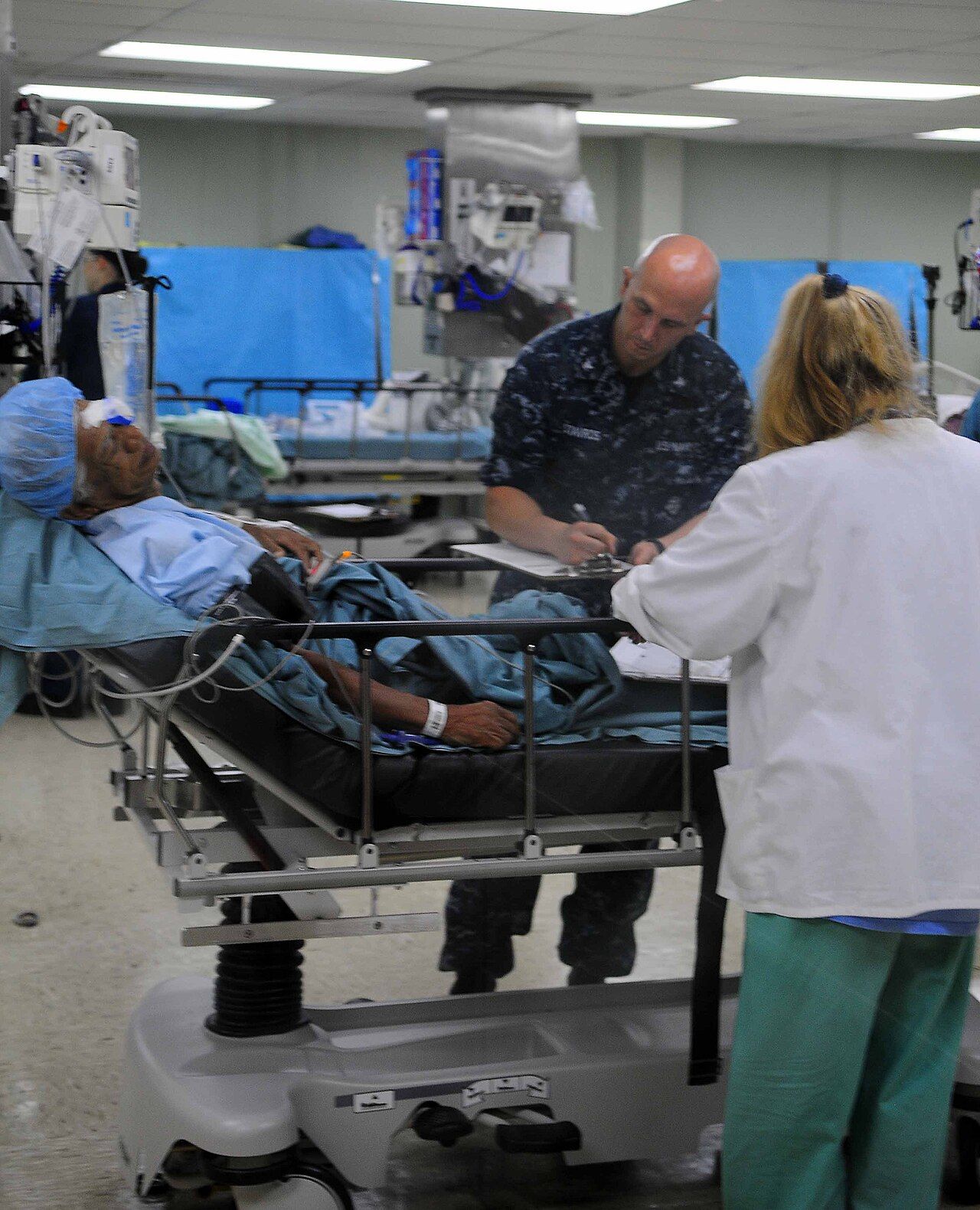
The most common complication in the postanaesthesia care unit is airway obstruction, and the most common cause is the tongue falling back against the posterior pharynx in a patient whose muscle tone has not returned. The findings are snoring or crowing respirations, paradoxical see-saw chest and abdominal movement, use of accessory muscles, and a falling oxygen saturation — and by the time the saturation falls, obstruction has already been present for a while. The first action is a physical airway manoeuvre: stimulate the patient, reposition the head, and perform a chin lift or jaw thrust. Then suction, then supplemental oxygen, then an oral or nasal airway, then call anaesthesia. Notice the order — a question that offers “increase the oxygen” and “perform a jaw thrust” is asking whether you know that oxygen delivered above an obstruction goes nowhere.
Other airway threats: laryngospasm, presenting with stridor or a completely silent airway with vigorous effort, treated with positive pressure, jaw thrust and, if needed, a small dose of succinylcholine; laryngeal oedema after difficult intubation or a long prone case; bronchospasm in the asthmatic; residual neuromuscular blockade, tested at the bedside by asking the patient to lift the head off the pillow for five seconds or squeeze your hand; and opioid-induced respiratory depression, in which the respiratory rate falls and the tidal volume shrinks. Remember the sequence: sedation precedes respiratory depression. A patient who is difficult to rouse but still breathing 12 times a minute is already in trouble. Use a sedation scale, stop the opioid, stimulate, oxygenate, and give naloxone in small diluted increments titrated to respiration — a full ampoule pushed fast produces agonising pain, hypertension, vomiting and, occasionally, flash pulmonary oedema.
Position the recovering patient on their side or with the head turned to the side unless contraindicated, so that if they vomit it drains out rather than in. Keep suction assembled and working at the head of every bed.
Circulation, bleeding, and the vital signs that lie
Once the airway is secure, work circulation. Hypotension in the PACU is most often hypovolaemia — from fasting, insensible losses, third-spacing and blood loss — but also comes from residual anaesthetic vasodilation, sympathetic blockade from a spinal, cardiac dysfunction, and rarely adrenal insufficiency or anaphylaxis. Hypertension is usually pain, a full bladder, hypoxia, hypercarbia or the patient’s own withheld antihypertensives.
The critical concept for haemorrhage is that the young, healthy patient compensates, and their vital signs lie to you until they do not. The sequence is: anxiety and restlessness first (a hypoxic brain is an agitated brain), then tachycardia, then a narrowing pulse pressure as the diastolic rises with vasoconstriction, then cool clammy pale skin and delayed capillary refill, then falling urine output, and only last a falling systolic blood pressure. A blood pressure that has finally dropped means the patient has already lost roughly 30 per cent or more of their blood volume. Restlessness in a postoperative patient is a respiratory and haemodynamic finding until you have proven otherwise — it is not a request for lorazepam.
Assess bleeding directly. Look at the dressing, then slide your hand underneath the patient, because blood runs downhill and a dry-looking abdominal dressing can sit above a soaked bed. Mark and time the border of any drainage so the next nurse can measure progression. Measure drain output. Check that a haemovac or Jackson-Pratt drain is actually compressed and holding suction; an uncompressed drain measures nothing and drains nothing. Reinforce the initial dressing rather than changing it — the first dressing change after surgery is generally performed by the surgeon — and notify. Expect urine output of at least 0.5 mL/kg per hour, roughly 30 mL per hour in an average adult; less than that for two consecutive hours is reportable.
Pain, nausea, shivering and emergence delirium
Manage pain multimodally so that opioids are the smallest part of the plan. Scheduled acetaminophen (maximum 4 g per day, and 3 g or less in older adults, low body weight or hepatic disease) plus an NSAID such as ketorolac (15 to 30 mg intravenously every six hours, limited to five days total, reduced dose in patients 65 and over, under 50 kg, or with renal impairment; avoided in some bowel anastomoses and in active bleeding) plus a regional block covers a remarkable amount of postoperative pain. Reserve opioids for breakthrough, and monitor sedation and respiratory rate every time you give one. Avoid meperidine for routine analgesia: its metabolite normeperidine accumulates and causes tremor, myoclonus and seizures, especially in older adults and renal impairment. Low-dose meperidine remains a standard treatment for postanaesthesia shivering, which is a different indication entirely.
Postoperative nausea and vomiting is not a nuisance; retching pops staples, raises intracranial and intraocular pressure and causes aspiration. Risk is scored by the Apfel criteria — female sex, non-smoker, history of PONV or motion sickness, and expected postoperative opioids — and prophylaxis is layered accordingly: ondansetron 4 mg intravenously, dexamethasone 4 to 8 mg at induction, scopolamine transdermally (an anticholinergic to be avoided in older adults and in glaucoma), and droperidol or aprepitant in selected cases. Promethazine is a vesicant and can cause severe tissue injury with extravasation or inadvertent arterial injection; many facilities restrict it. Keep the patient still, cool the room, avoid strong odours, and advance oral intake slowly.
Emergence delirium — thrashing, disorientation, agitation — is common and usually self-limited, but the nurse’s first move is not restraint or sedation. Rule out hypoxia, hypercarbia, hypoglycaemia, hypotension, a distended bladder and pain, in that spirit. Then orient, reduce stimulation, protect the airway and lines, and stay with the patient. Restraints are a last resort with an order and a documented failure of alternatives.
Handoff, Aldrete scoring and discharge from PACU
Handoff from anaesthesia to the PACU nurse is a structured, uninterrupted report: procedure performed, anaesthetic type and agents, reversal agents given, airway difficulty, estimated blood loss and fluids and blood products given, urine output, medications given including antibiotics and analgesia and the times, allergies, comorbidities, complications, drains and lines, and the plan. The PACU nurse then reports out to the receiving unit in the same structured way. Use SBAR and expect the receiving nurse to ask questions.
Readiness for discharge from Phase I recovery is documented with the modified Aldrete score: activity, respiration, circulation, consciousness and oxygen saturation, each scored 0, 1 or 2, for a maximum of 10. Most facilities require a score of 9 or greater, with stable vital signs at or near baseline, a patent airway with adequate ventilation on room air or the patient’s baseline oxygen, controlled pain and nausea, no active bleeding, adequate urine output, and normothermia. Patients who received spinal anaesthesia additionally need documented return of sensation and motor function, and outpatients typically need to be able to ambulate, tolerate fluids and, in many settings, void, with a responsible adult to drive them home.
| Modified Aldrete component | 2 points | 1 point | 0 points |
|---|---|---|---|
| Activity | Moves all four extremities on command | Moves two extremities | Moves none |
| Respiration | Breathes deeply, coughs freely | Dyspnoea or shallow, limited breathing | Apnoeic |
| Circulation | Blood pressure within 20 per cent of preop | Within 20 to 49 per cent of preop | 50 per cent or more from preop |
| Consciousness | Fully awake | Rousable on calling | Not responding |
| Oxygen saturation | Over 92 per cent on room air | Needs oxygen to keep above 90 per cent | Under 90 per cent even with oxygen |
In the postanaesthesia care unit the order is airway, then breathing, then circulation, then comfort — and restlessness is a sign of hypoxia or haemorrhage until you have proven it is pain.
Section 5Postoperative Unit Care: Complications, Recovery and Discharge
Pulmonary: atelectasis, pneumonia and the postoperative fever timeline
Atelectasis is alveolar collapse, and after surgery it is nearly universal. General anaesthesia reduces functional residual capacity, the diaphragm sits higher in a supine patient, opioids reduce tidal volume and suppress sighing, and pain makes a patient with an upper abdominal or thoracic incision refuse to take a deep breath. Collapsed alveoli are perfused but not ventilated, so the patient shunts and desaturates. Findings are diminished or absent breath sounds in the bases and fine crackles that typically clear, or markedly diminish, with coughing, deep breathing or a change of position, because the collapsed alveoli re-open — crackles that do not clear point away from simple atelectasis and toward pulmonary oedema, pneumonia or interstitial disease, which is exactly what the day-three patient re-absorbing third-spaced fluid has — together with tachypnoea, low-grade temperature and a falling oxygen saturation. Prevention and treatment are the same thing: incentive spirometry ten breaths hourly while awake, deep breathing and splinted coughing, adequate analgesia so the patient can breathe deeply, sitting upright, and early and frequent ambulation. Untreated atelectasis becomes postoperative pneumonia around day three to five, with productive cough, purulent sputum, fever over 38.3 degrees Celsius, leucocytosis and an infiltrate on chest radiograph.
The classic fever timeline — the five Ws — is worth carrying, with one honest caveat: modern evidence suggests early fever is usually the inflammatory stress response rather than atelectasis itself. The timeline still reliably tells you where to look.
| Postoperative day | “W” | Most likely source | What you assess |
|---|---|---|---|
| 0–2 | Wind | Inflammatory response, atelectasis, early pneumonia | Breath sounds, oxygen saturation, spirometry use, cough |
| 3–5 | Water | Urinary tract infection, often catheter-related | Urine clarity and odour, dysuria, suprapubic pain, catheter necessity |
| 4–6 | Walking | Deep vein thrombosis and pulmonary embolism | Calf pain and asymmetry, sudden dyspnoea, chest pain, tachycardia |
| 5–7 | Wound | Surgical site infection | Erythema, warmth, induration, purulent drainage, increasing pain |
| 7 and beyond | Wonder drugs / What did we do | Drug fever, central line infection, Clostridioides difficile, abscess | Medication list, line sites, stool pattern, deep collections |
Vascular: venous thromboembolism, pulmonary embolism and late bleeding
Surgery satisfies all three legs of Virchow’s triad: venous stasis from immobility and positioning, endothelial injury from the operation itself and from calf compression on the table, and hypercoagulability from the acute-phase response. Risk multiplies with orthopaedic surgery of the hip and knee, pelvic and abdominal cancer surgery, obesity, prior venous thromboembolism, oestrogen therapy and prolonged operative time. Prophylaxis is mechanical and pharmacological: sequential compression devices applied before induction and worn whenever in bed, graduated compression stockings, ambulation on the day of surgery when possible, and enoxaparin 40 mg subcutaneously daily (30 mg every 12 hours in many joint-replacement protocols) or unfractionated heparin 5,000 units subcutaneously every 8 to 12 hours. Never massage a calf that hurts.
Pulmonary embolism presents suddenly: dyspnoea out of nowhere, pleuritic chest pain, tachypnoea, tachycardia, hypoxia, sometimes haemoptysis, and very often an overwhelming sense of impending doom that the patient will describe before the monitor shows anything. Your first actions are nursing actions: raise the head of the bed to high Fowler position, apply high-flow oxygen, stay with the patient, obtain vital signs and oxygen saturation, call the rapid response team and notify the provider. Anticipate a CT pulmonary angiogram, anticoagulation with heparin, and in massive embolism thrombolysis or embolectomy. A related entity after long-bone or pelvic fracture is fat embolism syndrome, typically 24 to 72 hours after injury, with hypoxaemia, confusion out of proportion and a petechial rash across the chest, axillae and conjunctivae.
Late bleeding on the unit shows up as tachycardia, falling haemoglobin, a distended tense abdomen after abdominal surgery, an expanding neck swelling after thyroid or carotid surgery (an airway emergency — keep a tracheostomy tray at the bedside after thyroidectomy), or brisk drain output. Trend the haemoglobin and haematocrit, but remember that in acute haemorrhage the haemoglobin lags because the patient loses whole blood; a normal haemoglobin 30 minutes into a bleed is not reassurance.
Gastrointestinal, genitourinary and the wound
Paralytic ileus is the temporary arrest of coordinated peristalsis after bowel handling, anaesthesia, opioids, immobility and electrolyte derangement — particularly hypokalaemia. Normal return of motility is staged: small intestine within hours, stomach in 24 to 48 hours, and colon in 3 to 5 days, which is why the passage of flatus is the milestone everyone waits for. Ileus is diagnosed when that does not happen: absent or hypoactive bowel sounds, abdominal distension and tympany, nausea and vomiting, no flatus or stool. Management is supportive — NPO or clear liquids, nasogastric decompression to low intermittent suction if vomiting or marked distension, correction of potassium and magnesium, minimising opioids in favour of multimodal analgesia, and ambulation, which genuinely works. Distinguish ileus from mechanical small-bowel obstruction, which produces high-pitched hyperactive bowel sounds proximal to the blockage early on, colicky pain and, if strangulation develops, fever, tachycardia and peritoneal signs. Advance diet only after bowel function returns and never against the surgeon’s order.
Postoperative urinary retention follows anaesthesia, anticholinergics, opioids, pelvic surgery and simply being unable to void lying flat with a stranger in the room. The patient should void within six to eight hours of surgery or catheter removal. Suprapubic fullness, restlessness, small frequent voids and lower abdominal discomfort are the findings; the assessment is a bladder scan, not a straight catheter, because the scan is non-invasive and tells you the answer. Try privacy, running water, warm perineal water, upright positioning and ambulation first; intermittent catheterisation follows facility thresholds, commonly a scanned residual over 300 to 500 mL. Remove indwelling catheters as early as possible — every catheter day is a urinary tract infection risk.
Wounds heal by primary intention when edges are approximated, by secondary intention when a defect granulates in, or by tertiary intention when a contaminated wound is deliberately left open and closed later. Drainage progresses in a predictable order: sanguineous (bright red, first hours) to serosanguineous (pink, watery) to serous (clear straw) — and any drainage that goes backward in that sequence or becomes thick, opaque, malodorous and purulent means infection. Surgical site infection typically declares itself around day 3 to 7 with fever, increasing rather than decreasing incisional pain, erythema extending beyond the wound margin, warmth, induration and purulent drainage.
Dehiscence is separation of the wound layers, classically postoperative day 4 to 14 and most often 5 to 10, when the wound has lost the strength of sutures and has not yet gained collagen strength. It is often heralded by a sudden gush of serosanguineous drainage or by the patient saying “something gave way.” Evisceration is protrusion of viscera through the separation and is a surgical emergency. Your actions, in order: stay with the patient and call for help; place them in low Fowler position with the knees bent to reduce abdominal tension; cover the protruding tissue with sterile gauze moistened with sterile normal saline and keep it moist; do not attempt to replace the organs; keep the patient NPO; take vital signs and monitor for shock; notify the surgeon and prepare for the operating room. Risk factors are obesity, malnutrition, diabetes, steroids, infection, coughing, vomiting and straining — which is exactly why splinting, antiemetics and stool softeners are part of wound care.
The older adult, delirium, delegation and discharge
The older surgical patient is not a young patient with grey hair. Cardiac reserve is reduced and the stiff ventricle depends on preload, so both over-resuscitation and dehydration are poorly tolerated. Glomerular filtration falls with age even when the creatinine looks normal, because there is less muscle to make creatinine — so a creatinine of 1.1 mg/dL in an 82-year-old may represent substantially reduced clearance and mandates renal dosing. Chest wall compliance and cough strength fall, raising atelectasis and aspiration risk. Thermoregulation is blunted, so hypothermia comes faster and lasts longer. Skin is thinner and pressure injuries develop in hours, not days. Polypharmacy and the Beers criteria matter: benzodiazepines, anticholinergics such as diphenhydramine and scopolamine, and meperidine are all deliriogenic and are avoided.
Presentation is atypical, and this is where students are caught. Myocardial infarction may present as dyspnoea, fatigue, syncope or confusion with no chest pain at all. Infection may present with a normal temperature and a new confusion, because the febrile response is blunted — a temperature of 37.6 degrees Celsius in a frail 85-year-old may represent a significant fever. And delirium is frequently the first sign of anything going wrong: hypoxia, hypoglycaemia, urinary retention, uncontrolled pain, infection, a new medication. Screen with the Confusion Assessment Method and look for the acute onset with fluctuating course, inattention, and either disorganised thinking or altered level of consciousness. Remember that hypoactive delirium — the quiet, withdrawn, sleepy patient — is more common than the agitated form, carries a worse prognosis, and is the one that gets missed because a quiet patient does not generate a call light. Prevention is not pharmacological: orient frequently, restore glasses and hearing aids, get the patient up and into daylight, protect sleep, treat pain adequately, hydrate, remove tethers such as catheters and telemetry leads that are no longer needed, and involve family.
Delegation on a busy postoperative floor is a competency, not an afterthought. Unlicensed assistive personnel may take and report vital signs on stable patients, assist with ambulation and positioning that is already established, apply sequential compression devices, record intake and output, provide hygiene and oral care, remind and coach a patient who has already been taught incentive spirometry, and report findings to you. They may not assess, teach, evaluate, or care for an unstable patient. Licensed practical or vocational nurses may gather data and monitor stable patients, reinforce teaching you have already provided, perform routine dressing changes and sterile procedures per policy, insert catheters, administer most oral and subcutaneous and intramuscular medications, and monitor infusions per state scope. The registered nurse retains the initial and ongoing assessment, the plan of care, all teaching and evaluation, blood product administration, intravenous push medications and titrated drips in most settings, care of the unstable patient, and the witnessing of consent. When you are handed a five-option delegation question, ask which option requires nursing judgement — that one stays with you.
| Red flag | What it likely means | Do first |
|---|---|---|
| Snoring or paradoxical breathing after anaesthesia | Airway obstruction by the tongue | Stimulate, chin lift or jaw thrust, suction, then oxygen; call anaesthesia |
| Rising end-tidal CO₂, masseter rigidity, tachycardia intraoperatively | Malignant hyperthermia | Stop trigger agents, 100 per cent oxygen, dantrolene 2.5 mg/kg, cool, call for the MH cart |
| Restlessness plus tachycardia plus narrowing pulse pressure | Occult haemorrhage / early hypovolaemic shock | Check dressing and underneath the patient, vital signs, oxygen, fluids, notify surgeon |
| Sudden dyspnoea with pleuritic pain and a sense of doom | Pulmonary embolism | High Fowler, high-flow oxygen, stay with patient, rapid response |
| Gush of serosanguineous drainage on day 5–10 | Impending wound dehiscence | Low Fowler with knees flexed, sterile saline-moistened gauze, NPO, call surgeon |
| Urine output under 0.5 mL/kg per hour for two hours | Hypovolaemia, obstruction, or acute kidney injury | Assess volume and catheter patency, bladder scan, notify provider |
| New back pain with leg weakness in a patient with an epidural | Epidural haematoma | Hold anticoagulant, notify anaesthesia immediately, urgent MRI — decompression is time-critical |
| New confusion in an older postoperative adult | Hypoxia, hypoglycaemia, pain, retention or infection | Oxygen saturation, glucose, pain score, bladder scan before any sedative |
An SBAR escalation for the fourth of these sounds like this. Situation: “This is Marcus Vela, RN, on 5 East. I’m calling about Mrs Okonkwo in 512, postoperative day four from a right hemicolectomy. She has sudden shortness of breath and chest pain.” Background: “She is 71, has hypertension and obesity, and has been on enoxaparin prophylaxis but has ambulated only twice since surgery.” Assessment: “Heart rate 124 and regular, respirations 32, blood pressure 98 over 62, oxygen saturation 86 per cent on room air and 92 per cent on 6 litres, lungs clear, right calf is warm and 3 cm larger than the left. I think she has a pulmonary embolus.” Recommendation: “I have her in high Fowler on oxygen and I’ve called rapid response. I need you to come now, and I’d like orders for a CT pulmonary angiogram and therapeutic anticoagulation.” Notice that the nurse acted first and called second, and that the recommendation is specific.
Finally, discharge teaching is not the last ten minutes; it starts at the preoperative visit and is reinforced every shift. Cover, using teach-back: incision care and when it may get wet; how to recognise infection — increasing pain, redness spreading, purulent drainage, fever at or above 38 degrees Celsius (100.4 degrees Fahrenheit); activity restrictions including the specific lifting limit, driving restriction while on opioids, and when to resume work and sexual activity; the analgesic plan, including scheduled acetaminophen, safe opioid storage and disposal, and the naloxone kit if one is prescribed; a bowel regimen, because opioids plus reduced mobility plus reduced intake equals constipation and straining that threatens the wound; the anticoagulant plan with dose, duration and bleeding precautions; diet and protein for healing; the signs of venous thromboembolism; the follow-up appointment date; and the specific phone number to call, with a clear statement of what warrants a call and what warrants emergency services. Confirm they have the medications they can afford, a ride, a caregiver and a way to get up the stairs at home. A perfect operation undone by a discharge the patient did not understand is still a failure.
Postoperative deaths come from the lungs, the clot, the bleed, the wound and the missed delirium — and the interventions that prevent them are ambulation, spirometry, prophylaxis, direct wound assessment and a nurse who investigates confusion instead of sedating it.
The chapter in one breath
Surgery is a controlled injury that triggers a predictable neuroendocrine and inflammatory response, and perioperative nursing is the practice of anticipating what that response will do to each organ system. Preoperatively you stratify risk by ASA class, functional capacity, STOP-BANG, nutrition and frailty; you interpret real numbers — haemoglobin, potassium, INR, creatinine, HbA1c, albumin — and you perform the medication reconciliation that decides whether the case is safe: continue beta blockers and statins, hold ACE inhibitors, metformin, SGLT2 inhibitors and GLP-1 agonists, and time anticoagulant holds by drug and renal function. You witness rather than obtain consent, and you stop when the patient does not understand. Fasting is two hours for clears and six to eight for solids, not midnight for everyone. Intraoperatively you protect the unconscious patient: correct site through the time out, correct counts, protected nerves and skin, normothermia, prophylactic antibiotic within an hour of incision, and instant recognition that rising end-tidal carbon dioxide means malignant hyperthermia and dantrolene. In recovery, the order is airway, breathing, circulation, comfort — and restlessness means hypoxia or bleeding until proven otherwise. On the unit you prevent atelectasis and embolism with spirometry, prophylaxis and ambulation; you recognise ileus, retention, dehiscence and infection; and in the older adult you treat new confusion as a symptom to investigate, never a personality to sedate.
Words worth knowing
| Term | What it means |
|---|---|
| ASA physical status | A six-class rating of a patient’s systemic health used to communicate anaesthetic risk; an “E” suffix marks an emergency case. |
| Aldrete score | A five-item, ten-point tool (activity, respiration, circulation, consciousness, oxygen saturation) used to document readiness for discharge from Phase I recovery; commonly 9 or more is required. |
| Atelectasis | Collapse of alveoli producing shunting, hypoxaemia, diminished breath sounds and fine crackles that clear with coughing or deep breathing; near-universal after general anaesthesia and prevented by deep breathing and mobility. |
| Circulating nurse | The unscrubbed registered nurse who manages the operating room, verifies consent and counts, positions and preps the patient, documents, and advocates for the anaesthetised patient. |
| Dantrolene sodium | The only specific treatment for malignant hyperthermia; a direct skeletal-muscle relaxant given at 2.5 mg/kg intravenous push and repeated as needed. |
| Dehiscence | Separation of surgical wound layers, most often on postoperative days 5 to 10, often preceded by a sudden gush of serosanguineous drainage. |
| Enhanced Recovery After Surgery (ERAS) | An evidence bundle that shortens fasting, uses multimodal opioid-sparing analgesia, goal-directed fluids, active warming, early feeding and early ambulation. |
| Evisceration | Protrusion of abdominal viscera through a dehisced wound; a surgical emergency managed with low Fowler position, knees flexed, and sterile saline-moistened gauze. |
| Informed consent | The provider’s legal duty to explain diagnosis, procedure, risks, benefits and alternatives; the nurse witnesses the signature and verifies voluntariness and competence. |
| Local anaesthetic systemic toxicity (LAST) | Toxicity from intravascular or excessive local anaesthetic, beginning with perioral numbness, tinnitus and metallic taste and progressing to seizure and arrest; treated with intravenous lipid emulsion. |
| Malignant hyperthermia | An inherited hypermetabolic crisis triggered by volatile anaesthetics or succinylcholine; the earliest sign is a rising end-tidal carbon dioxide, and hyperthermia is late. |
| Paralytic ileus | Temporary loss of coordinated peristalsis after abdominal surgery, presenting with distension, absent bowel sounds and no flatus; treated with decompression, electrolyte correction and ambulation. |
| Postoperative urinary retention | Inability to empty the bladder after surgery, assessed with a bladder scanner and often requiring intermittent catheterisation above facility thresholds. |
| Rapid sequence induction | Rapid induction with a fast-acting agent and neuromuscular blocker, used in full-stomach patients to minimise the interval of unprotected airway. |
| STOP-BANG | An eight-item obstructive sleep apnoea screen; three or more positives predicts higher risk and mandates cautious opioid use and continuous oximetry. |
| Succinylcholine | A depolarising neuromuscular blocker with rapid onset and offset, contraindicated in hyperkalaemia, burns, crush injury and denervating disease, and a malignant hyperthermia trigger. |
| Surgical count | The audible, mutual tally of sponges, sharps and instruments by the scrub person and circulating nurse before, during and at the end of a case to prevent retained items. |
| Time out | The mandatory pause immediately before incision in which the entire team stops and confirms patient, procedure, site, side, position and required equipment. |
| Virchow’s triad | Stasis, endothelial injury and hypercoagulability — the three conditions for thrombosis, all of which surgery supplies at once. |
| Wound drainage sequence | Sanguineous to serosanguineous to serous over the first days; regression toward bloody or progression to purulent signals bleeding or infection. |