Infection, Sepsis and the Immunocompromised Patient
Infection is the one problem that will follow you into every room on a med-surg floor. It arrives as a post-operative wound that suddenly smells wrong, as a urinary catheter that should have come out two days ago, as an oncology patient whose only complaint is that she feels “a little off,” and as the eighty-four-year-old who is not febrile at all but is confused for the first time in his life. Sepsis is the deadliest thing that happens on general medical-surgical units, and it is deadly largely because it is recognised late. This chapter builds the reasoning from the inside out: why a pathogen produces the vital signs you see, how the laboratory confirms or refutes your suspicion, what must happen in the first hour, which antimicrobials demand which monitoring, and how all of it changes when the patient’s immune system has been removed by disease, by chemotherapy or by a bottle of prednisone.
By the end of this chapter you can
- Explain how pathogen-associated molecular patterns, cytokines and capillary leak generate the fever, tachycardia, hypotension and oliguria of infection.
- Break the chain of infection at the correct link and select the right transmission-based precautions for a named organism.
- Interpret the white blood cell count with differential, the left shift, lactate, procalcitonin and C-reactive protein using real reference ranges.
- Collect blood cultures correctly and sequence them against the first antibiotic dose.
- Apply the Hour-1 sepsis bundle and defend the order of your actions using ABC and unstable-over-stable logic.
- Differentiate sepsis from septic shock and titrate care to a mean arterial pressure of at least 65 mmHg.
- Match antimicrobial drug classes to their mechanism, their toxicities and the monitoring that matters, including vancomycin and the aminoglycosides.
- Calculate an absolute neutrophil count and manage neutropenic fever as a true emergency.
- Adjust assessment and teaching for the older adult and delegate infection-related tasks safely to LPN and UAP.
Section 1Infection, Host Defence and the Chain of Transmission
Why infection looks the way it does
An organism becomes a clinical problem only when it crosses a barrier and multiplies faster than the host can clear it. What happens next is not the microbe attacking you; it is your own immune system responding. Bacterial cell walls, flagella and DNA carry repeating molecular signatures called pathogen-associated molecular patterns. Tissue macrophages and dendritic cells recognise these signatures through toll-like receptors and release the first wave of cytokines: tumour necrosis factor alpha, interleukin-1 and interleukin-6. Every classic sign of infection traces back to that wave.
Interleukin-1 and interleukin-6 travel to the hypothalamus and drive prostaglandin E2 synthesis, which raises the thermoregulatory set point. The body is not simply hot; it now believes 39 degrees Celsius is correct, which is why the patient shivers, complains of cold and pulls up blankets while the thermometer climbs. Rigors are the muscular work of reaching the new set point. When the set point falls — spontaneously or after antipyretics — the patient diaphoreses. This is also why covering a rigoring patient with warm blankets is humane rather than counterproductive: you are not fighting the fever, you are letting the set point do its work while you treat the cause.
The same cytokines make endothelium leaky and vasodilated. Locally that produces the four cardinal signs Celsus described: redness and heat from vasodilation, swelling from plasma leaking into the interstitium, pain from bradykinin and prostaglandins on nociceptors. Neutrophils marginate, roll along the activated endothelium, squeeze between cells and phagocytose; the residue of that battle is pus. Systemically the identical process produces warm flushed skin, a bounding pulse, a widened pulse pressure and a falling blood pressure — the paradox of a patient who looks pink and feels warm while perfusing poorly. Understanding that one mechanism spares you from memorising two separate lists of manifestations.
The chain of infection and where nursing breaks it
Six links must connect for transmission to occur: an infectious agent, a reservoir where it lives, a portal of exit, a mode of transmission, a portal of entry and a susceptible host. Nursing practice is essentially a set of deliberate attacks on specific links. Sterilising instruments attacks the agent. Changing the bed of a patient with draining wounds attacks the reservoir. Covering a cough attacks the portal of exit. Hand hygiene attacks the mode of transmission and is the highest-yield intervention available to you. Removing an indwelling urinary catheter or a peripheral IV attacks the portal of entry. Immunisation, glycaemic control and nutrition attack host susceptibility.
The World Health Organization’s five moments for hand hygiene are the operational form of this reasoning: before touching a patient, before a clean or aseptic procedure, after body fluid exposure risk, after touching a patient, and after touching the patient’s surroundings. That last moment is the one most often skipped and the one that seeds outbreaks, because bed rails, pumps and keyboards are reservoirs. Alcohol-based rub is preferred for routine decontamination because it is faster, more effective against most vegetative bacteria and gentler on skin than soap. Soap and water are required when hands are visibly soiled and when the organism forms spores — Clostridioides difficile and Bacillus anthracis — because alcohol does not kill spores; the friction and rinsing physically remove them.
Healthcare-associated infection and the bundles
Roughly one hospitalised patient in thirty-one carries a healthcare-associated infection on any given day, and four categories dominate med-surg practice: central line-associated bloodstream infection, catheter-associated urinary tract infection, ventilator-associated pneumonia and surgical site infection. These are treated as preventable events, which means the interventions are bundled, audited and, in most institutions, nurse-driven. Bundles work only when every element is performed every time; partial compliance produces most of the burden and none of the benefit.
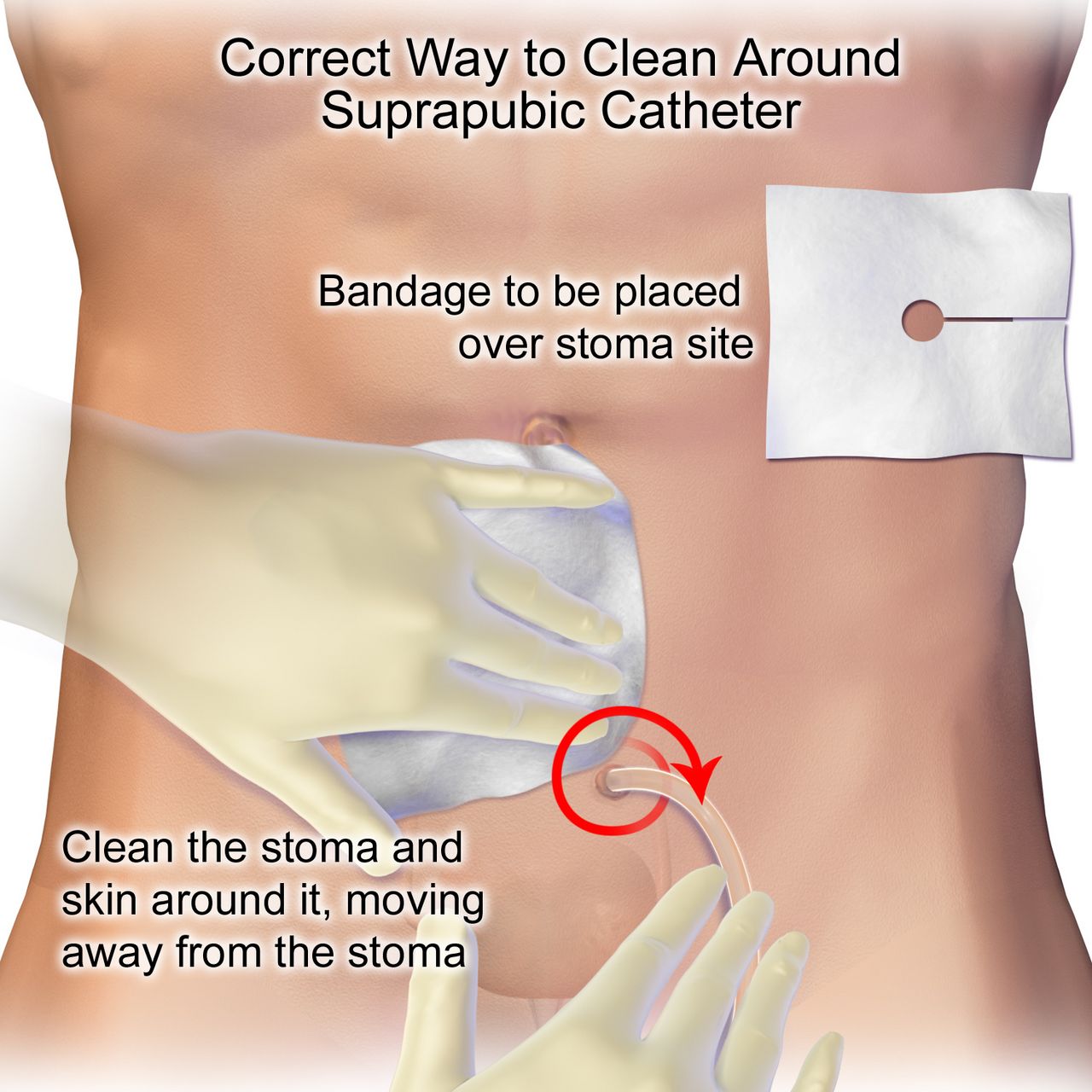
For central lines: full-barrier precautions at insertion, chlorhexidine skin antisepsis, avoidance of the femoral site, scrub the hub for at least fifteen seconds with alcohol or chlorhexidine before every access, sterile dressing changes every seven days for transparent dressings or every two days for gauze, and daily review of whether the line is still needed. For urinary catheters: insert only for accepted indications, maintain a closed system, keep the bag below the level of the bladder and off the floor, secure the tubing to prevent traction, and remove the catheter as early as possible — the single strongest predictor of catheter-associated infection is duration. For ventilated patients: head of bed elevated 30 to 45 degrees, daily sedation interruption and spontaneous breathing trials, oral care with chlorhexidine per protocol, and subglottic suctioning. For surgical patients: appropriate prophylactic antibiotic within sixty minutes before incision (120 minutes for vancomycin and fluoroquinolones), normothermia, glucose control and clippers rather than razors for hair removal.
Standard and transmission-based precautions
Standard precautions apply to every patient regardless of diagnosis and assume that all blood, body fluids, secretions, excretions except sweat, non-intact skin and mucous membranes may be infectious. Transmission-based precautions layer on top of — never instead of — standard precautions. Selecting them correctly is a reliable NCLEX item and a reliable source of real harm when it is done wrong, because a patient with pulmonary tuberculosis placed on droplet precautions exposes an entire unit.
| Precaution | Room and equipment | Personal protective equipment | Representative organisms |
|---|---|---|---|
| Contact | Private room or cohort; dedicated stethoscope and cuff | Gown and gloves on entry | MRSA, VRE, ESBL and CRE organisms, scabies, RSV, draining wounds |
| Contact plus (enteric) | Private room; sporicidal bleach cleaning | Gown and gloves; soap-and-water hand hygiene | C. difficile, norovirus |
| Droplet | Private room; door may remain open; mask patient for transport | Surgical mask within about six feet; eye protection for splash | Influenza, pertussis, Neisseria meningitidis, mumps, rubella, group A streptococcal pharyngitis |
| Airborne | Negative-pressure airborne infection isolation room, at least six to twelve air exchanges per hour, door closed | Fit-tested N95 or higher respirator | Tuberculosis, measles, varicella, disseminated herpes zoster |
| Protective environment | Positive-pressure room, HEPA filtration, no plants or standing water | Standard PPE; mask the patient outside the room | Allogeneic haematopoietic stem cell transplant recipients |
Every sign of infection is the host response made visible, and every routine nursing act — hand hygiene, hub scrub, early catheter removal, correct isolation — is a deliberate cut through one link of the chain of infection.
Section 2Recognising Infection: Assessment, Laboratory and Cultures
The bedside assessment: trends beat single numbers
Infection is usually announced by a trend rather than by a threshold. A heart rate that has drifted from 78 to 96 to 112 over three sets of vital signs is more informative than one reading of 112, and a respiratory rate that has crept from 16 to 24 is the earliest and most neglected vital sign in deterioration. Tachypnoea appears early because rising lactate is buffered by bicarbonate, producing carbon dioxide that the patient must blow off; the respiratory system compensates before the blood pressure fails. This is why counting respirations for a full minute, rather than copying the monitor, catches sepsis hours ahead of hypotension.
Fever is defined as a single oral temperature of 38.3 degrees Celsius (101 degrees Fahrenheit) or higher, or a temperature of 38.0 degrees Celsius (100.4 degrees Fahrenheit) sustained for at least one hour. Hypothermia below 36.0 degrees Celsius (96.8 degrees Fahrenheit) in a patient who looks unwell is more ominous than fever, not less, because it signals a host response that has failed. Assess mental status every shift and compare it to the family’s description of baseline; new confusion, lethargy or agitation is organ dysfunction of the brain. Then localise: lungs (cough, sputum change, crackles, falling saturation), urine (dysuria, frequency, flank or suprapubic pain, cloudy or malodorous urine), skin and wounds (erythema extending beyond the incision, purulent drainage, dehiscence, tenderness out of proportion), lines (insertion-site erythema, tenderness, purulence), abdomen (distension, absent bowel sounds, rebound) and the mouth and perineum, which are the two areas students most often skip.
Many units run an automated screening score — MEWS, NEWS2 or a sepsis alert — that fires on combinations of temperature, heart rate, respiratory rate, blood pressure, oxygen saturation and level of consciousness. Treat a positive screen as a mandate to lay eyes on the patient within minutes, not as a task to acknowledge in the chart. Treat a negative screen as no reassurance at all when your assessment says otherwise; scores miss the atypical presentations that kill.
Reading the laboratory picture
The white blood cell count with differential is the starting point but it is frequently misread. Leukocytosis supports infection; leukopenia in an acutely ill patient supports overwhelming infection or marrow failure and is a worse prognostic sign. What matters most is the differential. Neutrophils are produced and released in stages; under demand the marrow discharges immature band forms. When bands exceed about 10 percent of the differential — bandemia, the “left shift” — the marrow is being driven hard, and a left shift can be present when the total count is still normal. A patient with a white count of 9,000 and 18 percent bands is more infected than a patient with a count of 14,000 and no bands.
| Test | Usual adult reference range | What it tells you |
|---|---|---|
| White blood cells | 5,000–10,000 cells/mm³ (some labs 4,500–11,000) | High supports infection; low in an ill patient is more worrying |
| Neutrophils (segs) | 55–70 percent | Rise with bacterial infection |
| Bands | 0–5 percent | Over 10 percent equals left shift, a stressed marrow |
| Absolute neutrophil count | Above 1,500 cells/mm³ | Under 1,500 is neutropenia; under 1,000 is moderate; under 500 is severe |
| Lactate | 0.5–2.0 mmol/L | Above 2 signals stress or hypoperfusion; 4 or above signals tissue hypoperfusion and higher mortality |
| Procalcitonin | Under 0.5 ng/mL | Rises with bacterial infection, not with viral illness; used mainly to support stopping antibiotics |
| C-reactive protein | Under 10 mg/L (under 1 mg/dL) | Sensitive but non-specific acute-phase marker; useful for trend |
| Erythrocyte sedimentation rate | Men under 15–20 mm/hr; women under 20–30 mm/hr | Slow to rise and slow to fall; better for chronic inflammation such as osteomyelitis |
| Creatinine | 0.6–1.2 mg/dL | Rising value equals renal organ dysfunction |
| Platelets | 150,000–400,000/mm³ | Falling count in sepsis suggests consumption and possible DIC |
| Bilirubin (total) | 0.3–1.0 mg/dL | Rising value equals hepatic organ dysfunction |
Lactate deserves its own sentence of caution. It is treated as a marker of anaerobic metabolism, but it also rises from catecholamine-driven glycolysis, from impaired hepatic clearance and from albuterol, metformin and seizures. That does not make it useless — a lactate above 2 mmol/L in a patient with suspected infection independently predicts mortality — but it means you interpret it beside the patient, and you repeat it. A lactate that falls after fluid is reassuring; a lactate that climbs from 2.6 to 4.8 despite resuscitation is a call to the provider whether or not the blood pressure has moved.
Cultures, collected correctly
Cultures are the difference between guessing and knowing, and the nurse controls their quality. Draw two sets of blood cultures from two separate venipuncture sites, each set consisting of an aerobic and an anaerobic bottle, with 8 to 10 mL of blood per bottle in adults. Volume is the strongest determinant of yield; under-filled bottles are the commonest reason a true bacteraemia is missed. Disinfect the skin with chlorhexidine-alcohol and let it dry fully, scrub the bottle tops with alcohol, and do not palpate the site after prep unless you re-glove. If a central line is present, one set may be drawn through the line and one peripherally so the laboratory can compare time to positivity and decide whether the line itself is the source.
Cultures go before antibiotics — but they never delay antibiotics in a patient with septic shock. The working standard is that culture collection should not push the first dose beyond about 45 minutes. If you cannot obtain access, you say so out loud and the antibiotic goes in. Collect urine from the sampling port of a catheter after cleaning it, never from the drainage bag, and change a catheter that has been in more than two weeks before culturing. Expectorated sputum should be deep-cough material, not saliva; a specimen with abundant squamous epithelial cells will be rejected. Wound cultures are taken from viable tissue after cleansing with normal saline, not by swabbing surface slough or pus, which grows colonisers.
Then interpret with judgement. A single blood culture bottle growing coagulase-negative staphylococcus at 48 hours in a well patient is usually skin contamination; the same organism in both sets from a patient with a tunnelled catheter is real. Bacteria in the urine of an asymptomatic older adult is asymptomatic bacteriuria and should not be treated — treating it drives resistance and C. difficile without improving anything. Colonisation is presence; infection is presence plus host response.
The older adult presents differently — expect it
Baseline temperature falls with age, so an older adult’s “normal” may be 36.4 degrees Celsius and a temperature of 37.8 degrees Celsius (100 degrees Fahrenheit) may represent a substantial fever. Up to half of frail older adults with serious infection never mount a temperature above 38 degrees Celsius at all. Use the geriatric definitions: a persistent oral temperature above 37.2 degrees Celsius (99 degrees Fahrenheit), a rectal temperature above 37.5 degrees Celsius, or a rise of 1.1 degrees Celsius (2 degrees Fahrenheit) over the patient’s own baseline is significant.
What appears instead is functional: new confusion or delirium, a fall, incontinence in a previously continent patient, anorexia, weakness, or simply “she is not herself.” Delirium is an infection until proven otherwise in a hospitalised older adult. Beta blockers blunt the tachycardia you expect, so a heart rate of 88 may already be relative tachycardia. Chronic hypertension shifts the autoregulatory curve, so a systolic pressure of 110 in a patient who usually runs 165 is functional hypotension even though it clears every threshold on the screening tool. The lesson is not that older adults are confusing; it is that you must know their baseline before the shift begins.
Trends in respiratory rate and mental status, a differential with bands, a lactate above 2 mmol/L and two properly filled sets of blood cultures drawn before antibiotics are what convert a vague suspicion of infection into an actionable diagnosis.
Section 3Sepsis and Septic Shock: the First Hour
From infection to organ failure
Sepsis is defined as life-threatening organ dysfunction caused by a dysregulated host response to infection. Every word carries weight. It is not simply a severe infection; it is a response that has stopped being proportionate and has begun injuring the host. The cytokine storm that was helpful at the wound edge becomes systemic. The endothelial glycocalyx — the sugar-protein layer that keeps vessels sealed — is stripped away, and plasma pours into the interstitium. The patient becomes intravascularly dry and interstitially waterlogged at the same time, which is why she gains six kilograms of oedema while remaining hypotensive.
Simultaneously, inducible nitric oxide synthase floods the vasculature with nitric oxide, producing vasodilation that no longer responds normally to endogenous catecholamines. Systemic vascular resistance falls, cardiac output initially rises, and the classic warm shock appears: warm extremities, brisk capillary refill, bounding pulses and a low diastolic pressure. Meanwhile the coagulation cascade activates, tissue factor is expressed, and microthrombi plug capillary beds while anticoagulant pathways are consumed — disseminated intravascular coagulation, in which the patient clots and bleeds at once. Blood is present in the organ but cannot be distributed to the cells that need it, and mitochondria injured by inflammatory mediators cannot use the oxygen that does arrive. That combination of maldistribution and cytopathic hypoxia is what raises lactate and what kills kidneys, liver, lungs and brain.
The clinical picture follows the organs as they fail: brain (confusion, agitation, obtundation), lung (tachypnoea, hypoxaemia, the bilateral infiltrates of acute respiratory distress syndrome), kidney (urine output under 0.5 mL/kg/hr, rising creatinine), liver (rising bilirubin), marrow (falling platelets), gut (ileus) and skin (mottling of the knees, delayed capillary refill in late or cold shock). Septic shock is the subset in which vasopressors are required to maintain a mean arterial pressure of at least 65 mmHg and lactate remains above 2 mmol/L after adequate fluid resuscitation; hospital mortality in that group exceeds 40 percent.
Screening: SIRS, qSOFA and SOFA
Three frameworks coexist and students are tested on all of them. Systemic inflammatory response syndrome criteria — temperature above 38 or below 36 degrees Celsius, heart rate above 90, respiratory rate above 20 or PaCO2 under 32 mmHg, white count above 12,000 or under 4,000 or more than 10 percent bands — are sensitive and non-specific; two of four in a patient with suspected infection is a screen, not a diagnosis. Quick SOFA uses three bedside items: respiratory rate 22 or higher, altered mentation, and systolic blood pressure 100 mmHg or lower. Two of three identifies patients at higher risk of dying, but qSOFA is deliberately insensitive and current Surviving Sepsis guidance recommends against using it as the sole screening tool; NEWS or MEWS perform better for screening. The full Sequential Organ Failure Assessment score grades six systems — respiration, coagulation, liver, cardiovascular, central nervous system and renal — and an acute rise of 2 points or more defines organ dysfunction and therefore sepsis.
Practically, on the floor, you are screening constantly and informally: is there a plausible source, and is any organ behaving badly? Suspected infection plus new confusion, plus a respiratory rate of 26, plus a systolic of 96 is sepsis until proven otherwise, and the correct response is to escalate before the laboratory confirms you.
The Hour-1 bundle and the order of operations
The Surviving Sepsis Campaign consolidated resuscitation into a bundle begun immediately upon recognition. For septic shock or high-probability sepsis, antibiotics go in within one hour; where sepsis is possible but not certain and shock is absent, a rapid focused work-up within three hours is acceptable.
| Bundle element | Detail | Nursing action |
|---|---|---|
| Measure lactate | Remeasure within 2–4 hours if initial value is above 2 mmol/L | Draw with the first labs; do not tourniquet-strain the sample; send on ice per lab policy |
| Blood cultures before antibiotics | Two sets, two sites, adequate volume | Ask a second RN to draw the second set so cultures and antibiotics happen in parallel; culture collection is not delegated to UAP |
| Broad-spectrum antibiotics | Within 1 hour for shock or probable sepsis | Verify allergies, obtain access, start the drug with the shortest infusion time first |
| Crystalloid 30 mL/kg | For hypotension or lactate 4 mmol/L or above; balanced crystalloid such as lactated Ringer preferred over 0.9 percent saline | Two large-bore lines, pressure bag, reassess lungs and mentation between litres |
| Vasopressors | If hypotensive during or after fluids; target MAP at least 65 mmHg | Norepinephrine first-line; central access preferred; monitor the site for blanching or extravasation — stop that infusion, aspirate residual drug, notify the provider and infiltrate phentolamine per order |
Order matters, and NCLEX will make you choose. Airway and breathing come first: if the patient is hypoxaemic, oxygen goes on before anything else, and you do not leave the room to fetch it. Circulation is next, which in practice means establishing two large-bore intravenous lines — without access, nothing else in the bundle can happen. Cultures precede antibiotics only because they take ninety seconds; if access is difficult, antibiotics win. Fluids and antibiotics then run concurrently. Insert a urinary catheter only if hourly output measurement is genuinely needed, remembering you are trading information for a portal of entry. Recheck the blood pressure, mental status and lactate rather than assuming the bundle worked.
Fluid responsiveness is judged dynamically, not by a single central venous pressure. A passive leg raise that raises stroke volume, or pulse-pressure variation on an arterial line, predicts benefit from more fluid; a patient with new crackles, rising oxygen requirement and jugular venous distension has moved past that point and needs vasopressors rather than another litre. Norepinephrine is the first-line agent because it raises systemic vascular resistance with modest chronotropy; vasopressin is commonly added at a fixed 0.03 units/min to spare norepinephrine dose; epinephrine is added for inadequate response. Intravenous hydrocortisone, typically 200 mg per day, is considered for shock that continues to require vasopressors. Transfuse red cells at a haemoglobin threshold of 7 g/dL unless there is active bleeding or ischaemia, keep glucose at or below 180 mg/dL with an insulin infusion, and pursue source control — abscess drainage, infected line removal, debridement — as soon as it is feasible, because antibiotics cannot sterilise undrained pus.
Escalating: red flags and SBAR
Escalate in SBAR so nothing gets lost. Situation: “This is Marcus, RN, on 4 West. Room 412, Mrs. Alvarez, 68, post-op day 3 from a sigmoid colectomy. I am concerned she is septic.” Background: “She has diabetes and hypertension, home lisinopril and metformin, no known drug allergies. She has been afebrile until this evening.” Assessment: “Temperature 38.7, heart rate 118 sinus tachycardia, respirations 26, blood pressure 92/48 with a MAP of 63, saturation 91 percent on room air, and she is confused, which is new. Her abdomen is distended and tender and the incision has purulent drainage. Urine output is 15 mL over the last two hours. Lactate is 3.9.” Recommendation: “I would like sepsis orders now: two sets of blood cultures and a wound culture, broad-spectrum antibiotics, a 30 mL/kg lactated Ringer bolus, a repeat lactate in two hours, and I think she needs surgical evaluation and probably a higher level of care. I have started oxygen at 2 litres and placed a second large-bore IV. Can you come see her?”
Sepsis is organ dysfunction from a dysregulated response to infection, and survival is measured in the first hour: oxygen and access, lactate and cultures, antibiotics, 30 mL/kg of balanced crystalloid, and norepinephrine to a MAP of at least 65 mmHg.
Section 4Antimicrobial Therapy, Toxicity and Stewardship
Empiric therapy, then de-escalation
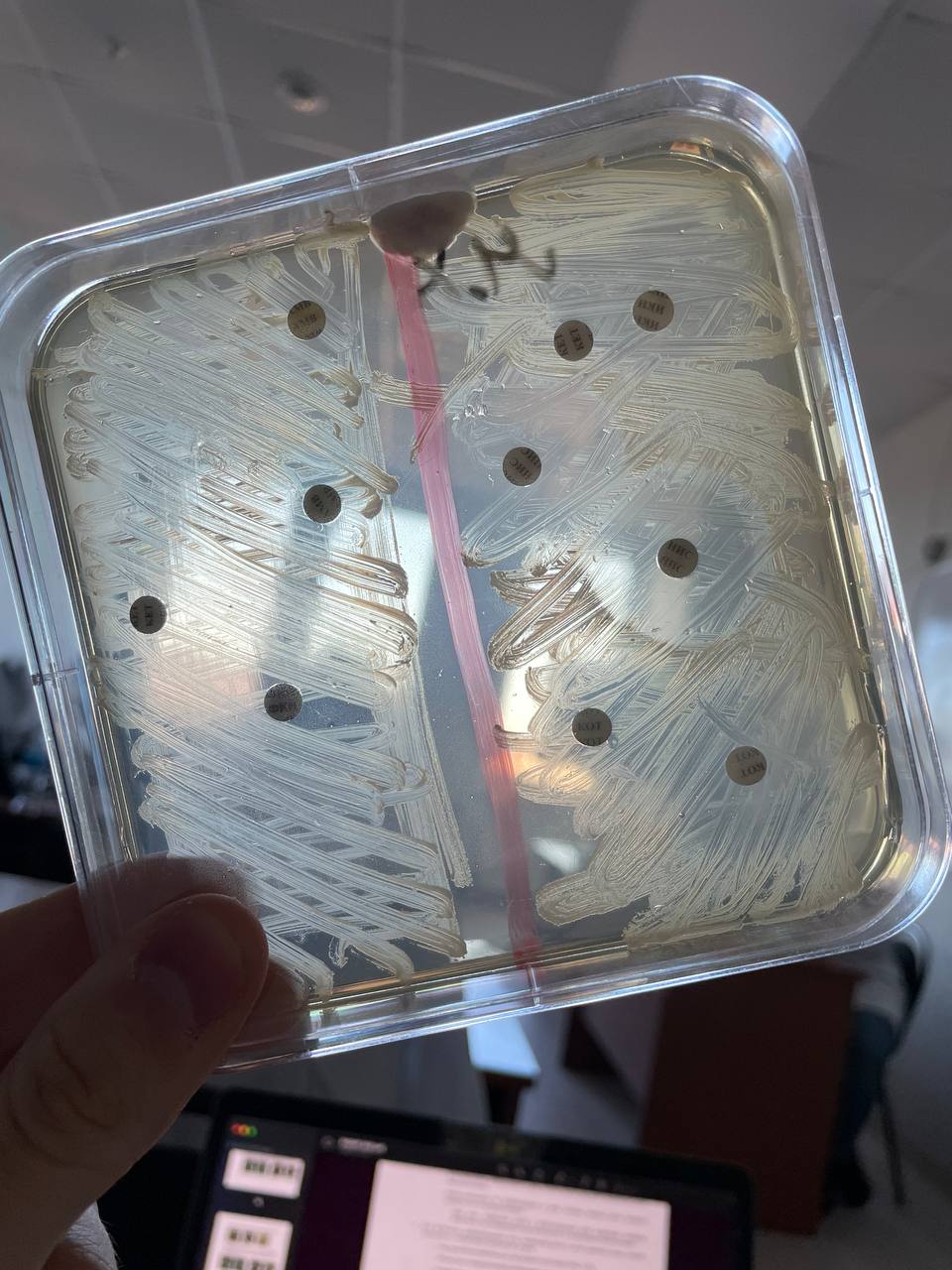
The first antibiotic a septic patient receives is a guess, but an educated one. Empiric selection is driven by the suspected source, the likely organisms for that source, whether the infection was acquired in the community or in a healthcare setting, the patient’s prior cultures and resistance history, local antibiogram data and drug allergies. Broad coverage is chosen deliberately because the cost of missing the organism in a shocked patient is death, while the cost of two extra days of a broad agent is manageable.
The corresponding obligation is de-escalation. At 48 to 72 hours the cultures and susceptibilities return, and therapy should narrow to the narrowest effective drug, switch from intravenous to oral when the patient is stable and the gut works, and stop at a defined duration. Prolonged broad therapy is not caution; it selects resistant organisms, invites C. difficile and fungal superinfection, prolongs line days and adds toxicity. Nurses drive this by ensuring cultures are actually collected, by flagging the day-three antibiotic review, and by advocating for the oral switch and the line removal that follows it.
Classes by mechanism
| Class and examples | Mechanism | Key toxicity and nursing implication |
|---|---|---|
| Penicillins — penicillin G, ampicillin, piperacillin-tazobactam | Inhibit cell wall cross-linking (bactericidal) | Hypersensitivity including anaphylaxis; interstitial nephritis; piperacillin-tazobactam plus vancomycin raises acute kidney injury risk — watch creatinine daily |
| Cephalosporins — cefazolin, ceftriaxone, cefepime | Cell wall inhibition | Cross-reactivity with penicillin allergy is only about 1–2 percent, mostly with first-generation agents; ceftriaxone is incompatible with calcium-containing fluids such as lactated Ringer; cefepime can cause neurotoxicity in renal impairment |
| Carbapenems — meropenem, ertapenem | Cell wall inhibition, very broad | Reserved for resistant organisms; seizure risk, greatest with imipenem and in renal failure |
| Glycopeptide — vancomycin | Binds cell wall precursors; covers MRSA | Nephrotoxicity, ototoxicity; infusion-rate reaction; requires level monitoring |
| Aminoglycosides — gentamicin, tobramycin, amikacin | Bind 30S ribosome, block protein synthesis | Nephrotoxicity and irreversible ototoxicity and vestibular damage; peak and trough monitoring; ask about tinnitus and unsteadiness daily |
| Macrolides — azithromycin | 50S ribosome | QT prolongation; gastrointestinal upset; atypical pneumonia coverage |
| Tetracyclines — doxycycline | 30S ribosome | Photosensitivity; oesophagitis — take upright with a full glass of water; avoid with dairy, antacids, iron; not in pregnancy or under age 8 |
| Fluoroquinolones — ciprofloxacin, levofloxacin | Inhibit DNA gyrase and topoisomerase IV | Tendinitis and tendon rupture, QT prolongation, peripheral neuropathy, central nervous system effects, aortic aneurysm risk, high C. difficile risk; separate by 2 hours from calcium, magnesium, iron and zinc |
| Oxazolidinone — linezolid | 50S ribosome; covers MRSA and VRE | Thrombocytopenia and myelosuppression with courses beyond 2 weeks; serotonin syndrome with SSRIs and SNRIs; excellent oral bioavailability |
| Sulfonamide — trimethoprim-sulfamethoxazole | Blocks sequential steps in folate synthesis | Hyperkalaemia, rash including Stevens-Johnson syndrome, crystalluria — push fluids; raises INR on warfarin |
| Nitroimidazole — metronidazole | Generates free radicals in anaerobes | Metallic taste; disulfiram-like reaction with alcohol — abstain during and for 3 days after |
| Lipopeptide — daptomycin | Depolarises the membrane | Inactivated by pulmonary surfactant, so never used for pneumonia; monitor creatine kinase weekly for myopathy |
The four monitoring problems that come up on every floor
Vancomycin. Dosing for serious MRSA infection now targets an area-under-the-curve to minimum inhibitory concentration ratio of 400 to 600, calculated by pharmacy; where trough monitoring is still used, the goal is 15 to 20 mcg/mL for serious infection and the trough is drawn within 30 minutes before the fourth dose. Monitor creatinine at least every two to three days, and more often when the patient also receives piperacillin-tazobactam, an aminoglycoside, a contrast load or a diuretic. Vancomycin infusion reaction — flushing, erythema of the face, neck and upper torso, pruritus, sometimes hypotension — is a rate-related direct release of histamine from mast cells, not an IgE allergy. The correct response is to stop the infusion, give an antihistamine as ordered, and restart at a slower rate, infusing each gram over at least 60 minutes. Documenting it as an allergy wrongly denies the patient the best MRSA drug for the rest of their life.
Aminoglycosides. With traditional dosing, gentamicin and tobramycin peaks run 5 to 10 mcg/mL and troughs must be under 2 mcg/mL; the trough is what predicts toxicity. Many institutions use extended-interval dosing with a single random level. Ototoxicity is often permanent and often first reported by the patient as tinnitus, fullness or a feeling of unsteadiness when turning the head — ask specifically, every day, and report it immediately.
Allergy versus intolerance. Nausea from erythromycin is an intolerance. Hives, wheeze, angioedema or hypotension after a beta-lactam is an allergy. Take the history precisely: what drug, what happened, how long after the dose, what treatment was needed. Most patients labelled penicillin-allergic are not, and the label pushes them toward vancomycin and fluoroquinolones with worse outcomes. If anaphylaxis occurs, stop the infusion, maintain the airway, call for help, and give epinephrine 0.3 to 0.5 mg of the 1 mg/mL concentration intramuscularly into the lateral thigh, repeating every 5 to 15 minutes as needed — epinephrine is the treatment; antihistamines and steroids are adjuncts that do nothing for airway oedema in the first minutes.
Clostridioides difficile. Antibiotic exposure, especially fluoroquinolones, clindamycin, cephalosporins and carbapenems, allows toxin-producing C. difficile to overgrow the colon. Suspect it with three or more unformed stools in 24 hours; do not test formed stool, and do not repeat testing after a positive result. Place the patient on contact precautions in a private room with dedicated equipment, perform hand hygiene with soap and water, and clean with a sporicidal bleach agent. First-line treatment is oral vancomycin 125 mg four times daily for 10 days or oral fidaxomicin 200 mg twice daily for 10 days; metronidazole is now reserved for when neither is available. Intravenous vancomycin does not treat colitis because it does not reach the colonic lumen — a classic examination distractor. Antimotility agents such as loperamide are avoided because retaining toxin risks toxic megacolon; report abdominal distension, absent bowel sounds and a rising white count urgently.
Stewardship, resistance and what the patient must hear
Multidrug-resistant organisms — MRSA, vancomycin-resistant enterococcus, extended-spectrum beta-lactamase producers, carbapenem-resistant Enterobacterales and Candida auris — are the direct product of antimicrobial pressure combined with imperfect hand hygiene. Stewardship programmes exist to shorten courses, narrow spectra and stop unnecessary therapy, and they depend on bedside data that nurses generate: accurate temperature trends, documented stool frequency, honest allergy histories and timely cultures.
Teaching is short and non-negotiable. Complete the full prescribed course even after feeling better, unless the prescriber stops it. Never save or share leftover antibiotics. Take doses at even intervals to keep concentrations above the inhibitory level. Report rash, watery diarrhoea, new tendon or heel pain, hearing change and severe nausea. Understand which drug needs food and which needs an empty stomach, which requires sun protection, and which forbids alcohol. The old blanket warning that every antibiotic defeats an oral contraceptive is not supported; only rifampin and rifabutin meaningfully reduce hormonal contraceptive efficacy, so backup contraception is taught with those agents rather than routinely. And a viral upper respiratory infection does not need an antibiotic — a sentence you will say hundreds of times.
Give the right broad drug fast, then insist it be narrowed — and monitor the specific toxicity each class carries: renal function and levels for vancomycin and aminoglycosides, tendons and QT for fluoroquinolones, platelets and serotonin risk for linezolid, and stool frequency for everyone.
Section 5The Immunocompromised Patient
Who is immunocompromised, and which defence is missing
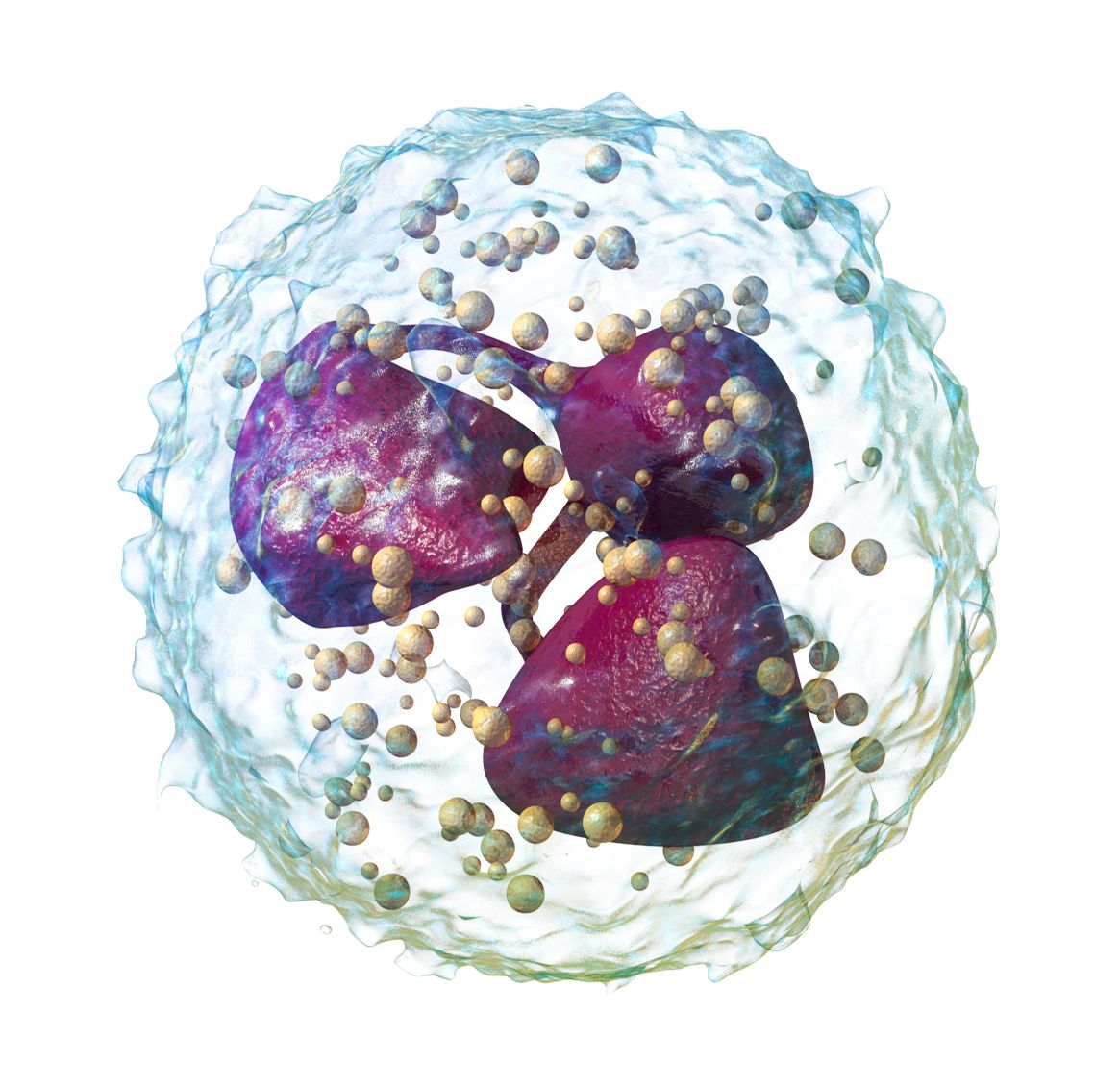
“Immunocompromised” is not one condition; it is at least four different holes, and the hole determines the organism. A neutropenic patient has lost the phagocytic arm and is vulnerable to gram-negative bacilli including Pseudomonas, gram-positive skin organisms and, after prolonged neutropenia, Aspergillus and Candida. A patient with impaired cell-mediated immunity — advanced HIV, solid organ transplant on tacrolimus, high-dose corticosteroids, TNF-alpha inhibitors — is vulnerable to intracellular organisms: tuberculosis, Pneumocystis jirovecii, cytomegalovirus, Listeria, fungi and reactivating herpes viruses. A patient with impaired humoral immunity or absent spleen cannot opsonise encapsulated bacteria and is at risk of fulminant pneumococcal, meningococcal and Haemophilus influenzae type b sepsis. And a patient with broken barriers — burns, mucositis, central lines, drains, poorly controlled diabetes — is vulnerable to whatever is on their skin.
Corticosteroids deserve specific attention because they are everywhere on a med-surg floor. Prednisone at 20 mg per day or more, continued for two weeks or longer, is generally considered clinically significant immunosuppression. Steroids also blunt the febrile response and can mask peritonitis, so a patient on chronic prednisone with a perforated viscus may present with a soft, minimally tender abdomen and almost no fever — distrust the absence of rigidity in a steroid-treated patient rather than explaining rigidity away. Anti-TNF biologics such as infliximab and adalimumab require tuberculosis screening with an interferon-gamma release assay or tuberculin skin test before initiation because they reactivate latent disease. Uncontrolled diabetes impairs neutrophil chemotaxis and phagocytosis; glycaemic control is infection control.
The unifying clinical consequence is that immunocompromised patients cannot generate the signs you rely on. Without neutrophils there is no pus, so an abscess may show only tenderness; a chest radiograph may be clear in early neutropenic pneumonia because the infiltrate is made of neutrophils; peritoneal signs may be absent. Fever, or sometimes only hypothermia and hypotension, may be the entire presentation — and it must be treated as if it were the whole picture, because it is.
The absolute neutrophil count and neutropenic fever
The absolute neutrophil count is the number that matters. Calculate it as the total white blood cell count multiplied by the sum of the percentage of segmented neutrophils and the percentage of bands, divided by 100. A patient with a white count of 2,100 cells/mm³, 18 percent segs and 4 percent bands has an ANC of 2,100 × 0.22, or 462 cells/mm³ — severe neutropenia, even though the white count alone does not look alarming. Do the arithmetic yourself; do not assume the laboratory reported it.
| ANC (cells/mm³) | Category | Implication |
|---|---|---|
| Above 1,500 | Normal | Standard precautions |
| 1,000–1,500 | Mild neutropenia | Slight increase in risk; monitor counts |
| 500–1,000 | Moderate neutropenia | Moderate risk; institute neutropenic precautions |
| Under 500 | Severe neutropenia | High risk of serious bacterial infection; fever is an emergency |
| Under 100 | Profound neutropenia | Highest risk; fungal risk rises after 7 days |
Febrile neutropenia is defined as a single oral temperature of 38.3 degrees Celsius (101 degrees Fahrenheit) or a temperature of 38.0 degrees Celsius (100.4 degrees Fahrenheit) sustained over one hour, in a patient with an ANC under 500 or an ANC expected to fall below 500 within 48 hours. It is an oncologic emergency with the same urgency as chest pain. The nursing sequence is: recognise the fever, notify the provider immediately, draw blood cultures including one set from every lumen of any central line, and give the first dose of an antipseudomonal beta-lactam — cefepime, piperacillin-tazobactam or meropenem — within 60 minutes. Vancomycin is added for suspected line infection, skin or soft-tissue infection, haemodynamic instability or known MRSA colonisation. Do not wait for the white count to result, do not wait for the radiograph, and do not administer an antipyretic before the provider has seen the temperature, because acetaminophen can mask the next fever.
Protecting the patient: environment, prophylaxis and vaccines
Neutropenic precautions on a med-surg unit are practical rather than mystical: a private room, meticulous hand hygiene by everyone entering, no visitors with respiratory or gastrointestinal illness, no fresh flowers or potted plants and no standing water in vases or humidifiers, no construction dust exposure, scrupulous oral care with a soft brush and non-alcohol rinse, daily skin and perineal inspection, and daily bathing. Allogeneic stem cell transplant recipients require a true protective environment: a positive-pressure room with HEPA filtration and at least 12 air exchanges per hour, and a mask on the patient whenever they leave it. Strict low-microbial diets have largely been abandoned as unhelpful, but food safety remains: thoroughly cooked food, no unpasteurised dairy, no raw eggs, no undercooked meat or raw seafood, and thorough washing of any fresh produce.
Pharmacologic support matters too. Granulocyte colony-stimulating factors, filgrastim and pegfilgrastim, shorten the duration of neutropenia; warn the patient about bone pain, which is expected, treatable with acetaminophen or a non-steroidal agent, and a sign the marrow is responding. Prophylaxis follows the missing defence: trimethoprim-sulfamethoxazole for Pneumocystis when the CD4 count falls under 200 cells/mm³ or during prolonged high-dose steroids; azithromycin for Mycobacterium avium complex when the CD4 count falls under 50; acyclovir for herpes reactivation; an antifungal for prolonged profound neutropenia. Asplenic patients need pneumococcal, meningococcal and Haemophilus influenzae type b vaccination and must carry documentation, because overwhelming post-splenectomy infection can kill within hours.
Vaccination teaching has one hard rule: inactivated vaccines — inactivated influenza, pneumococcal, tetanus-diphtheria-pertussis, recombinant zoster, hepatitis B — are safe and encouraged, while live attenuated vaccines are contraindicated in significant immunosuppression. That list includes measles-mumps-rubella, varicella, live attenuated zoster, intranasal influenza, oral typhoid and yellow fever. Household contacts should be vaccinated, which protects the patient by cocooning; the one caution is that a household contact who receives live oral polio or develops a varicella vaccine rash needs temporary separation.
Priorities, delegation and discharge
When you have four patients and one is immunocompromised, the prioritisation logic is unchanged but the thresholds move. Airway, breathing and circulation still come first. Unstable outranks stable. Acute outranks chronic. Actual outranks potential risk. What changes is what counts as unstable: a temperature of 38.3 degrees Celsius in a neutropenic patient outranks chest tightness that has already been evaluated and treated, because the neutropenic fever is an untreated emergency with a one-hour clock. When two patients seem equal, ask which problem will kill faster if you guess wrong.
| Task | Appropriate to | Reasoning |
|---|---|---|
| Vital signs on a stable patient; reporting a temperature | UAP | Data collection is delegable; interpretation is not. Tell the UAP the exact number to report immediately |
| Bathing, chlorhexidine bath, oral care, repositioning, ambulation, intake and output | UAP | Standardised, predictable, no assessment required |
| Stocking isolation carts, applying PPE, transporting a masked patient | UAP | Routine and protocol-driven |
| Routine oral, subcutaneous and intramuscular medications; dressing changes; tracheostomy care; reinforcing teaching already given | LPN or LVN (stable patients, per state scope) | Predictable outcome on a stable patient |
| Initial and ongoing assessment; interpreting a sepsis screen; the first dose of an intravenous antibiotic; blood cultures; titrating vasopressors; blood products; intravenous push medications; original teaching; the unstable patient | RN only | Requires assessment, clinical judgement, or carries anaphylaxis and haemodynamic risk |
Discharge teaching for the immunocompromised patient is a short list repeated until it is automatic. Take your temperature any time you feel unwell and call immediately for 38.0 degrees Celsius (100.4 degrees Fahrenheit) or higher — do not take acetaminophen and wait to see what happens. Know your nadir, the seven-to-fourteen-day window after chemotherapy when counts are lowest. Wash hands, avoid crowds and sick contacts during the nadir, wear a mask when advised. Do not garden, change cat litter, clean bird cages or handle reptiles. Use an electric razor and a soft toothbrush; avoid flossing if the platelet count is low. Call for chills or rigors, cough, shortness of breath, burning on urination, new mouth sores, redness or drainage at a line site, diarrhoea, or a rash. Keep the phone number for the on-call oncology service on the refrigerator, and bring the medication list to every visit. Confirm understanding by teach-back rather than by asking whether they have questions.
Immunosuppression removes the signs you were taught to look for, so calculate the ANC yourself, treat any fever with an ANC under 500 as a one-hour emergency, keep the rectal route and live vaccines off the table, and teach the patient the single number that means call now.
The chapter in one breath
Infection produces its signs through the host’s own cytokine response: prostaglandin E2 resets the hypothalamic thermostat, and endothelial activation causes vasodilation and capillary leak, which is why the septic patient is warm, tachycardic, tachypnoeic, oedematous and hypotensive all at once. Nursing breaks the chain of infection at the mode of transmission with hand hygiene and at the portal of entry by removing lines and catheters early, and selects transmission-based precautions by how the organism travels. Recognition depends on trends — respiratory rate, mental status — and on a differential that shows a left shift, a lactate above 2 mmol/L and two properly filled sets of blood cultures drawn before, but never delaying, antibiotics. Sepsis is organ dysfunction from a dysregulated response; septic shock adds vasopressor dependence with a lactate above 2 mmol/L. The first hour is oxygen and access, lactate and cultures, broad-spectrum antibiotics, 30 mL/kg of balanced crystalloid, and norepinephrine to a mean arterial pressure of at least 65 mmHg, followed by source control and de-escalation. Each antimicrobial class carries its own monitoring burden. And in the immunocompromised patient the usual findings vanish, so the absolute neutrophil count, a single temperature of 38.0 degrees Celsius and the family’s sense that something is wrong become the whole assessment.
Words worth knowing
| Term | What it means |
|---|---|
| Absolute neutrophil count (ANC) | White blood cell count multiplied by the percentage of segs plus bands, divided by 100; under 500 cells/mm³ is severe neutropenia |
| Bandemia (left shift) | Band forms exceeding about 10 percent of the differential, indicating a marrow driven hard by infection |
| Bacteraemia | Viable bacteria present in the bloodstream, confirmed by blood culture |
| Chain of infection | Agent, reservoir, portal of exit, mode of transmission, portal of entry, susceptible host |
| Colonisation | Organism present on or in the host without a host response or clinical illness; not treated |
| Cytokine | Signalling protein such as TNF-alpha, IL-1 or IL-6 released by immune cells; drives fever and capillary leak |
| Disseminated intravascular coagulation | Simultaneous widespread microthrombosis and bleeding from consumption of clotting factors and platelets |
| Empiric therapy | Antimicrobial chosen before culture results, based on likely organisms and local resistance patterns |
| Febrile neutropenia | Temperature of 38.3 degrees Celsius once, or 38.0 degrees Celsius for an hour, with an ANC under 500; antibiotics within 60 minutes |
| Healthcare-associated infection | Infection acquired during care that was not present or incubating on admission — CLABSI, CAUTI, VAP, SSI |
| Hour-1 bundle | Lactate, cultures before antibiotics, broad-spectrum antibiotics, 30 mL/kg crystalloid, vasopressors for MAP under 65 mmHg |
| Lactate | Product of anaerobic and catecholamine-driven metabolism; above 2 mmol/L raises concern, 4 mmol/L or above signals tissue hypoperfusion |
| Mean arterial pressure (MAP) | Average perfusion pressure, roughly systolic plus twice diastolic divided by 3; sepsis target is at least 65 mmHg |
| Multidrug-resistant organism | Organism resistant to several antimicrobial classes, such as MRSA, VRE, ESBL producers, CRE or Candida auris |
| Nadir | The lowest point of blood counts after chemotherapy, usually 7 to 14 days post-treatment |
| Procalcitonin | Peptide that rises with bacterial but not viral infection; normal under 0.5 ng/mL; used chiefly to guide stopping antibiotics |
| qSOFA | Bedside risk screen: respiratory rate 22 or higher, altered mentation, systolic pressure 100 mmHg or lower |
| Sepsis | Life-threatening organ dysfunction caused by a dysregulated host response to infection, marked by an acute SOFA rise of 2 or more |
| Septic shock | Sepsis requiring vasopressors for a MAP of at least 65 mmHg with lactate above 2 mmol/L after adequate fluid resuscitation |
| Source control | Physical removal of the infectious focus — drainage, debridement, or removal of an infected device |