Gastrointestinal Drugs
The gut is the one body system patients will tell you about without being asked. Heartburn, nausea, constipation, and diarrhea are so common that it is easy to treat them casually. That is exactly where people get into trouble. A proton pump inhibitor given after breakfast loses much of its effect. A drug to stop diarrhea, given to the wrong patient, can turn an infection they would survive into toxic megacolon. A nausea drug pushed too fast into a small vein can cost a patient their hand. This chapter walks the gut from the stomach to the colon, one drug class at a time. It keeps coming back to the two questions that matter most at the bedside. When do I give this? And what do I watch for afterward?
By the end of this chapter you can
- Explain how the parietal cell makes acid, and where PPIs, H2 blockers, and antacids each stop it.
- Time acid-lowering and lining-protecting drugs the right way, and name the long-term risks of PPI use.
- Describe current treatment plans to wipe out Helicobacter pylori, and the teaching that makes them work.
- Map the four inputs to the vomiting center, and match each antiemetic class to the receptor it blocks.
- Compare laxative classes by how they work and how fast, and say when a laxative must not be given.
- Name the patients who must not get antidiarrheals, and explain why.
- Outline the drugs for inflammatory bowel disease, including the screening needed before a biologic.
- Rank the checks, teaching, and safety alerts for the main GI drug classes.
Section 1Acid and ulcer drugs
Why the stomach does not digest itself
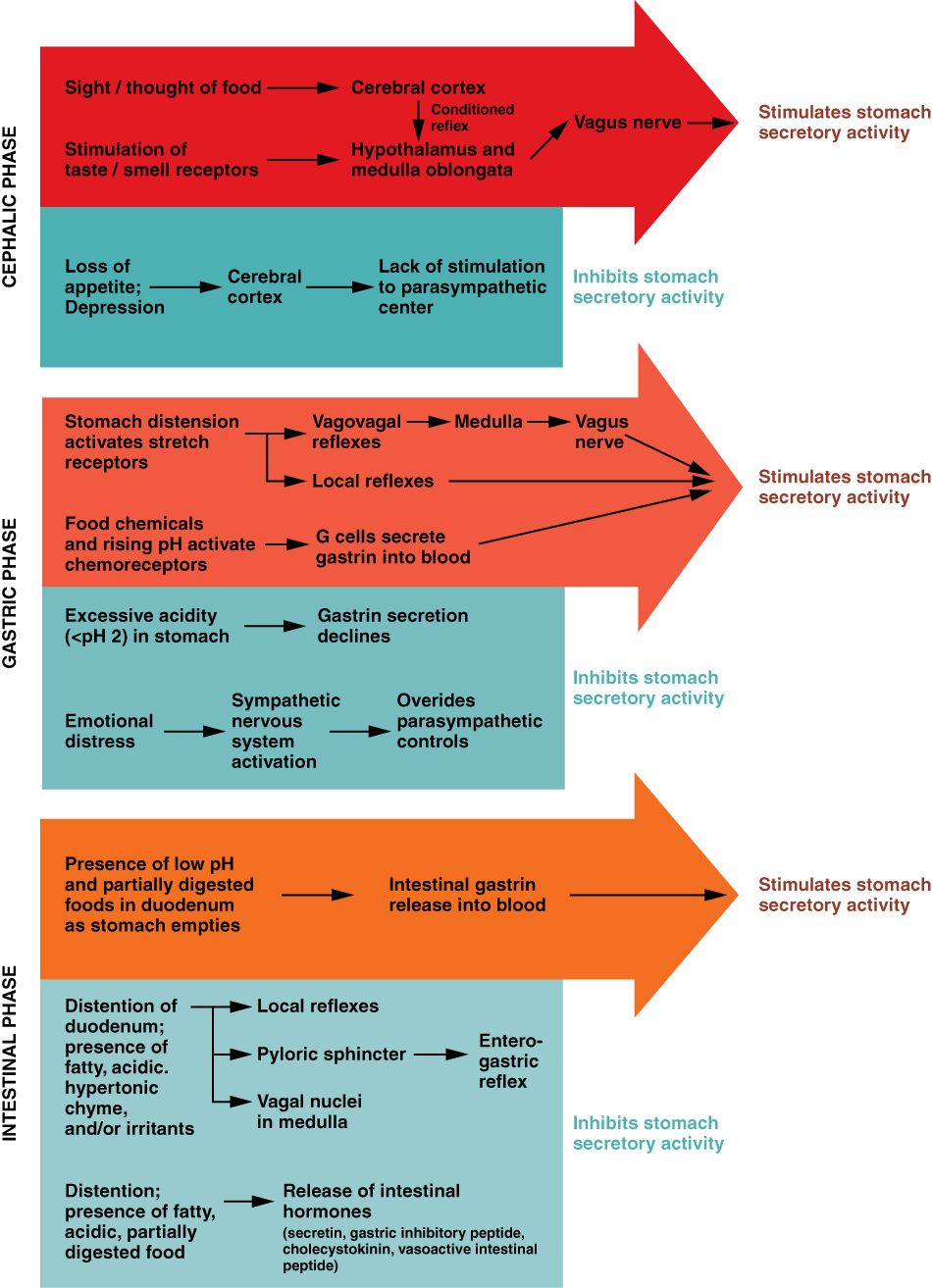
The stomach lining is a standoff between two forces. On the attack is hydrochloric acid. The parietal cell pumps it into the stomach through an enzyme called the H+/K+-ATPase, the proton pump. Three signals turn that pump on. They are gastrin from G cells, histamine acting on H2 receptors, and acetylcholine from the vagus nerve acting on M3 receptors. Histamine is the amplifier. Block it, and the other two lose most of their punch.
On defense are a layer of mucus, a cushion of bicarbonate under it, strong blood flow to the lining, and prostaglandins that keep all three going. Damage happens when the defense fails, not just when acid rises. That is why the two great causes of ulcers are Helicobacter pylori, which burrows into the mucus layer, and NSAIDs, which shut off the prostaglandins that build it. This explains a confusing fact. Lowering acid heals ulcers, but it does not cure the cause.
Proton pump inhibitors: the strongest tool, and the most misused
Proton pump inhibitors (PPIs) include omeprazole, pantoprazole, esomeprazole, lansoprazole, rabeprazole, and dexlansoprazole. They shut down the pump itself, and they do it for good. The cell must build new pumps to recover. That is why one dose a day lowers acid for about 24 hours, even though the drug leaves the blood in a couple of hours. They are the drugs of choice for a worn-away food pipe (erosive esophagitis), peptic ulcer disease, H. pylori plans, preventing NSAID ulcers, and preventing stress ulcers in the ICU.
Timing is the most important thing you control here. A PPI is a prodrug. It only switches on inside a pump that is actively making acid. Give it to a fasting patient with resting pumps, and most of the dose is wasted. Give it 30 to 60 minutes before the first meal of the day. If a patient says they take their omeprazole at bedtime with a snack, you have just found the reason their reflux never got better.
The long-term picture deserves respect. Long-term PPI use is linked to low magnesium, low vitamin B12, poor iron absorption, more Clostridioides difficile infection, pneumonia caught in the community, kidney inflammation (acute interstitial nephritis), and broken hips, wrists, and spine bones. Stopping suddenly after months of use causes rebound acid overproduction. Symptoms flare, the patient thinks they need the drug forever, and the cycle locks in. Taper instead. One interaction is worth memorizing. Omeprazole and esomeprazole block CYP2C19, the enzyme that switches on clopidogrel. That weakens clopidogrel's effect on platelets. Pantoprazole is the preferred PPI for a patient on clopidogrel.
H2 blockers, antacids, and mucosal protectants
H2-receptor antagonists (famotidine, cimetidine, nizatidine) block histamine at the parietal cell. They work faster than PPIs but lower acid less. Tolerance builds within days to weeks. So they are best for symptoms that come and go or happen at night, not as a long-term stand-in for a PPI. (Ranitidine was pulled from the market in 2020 after it was found to contain NDMA, a likely cancer-causing chemical. Do not expect to see it.) Famotidine leaves through the kidneys. With weak kidneys, or in an older adult, an unadjusted dose causes confusion, agitation, and delirium. Cimetidine is the outlier. It strongly blocks CYP450 and raises levels of warfarin, phenytoin, and theophylline. It also blocks male hormones, causing breast growth and erection problems. It is rarely the right choice.
Antacids do not touch the pump. They chemically cancel out acid that is already there. They work in minutes and last an hour or two. The mineral in them decides the side effect. Magnesium hydroxide causes diarrhea. Aluminum hydroxide causes constipation, and combination products pair the two on purpose. Calcium carbonate constipates and can cause milk-alkali syndrome. Sodium bicarbonate brings a load of sodium and too much base in the body. With kidney failure, magnesium and aluminum build up. Antacids also bind (chelate) other drugs, such as levothyroxine, tetracyclines, fluoroquinolones, and iron. The safe time gap depends on the drug; there is no single rule. One to two hours is the minimum for ordinary pills. The sensitive ones need more. Keep levothyroxine at least 4 hours away from aluminum, magnesium, or calcium antacids and from iron. Give fluoroquinolones 2 hours before or 6 hours after an antacid with these minerals. Binding can cut absorption enough for the infection treatment to fail. Keep tetracyclines and iron pills at least 2 hours apart. When you are not sure, look up the drug instead of guessing “an hour or two.”
Sucralfate is a paste, not a blocker. In acid, it turns sticky and clings to the ulcer crater like a bandage. It needs acid to work, and it binds anything nearby. So give it on an empty stomach, 1 hour before meals and at bedtime. Hold other pills for 2 hours. Misoprostol is a prostaglandin E1 look-alike. It replaces what NSAIDs took away and prevents NSAID ulcers. But it makes the uterus contract and is not allowed in pregnancy. Confirm pregnancy status and teach reliable birth control before it is given out.
| Class | Prototype | Key effect | Safety alert |
|---|---|---|---|
| Proton pump inhibitor | Pantoprazole, omeprazole | Irreversibly blocks the H+/K+-ATPase; strongest acid suppression | 30 to 60 min before the first meal. Do not crush delayed-release forms. Watch Mg2+, B12, and C. diff. Use pantoprazole with clopidogrel. |
| H2 blocker | Famotidine | Blocks histamine H2 on the parietal cell; faster onset, weaker effect | Reduce dose in renal impairment: confusion and delirium in older adults. Tolerance develops. |
| Antacid | Aluminum/magnesium hydroxide | Neutralizes existing acid; onset in minutes | Keep apart from other pills; the gap depends on the drug. 1 to 2 h is the minimum, but levothyroxine needs 4 h, and fluoroquinolones need 2 h before or 6 h after (tetracyclines and iron at least 2 h). Mag = diarrhea, Al = constipation; both build up in kidney failure. |
| Mucosal protectant | Sucralfate | Forms a physical barrier over the ulcer bed | Empty stomach, 1 h before meals and at bedtime; separate other drugs by 2 h. Contains aluminum. |
| Prostaglandin analog | Misoprostol | Restores mucus and bicarbonate; prevents NSAID ulcers | Contraindicated in pregnancy: abortifacient. Diarrhea and cramping are common. |
| Bismuth compound | Bismuth subsalicylate | Coats mucosa, mildly antibacterial against H. pylori | Harmless black stool and black tongue: warn patients. It is a salicylate: avoid in children (Reye syndrome) and in aspirin allergy. |
Eradicating H. pylori
H. pylori causes most duodenal ulcers and many stomach ulcers. It is also a known risk factor for stomach cancer. So once it is found, wiping it out is not optional. Rising resistance to clarithromycin has changed the recipe. Bismuth quadruple therapy is now the preferred first plan in most places. It is a PPI plus bismuth, tetracycline, and metronidazole for 10 to 14 days. Rifabutin triple therapy (omeprazole, amoxicillin, rifabutin) is another first choice. The older clarithromycin triple therapy (PPI, amoxicillin, clarithromycin) is saved for places with low resistance and for patients who have never taken a macrolide.
These plans fail mostly for one reason: the patient stops taking them. Picture four drugs, several times a day, for two weeks. They bring a metal taste and dark stools. And the person feels better by day four. Your teaching is the treatment. Stress finishing every dose. Warn that metronidazole with alcohol causes a disulfiram-like reaction (flushing, vomiting, a pounding heart). Explain that bismuth turns the tongue and stool black, which is harmless. A follow-up breath or stool test confirms the cure. It is done at least 4 weeks after the antibiotics and bismuth end. Hold the PPI for 1 to 2 weeks before the test. Lowering acid also holds down the germ and gives a false "all clear."
- The parietal cell proton pump is the final shared step. PPIs block it for good. H2 blockers block its histamine trigger. Antacids cancel out acid further down.
- PPIs are prodrugs switched on by working pumps. Give them 30 to 60 minutes before the first meal, and taper instead of stopping suddenly.
- Long-term PPI risks: low magnesium, low B12, C. difficile, pneumonia, kidney inflammation, and broken bones. Use pantoprazole with clopidogrel.
- Bismuth quadruple therapy is first-line for H. pylori. Teaching people to take every dose, and the alcohol and metronidazole warning, is your job.
Section 2Antiemetics
Four roads to the vomiting center
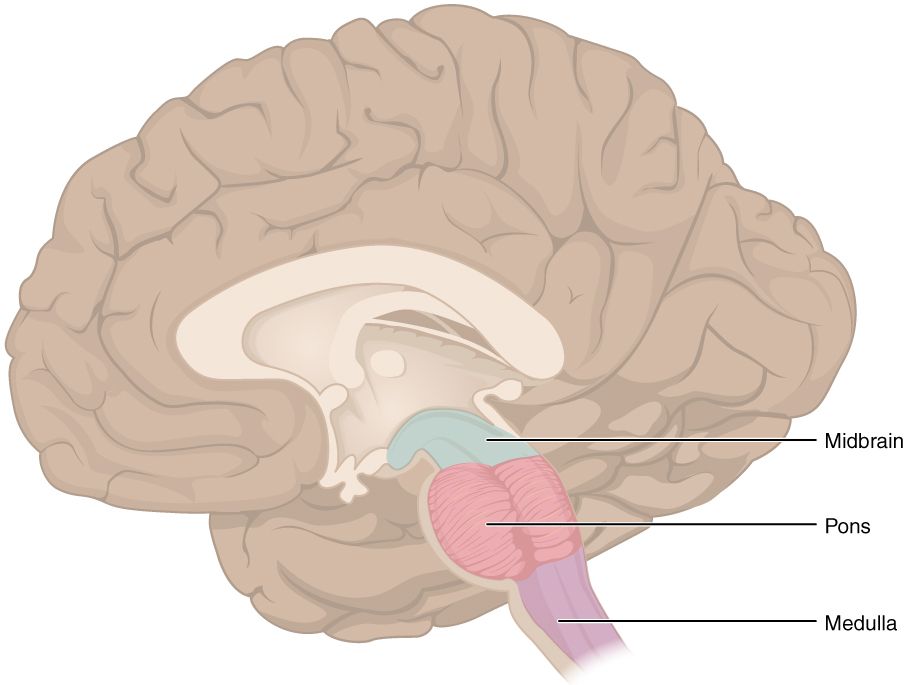
Vomiting is a reflex. A network in the medulla, usually called the vomiting center, runs it. It has four separate inputs. Every class of nausea drug (antiemetic) works by cutting one of those roads. Match the drug to the road, and you will almost never pick the wrong one.
The first road is the chemoreceptor trigger zone (CTZ). It sits in a spot called the area postrema, on the floor of the fourth ventricle in the brain. It lies outside the blood-brain barrier. That makes it a chemical sensor for the blood. It senses opioids, chemotherapy, anesthetics, kidney failure waste, and toxins. It is packed with dopamine D2, serotonin 5-HT3, and neurokinin-1 (NK1) receptors. The second road is the gut itself. Chemotherapy and radiation damage gut cells that store serotonin (enterochromaffin cells). They dump serotonin onto 5-HT3 receptors on the vagus nerve. That signal travels from the small bowel to the medulla in minutes. The third road is the balance system of the inner ear (vestibular apparatus). It is rich in histamine H1 and muscarinic receptors. That is why motion sickness responds to antihistamines and scopolamine but not to ondansetron. The fourth road is the outer layer of the brain (cerebral cortex). Anxiety, smells, and memory come in this way. It is the source of nausea that starts before a treatment (anticipatory nausea). That is why a benzodiazepine is sometimes the right nausea drug.
The classes
| Class | Prototype | Key effect | Safety alert |
|---|---|---|---|
| 5-HT3 antagonist | Ondansetron | Blocks serotonin at vagal afferents and CTZ; first-line for chemo and post-op nausea | QT prolongation: check ECG and K+/Mg2+; push IV slowly. Headache and constipation are common. Serotonin syndrome risk with other serotonergic drugs. |
| NK1 antagonist | Aprepitant | Blocks substance P; covers delayed chemo-induced nausea | CYP3A4 interactions: reduces oral contraceptive efficacy (backup method for 1 month), alters warfarin and dexamethasone dosing. |
| Dopamine D2 antagonist | Metoclopramide, prochlorperazine; promethazine (phenothiazine, mainly H1) | Blocks D2 in the CTZ; metoclopramide also speeds gastric emptying. Promethazine's antiemetic effect is largely H1 and antimuscarinic. | Movement side effects (EPS) and, for metoclopramide, a boxed warning for tardive dyskinesia, so limit it to 12 weeks. Promethazine carries a boxed warning for severe tissue injury and gangrene if it leaks out of the vein. |
| Antihistamine (H1) | Meclizine, dimenhydrinate | Blocks the vestibular road; motion sickness and vertigo | Sedation, dry mouth, urinary retention; confusion and falls in older adults (Beers criteria). Useless for chemo-induced nausea. |
| Anticholinergic | Scopolamine (transdermal) | Blocks muscarinic vestibular input; motion sickness prophylaxis | Put it behind the ear 4 h before travel and change it every 72 h. Wash hands afterward, since drug on the fingers can reach the eye and widen the pupil. |
| Corticosteroid | Dexamethasone | Adjunct that boosts every other antiemetic in chemo regimens | Hyperglycemia, insomnia, mood change; check glucose in diabetic patients. |
| Cannabinoid | Dronabinol | Refractory chemo-induced nausea; also stimulates appetite | Dysphoria, dizziness, sedation: poorly tolerated by older adults. Schedule III. |
| Benzodiazepine | Lorazepam | Blunts anticipatory nausea driven by the cortex | Sedation and fall risk; not an antiemetic on its own. |
Two special cases are worth knowing cold. In pregnancy, the first drug for nausea and vomiting is doxylamine plus pyridoxine (vitamin B6). It is among the best-studied drugs in pregnancy. Ondansetron and metoclopramide are later choices. And treat promethazine with the care you would give a high-alert drug. It is not allowed in children under 2, because it can cause fatal slowed breathing. If it is given IV, it must be well diluted and run in slowly into a large, open vein. A leak around the vein causes tissue death severe enough to need amputation. A deep shot into a large muscle is safer.
What you actually do
Preventing nausea beats rescuing every time. Chemotherapy nausea drugs are given before the drug that causes the nausea, not after the patient is retching. The plan is matched to how likely the chemotherapy is to cause vomiting. For the drugs most likely to cause it, a common plan is a 5-HT3 antagonist plus dexamethasone plus an NK1 antagonist. Beyond dosing, check what vomiting is doing to the body. Losing stomach contents means losing hydrogen, chloride, and potassium. That causes low potassium, low chloride, and too much base in the blood (hypokalemic hypochloremic metabolic alkalosis), plus dehydration. Track intake and output, daily weight, skin turgor, blood pressure lying and standing, and electrolytes. Protect the airway in anyone who is sleepy or less alert. And keep asking why. Nausea is a symptom. A blocked bowel, high pressure in the skull, a heart attack, high calcium, and diabetic ketoacidosis all cause vomiting that no nausea drug will fix.
- Four inputs drive vomiting: the CTZ (D2, 5-HT3, NK1), vagus nerve signals from the gut (5-HT3), the inner ear balance system (H1, muscarinic), and the cortex.
- Ondansetron is first-line for nausea from chemo and after surgery. Watch the QT, potassium, and magnesium. It does nothing for motion sickness.
- Metoclopramide carries a boxed warning for tardive dyskinesia (limit to 12 weeks). Promethazine carries one for gangrene if it leaks out of the vein.
- Vomiting causes low potassium, low chloride, and too much base in the blood. Treat the fluid and electrolytes, and always look for the cause.
Section 3Laxatives and antidiarrheals
Laxatives: five ways to move stool
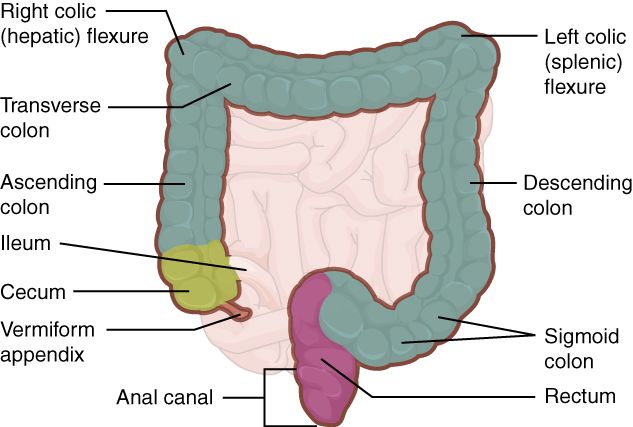
How hard or soft stool is comes down to water and how fast it moves. Every laxative either adds water, holds water, or hurries things along before water can be taken back.
Bulk-forming laxatives include psyllium and methylcellulose, which are soluble fibers, and calcium polycarbophil, a man-made water-holding material. They soak up water, swell, and stretch the bowel wall. That sets off the bowel's squeezing waves (peristalsis). They are among the safest classes and can be used every day for good. But they take 12 to 72 hours. And they carry one real danger. Taken without enough fluid, they can swell into a blockage in the food pipe or bowel. Teach a full glass of water with every dose. Never give one to a patient who cannot swallow well.
Osmotic laxatives pull water into the bowel. Polyethylene glycol 3350 (PEG) is the workhorse for long-term constipation. It is well tolerated, is not absorbed, causes no cramps, and is safe long-term. Lactulose is a sugar that is not absorbed, and it has a second job. In hepatic encephalopathy, confusion from liver failure, gut bacteria break it down into acid. The acid traps ammonia as ammonium so it leaves in the stool. In that setting, the dose is adjusted to 2 to 3 soft stools a day. A patient who is not passing stool is a patient whose ammonia is climbing. Magnesium salts work fast but build up dangerously when the kidneys are weak. Sodium phosphate products can cause severe electrolyte shifts and kidney damage from phosphate (acute phosphate nephropathy). Avoid them in older adults and anyone with kidney or heart disease.
Stimulant laxatives (senna, bisacodyl) irritate the gut's nerves directly. They cause a bowel movement in 6 to 12 hours by mouth, or 15 to 60 minutes by suppository. They cause cramps. Long-term use is linked to a harmless dark color in the colon lining (melanosis coli). Coated (enteric-coated) bisacodyl must not be crushed. It must not be taken within an hour of milk or antacids. Lowering stomach acid dissolves the coating early and irritates the stomach. Docusate, a stool softener, is the most ordered and least effective laxative in the hospital. The evidence for it alone is weak. Its real role is paired with senna for constipation caused by opioids. Mineral oil greases the bowel. But it risks lung damage (lipoid pneumonia) if breathed in, and it blocks absorption of the fat-soluble vitamins.
Two newer groups matter. Secretagogues make the intestine release fluid. They include lubiprostone, which opens chloride channels, and linaclotide and plecanatide, which turn on guanylate cyclase-C. They can cause severe dehydration in young children. Linaclotide's boxed warning and the rule against its use now apply to children under 2. The label was revised in 2021; it used to say under 6. Plecanatide's label still says not to use it under age 6. And PAMORAs are a clever idea. These gut-only opioid blockers include methylnaltrexone, naloxegol, and naldemedine. They block the opioid receptors in the gut that cause constipation while staying out of the brain. So the patient keeps their pain control and gets their bowels back.
| Class | Prototype | Key effect / onset | Safety alert |
|---|---|---|---|
| Bulk-forming | Psyllium | Absorbs water, adds bulk; 12 to 72 h | Full glass of water with every dose: obstruction risk without it. Safest for long-term use. |
| Osmotic | Polyethylene glycol 3350 | Draws water into the lumen; 1 to 3 days | First-line for chronic constipation. Lactulose is titrated to 2 to 3 soft stools/day in hepatic encephalopathy. |
| Saline osmotic | Magnesium hydroxide/citrate | Rapid osmotic pull; 30 min: 6 h | Avoid in renal impairment: magnesium toxicity. Sodium phosphate risks phosphate nephropathy. |
| Stimulant | Senna, bisacodyl | Stimulates enteric nerves; 6 to 12 h oral | Cramping; do not crush enteric-coated bisacodyl or give within 1 h of milk/antacids. |
| Surfactant (softener) | Docusate sodium | Lets water enter stool; 1 to 3 days | Weak as monotherapy; use paired with senna for opioid-induced constipation. |
| Secretagogue | Lubiprostone, linaclotide | Triggers intestinal fluid secretion | Nausea (take lubiprostone with food). Linaclotide: boxed warning, not allowed under age 2. Plecanatide: not allowed under age 6. |
| PAMORA | Methylnaltrexone, naloxegol | Blocks gut opioid receptors without reversing analgesia | Reserved for opioid-induced constipation; contraindicated in known or suspected bowel obstruction (perforation risk). |
One rule outranks all of the above. Never give a laxative to a patient with belly pain of unknown cause, a possible blocked bowel, or possible appendicitis. Stirring up the bowel against a blockage or an inflamed appendix invites a burst. A rigid belly, no bowel sounds, vomiting, and no gas: that patient needs an assessment, not a dose.
Antidiarrheals: slowing down, carefully
Loperamide is a mu-opioid agonist that acts on the gut and barely enters the brain at normal doses. That is why it is sold over the counter. It is not harmless. In the huge doses seen in opioid misuse, loperamide blocks sodium and potassium channels in the heart. It causes a long QT, torsades de pointes, and cardiac arrest. That led to an FDA warning and limits on package size. Repeat the top limit: 8 mg a day over the counter, 16 mg a day by prescription.
Diphenoxylate with atropine is a Schedule V opioid. The small dose of atropine is there only to make an overdose unpleasant. So anticholinergic symptoms are the sign that someone took too much. Bismuth subsalicylate is mild and useful for traveler's diarrhea, with the usual salicylate (aspirin-type) cautions. Octreotide handles severe watery diarrhea from carcinoid syndrome, a VIPoma (a hormone-making tumor), or chemotherapy diarrhea that will not stop. Cholestyramine treats diarrhea from bile acids. And for most sudden infectious diarrhea, the real treatment is oral rehydration solution. It is water plus sodium plus glucose. It works through the sodium-glucose carrier in the gut, which keeps working even when the gut is inflamed.
Now the rule that shows up on every test and, more important, at every bedside. Do not give a drug that slows the gut to a patient with bloody diarrhea, high fever, or possible C. difficile. Diarrhea is how the body flushes out a toxin. Slowing the gut keeps the toxin against the lining. That can bring on toxic megacolon: a swollen, stalled colon that can burst. If a patient on antibiotics gets new watery diarrhea, the answer is a C. difficile test, contact precautions, hand washing with soap and water (alcohol does not kill spores), and a call to the provider. Not loperamide.
- Bulk-forming laxatives are the safest for long-term use but need a full glass of water. PEG 3350 is first-line for long-term constipation.
- Lactulose for confusion from liver failure is adjusted to 2 to 3 soft stools a day to trap and remove ammonia.
- No laxative with belly pain of unknown cause, a possible blocked bowel, or possible appendicitis.
- No gut-slowing drug with bloody diarrhea, fever, or C. difficile, because of the risk of toxic megacolon. High-dose loperamide causes torsades.
Section 4IBD and other GI drugs
Inflammatory bowel disease
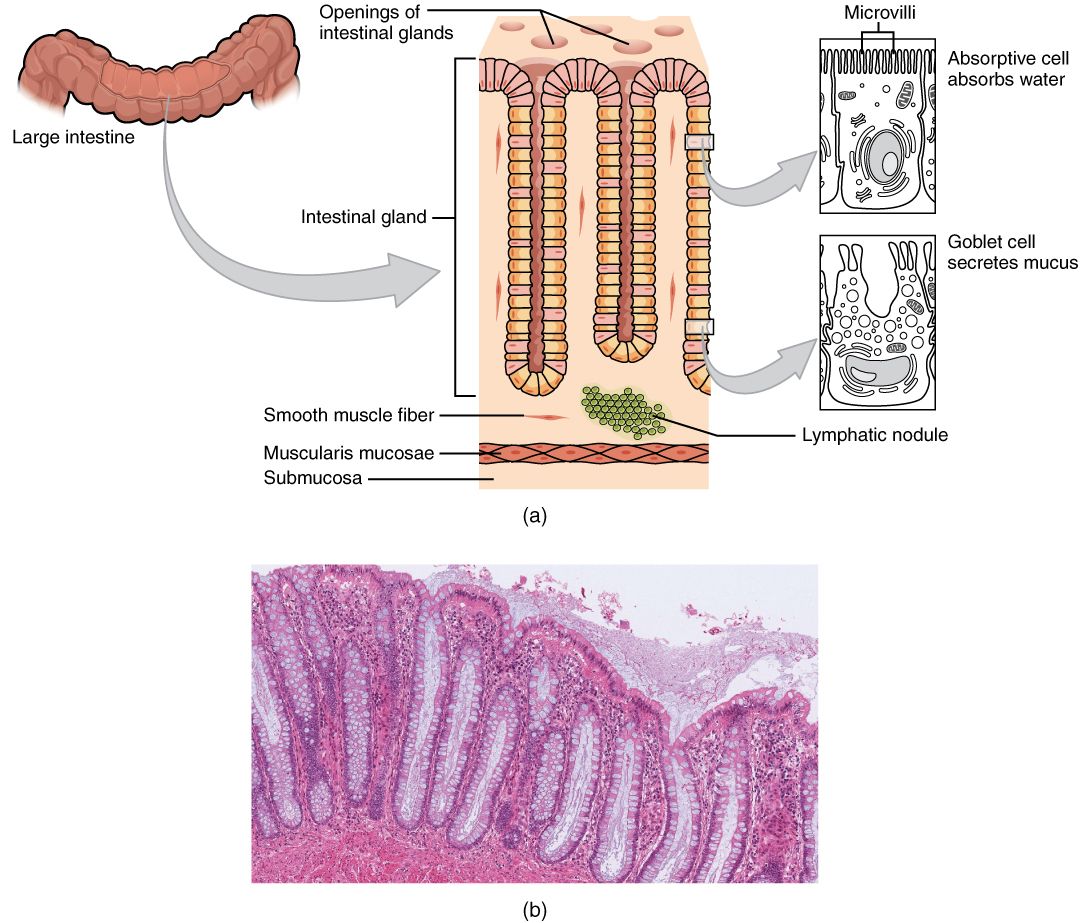
Inflammatory bowel disease (IBD) is long-lasting inflammation of the gut driven by the immune system. It comes in two shapes. Ulcerative colitis is continuous and shallow, and it stays in the colon and rectum. Crohn disease comes in patches and goes through the full thickness of the wall. It can strike anywhere from mouth to anus. That is why it causes fistulas (tunnels), abscesses, and narrowed spots (strictures). Treatment is built in two moves. First, bring on remission with something fast. Then keep it with something safe enough for years. Steroids bring on remission. They never keep it.
Aminosalicylates (5-ASA) calm inflammation on the surface of the bowel lining. Mesalamine comes as delayed-release pills and, importantly, as enemas and suppositories. For inflammation of the rectum (proctitis), a suppository puts the drug right where the disease is, with almost none reaching the body. Sulfasalazine is a prodrug. Gut bacteria split it into 5-ASA, the active half, and sulfapyridine, the half that causes most side effects. It is a sulfonamide, so ask about sulfa allergy. It stains urine, skin, and soft contact lenses orange-yellow. It causes a low sperm count that reverses. It blocks folate absorption, so patients take folic acid with it. Mesalamine can harm the kidneys, so check kidney function at the start and from time to time.
Corticosteroids break a flare. Budesonide is the clever one. The liver breaks most of it down on its first pass. So it acts on the gut with far fewer effects on the rest of the body. That makes it a good choice for mild to moderate Crohn disease in the ileum (the end of the small bowel). Prednisone pills or IV methylprednisolone handle bigger flares. Watch blood sugar, blood pressure, mood, and infection risk. Taper instead of stopping. Protect bone early.
Immunomodulators keep remission. Azathioprine and 6-mercaptopurine need TPMT and NUDT15 testing before the first dose. A patient with low enzyme activity will get a deep, possibly fatal marrow shutdown on a normal dose. Check CBC and liver enzymes. Know that pancreatitis and a higher lymphoma risk belong to this class. Methotrexate is used mainly in Crohn disease. It is given with folic acid, dosed weekly (never daily), and never allowed in pregnancy.
Biologics changed this disease. Anti-TNF drugs include infliximab (IV), adalimumab, certolizumab, and golimumab. They work very well and carry a boxed warning for serious infection and cancer. Before the first dose, every patient is screened for latent tuberculosis (a PPD skin test or an interferon-gamma release assay) and hepatitis B. Blocking TNF wakes up both. Live vaccines are not given during treatment. Bring inactivated vaccines up to date first. Newer drugs are more targeted. Vedolizumab blocks a signal that brings immune cells into the gut. So its infection risk stays mostly in the gut. Ustekinumab targets IL-12/23. Risankizumab and mirikizumab target IL-23. JAK inhibitor pills (tofacitinib, upadacitinib) work fast. But they carry a broad boxed warning for serious infection, cancer, blood clots, major heart events, and death.
| Class | Prototype | Key effect | Safety alert |
|---|---|---|---|
| Aminosalicylate | Mesalamine, sulfasalazine | Topical gut anti-inflammatory; mild-to-moderate UC | Sulfasalazine: sulfa allergy, orange-yellow staining of urine and contact lenses, give folic acid. Mesalamine: monitor renal function. |
| Corticosteroid | Prednisone, budesonide | Induces remission in a flare: never for maintenance | Glucose, blood pressure, mood, infection, bone loss. Taper; budesonide has fewer systemic effects. |
| Immunomodulator | Azathioprine, 6-mercaptopurine | Steroid-sparing maintenance | Check TPMT/NUDT15 before the first dose. Monitor CBC and LFTs; pancreatitis and lymphoma risk. |
| Anti-TNF biologic | Infliximab, adalimumab | Induces and maintains remission; heals fistulas | Screen for latent TB and hepatitis B first. Boxed warning: serious infection, malignancy. No live vaccines. Monitor infusion reactions. |
| Anti-integrin | Vedolizumab | Gut-selective blockade of lymphocyte trafficking | Favored when systemic infection risk is a concern; onset is slower than anti-TNF. |
| JAK inhibitor | Tofacitinib, upadacitinib | Oral, rapid onset for ulcerative colitis | Boxed warning: infection, malignancy, thrombosis, MACE, death. Check lipids, CBC, and clot risk. |
The rest of the GI cabinet
Prokinetics speed up a stomach that will not empty. Metoclopramide is the mainstay for slow stomach emptying from diabetes (diabetic gastroparesis). The same tardive dyskinesia warning applies, and the 12-week limit is not a suggestion. Erythromycin is borrowed from the antibiotic shelf. It turns on motilin receptors, which stir the stomach, though tolerance builds within weeks.
Antispasmodics (dicyclomine, hyoscyamine) are anticholinergics. They relax the gut's smooth muscle in irritable bowel syndrome (IBS). Their side effects are pure anticholinergic load: dry mouth, blurred vision, trouble passing urine, constipation, and confusion in older adults. Other IBS drugs include rifaximin, an antibiotic that stays in the gut. Eluxadoline is not allowed after gallbladder removal or with heavy drinking, because of pancreatitis risk. Alosetron is limited to women with severe IBS where diarrhea dominates. It is given under a special safety program (REMS), because it causes loss of blood flow to the colon (ischemic colitis).
Pancrelipase replaces the enzymes a scarred or removed pancreas no longer makes. The teaching is specific. Take it with every meal and every snack. Swallow the capsule whole. If it must be opened, sprinkle the beads on a small amount of acidic soft food such as applesauce. Foods that are not acidic dissolve the coating and destroy the enzymes. Do not let the beads sit in the mouth, since they irritate the lining. Do not go over the prescribed dose. Very high doses have been linked to scarring of the colon (fibrosing colonopathy). Ursodiol dissolves cholesterol gallstones and helps liver disease where bile does not flow well. Orlistat blocks the fat-digesting enzyme lipase and is used for weight loss. It causes oily stools and gas with leakage. It blocks absorption of vitamins A, D, E, and K. A vitamin taken at a different time of day is standard.
- IBD treatment brings on remission with steroids and keeps it with 5-ASAs, immunomodulators, or biologics. Steroids never keep it.
- Sulfasalazine: sulfa allergy, orange-yellow staining, and folic acid. Mesalamine: check the kidneys.
- TPMT/NUDT15 before azathioprine. Latent TB and hepatitis B screening before any anti-TNF biologic. No live vaccines on biologics.
- Pancrelipase goes with every meal and snack, with the capsule whole or sprinkled on acidic food only.
Section 5GI care at the bedside
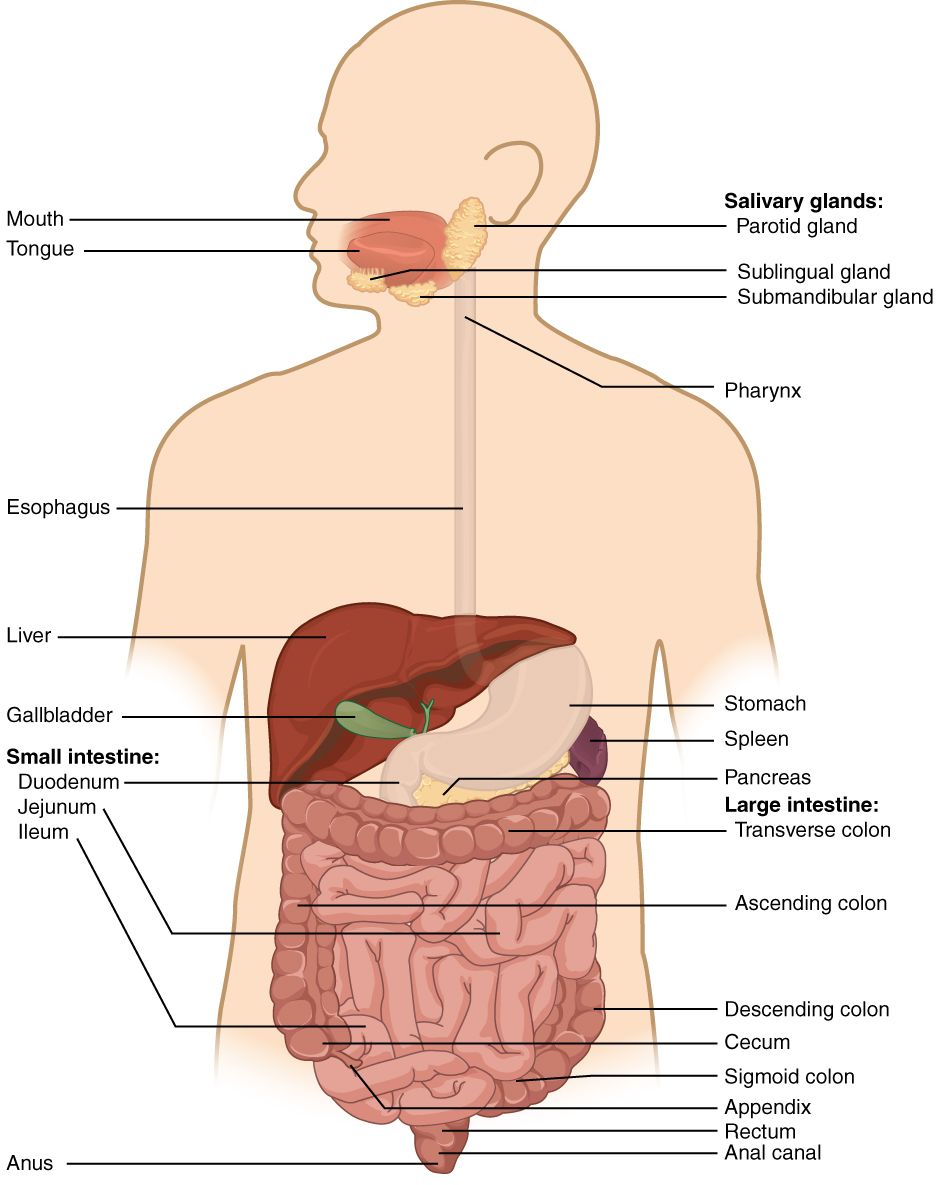
Timing is the drug
More than any other body system, GI drugs are ruled by the clock and by food. The same tablet given at the wrong hour is a different drug. Learn this table once, and you will carry it for your whole career.
| Drug | When | Why |
|---|---|---|
| Proton pump inhibitor | 30 to 60 min before the first meal | It is a prodrug: it only activates in pumps that are actively secreting. |
| H2 blocker | 30 to 60 min before the meal that sets off symptoms when the goal is preventing meal-related symptoms; scheduled daily doses may be given without regard to food, with a bedtime dose for acid at night | It has to be in the body before the meal to blunt the acid rise after eating; the bedtime dose covers the rise overnight. |
| Antacid | 1 to 2 h after meals; keep other drugs at least 1 to 2 h apart: levothyroxine 4 h, fluoroquinolones 2 h before or 6 h after | Food buffers acid first; the antacid chelates and blocks other drugs, and the chelation-prone ones need a wider gap. |
| Sucralfate | 1 h before meals and at bedtime, empty stomach; other drugs 2 h apart | It needs acid to polymerize and it binds anything else present. |
| Pancrelipase | With every meal and every snack | The enzymes must be present when the food is. |
| Bulk laxative | Any time, with a full glass of water | Without fluid it swells into an obstruction. |
| Scopolamine patch | 4 h before travel, behind the ear, change q72h | Slow transdermal onset; wash hands afterward to avoid pupil dilation. |
| Chemotherapy antiemetics | Before the chemotherapy, on a schedule | Prevention is far more effective than rescue. |
Next to timing sits the form of the drug. Many GI drugs are delayed-release or enteric-coated. These include PPIs, bisacodyl, mesalamine, and pancrelipase. Crushing them destroys them or dumps the whole dose at once. When a patient cannot swallow, do not make things up. Check a do-not-crush list, and ask the pharmacist for another form. Some products have approved workarounds. Certain PPI capsules may be opened onto applesauce. Certain PPI granules may be given through a feeding tube in a specific liquid. But those are instructions for one product, not a general permission.
What to teach
Most GI drugs treat symptoms that lifestyle also treats. A person who changes both does far better than one who changes neither. For reflux: eat smaller meals, and eat nothing within three hours of lying down. Raise the head of the bed 6 to 8 inches on blocks. Extra pillows bend the belly and make reflux worse. Lose weight if needed. Talk honestly about tobacco, alcohol, caffeine, chocolate, peppermint, and late-night eating. For ulcers: no NSAIDs without a plan to protect the stomach, and if H. pylori was found, finish every dose. For constipation: fiber, fluid, movement, and a routine. The urge to go after eating (the gastrocolic reflex) is real. Sitting on the toilet 20 minutes after breakfast works better than most drugs. For anyone on a long-term laxative, say the goal out loud: a soft, comfortable stool, not a daily one. The belief that you must go every day drives a huge amount of needless laxative use.
Then teach the warning signs, in plain words, and make sure the patient can say them back. They are black, tarry stool or vomit that looks like coffee grounds (bleeding), bright red blood, trouble swallowing, weight loss without trying, vomiting that will not stop, severe or worsening belly pain, and new indigestion after age 60. Those symptoms mean testing, not another antacid. Since GI drugs are sold over the counter, they can feel trivial. Part of your job is to make clear that treating your own heartburn for months can hide something that needed a scope.
What to monitor
Watch the labs the drug touches. On long-term PPIs, check magnesium, vitamin B12, iron, and creatinine. Low magnesium shows up as tremor, muscle spasms, rhythm problems, and low potassium that will not correct. With vomiting or diarrhea from any cause, check potassium, chloride, bicarbonate, creatinine, intake and output, daily weight, and blood pressure lying and standing. Daily weight is the most honest fluid number you have. On ondansetron, above all IV or with other drugs that lengthen the QT, check an ECG, potassium, and magnesium. On sulfasalazine or azathioprine, check the CBC and liver enzymes. On methotrexate, check liver tests and CBC. Before any anti-TNF, get TB and hepatitis B screening. And on every patient, check bowel sounds, belly swelling, the last bowel movement, and what the stool looks like. Chart it as a number and a description, not as the word "normal."
Last, hold the safety alerts close, because these are the ones that hurt people. IV promethazine causes gangrene if it leaks. Dilute it, run it slowly, use a large vein, and stop at the first report of burning. It is not allowed under age 2. Metoclopramide causes tardive dyskinesia. Screen for odd movements and respect the 12-week limit. High doses of loperamide cause torsades. Gut-slowing drugs plus C. difficile equals toxic megacolon. Misoprostol plus pregnancy equals miscarriage. And any nausea drug or antihistamine that causes sleepiness is a fall risk in an older adult. Put the bed low, keep the call light close, and set the patient's expectations before you give it.
- Timing is the treatment: PPI before breakfast, sucralfate on an empty stomach, pancrelipase with food, nausea drugs before chemo, and antacids kept apart from everything.
- Do not crush delayed-release or enteric-coated GI drugs. Ask the pharmacist for another form.
- Teach the warning signs: black stool, coffee-ground vomit, trouble swallowing, weight loss, and new indigestion after 60. Teach the lifestyle steps that work along with the drug.
- Check Mg2+ and B12 on long-term PPIs, K+ and fluid status with vomiting or diarrhea, an ECG with IV ondansetron, and TB and HBV before any biologic.
The chapter in one breath
- PPIs block the parietal cell proton pump for good and must be given 30 to 60 minutes before the first meal. Long-term use costs magnesium, B12, and resistance to infection. Pantoprazole is the safe partner for clopidogrel.
- H2 blockers are faster and weaker, with tolerance and kidney-based dosing. Antacids cancel acid at once, bind other drugs, and their mineral decides the side effect. Sucralfate is a bandage that needs acid and an empty stomach.
- Bismuth quadruple therapy is first-line for H. pylori. Teaching people to take every dose, including the alcohol and metronidazole reaction, is what makes it work.
- Vomiting has four inputs: the CTZ, vagus nerve signals from the gut, the inner ear balance system, and the cortex. Match the nausea drug to the road, and give it before the trigger, not after.
- Metoclopramide (tardive dyskinesia), promethazine (gangrene if it leaks), ondansetron (QT), and high-dose loperamide (torsades) are the GI drugs most likely to cause real harm.
- Bulk laxatives need a full glass of water. PEG is first-line for long-term constipation. Lactulose is adjusted to 2 to 3 soft stools a day for confusion from liver failure. And no laxative goes into a belly whose pain has no known cause.
- Gut-slowing drugs are not allowed with bloody or feverish diarrhea or C. difficile. Toxic megacolon is the price of stopping a protective reflex.
- IBD care means steroids to bring on remission and something else to keep it, TPMT/NUDT15 before azathioprine, and TB and hepatitis B screening before any anti-TNF biologic.
ReferenceWords worth knowing
A quick list of the terms in this chapter. Skim it now, or come back when a word trips you up.
- Aminosalicylate (5-ASA)
- A drug such as mesalamine or sulfasalazine that calms inflammation on the gut lining; used mainly for mild to moderate ulcerative colitis.
- Antacid
- A base that chemically cancels out acid already in the stomach; it works fast, lasts a short time, and binds other pills.
- Antiemetic
- Any drug that prevents or eases nausea and vomiting by blocking one of the four inputs to the vomiting center.
- Bulk-forming laxative
- Fiber or a water-holding material (psyllium, methylcellulose, calcium polycarbophil) that soaks up water and stretches the bowel; among the safest classes, but it must be taken with a full glass of water.
- Chemoreceptor trigger zone (CTZ)
- A spot in the area postrema of the medulla that sits outside the blood-brain barrier and senses vomit-causing chemicals in the blood; rich in D2, 5-HT3, and NK1 receptors.
- Delayed-release (enteric-coated)
- A pill with a coating that dissolves past the stomach; crushing it destroys the drug or dumps the whole dose at once.
- Dyspepsia
- Upper belly discomfort, fullness, or burning; new indigestion after age 60 is a warning sign, not something to treat on your own.
- Gastroesophageal reflux disease (GERD)
- Stomach contents flowing back up into the food pipe, causing symptoms; treated with acid lowering plus changes in position and diet.
- H2-receptor antagonist
- A drug such as famotidine that blocks histamine at the parietal cell; faster but weaker than a PPI, with tolerance and kidney-based dose changes.
- Hepatic encephalopathy
- Confusion caused by ammonia building up in liver failure; treated with lactulose adjusted to 2 to 3 soft stools a day, often with rifaximin.
- Inflammatory bowel disease (IBD)
- Long-lasting bowel inflammation driven by the immune system: ulcerative colitis (continuous, in the colon, shallow) or Crohn disease (patchy, full thickness, mouth to anus).
- Melena
- Black, tarry stool from digested blood, a sign of bleeding high in the gut; an urgent finding, never a drug side effect to shrug off (except the harmless darkening from bismuth or iron).
- Osmotic laxative
- A drug such as polyethylene glycol or lactulose that pulls water into the bowel to soften stool.
- PAMORA
- A gut-only opioid blocker (methylnaltrexone, naloxegol) that eases constipation from opioids without undoing pain relief.
- Parietal cell
- The stomach cell that makes hydrochloric acid through the H+/K+-ATPase, and intrinsic factor for B12 absorption.
- Peptic ulcer disease (PUD)
- A break in the stomach or duodenum lining, caused most often by H. pylori or NSAIDs rather than by too much acid alone.
- Prokinetic
- A drug such as metoclopramide that speeds up stomach emptying and movement through the gut.
- Proton pump inhibitor (PPI)
- A prodrug that shuts down the parietal cell H+/K+-ATPase for good; the strongest acid lowerer, given before the first meal of the day.
- Quadruple therapy
- The preferred H. pylori plan: a PPI plus bismuth, tetracycline, and metronidazole for 10 to 14 days.
- Rebound acid hypersecretion
- A surge of acid making after suddenly stopping a long-term PPI; the reason to taper instead of stopping.
- Stimulant laxative
- A drug such as senna or bisacodyl that irritates the gut's nerves to set off squeezing waves; works in 6 to 12 hours by mouth, with cramps.
- Sucralfate
- A drug that turns sticky in acid and forms a protective paste over an ulcer; needs an empty stomach and must be kept apart from all other pills.