Reproductive System Drugs
Almost none of these drugs cure a disease. They prevent a pregnancy or help one happen. They ease menopause, restart a stalled labor, shrink a prostate, or bring back an erection. And every one of them touches something a person may find very private. That makes this area unusual. The science is hard, and the conversation is delicate. You have to be good at both at the same time. This chapter covers the hormones and the drugs that copy, block, or trick them. Then it does what matters most. It names exactly what you watch, teach, and refuse to let slide. Two drugs in this chapter are on the high-alert list. One of them kills people who were given nitroglycerin while being checked for chest pain. Another is dangerous to a pregnant person who merely picks up a broken tablet.
By the end of this chapter you can
- Explain how estrogen and progestin stop ovulation, and compare combined birth control with progestin-only birth control.
- Name the people who must not use birth control with estrogen because of clot risk, and teach the ACHES warning signs.
- Describe the role of hormone replacement therapy, why a uterus needs an added progestin, and what the boxed warnings say.
- Explain how clomiphene brings on ovulation, and which side effect means stop the drug and call.
- Adjust and watch oxytocin safely, spot tachysystole, and give the emergency response.
- Compare tocolytics, and describe magnesium sulfate checks and its antidote.
- Teach testosterone safety (including passing it to others by touch), and explain why PDE-5 inhibitors plus nitrates can be fatal.
- Compare alpha-1 blockers and 5-alpha reductase inhibitors for BPH, including how fast they work, their effect on PSA, and handling cautions in pregnancy.
Section 1Female hormones and contraception
The two hormones behind almost everything in this section
Estrogen builds. The body's main one is estradiol. It thickens the uterine lining (endometrium) in the first half of the cycle. It keeps bones strong, keeps vaginal tissue plump and moist, and improves blood fat levels. Progesterone steadies. After ovulation, it turns that growing lining into a calm lining ready to receive an embryo. It thickens the mucus at the cervix into a plug. It calms the muscle of the uterus. When progesterone falls, the lining sheds. That drop is a period.
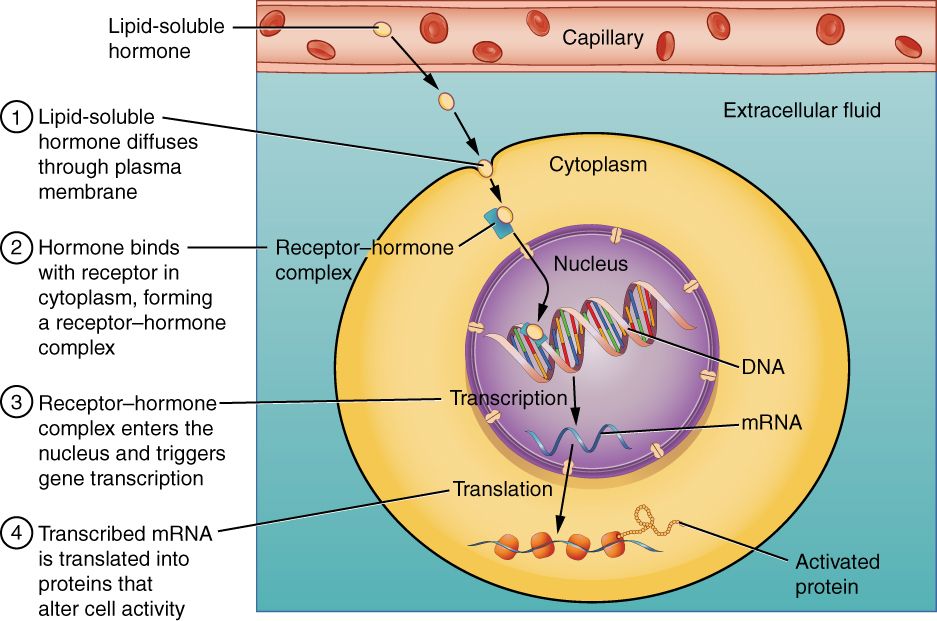
Both are steroid hormones, which explains a lot about how they act as drugs. They dissolve in fat. So they pass right through the cell membrane and bind receptors inside the cell that then act on DNA. That means their effects take days to build and days to fade. Nobody feels a birth control pill work. It also explains how they can be taken by mouth at all. A small chemical change (adding an ethinyl group to make ethinyl estradiol) protects the molecule from being destroyed in the liver on its first pass. That same trip through the liver is where the trouble starts. The liver responds to estrogen by mouth by making more clotting factors.
How contraception actually works
A combined hormonal contraceptive has a man-made estrogen, almost always ethinyl estradiol. It also has a progestin, such as norethindrone, levonorgestrel, norgestimate, or drospirenone. Steady hormone levels signal back to the hypothalamus and pituitary. They flatten the mid-cycle LH surge. No surge, no ovulation. The progestin adds two backup layers. It thickens the cervical mucus so sperm cannot swim through. It thins the uterine lining so an embryo is unlikely to attach. The estrogen has one more job that is plain but important. It steadies the lining so the person does not spot all the time.
A progestin-only method leaves out the estrogen entirely. The classic norethindrone "mini-pill" works mostly through the mucus and the lining. It stops ovulation only some of the time. That is why it has a strict three-hour window. More than three hours late counts as a missed dose. Take it, and use a backup method for 48 hours. A newer drospirenone-only pill has a kinder 24-hour window. The shot, the implant, and the hormone IUD are progestin-only too. The person cannot forget them daily, so they work far better in real life.
| Method | Prototype | Key effect | Safety alert |
|---|---|---|---|
| Combined oral pill | Ethinyl estradiol + norethindrone / levonorgestrel | Blocks the LH surge; thickens mucus; thins endometrium | Contains estrogen: screen for clot risk; teach ACHES; same time daily |
| Transdermal patch | Norelgestromin + ethinyl estradiol | Weekly patch ×3, then a patch-free week | Higher estrogen exposure than pills: greater VTE risk; less effective at higher body weight; rotate sites, never the breast |
| Vaginal ring | Etonogestrel + ethinyl estradiol | In 3 weeks, out 1 week (or a 1-year reusable ring) | Still estrogen: same contraindications; may be out up to 3 h; no refrigeration hysteria, just teach the schedule |
| Progestin-only pill | Norethindrone 0.35 mg | Mucus + endometrium; inconsistent ovulation block | 3-hour window. Safe when estrogen is not: breastfeeding, migraine with aura, VTE history |
| Injection | Medroxyprogesterone acetate (DMPA) IM/SubQ every 13 weeks | Reliably suppresses ovulation | Boxed warning: bone loss with long use; teach calcium, vitamin D, and weight-bearing exercise; fertility may take 10 to 18 months to return |
| Implant | Etonogestrel, up to 5 years, subdermal upper arm | Most effective reversible method | Approved length was extended from 3 to 5 years, so check the removal date against the current label. Irregular bleeding is the top reason people have it removed, so say so before it goes in, not after |
| Hormonal IUD | Levonorgestrel, 3 to 8 years | Local progestin; often stops periods entirely | Teach string checks; sudden severe pelvic pain or a positive pregnancy test needs same-day evaluation (ectopic) |
| Emergency contraception | Levonorgestrel 1.5 mg (OTC); ulipristal 30 mg (Rx); copper IUD | Delays or blocks ovulation; copper IUD is most effective | Not an abortifacient: it will not end an established pregnancy. Sooner is better; efficacy of levonorgestrel drops at higher body weight |
Clot risk, and the conversations that flow from it
This is the part of the chapter that saves lives. Estrogen taken by mouth passes through the liver. It pushes the liver to make more clotting factors while lowering some natural anticlotting proteins. The result is about a three- to fourfold rise in the risk of blood clots in the veins (venous thromboembolism). In a healthy young person, that is still a small number. It is lower than the clot risk of pregnancy itself, which is worth saying out loud to a scared patient. But it is not small at all once another risk factor stacks on top.
Methods with estrogen are not allowed for a person who smokes and is 35 or older. They are not allowed with migraine with aura at any age. They are not allowed after a past blood clot or with a known clotting disorder. They are not allowed with uncontrolled high blood pressure or less than 21 days after giving birth. They are not allowed with active breast cancer, lupus with antiphospholipid antibodies, or blood vessel damage from diabetes. Notice how many of these you only learn by asking. "Do your headaches come with flashing lights, zigzag lines, or a blind spot before the pain starts?" is a question that changes a prescription. For nearly all of these people, a progestin-only method is the answer, because it does not carry the estrogen clot risk. One exception is worth memorizing. Current breast cancer rules out progestin-only methods too. The tumor may be fed by hormones. So that person needs a method with no hormones (a copper IUD, a barrier method, or sterilization), not a switch to the mini-pill.
Teach the ACHES warning signs, and have the patient say them back. Abdominal pain that is severe. Chest pain or shortness of breath. Headache that is severe, sudden, or new with brain signs. Eye problems, such as vision loss or blurring. Severe leg pain or swelling, above all in one calf. Any of these means stop the pill and be seen today.
One more teaching point gets mangled all the time. Most antibiotics do not make birth control work less well. The real culprits are strong CYP3A4 inducers. These include rifampin and rifabutin, carbamazepine, phenytoin, phenobarbital, primidone, higher-dose topiramate, some HIV protease inhibitors, and St. John's wort. They speed up hormone breakdown and can drop levels below the point that prevents pregnancy. Ask about herbs by name. Patients rarely bring them up.
Hormone therapy at menopause
When the ovaries retire, estrogen falls, and some people are miserable. They have hot flashes, night sweats, ruined sleep, vaginal dryness and painful sex, and faster bone loss. Dryness and painful sex are now called genitourinary syndrome of menopause. Menopausal hormone therapy is the most effective treatment there is for hot flashes and night sweats. It is also the drug class the Women's Health Initiative study made everyone afraid of. The honest modern view sits between the extremes. Think of a person with symptoms who is under 60, or within 10 years of menopause, and has no reason not to take it. For them, the benefits generally outweigh the risks. Started later, the math flips.
The one rule you must never forget: a person with a uterus needs a progestin. Estrogen alone drives the uterine lining to grow without ever shedding. That is a straight road to an overgrown lining (endometrial hyperplasia) and uterine cancer. If the uterus has been removed, estrogen alone is right and actually has a better risk profile. Estrogen that acts on the whole body carries boxed warnings. They cover uterine cancer, heart and vessel events including stroke and blood clots, probable dementia when started in older women, and, with an added progestin, breast cancer. Give the lowest dose that works for the shortest sensible time, and review the choice every year.
Some people's only complaint is vaginal dryness or painful sex. For them, low-dose vaginal estrogen (cream, tablet, or ring) is a different animal. Very little reaches the blood. In practice it does not carry the same warnings. It usually does not need a progestin. Teach that it takes several weeks to work, and that stopping it means the symptoms come back.
- Combined birth control works by flattening the LH surge (no ovulation), plus thick mucus and a thin lining.
- Estrogen raises clot risk. It is not allowed with smoking at 35 or older, migraine with aura, a past clot, uncontrolled high blood pressure, or soon after giving birth. Use a progestin-only method instead.
- Teach ACHES. Teach that CYP3A4 inducers (rifampin, several seizure drugs, St. John's wort), not ordinary antibiotics, can make birth control fail.
- In hormone therapy, a uterus means a progestin. DMPA's boxed warning is bone loss.
Section 2Fertility and pregnancy drugs
Making ovulation happen: clomiphene and its relatives
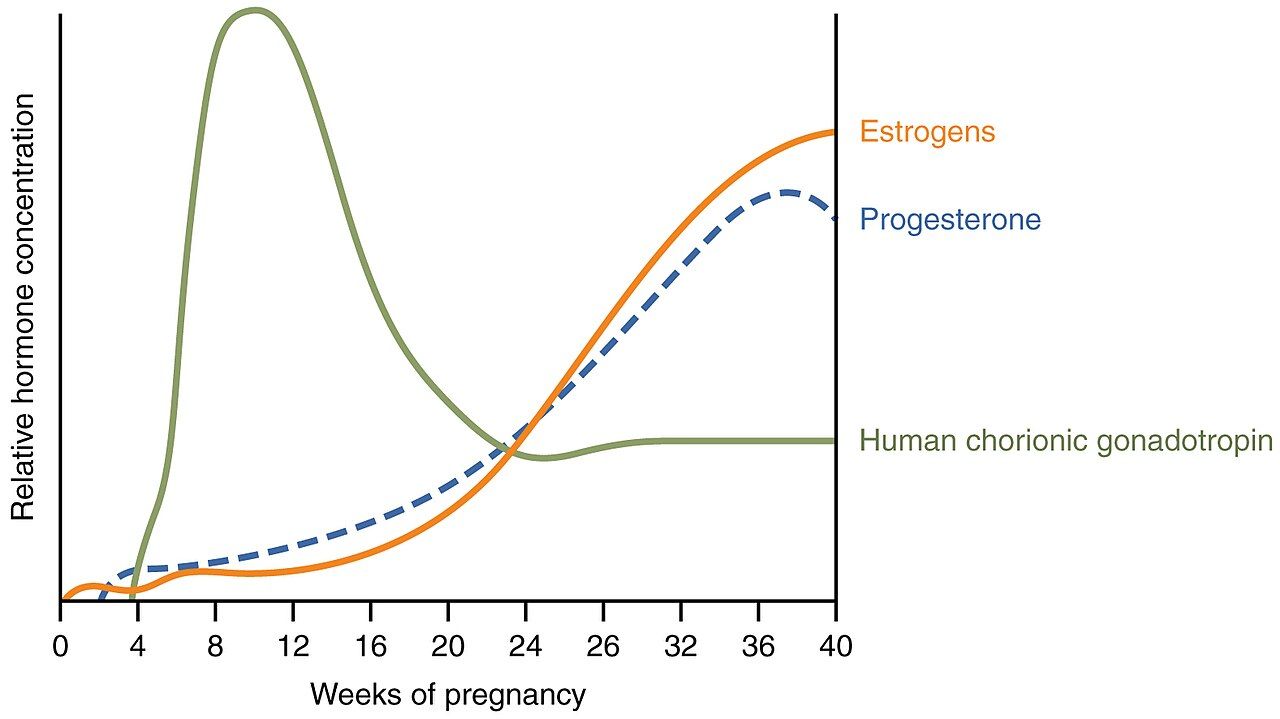
Clomiphene citrate is a clever bit of drug trickery. It is a selective estrogen receptor modulator that blocks estrogen receptors in the hypothalamus. The hypothalamus uses that estrogen signal to know estrogen is there. Without it, it decides levels are low and sends out more GnRH pulses. The pituitary answers with more FSH and LH. Follicles (egg sacs) grow, and ovulation follows. It is usually taken for five days early in the cycle, often days 5 through 9. Ovulation is expected about 5 to 10 days after the last tablet. The patient needs that timing, because the drug does nothing if nobody knows when to try.
The side effects follow from a "short, chemical lack of estrogen plus stirred-up ovaries." They are hot flashes, mood swings, sore breasts, belly bloating, and larger ovaries. Two matter more. Vision changes (blurring, floaters, flashes of light, afterimages) mean stop the drug and report right away. They usually go away, but not always. And clomiphene raises the chance of more than one baby to about 5 to 10 percent, mostly twins. That is a real conversation, not a footnote. Letrozole, an aromatase inhibitor borrowed from cancer care, has quietly become first-line for bringing on ovulation in polycystic ovary syndrome (PCOS). It gives more live births and fewer multiples than clomiphene.
When those fail, gonadotropin shots (menotropins, follitropin alfa) stir the ovary directly. Then an hCG trigger shot finishes ripening the egg and releases it. Their main danger is ovarian hyperstimulation syndrome (OHSS). The ovaries swell, small blood vessels leak, and fluid pours into the belly and chest. Teach the patient to call for fast weight gain (more than about 2 pounds a day), a swollen belly, severe pain, nausea and vomiting, less urine, or shortness of breath. Severe OHSS means a hospital stay with a real risk of clots. It is not just a bad week.
Oxytocin: the drug that needs your full attention
Oxytocin binds receptors on the smooth muscle of the uterus and makes it contract. The number of receptors climbs steeply near term. That is why the same dose that does nothing at 20 weeks can overstimulate at 40. It is a high-alert medication, meaning an error is more likely to cause serious harm. It earns that label honestly. There is no antidote, and no way to undo a contraction that has already squeezed the umbilical cord.
Give it as a dilute second (piggyback) drip into a main IV line. Always use a programmable pump. Connect it at the port closest to the patient, so it can be shut off at once with little drug left in the line. Doses are ordered in milliunits per minute. They are raised slowly based on how the contractions respond. After birth, the goal flips. A much larger dose runs to clamp down a soft (boggy) uterus and stop bleeding from a uterus that will not contract.
What you watch: how often contractions come, how long they last, how strong they are, and the resting tone between them. Also watch the fetal heart rate pattern. Tachysystole means more than five contractions in 10 minutes, averaged over 30 minutes. If it comes with a worrying fetal heart rate pattern, act. Here is the order to memorize. Stop the oxytocin. Turn the patient onto her left side. Give an IV fluid bolus. Give oxygen if needed. Tell the provider. Expect a tocolytic, such as terbutaline, to relax the uterus. Oxytocin is also built much like ADH. So long, high-dose drips with hypotonic fluid can cause water overload (water intoxication). Watch intake and output, headache, confusion, and falling sodium.
| Class | Prototype | Key effect | Safety alert |
|---|---|---|---|
| Ovulation inducer (SERM) | Clomiphene citrate | Blocks hypothalamic estrogen receptors, raising FSH/LH | Visual changes = stop and report. Counsel on multiples and OHSS |
| Ovulation inducer (aromatase inhibitor) | Letrozole | Lowers estrogen synthesis, raising FSH: first-line in PCOS | Fewer multiples than clomiphene; still monitor for OHSS |
| Uterotonic (posterior pituitary) | Oxytocin | Contracts uterine smooth muscle; induces/augments labor; controls postpartum atony | HIGH ALERT. Pump + piggyback at the closest port. Tachysystole (>5 in 10 min) → stop the drip, left side, fluids, O₂, tell the provider. Watch for water overload |
| Uterotonic (ergot) | Methylergonovine | Sustained uterine contraction for postpartum hemorrhage | Check the BP first: contraindicated in hypertension and preeclampsia (severe vasoconstriction) |
| Uterotonic (prostaglandin) | Carboprost tromethamine | Powerful contraction for refractory atony | Contraindicated in asthma (bronchospasm). Expect fever, diarrhea, vomiting: premedicate |
| Cervical ripening / uterotonic | Misoprostol | Softens the cervix; also contracts the uterus | Do not use for ripening with a prior cesarean scar (rupture risk); teratogenic if given for other indications in pregnancy |
| Tocolytic (CCB) | Nifedipine | Relaxes uterine muscle: usual first-line to delay preterm birth | Watch for maternal hypotension, flushing, headache. Avoid combining with magnesium (neuromuscular blockade) |
| Tocolytic (beta-2 agonist) | Terbutaline | Relaxes the uterus; also rescues tachysystole | Short-term only: FDA warns against prolonged use (maternal cardiac events, death). Watch tachycardia, tremor, pulmonary edema, hyperglycemia |
| Tocolytic (NSAID) | Indomethacin | Inhibits prostaglandins: used briefly before 32 weeks | Fetal ductus arteriosus constriction and oligohydramnios: limit to about 48 hours |
| Anticonvulsant / neuroprotectant | Magnesium sulfate | Seizure prophylaxis in preeclampsia; fetal neuroprotection before 32 weeks | HIGH ALERT. Monitor DTRs, RR ≥12, urine output ≥30 mL/h, LOC. Antidote: calcium gluconate |
| Antenatal corticosteroid | Betamethasone | Accelerates fetal lung maturity (surfactant) | Two IM doses 24 h apart: the benefit is time-dependent, so give on schedule. Watch maternal glucose |
| Immune globulin | Rho(D) immune globulin | Prevents maternal Rh sensitization | At ~28 weeks and within 72 hours of birth of an Rh-positive infant, and after any sensitizing event |
Stopping labor, and the drug that watches the drug
Tocolytics buy time, not a full-term pregnancy. Nobody stays pregnant to 40 weeks because of nifedipine. The real goal is 48 hours. That is long enough for two doses of betamethasone to ripen the baby's lungs. It is also long enough to move to a hospital with a newborn ICU. Putting it that way for a scared patient is honest and oddly comforting. We are not failing. We are buying the two days that matter most.
Magnesium sulfate needs its own paragraph, because it is the drug people get asked about and see most. It is not really used to stop contractions anymore. Its jobs are preventing seizures from eclampsia and protecting the brain of a premature baby. Magnesium slows the brain and nerves. As the level rises, toxicity climbs a set ladder. Deep tendon reflexes disappear first. Then breathing slows. Then the heart's electrical signals fail: a slow heart rate, heart block, and arrest. That order is a gift. It means checking reflexes warns you long before anything terrible happens. Urine output is not a rung on that ladder. It is the reason the ladder gets climbed. Magnesium leaves through the kidneys. So urine under 30 mL an hour means the drug is building up. That makes low urine a reason to hold and notify on its own. Stop the drip, tell the provider, and get a magnesium level, before reflexes or breathing are lost. Keep calcium gluconate at the bedside. One gram IV pushes magnesium aside and reverses it. It is saved for slowed breathing or heart toxicity, not for low urine alone.
- Clomiphene blocks estrogen receptors in the hypothalamus → more FSH and LH → ovulation. Vision changes mean stop the drug. Counsel on multiples and OHSS.
- Oxytocin is high-alert: pump, piggyback, milliunits per minute, and constant contraction and fetal heart rate monitoring.
- Tachysystole is >5 contractions in 10 min. Stop the drip, turn to the left side, give fluids and oxygen, tell the provider, and consider terbutaline.
- Magnesium sulfate: watch reflexes, breathing rate, urine output, and alertness. Reflexes vanish first, then breathing, then the heart's signals. Urine <30 mL/h is a hold-and-notify sign of build-up. Calcium gluconate is the antidote for breathing or heart toxicity.
Section 3Male hormones and ED drugs
Testosterone: replacement, not enhancement
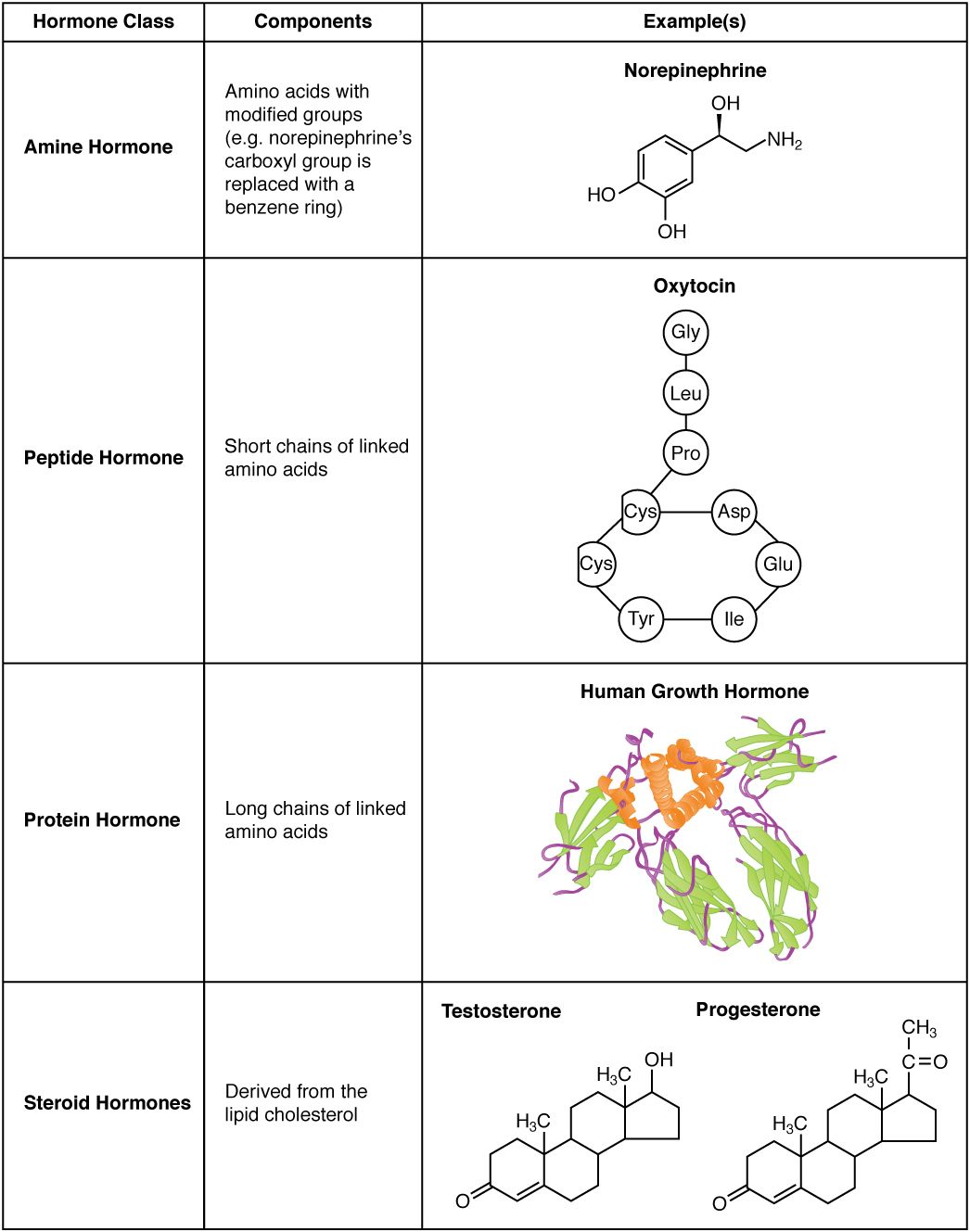
Testosterone is made mostly by the Leydig cells of the testes, under the control of LH. It builds muscle and bone. It drives sex drive and sperm making. It creates the adult male body traits. As a drug, it is a Schedule III controlled substance in the United States, because it is widely misused to build muscle and boost performance.
The proper reason to use it is confirmed hypogonadism (low testosterone). That means symptoms plus at least two low morning total testosterone levels. It does not mean "feeling tired at fifty." That difference matters for care, not for judging. In a man with normal testosterone, replacement gives no benefit. It still brings the full list of side effects and shuts down his own making of the hormone.
Plain testosterone pills are destroyed by the liver on the first pass. The older pills that survived (17-alpha-alkylated androgens) harmed the liver. That is why the routes are creative. (Newer testosterone undecanoate capsules get around this. They are absorbed through the lymph system instead of the portal vein. They must be taken with food and carry a boxed warning for raising blood pressure.) Skin gels carry a boxed warning for passing the drug to others. It moves by skin contact. It has caused male changes (virilization) in children and partners who simply hugged the patient. Teach it every single time. Apply it to the shoulders, upper arms, or belly as the product says. Wash your hands right away. Let it dry. Cover the site with clothing. Wash the area before skin-to-skin contact. Shots into the muscle of cypionate or enanthate are given every 1 to 2 weeks. They cause a peak-and-dip roller coaster of mood and energy that patients notice. Undecanoate shots into the muscle last about 10 weeks. But they need a special safety program (REMS) with 30 minutes of watching in the office. That is because of tiny oil clots in the lungs and anaphylaxis. Patches, tablets placed in the cheek, nose gel, and pellets placed under the skin round out the list.
What you check is specific and testable. Check the hematocrit. Testosterone boosts red cell making. A hematocrit climbing past about 54 percent means hold the drug and reassess, because thick blood causes strokes. Check the PSA and a prostate exam at the start and at follow-up. Testosterone is not allowed with known prostate or male breast cancer. Also check testosterone levels, blood fats, blood pressure, and signs of worsening sleep apnea. Expect acne, oily skin, swelling, mood changes, and smaller testicles. And there is one effect patients are never told about and must be. It causes infertility. Testosterone from outside shuts down the LH and FSH that drive sperm making. A man trying to father a child should not be on testosterone. It is also not allowed in pregnancy and can cause male changes in a female fetus.
PDE-5 inhibitors, and the interaction that kills
An erection is a plumbing event with a chemical trigger. Sexual arousal releases nitric oxide (NO) in the spongy tissue of the penis (corpus cavernosum). NO raises a signal molecule called cGMP. cGMP relaxes the smooth muscle of the arteries. Blood floods in and squeezes shut the veins that drain it. The enzyme phosphodiesterase type 5 (PDE-5) breaks down cGMP and ends the erection. PDE-5 inhibitors (sildenafil, tadalafil, vardenafil, avanafil) block that enzyme. So cGMP lasts, and the erection is firmer and lasts longer. Key point: they boost a signal; they do not create one. Without sexual arousal and NO release, nothing happens. People who expect an automatic result are let down and stop the drug, so say it plainly.
Now the part that must never be fumbled. Nitrates work by giving off nitric oxide. They include nitroglycerin, isosorbide mononitrate or dinitrate, and the street drugs called "poppers" that are breathed in (amyl or butyl nitrite). Combine a drug that floods the body with NO and a drug that stops cGMP from breaking down. You get a deep, long, stubborn drop in blood pressure. It does not respond well to fluids or blood pressure drugs. People have died. This is a firm, absolute ban, not a caution.
Here is the scene to burn in. A middle-aged man arrives with chest pain. The reflex is nitroglycerin under the tongue. Ask about PDE-5 inhibitors first. Ask in a way that gets an honest answer: privately, with no spouse or audience. The required nitrate-free gaps before a nitrate may be given are these. Wait at least 12 hours after avanafil, the shortest-acting of the group. Wait 24 hours after sildenafil or vardenafil. Wait at least 48 hours after tadalafil, which lasts much longer. Also ask about poppers, which people do not think of as medicine at all.
| Drug | Onset / duration | Key effect | Safety alert |
|---|---|---|---|
| Sildenafil | ~30 to 60 min; ~4 to 6 h | PDE-5 inhibition; also approved, under a separate name and dose, for pulmonary arterial hypertension | Fatty meals delay onset. Bluish vision tinge (PDE-6 cross-effect). No nitrate for 24 h |
| Tadalafil | ~30 to 45 min; up to 36 h | Longest acting; also 2.5 to 5 mg daily for ED and/or BPH symptoms | No nitrate for 48 h: the long tail is the trap. Back pain and myalgia are common |
| Vardenafil | ~30 to 60 min; ~4 to 6 h | PDE-5 inhibition | QT prolongation: avoid with class IA/III antiarrhythmics. No nitrate for 24 h |
| Avanafil | ~15 to 30 min; ~6 h | Fastest onset, shortest acting, more PDE-5 selective | No nitrate for at least 12 h: the shortest hold of the class |
| Alprostadil | Minutes; ~1 h | Prostaglandin E1: intracavernosal injection or urethral suppository; works without NO | An option when PDE-5 is contraindicated. Teach injection technique and the priapism rule |
| Testosterone | Route-dependent | Androgen replacement in confirmed hypogonadism | Schedule III. Gel transfer boxed warning. Monitor hematocrit, PSA, lipids; causes infertility |
The rest of the safety picture
PDE-5 inhibitors also stack with alpha-1 blockers. Many of these men take tamsulosin or doxazosin for BPH. Both drop blood pressure. So start at the lowest dose, make sure the alpha blocker dose is already steady, and give them at separate times. Strong CYP3A4 inhibitors such as ritonavir, ketoconazole, itraconazole, and clarithromycin raise levels sharply and call for a lower dose. The usual side effects (headache, face flushing, upset stomach, stuffy nose) are annoying, not dangerous.
Three things are emergencies, and patients must know them cold. Priapism is an erection that lasts more than 4 hours. It needs the emergency room, because tissue starved of blood turns into permanent scar. NAION is sudden, painless vision loss in one eye. Stop the drug and go now. Sudden hearing loss, sometimes with ringing or dizziness, follows the same rule. Last, remember that sex is exercise. A man whose heart is too weak to climb two flights of stairs needs a cardiology talk before an erection drug prescription, not after.
- Testosterone is Schedule III, for confirmed hypogonadism only. Check the hematocrit (hold near 54%), PSA, and blood fats. It causes infertility.
- Testosterone gel has a boxed warning for passing to others. Wash hands, cover the site, and wash before contact.
- PDE-5 inhibitors keep cGMP around and need sexual arousal to work at all.
- Nitrates are absolutely banned with them. Hold 12 h after avanafil, 24 h after sildenafil or vardenafil, and 48 h after tadalafil. An erection over 4 hours, sudden vision loss, or sudden hearing loss are emergencies.
Section 4BPH drugs
Why the prostate is a plumbing problem
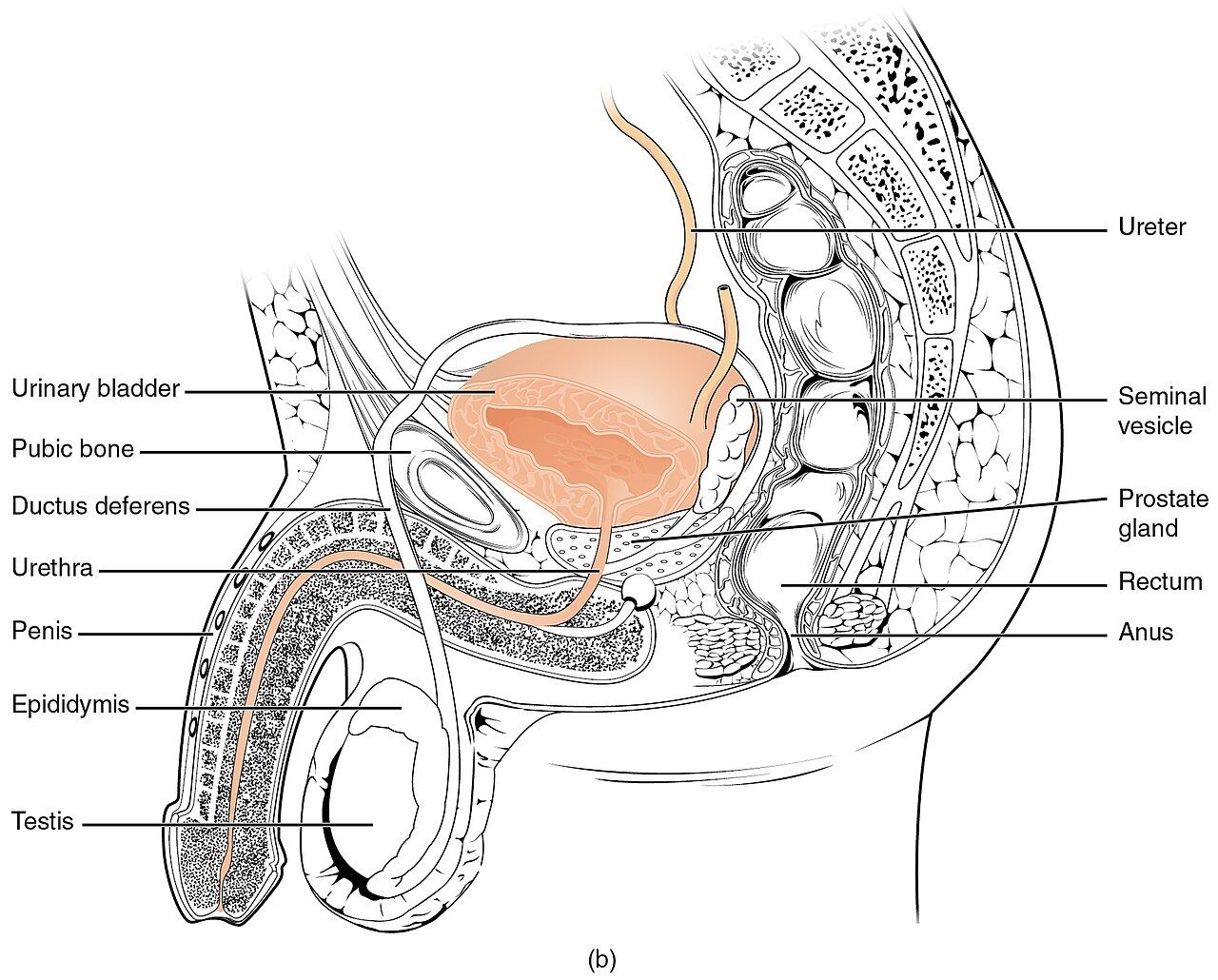
The prostate wraps around the urethra like a ring on a garden hose. With age, it grows. This is benign prostatic hyperplasia (BPH). Benign means not cancer. It does not mean harmless. Symptoms come in two types. Blockage symptoms are a weak stream, trouble starting, dribbling, and not emptying fully. Irritation symptoms are going often, urgency, and getting up at night to go. Untreated, it can lead to repeat UTIs, bladder stones, sudden inability to pass urine (acute urinary retention), and kidney damage.
Two things narrow that urethra, and each has its own drug class. One is active (dynamic) blockage: smooth muscle tone in the prostate and bladder neck, held tight by alpha-1 receptors. The other is fixed (static) blockage: the sheer bulk of gland tissue grown under the push of dihydrotestosterone. Relax the muscle, and relief comes in days. Shrink the gland, and relief comes in months. That difference in how fast they work is the most useful thing to teach. A man who expects finasteride to work by Friday will throw it away by Monday.
Alpha-1 blockers: fast relief, watch the blood pressure
Alpha-1 blockers relax smooth muscle at the bladder neck and prostate, which widens the channel. Patients notice it working within days. They split into two useful groups. The urinary-tract-focused drugs are tamsulosin, silodosin, and alfuzosin. Alfuzosin is not selective in its chemistry, but its extended-release form acts that way in practice. These act on the alpha-1A receptors packed into the prostate. They lower blood pressure fairly little. The older nonselective drugs are doxazosin and terazosin. They also block alpha-1B receptors in blood vessels. So they lower blood pressure a real amount. That is a bonus if the man also has high blood pressure, and a problem if he does not.
The classic teaching point is the first-dose effect. There is a strong drop in blood pressure on standing, and possible fainting, with the first dose or after a dose increase. Give the first dose at bedtime. Teach the patient to rise slowly and sit on the edge of the bed first. Put a fall plan in place for an older adult. (The one exception to bedtime dosing is alfuzosin ER. Its label says to take it right after the same meal each day. The teaching about dizziness on standing still applies.) Two more counseling points matter. Retrograde ejaculation is common with tamsulosin and silodosin. Semen goes backward into the bladder, which causes a "dry" orgasm and cloudy urine. It is harmless and goes away. But a man who is not warned will assume something is badly wrong. Next is intraoperative floppy iris syndrome (IFIS). Alpha blockers relax the muscle that widens the pupil. That can make cataract surgery risky, sometimes years after the drug is stopped. Anyone on one of these must tell the eye surgeon before eye surgery. Note what alpha blockers do not do. They do not shrink the prostate, do not slow the disease, and do not change the PSA.
5-alpha reductase inhibitors: slow, real, and hazardous to a fetus
Inside prostate cells, the enzyme 5-alpha reductase turns testosterone into dihydrotestosterone (DHT). DHT is a far stronger male hormone. It is the real growth signal for prostate tissue. Block that enzyme with finasteride or dutasteride, and the gland shrinks by about 20 to 25 percent. This is the only class that changes how the disease plays out. It lowers the risk of sudden retention and the need for surgery. The cost is patience. It takes 3 to 6 months before symptoms ease much, and up to a year for the full effect. It works best in men with truly large prostates.
Two facts you cannot afford to get wrong. First, 5-alpha reductase inhibitors cut the PSA about in half within 6 to 12 months. If nobody accounts for that, a prostate cancer hides behind a reassuring number. The working rule: double the PSA in a man who has been on the drug for at least six months. Look into any rise from his new baseline. Chart the drug next to the lab value.
Second, and this is the safety point of the whole section: these drugs cause birth defects. DHT drives the forming of the male outer genitals. Blocking it can feminize a male fetus. A pregnant person, or one who might become pregnant, must not handle crushed or broken finasteride tablets or leaking dutasteride capsules. The drug is absorbed through the skin. Whole, coated tablets are safe to handle. Neither drug should be crushed. Men on these drugs should not donate blood, so a pregnant person never receives it in a transfusion. The two waiting times differ. Wait at least 1 month after the last finasteride dose. Wait at least 6 months after the last dutasteride dose. Dutasteride's half-life is about 5 weeks, so it lingers for months.
| Class | Prototype | Key effect | Safety alert |
|---|---|---|---|
| Alpha-1 blocker, uroselective | Tamsulosin, silodosin, alfuzosin | Relaxes prostatic/bladder-neck smooth muscle: relief in days; minimal BP effect | Retrograde ejaculation (harmless, but warn first). IFIS: tell the eye surgeon. Still teach rising slowly. Alfuzosin ER: take right after the same meal each day |
| Alpha-1 blocker, nonselective | Doxazosin, terazosin | Same relief, plus a real drop in blood pressure | First-dose syncope: give at bedtime, rise slowly, fall precautions. Additive hypotension with PDE-5 inhibitors and antihypertensives |
| 5-alpha reductase inhibitor | Finasteride, dutasteride | Blocks testosterone → DHT; shrinks the gland ~20 to 25%; reduces retention and surgery | 3 to 6 months to work. Cuts the PSA in half, so double the value. Causes birth defects: no one pregnant handles broken tablets; no blood donation (1 month after finasteride, 6 months after dutasteride) |
| Combination | Dutasteride + tamsulosin | Fast relief plus long-term shrinkage: best for large glands | Both alert sets apply at once |
| PDE-5 inhibitor | Tadalafil 5 mg daily | Improves BPH symptoms and ED together | Absolute nitrate contraindication still applies: 48 h. Additive hypotension with alpha blockers |
| Antimuscarinic / beta-3 agonist | Oxybutynin, tolterodine; mirabegron | Added for persistent urgency and frequency | Antimuscarinics can precipitate urinary retention: check post-void residual first; watch confusion in older adults |
Last, the drugs to avoid. Store-bought decongestants with pseudoephedrine or phenylephrine are alpha agonists. They tighten exactly the muscle you are trying to relax. They can push a man into sudden retention. First-generation antihistamines such as diphenhydramine add anticholinergic bladder relaxing on top. Every cold and flu aisle has both. Teach the patient to read labels and ask the pharmacist. "It's just a decongestant" has sent many men to the emergency room with a urinary catheter in their future. Saw palmetto, meanwhile, has failed again and again to beat a dummy pill in good trials. Do not argue about it. Just make sure it is not replacing something that works.
- Alpha-1 blockers relax smooth muscle, with relief in days. Teach a bedtime first dose, rising slowly, retrograde ejaculation, and warning the eye surgeon (IFIS).
- 5-alpha reductase inhibitors block testosterone→DHT and shrink the gland over 3 to 6 months. Only they lower the risk of retention and surgery.
- These drugs cut the PSA in half. Double it after six months of treatment, or a cancer can hide.
- They cause birth defects. Pregnant people must not handle broken tablets. No blood donation (1 month after finasteride, 6 months after dutasteride). Avoid decongestants and first-generation antihistamines in BPH.
Section 5Reproductive care at the bedside

Teaching: the drug only works if the conversation does
These drugs fail for social reasons more than for drug reasons. A pill is missed because the schedule was never explained. A patch is left off because nobody said it survives a shower. A shot appointment is skipped. A finasteride bottle is thrown away at week three. A man quietly stops tamsulosin because of a symptom he was too embarrassed to name. None of these are the molecule's fault.
So build the visit on purpose. Get privacy first. Not the hallway, and not with a partner or a parent in the room, unless the patient clearly wants them there. Ask permission before the sensitive questions, and explain why you need the answer: "I need to ask about your sexual health because it changes which medicine is safe for you. Is now a good time?" Use plain words, and let the patient use theirs. "Does the semen come out?" beats "have you experienced retrograde ejaculation?" Do not judge sexual activity, gender, number of partners, or drug use. A patient who feels judged holds back the poppers history. And that history is the one that stops you from giving nitroglycerin. End with teach-back. Not "any questions?" but "tell me what you'll do if you miss two pills."
The teaching points that carry the most weight, by class:
- Combined birth control: same time every day; the missed-pill rules and 7 days of backup; ACHES; tell the truth about smoking; name your herbs; nausea fades in 2 to 3 months; spotting is common early and does not mean failure. It does not protect against sexually transmitted infections, so condoms still matter.
- DMPA: the 13-week return date is not a suggestion; calcium, vitamin D, and weight-bearing exercise protect bone; fertility may take 10 to 18 months to return, so it is a poor choice if a pregnancy is planned soon.
- Hormone therapy: a uterus means a progestin; report any bleeding after menopause, new leg swelling, chest pain, or brain symptoms; this is a choice reviewed every year, not a lifetime prescription.
- Clomiphene: the timing is the treatment; stop and call for vision changes; call for fast weight gain, bloating, or shortness of breath (OHSS); more than one baby is a real possibility.
- Testosterone: wash hands, cover the site, and no skin contact until it is washed; expect infertility; report leg swelling, worse snoring, or too much sleepiness; keep the lab visits, because the hematocrit is the point.
- PDE-5 inhibitors: sexual arousal is needed; no nitrates in any form, including poppers; an erection over 4 hours, sudden vision loss, or sudden hearing loss means the emergency room; a fatty meal slows sildenafil.
- Alpha blockers: first dose at bedtime; get up slowly; the dry orgasm is expected and harmless; tell the eye surgeon.
- 5-alpha reductase inhibitors: give it three to six months before you judge it; nobody pregnant touches a broken tablet; no blood donation (1 month after finasteride, 6 months after dutasteride); remind every clinician who draws your PSA that you take this.
Monitoring: what to measure and when to stop
| Drug | What you monitor | Act when |
|---|---|---|
| Combined contraceptive | Blood pressure, smoking status, migraine character, leg/chest symptoms | Any ACHES sign; new hypertension; aura appears → switch to progestin-only |
| Hormone therapy | Postmenopausal bleeding, breast exam/mammography, BP, VTE symptoms | Any bleeding after menopause: investigate before adjusting the dose |
| DMPA | Injection date, bone risk factors, weight | Reassess prolonged use; reinforce calcium, vitamin D, exercise |
| Clomiphene / gonadotropins | Vision, weight, abdominal girth, urine output, dyspnea | Visual change → stop. Rapid weight gain or breathlessness → evaluate for OHSS today |
| Oxytocin | Contraction frequency, duration, intensity, resting tone; FHR; I&O; sodium; LOC | Tachysystole or nonreassuring FHR → stop the infusion, left lateral, fluids, O₂, notify |
| Magnesium sulfate | DTRs, respiratory rate, urine output, LOC, magnesium level | Reflexes gone or RR <12 → stop and give calcium gluconate. Urine <30 mL/h → stop, tell the provider, check a level, since the drug is building up (not yet a reason for the antidote) |
| Terbutaline | Maternal HR, lung sounds, glucose, fetal HR | Maternal HR >120, chest pain, or crackles (pulmonary edema) → stop and notify |
| Methylergonovine | Blood pressure, uterine tone, bleeding | Hold and notify if hypertensive: do not give in preeclampsia |
| Testosterone | Hematocrit, PSA, testosterone level, lipids, BP, sleep apnea symptoms | Hematocrit near/over ~54% → hold; PSA rise → urology |
| PDE-5 inhibitor | Nitrate use (every single time), BP, cardiac capacity, alpha blocker doses | Any nitrate on board → do not give; erection >4 h → ED |
| Alpha-1 blocker | Orthostatic BP, dizziness, falls, urinary stream, post-void residual | Symptomatic orthostasis → hold, notify, fall precautions |
| 5-alpha reductase inhibitor | PSA (doubled), symptom score, mood, sexual function | PSA rising from the new baseline → workup, do not assume the drug |
Safety: the four places this chapter hurts people
High-alert drugs. Oxytocin and magnesium sulfate are both on the high-alert list, meaning an error carries extra-high risk. Treat them that way. Get an independent double-check of the drug, strength, pump settings, and line at the start and at every rate change. Use standard strengths. Put the second line into the port closest to the patient. Keep the antidote (calcium gluconate for magnesium) right at the bedside, not "somewhere on the unit." Oxytocin has no antidote. Your off switch is the whole treatment.
The nitrate question. Build it into every chest pain check, every history before surgery, and every drug review for an adult male. Ask about erection drugs and about poppers. Ask privately, and chart the answer with a time. If the patient cannot answer, because he is unconscious or confused, and the family cannot either, treat the heart problem with drugs other than nitrates and write down why.
Handling drugs that cause birth defects. Finasteride and dutasteride are absorbed through the skin from broken pills. Never crush them. If a staff member who is or may be pregnant is handing them out, that calls for a talk about handling, not a shrug. The same idea covers testosterone gel. An invisible film on a father's shoulder has caused male changes in his toddler.
Privacy and dignity. Reproductive information is among the most private in the chart. Do not discuss it in a hallway, at the staff desk, or on a speakerphone. Do not tell family members about birth control, fertility care, erection treatment, or gender-affirming treatment without the patient's clear permission. Offer a chaperone for intimate exams, and chart it. Use the patient's name and pronouns. These are not soft skills laid on top of the drug science. They are how you get the history that makes the drugs safe.
- Oxytocin and magnesium sulfate are high-alert: independent double-check, pump, standard strength, and the antidote at the bedside.
- Ask about nitrates and PDE-5 inhibitors (including poppers) before nitroglycerin: privately, every time, and charted.
- Never crush finasteride or dutasteride. Pregnant people must not handle broken forms. Testosterone gel passes to others by touch.
- Privacy, plain words, no judgment, and teach-back are what make the history, and so the safety, possible.
The chapter in one breath
- Combined birth control flattens the LH surge to stop ovulation. The estrogen is what raises clot risk. So smokers over 35, people with migraine with aura, and people with a past clot get a progestin-only method instead. Teach ACHES.
- CYP3A4 inducers (rifampin, several seizure drugs, St. John's wort) make birth control fail. Ordinary antibiotics do not. In menopausal hormone therapy, a uterus always means an added progestin.
- Clomiphene tricks the hypothalamus into raising FSH and LH. Vision changes mean stop the drug. OHSS and more than one baby are the counseling points.
- Oxytocin is high-alert: pump, piggyback, milliunits per minute. For tachysystole, stop the drip first, then turn to the left side, give fluids and oxygen, and tell the provider.
- Magnesium sulfate toxicity climbs a set ladder: reflexes, then breathing, then the heart's signals. Falling urine output is not a rung. It is a hold-and-notify sign that the drug, cleared by the kidneys, is building up. The antidote for breathing or heart toxicity is calcium gluconate. Tocolytics buy 48 hours for betamethasone, not a full-term pregnancy.
- Testosterone is Schedule III for confirmed low testosterone. Check the hematocrit and PSA, expect infertility, and treat gel passing to others as a boxed-warning teaching point.
- PDE-5 inhibitors plus nitrates equals deadly low blood pressure. Hold nitrates at least 12 hours (avanafil), 24 hours (sildenafil, vardenafil), or 48 hours (tadalafil). An erection over 4 hours is an emergency.
- In BPH, alpha-1 blockers relax and relieve in days (dizziness on standing, retrograde ejaculation, IFIS). 5-alpha reductase inhibitors shrink the gland over 3 to 6 months, cut the PSA in half, and cause birth defects if handled when broken.
ReferenceWords worth knowing
A quick list of the terms in this chapter. Skim it now, or come back when a word trips you up.
- 5-alpha reductase inhibitor
- A drug (finasteride, dutasteride) that blocks the change of testosterone into DHT, shrinking the prostate over 3 to 6 months; it cuts the PSA in half and causes birth defects.
- ACHES
- The warning-sign memory tool for birth control with estrogen: Abdominal pain, Chest pain, Headache, Eye problems, Severe leg pain. Any one means stop the drug and be checked.
- Alpha-1 blocker
- A drug that relaxes smooth muscle in the prostate and bladder neck (tamsulosin, doxazosin), easing BPH symptoms within days without shrinking the gland.
- Benign prostatic hyperplasia (BPH)
- A non-cancer growth of the prostate with age that squeezes the urethra, causing blockage and irritation symptoms when passing urine.
- Combined hormonal contraceptive
- A method with both an estrogen (usually ethinyl estradiol) and a progestin; it works mainly by stopping the LH surge.
- Dihydrotestosterone (DHT)
- The strong male hormone made from testosterone by 5-alpha reductase; the growth signal for prostate tissue and the target of finasteride and dutasteride.
- Estrogen
- The steroid hormone (mainly estradiol) that builds the uterine lining and keeps bone and vaginal tissue healthy; taken by mouth, it makes the liver produce more clotting factors.
- First-dose phenomenon
- A strong drop in blood pressure on standing, or fainting, after the first dose or a dose increase of an alpha-1 blocker; prevented by bedtime dosing and rising slowly.
- Genitourinary syndrome of menopause
- Vaginal dryness, irritation, painful sex, and urinary symptoms from loss of estrogen; often best treated with low-dose vaginal estrogen.
- High-alert medication
- A drug with a higher risk of serious harm when used in error; oxytocin and magnesium sulfate are examples that need independent double-checks.
- Intraoperative floppy iris syndrome (IFIS)
- An unsteady iris during cataract surgery caused by alpha-1 blockers, sometimes lasting long after the drug is stopped; the eye surgeon must be told.
- Menopausal hormone therapy
- Estrogen (plus a progestin if the uterus is still there) given for the hot flashes and genital and urinary symptoms of menopause; it carries boxed warnings and is reviewed at least every year.
- NAION
- Nonarteritic anterior ischemic optic neuropathy: sudden, painless vision loss reported with PDE-5 inhibitors; stop the drug and get care right away.
- Ovarian hyperstimulation syndrome (OHSS)
- A problem with fertility drugs in which swollen ovaries leak fluid into the belly and chest; signs include fast weight gain, a swollen belly, little urine, and shortness of breath.
- Oxytocin
- The posterior pituitary hormone, given as a high-alert IV drip in milliunits per minute, that makes the uterus contract to start or speed up labor and to control bleeding after birth from a uterus that will not contract.
- PDE-5 inhibitor
- A drug (sildenafil, tadalafil, vardenafil, avanafil) that blocks cGMP breakdown in the spongy tissue of the penis, which boosts an erection; absolutely banned with nitrates.
- Priapism
- An erection that lasts more than 4 hours; an emergency, because tissue starved of blood becomes permanent scar.
- Progestin
- A man-made drug like progesterone (norethindrone, levonorgestrel, drospirenone, medroxyprogesterone) that thickens cervical mucus, thins the uterine lining, and protects the uterus from estrogen alone.
- Retrograde ejaculation
- Semen going backward into the bladder instead of out the urethra, common with tamsulosin and silodosin; harmless and reversible, but scary if not explained ahead of time.
- Tachysystole
- More than five contractions in 10 minutes, averaged over 30 minutes; with oxytocin, the first step is to stop the drip.
- Tocolytic
- A drug (nifedipine, terbutaline, indomethacin) given to delay an early birth, realistically for about 48 hours: long enough for steroid shots for the baby and a move to another hospital.
- Venous thromboembolism (VTE)
- A deep vein clot or a lung clot; the risk behind nearly every reason not to use estrogen.