Cardiovascular Drugs II
The first heart and blood vessel chapter was about pressure and volume. This one is about the heart muscle itself. It covers the plaque that starves it, the pain that warns you, the pump that fails, and the electricity that keeps it in rhythm. These drugs live on your high-alert list. Digoxin has a razor-thin safe window. Nitroglycerin can drop a blood pressure through the floor. Amiodarone quietly scars a lung over months. Statins are drugs most of your patients will take for life. What makes you valuable here is not memorizing every drug. It is knowing which number to check before you push. It is knowing which symptom means stop. And it is knowing which sentence, said clearly at discharge, keeps a patient out of the emergency room. That is what this chapter teaches.
By the end of this chapter you can
- Explain how statins lower LDL, and describe the muscle and liver checks that go with them.
- Compare the non-statin lipid drugs (ezetimibe, PCSK9 inhibitors, fibrates, niacin, bile acid sequestrants) and the key side effect of each.
- Teach safe use of nitroglycerin under the tongue, including storage, dose timing, and when to call 911.
- Name the drugs in the acute coronary syndrome bundle and the care priorities for each.
- Describe the four pillars of heart failure treatment and the checks each one needs.
- Spot digoxin toxicity early, name its antidote, and explain why potassium is the drug's hidden partner.
- Sort antiarrhythmics by Vaughan Williams class, and say what each class does to the heart's electrical cycle.
- Take and chart an apical pulse, and give the numbers that mean hold the dose and call.
Section 1Dyslipidemia drugs
Why we chase a number the patient cannot feel
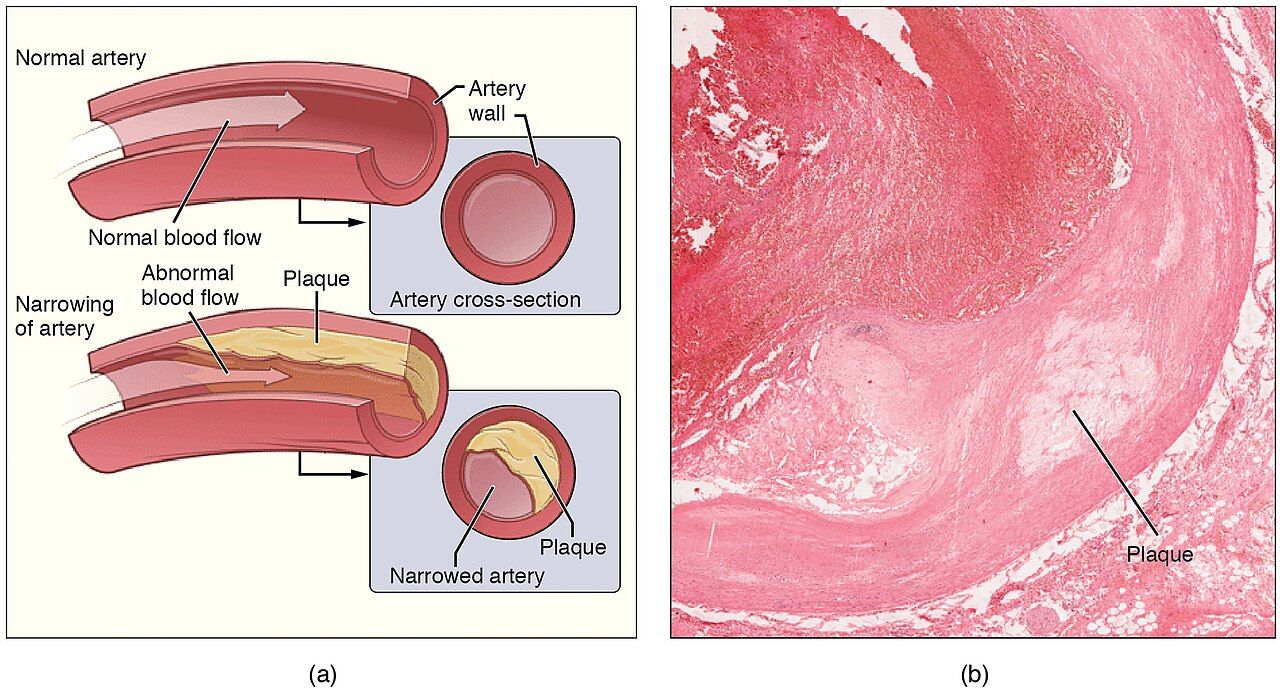
High blood fats (dyslipidemia) are the quietest diagnosis in the chart. Nobody feels a high LDL. There is no pain and no shortness of breath. There is no reason the person can feel to take a pill every night for thirty years. That is exactly the problem in care. Low-density lipoprotein (LDL) is the particle that carries cholesterol into the artery wall. There it gets damaged, draws in inflammatory cells, and builds the plaque in the figure above. High-density lipoprotein (HDL) carries cholesterol back out toward the liver. Triglycerides are a separate problem. At very high levels, above about 500 mg/dL, they stop being a heart issue. They become a risk for pancreatitis, an inflamed pancreas.
Modern lipid care is not really about hitting a magic number. It is about risk. How likely is this person to have a heart attack or stroke in the next ten years? How hard should we push? A person who has already had a heart attack gets high-intensity treatment without much debate. A healthy 45-year-old with borderline numbers gets a conversation. Your job is to make sure that conversation includes the truth. The drug does nothing you will notice, and it works only if you keep taking it.
Statins: the backbone
The HMG-CoA reductase inhibitors are every drug ending in -statin. They block the key enzyme the liver uses to make cholesterol. Starved of its own cholesterol, the liver cell puts more LDL receptors on its surface. Those receptors pull LDL out of the blood. That is the whole way it works, and it works very well. Atorvastatin 40 to 80 mg or rosuvastatin 20 to 40 mg are the two high-intensity plans. They cut LDL by about half. Statins also steady existing plaque and calm swelling in the vessels. That is why they are started in the hospital during a heart attack, even when the LDL looks fine.
Timing depends on half-life, and people get this backward all the time. The liver makes most of its cholesterol overnight. So the short-acting statins, simvastatin, lovastatin, and fluvastatin, are given in the evening. The long-acting ones, atorvastatin, rosuvastatin, and pitavastatin, last long enough to be taken at any steady hour. That is a gift for remembering doses.
Statins are broken down largely by CYP3A4. That is why grapefruit juice matters. Grapefruit blocks CYP3A4 in the gut and raises drug levels. The effect is real for simvastatin and lovastatin, so avoid grapefruit entirely. It is small for atorvastatin, where an occasional glass is usually fine. It is nearly absent for pravastatin, rosuvastatin, and pitavastatin. If a patient loves grapefruit and will not give it up, that is a reason to switch statins, not a reason to lose the patient.
Myopathy: the thing you are actually watching for
Muscle complaints are the reason statins get stopped. They fall along a range. Knowing where a patient falls on it is a truly useful skill.
Myalgia is muscle aching or weakness with a normal creatine kinase. It is common and uncomfortable but not dangerous. Myopathy, or myositis, means symptoms plus a rising creatine kinase (CK), a muscle enzyme. Rhabdomyolysis is the emergency. CK is usually more than ten times the top of normal. Muscle protein spills into the blood. Myoglobin clogs the kidney tubes and causes sudden kidney injury. The teaching sentence is short and clear: "If your muscles hurt badly, feel weak, and your urine turns the color of cola or tea, stop the drug and call today." Dark urine is the line between a nuisance and a hospital stay.
What do you actually check? Less than most people expect. Check a lipid panel at the start and again about 4 to 12 weeks after starting or changing a dose, then from time to time. Check liver enzymes (ALT) at the start. Repeat liver tests are no longer advised as a routine. They are checked only if signs of liver harm appear. Do not draw a routine CK either. Get a starting CK only in high-risk patients. That includes older adults and people with kidney disease, an underactive thyroid, or many interacting drugs. Draw one whenever a patient reports muscle symptoms. Risk climbs with age, a small body frame, weak kidneys, an untreated underactive thyroid, and heavy drinking. It also climbs with CYP3A4 blockers like clarithromycin, some azole antifungals, and certain HIV protease inhibitors.
Statins have also been stopped, by tradition, in pregnancy and while breastfeeding. The label has been softened to allow case-by-case use in a small group of very-high-risk patients. But the bedside rule stays the same. A patient who becomes pregnant or is planning a pregnancy stops the statin and calls the prescriber. Always ask about pregnancy plans before discharge in anyone who could become pregnant.
When a statin is not enough
Statins do the heavy lifting. Everything else is an add-on. Add-ons are for people who cannot reach their goal, cannot take statins, or have a triglyceride problem instead of an LDL problem.
| Class | Prototype | Key effect | Safety alert |
|---|---|---|---|
| HMG-CoA reductase inhibitor (statin) | atorvastatin, rosuvastatin | LDL down 30 to 55%; stabilizes plaque | Muscle pain plus dark urine = rhabdomyolysis. Draw CK if symptoms. Short-acting statins at night; avoid grapefruit with simvastatin/lovastatin |
| Cholesterol absorption inhibitor | ezetimibe | Blocks NPC1L1 in gut; adds another 15 to 25% LDL drop | Very well tolerated; muscle risk rises slightly when paired with a statin. Give it 2 h before or 4 h after a bile acid sequestrant |
| PCSK9 inhibitor (monoclonal antibody) | alirocumab, evolocumab | Frees LDL receptors for recycling; LDL down another ~50% | Subcutaneous every 2 to 4 weeks. Injection-site reactions; teach self-injection and refrigerated storage (warm to room temperature first) |
| Small interfering RNA | inclisiran | Silences PCSK9 synthesis in the liver | Subcutaneous, given in the office, then only twice a year. A powerful option for the nonadherent patient |
| ATP-citrate lyase inhibitor | bempedoic acid | LDL down ~15 to 25%; prodrug activated in liver, not muscle | Useful in statin intolerance. Watch uric acid (gout flares) and rare tendon rupture |
| Fibrate | fenofibrate, gemfibrozil | Best triglyceride reduction (~40 to 50%); modest HDL rise | Never combine gemfibrozil with a statin: severe myopathy. Fenofibrate is the safer partner. Gallstones; monitor renal function |
| Nicotinic acid (niacin) | niacin (extended release) | Raises HDL, lowers TG and LDL | Flushing is near-universal: aspirin 325 mg 30 min before, take with food, avoid alcohol and hot drinks. Also hyperglycemia, hyperuricemia, hepatotoxicity |
| Bile acid sequestrant | cholestyramine, colesevelam | Binds bile acids in the gut; liver burns cholesterol to replace them | Constipation, bloating. Binds other drugs: give other medications 1 h before or 4 h after. Can raise triglycerides |
| Omega-3 fatty acid | icosapent ethyl | Lowers triglycerides; reduces events in select patients | Bleeding risk with anticoagulants; small increase in atrial fibrillation. Fishy aftertaste and burping drive nonadherence |
- Statins block HMG-CoA reductase, which makes the liver pull LDL out of the blood. They also steady plaque.
- Give short-acting statins (simvastatin, lovastatin) in the evening. Give atorvastatin and rosuvastatin at any steady time.
- Check lipids at the start and at 4 to 12 weeks. Check ALT at the start only. Draw a CK when muscle symptoms appear, not as a routine.
- Muscle pain plus cola-colored urine equals rhabdomyolysis. Hold the drug and report it the same day.
Section 2Angina and acute coronary syndrome
Supply versus demand, and nothing else
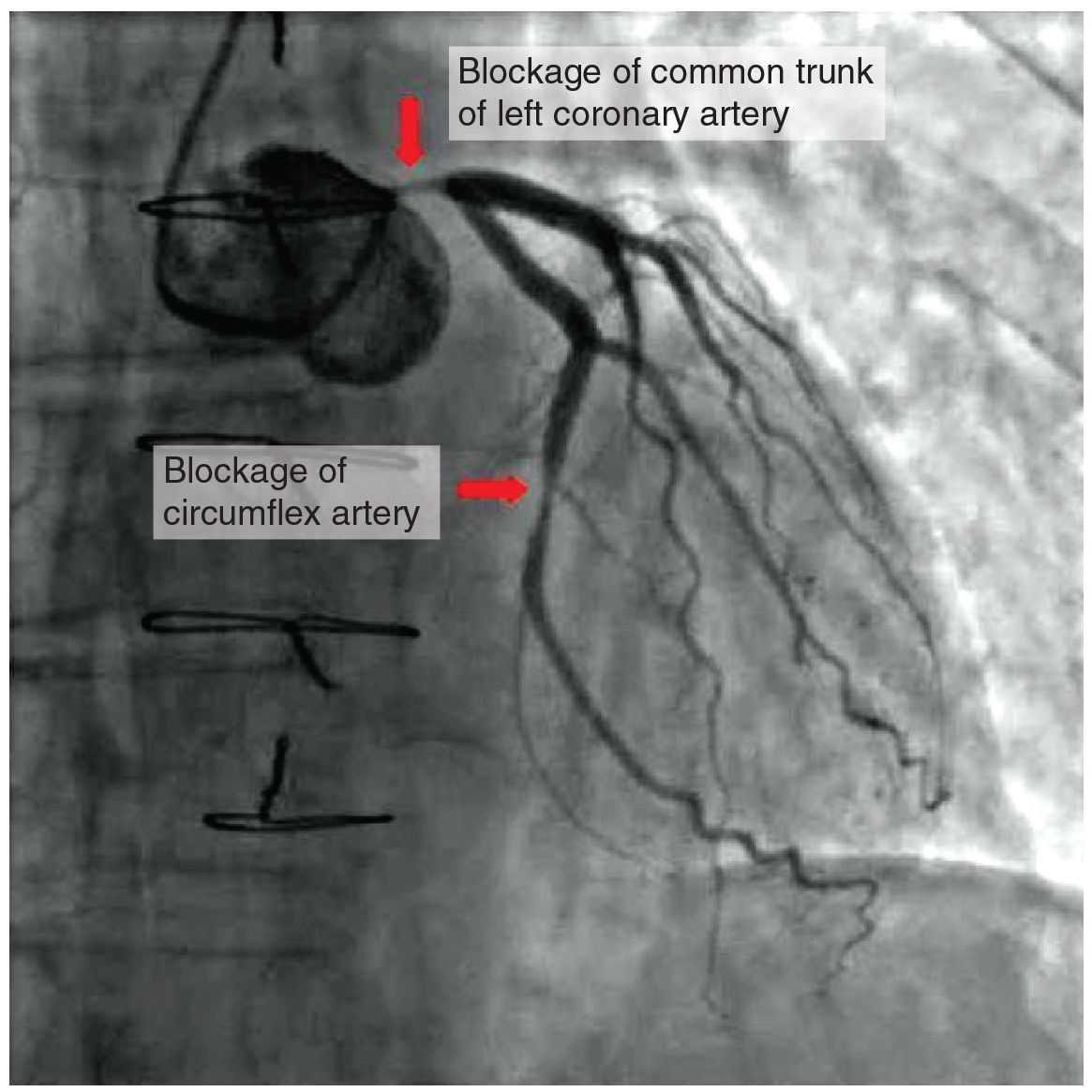
Every drug for angina (chest pain from the heart) does one of two things. It raises the oxygen supply reaching the heart muscle. Or it lowers the heart muscle's oxygen demand. That is the whole logic of this section. Hold on to it, and the drug list sorts itself.
Demand rises with heart rate, squeeze strength, and wall tension. Wall tension depends on preload and afterload. So a drug that slows the heart, softens the squeeze, or drains the heart before it squeezes will lower demand. Supply depends on blood flow in the heart arteries. That flow happens mostly when the heart relaxes and fills (diastole). That is another reason slowing the heart helps. A slower heart spends more of its time in diastole.
Stable angina is predictable. It comes on with exercise or strong feelings. It goes away with rest or nitroglycerin. A fixed plaque cannot pass enough blood when demand climbs. Unstable angina is new, getting worse, or happens at rest. The plaque has burst, and a clot is forming. Vasospastic (Prinzmetal) angina is a spasm of a heart artery that may be nearly normal. It classically strikes at rest and in the early morning. Acute coronary syndrome (ACS) is the umbrella over unstable angina, NSTEMI, and STEMI. What tells them apart is the troponin blood test and the ST segment on the ECG. It is not how loudly the patient complains.
Nitrates: the drug your patient carries in a pocket
Nitrates are turned into nitric oxide in the smooth muscle of the vessels, which relaxes it. At usual doses, the effect is mostly vein widening (venodilation). Blood pools in the veins, and less returns to the heart. Preload falls, the heart wall is under less tension, and demand drops. At higher doses, arteries widen too, which lowers afterload. The heart arteries themselves relax. That is why nitrates work so well for vasospastic angina.
Teaching nitroglycerin under the tongue is one of the most tested and most truly life-saving talks you will have. Sit or lie down first. This drug drops blood pressure, and people faint standing in their kitchens. Place one 0.4 mg tablet under the tongue, or give one spray onto or under the tongue. Let it dissolve. Do not swallow it, and do not chew it. A tingling or burning feeling may happen. But no tingle does not mean the tablet is dead. If the pain is not better, or is worse, 5 minutes after the first dose, call 911. Then keep going, up to a total of three doses, 5 minutes apart, while help is on the way. That order matters. The old teaching of "three doses, then call" delayed too many people.
Storage ruins a lot of prescriptions. Tablets belong in their original brown glass bottle, tightly capped. Keep them away from heat, light, and moisture. Do not keep them in a pill organizer, in a pocket against body heat, in a steamy bathroom cabinet, or in a hot car. Follow the label and the pharmacist on when to replace an opened bottle. Many sources say about every 6 months after opening. The metered spray keeps its strength better. It is often the better choice for someone who rarely uses it. Expect a headache. It is the most common effect, and it means the drug is working. Acetaminophen usually handles it. Warn about dizziness and dizziness on standing.
Other nitrate forms have their own traps. Skin patches and long-acting isosorbide mononitrate or dinitrate cause tolerance if given around the clock. So the plan builds in a nitrate-free break of 10 to 12 hours. Usually the patch goes on in the morning and comes off in the evening. Remove the old patch before putting on a new one. Rotate sites. Wear gloves, so you do not give yourself a headache. IV nitroglycerin is adjusted to pain and blood pressure. It traditionally needs non-PVC tubing (polyethylene or glass), because the drug sticks to standard PVC.
The rest of the antianginal cabinet
Beta blockers (metoprolol, atenolol, bisoprolol) are first-line for chronic stable angina. They lower deaths after a heart attack. They cut heart rate and squeeze strength, so demand falls and filling time gets longer. Hold and recheck for a slow heart rate, low blood pressure, or a sudden worsening of heart failure. Never stop them suddenly. A rebound fast heart rate and angina can set off a heart attack. One classic exception: avoid beta blockers in chest pain caused by cocaine. There, alpha action with no beta to balance it can worsen spasm in the heart arteries. Benzodiazepines and nitrates are used instead.
Calcium channel blockers widen the heart arteries and the body's arteries. Amlodipine and the other dihydropyridines mainly widen vessels. That causes ankle swelling, a reflex fast heart rate, and flushing. Verapamil and diltiazem also slow the heart and weaken its squeeze. That makes them useful when a beta blocker is not tolerated. But combining them with a beta blocker risks a dangerously slow heart rate and heart block. CCBs are the drugs of choice for vasospastic angina. Ranolazine is a later choice for chronic angina. It blocks the late sodium current in heart cells. It barely touches heart rate or blood pressure, which is its main appeal. But it lengthens the QT interval, and it is never used for a sudden attack.
The ACS bundle
When a patient with crushing chest pain comes through the door, a familiar set of drugs goes in fast. Older courses teach the memory trick MONA: morphine, oxygen, nitrates, aspirin. Keep the letters, but update the practice. Morphine has been moved down the list. It may weaken the absorption of antiplatelet drugs and can hide ongoing heart muscle damage. Oxygen is given only if the SpO2 is below about 90%. Routine oxygen for a patient whose oxygen level is fine gives no benefit and may cause harm. Aspirin is still the one drug that saves lives in the first minutes.
| Role | Prototype | Key effect | Safety alert |
|---|---|---|---|
| Antiplatelet (immediate) | aspirin 162 to 325 mg | Irreversible COX-1 blockade; stops thromboxane A2 | Chewed, not swallowed: faster absorption. Non-enteric-coated. Give first, ask questions second |
| P2Y12 inhibitor | clopidogrel, ticagrelor, prasugrel | Blocks ADP-mediated platelet aggregation | Ticagrelor causes dyspnea (not heart failure) and requires aspirin ≤100 mg/day. Prasugrel is contraindicated with prior stroke/TIA. Hold before CABG |
| Anticoagulant | heparin, enoxaparin, bivalirudin | Stops clot propagation | High-alert. Monitor aPTT (heparin), platelets for HIT, bleeding at all sites. Antidote for heparin: protamine sulfate |
| Nitrate | nitroglycerin SL, then IV | Lowers preload; relieves pain and spasm | Ask about PDE5 inhibitors. Hold for SBP <90 or RV infarction. Continuous BP monitoring on the drip |
| Beta blocker | metoprolol | Lowers demand; reduces mortality and reinfarction | Start within 24 h if stable. Hold for bradycardia, hypotension, decompensated HF, cocaine use |
| High-intensity statin | atorvastatin 80 mg | Stabilizes plaque; reduces recurrent events | Started in hospital regardless of the LDL number. Teach that this is a lifetime drug |
| ACE inhibitor | lisinopril | Limits ventricular remodeling after infarct | Start within 24 h if stable, especially with reduced EF. Watch first-dose hypotension, K+, creatinine, cough |
| Fibrinolytic | alteplase, tenecteplase | Dissolves the clot when PCI is unavailable | Screen hard for bleeding contraindications. Door-to-needle ≤30 min; PCI door-to-balloon ≤90 min |
| Analgesia (selective) | morphine | Pain and anxiety relief; mild venodilation | Now reserved for pain refractory to nitrates. Monitor BP and respirations; naloxone available |
- Every angina drug either raises supply or lowers demand. Nitrates work mainly by dropping preload.
- Nitroglycerin under the tongue: sit down, take one dose, and call 911 if not better at 5 minutes, up to 3 doses 5 minutes apart. Keep it in the original capped glass bottle, away from heat and moisture. Replace an opened bottle as the label or pharmacist directs. Headache is expected.
- Nitrates plus PDE5 inhibitors can kill. Ask about sildenafil (24 h) and tadalafil (48 h) before every dose.
- ACS: chewed aspirin right away, a P2Y12 inhibitor, an anticoagulant, a beta blocker, and a high-intensity statin. Oxygen only if SpO2 <90%. Morphine moved down the list.
Section 3Heart failure drugs
What a failing heart is actually doing
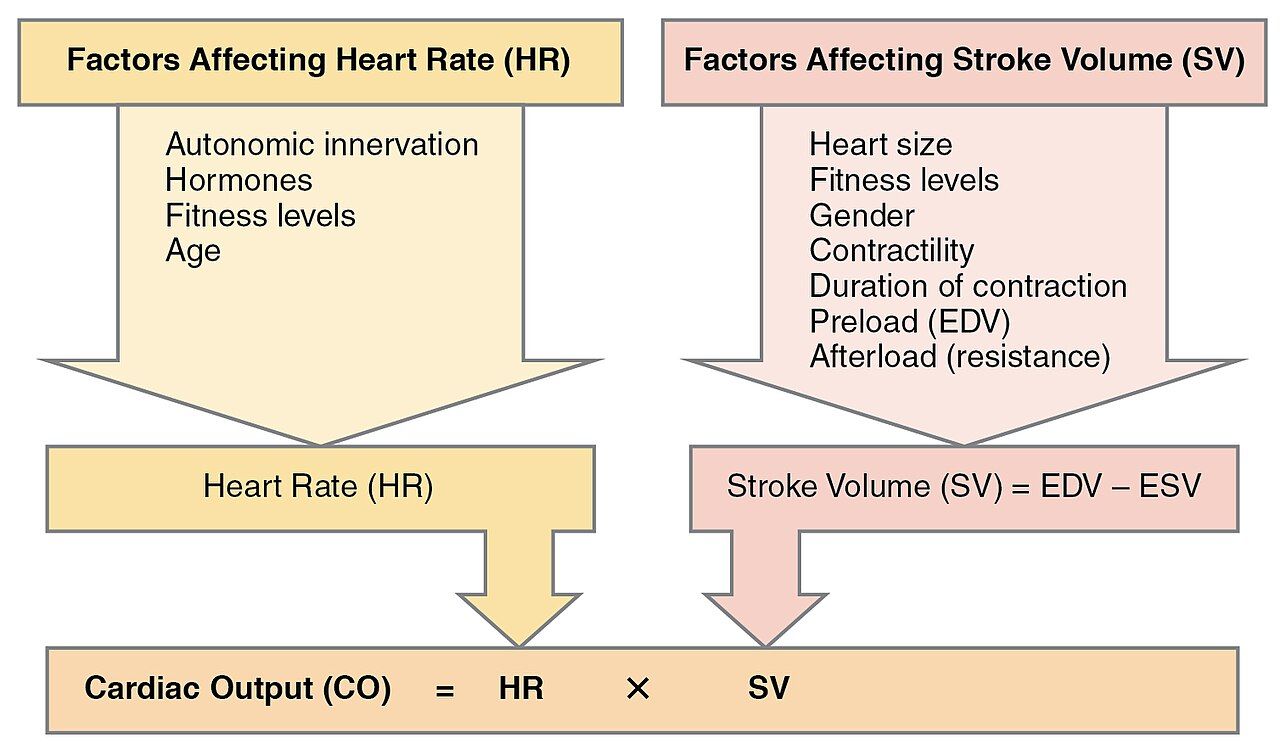
In heart failure with reduced ejection fraction (HFrEF), the heart cannot pump out enough blood. The body senses what looks like low volume and does exactly the wrong thing. The sympathetic system fires and raises heart rate and afterload. The renin-angiotensin-aldosterone system (RAAS) switches on. It holds on to sodium and water and narrows the vessels. Over months, angiotensin II and aldosterone reshape the heart. It becomes a stretched, scarred, poorly working bag. The body's fix becomes the disease.
That is why modern heart failure treatment looks odd at first. The main drugs slow the heart and block the very hormones the body is making. We are not helping the heart work harder. We are calling off the hormone attack on it. And the payoff is not just feeling better. These drugs lower deaths. That is why raising them to their goal doses matters more than almost anything else in clinic care.
The four pillars
Guideline treatment for HFrEF now rests on four drug classes. All are started early and raised as tolerated. You should be able to name all four cold.
| Pillar | Prototype | Key effect | Safety alert |
|---|---|---|---|
| ARNI (or ACE inhibitor / ARB) | sacubitril/valsartan; lisinopril; losartan | Blocks RAAS; ARNI also blocks neprilysin, preserving natriuretic peptides | 36-hour washout between an ACE inhibitor and an ARNI, since overlapping them causes angioedema. Never give both. Check BP, K+, and creatinine. Harms the fetus, so not allowed in pregnancy |
| Beta blocker (evidence-based only) | carvedilol, metoprolol succinate, bisoprolol | Blocks sympathetic overdrive; reverses remodeling; lowers mortality | Start low, go slow. Symptoms may get worse for weeks before they improve, so warn the patient or they will quit. Do not start during a sudden worsening. Metoprolol tartrate is not a heart failure drug |
| Mineralocorticoid receptor antagonist | spironolactone, eplerenone | Blocks aldosterone; antifibrotic; potassium-sparing | High potassium: check K+ and creatinine about 1 week and 1 month after starting or raising the dose. Spironolactone causes breast growth in men; eplerenone rarely does. No salt substitutes |
| SGLT2 inhibitor | dapagliflozin, empagliflozin | Improves outcomes in HF with or without diabetes | Genital mycotic infections (teach perineal hygiene), volume depletion, rare euglycemic DKA. Hold with acute illness or prolonged fasting |
Around the pillars sit useful extras. Hydralazine plus isosorbide dinitrate is added for patients who still have symptoms. It has proven benefit in patients who identify as Black. It is also a backup when ACE inhibitors and ARBs cannot be used because of kidney function or high potassium. Ivabradine slows the heart's natural pacemaker (the SA node's "funny current"). It is for patients in normal rhythm whose heart rate is still 70 or higher on the highest beta blocker dose they can take. It causes glowing flashes in the vision (phosphenes) that scare patients unless you warn them. Vericiguat is a choice after a worsening event.
The ACE inhibitor profile needs its own list, because it comes up everywhere. There is a lasting dry, hacking cough from built-up bradykinin. Switch to an ARB, since ARBs do not cause it. There is angioedema, a true emergency. Airway first. It rules out the whole class, and ARNIs too, for life. There is also high potassium, low blood pressure with the first dose (give the first dose at bedtime, and hold diuretics if possible), a rise in creatinine, and harm to the fetus.
Diuretics: symptom control, not survival
Diuretics are the drugs patients feel working. They are also the ones that do not, by themselves, help people live longer. They exist to pull water off a congested patient who cannot breathe.
Loop diuretics (furosemide, bumetanide, torsemide) block the Na-K-2Cl pump in the thick ascending limb of the kidney. They are strong enough to work even when kidney filtering is poor. Their costs are in the electrolytes. They cause low potassium, low magnesium, low sodium, low calcium, too much base in the blood (metabolic alkalosis), high uric acid, high blood sugar, and dehydration with dizziness on standing. They can harm hearing (ototoxicity). Ringing in the ears and hearing loss are usually reversible. They are linked to fast IV pushes and high doses. That is why IV furosemide is pushed slowly, often no faster than about 20 mg/min. It is also why a loop diuretic plus an aminoglycoside is a bad pair. Loops are related to sulfa drugs. Ethacrynic acid is the choice for a true sulfa allergy. Give the morning dose early and the second dose by mid-afternoon, so the patient is not up all night.
Thiazides (hydrochlorothiazide, chlorthalidone) are weaker. They stop working when kidney filtering (GFR) falls below about 30. Metolazone is the exception, used when diuretics stop working well. It is given about 30 minutes before the loop dose. The pair is strong enough to strip potassium dangerously fast, so watch the K+ closely. Potassium-sparing drugs (spironolactone, eplerenone, triamterene, amiloride) go the other way. They keep potassium.
Digoxin and its narrow window
Digoxin is the oldest drug in this chapter and the one most likely to hurt someone. It blocks the sodium-potassium pump (Na+/K+ ATPase) in heart muscle cells. Sodium builds up inside the cell. The sodium-calcium exchanger then runs less well. So calcium rises inside the cell, and the squeeze gets stronger. This is a positive inotropic effect. Separately, digoxin boosts the vagus nerve's effect at the AV node. That slows the heart's signal and the heart rate. These are negative chronotropic and negative dromotropic effects. That mix is why it is used for HFrEF with symptoms. It cuts hospital stays but has no effect on deaths. It is also used for rate control in atrial fibrillation, mainly in a patient with low blood pressure who cannot take a beta blocker.
The classic safe range is 0.5 to 2.0 ng/mL. But in heart failure, the modern goal is a narrower 0.5 to 0.9 ng/mL. Higher levels raise deaths without adding benefit. Draw the level as a trough, at least 6 to 8 hours after the last dose. Twelve hours after, or right before the next dose, is cleanest. A level drawn too early looks scary high. It shows the drug still spreading through the body, not toxicity.
The signs of toxicity are famous. They are test favorites, and they are easy to miss at 3 a.m.
| System | What you see | Why it matters |
|---|---|---|
| Gastrointestinal | Anorexia first, then nausea, vomiting, abdominal pain | Loss of appetite is the earliest sign: ask about it every visit |
| Visual | Blurred or yellow-green vision, halos around lights | Nearly pathognomonic; patients rarely mention it unless asked |
| Neurologic | Fatigue, weakness, confusion, delirium | In older adults, new confusion is often the only sign |
| Cardiac | Bradycardia, AV block, any arrhythmia (classically bidirectional VT, or atrial tachycardia with block) | The lethal endpoint. Digoxin can cause the very rhythms it treats |
| Electrolytes | Hypokalemia, hypomagnesemia, hypercalcemia | Each one potentiates toxicity at a normal drug level |
That last row is the idea people most often miss. Potassium and digoxin compete for the same spot on the Na+/K+ ATPase. Now think: when potassium falls, what drug is your heart failure patient also taking? A loop diuretic. Digoxin then binds more tightly. The patient can become toxic with a "normal" level on the lab report. A normal digoxin level does not rule out digoxin toxicity. Some drugs raise levels too. Amiodarone, verapamil, quinidine, and clarithromycin all push digoxin up. The digoxin dose is usually cut about in half when amiodarone is added.
Serious toxicity is treated with digoxin immune Fab (DigiFab). These are antibody pieces that bind digoxin and pull it out of the tissues. They are used for life-threatening rhythm problems, severe high potassium from a sudden overdose, or an unstable patient. After Fab is given, total blood digoxin levels cannot be read. They measure the bound drug. So treat the patient, not the number. Correct low potassium and low magnesium. In a sudden overdose with high potassium, calcium is usually avoided.
- Heart failure treatment blocks the body's own failing fix. The four pillars are an ARNI, ACEi, or ARB, a proven beta blocker, an MRA, and an SGLT2 inhibitor.
- Allow a 36-hour washout from an ACE inhibitor before an ARNI. ACE inhibitor cough means switch to an ARB. Angioedema means stop the class forever.
- Loop diuretics relieve congestion but waste potassium and magnesium and harm hearing if pushed fast. MRAs and ACE inhibitors keep potassium. Know which way each drug pulls.
- Digoxin: goal 0.5 to 0.9 ng/mL in HF, trough drawn 6 to 8 or more hours after the dose. Loss of appetite is the first sign. Low potassium makes toxicity more likely. The antidote is digoxin immune Fab.
Section 4Antiarrhythmics
The five phases, and why anyone should care
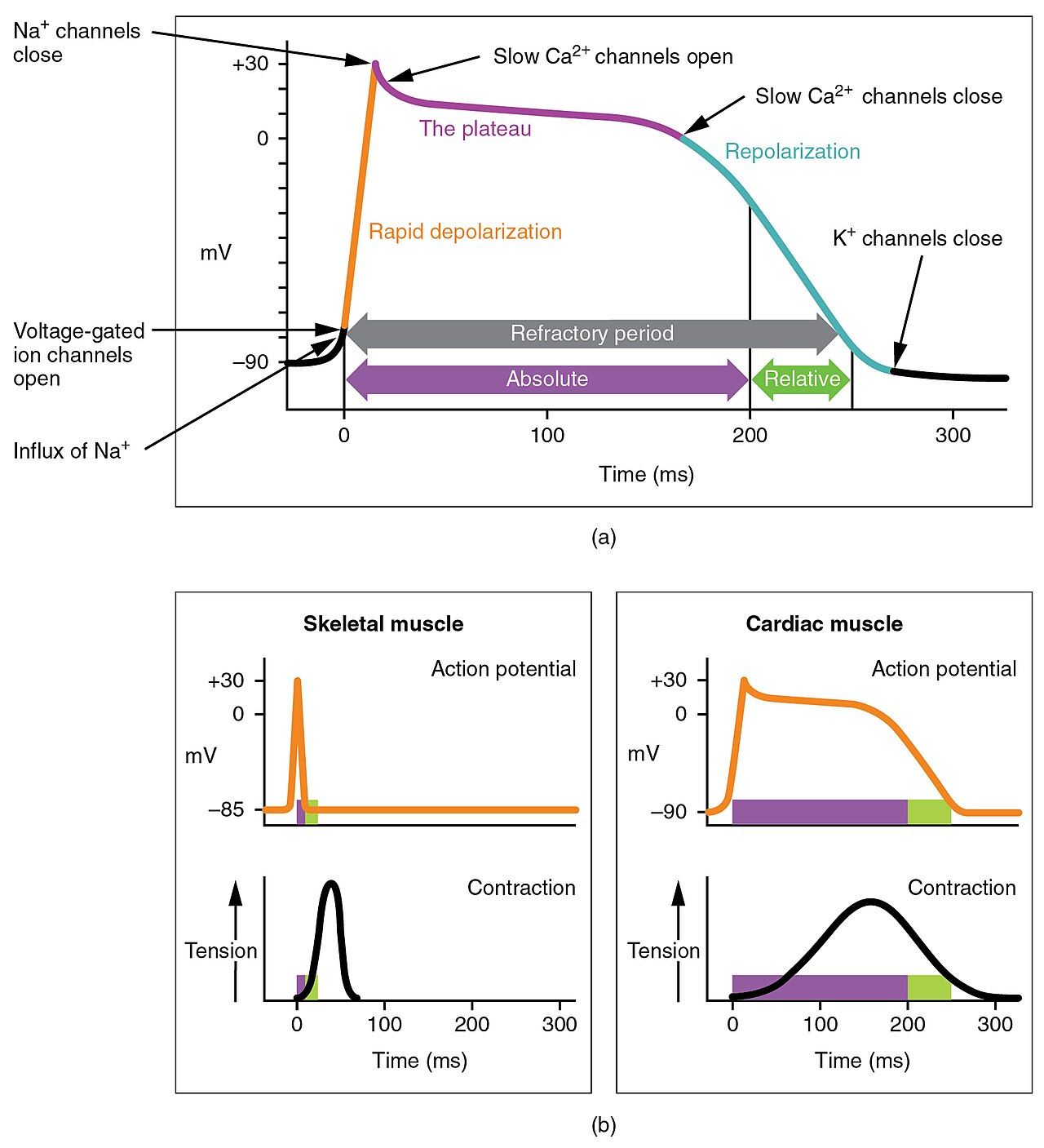
Antiarrhythmics (rhythm drugs) seem scary to learn, because the grouping looks random. It is not. Each class is named for the ion channel it blocks. Each channel owns a phase of the electrical cycle. Learn the phases once, and the classes become obvious.
Here is the cycle in a working heart muscle cell. Phase 0 is the fast upstroke. Sodium rushes in, and the cell fires. Phase 1 is a short notch as potassium leaks out. Phase 2 is the long plateau found only in heart muscle. Calcium enters and drives the squeeze. This plateau keeps the heart from locking into a constant cramp. Phase 3 is resetting (repolarization) as potassium floods out. Phase 4 is rest. But in the pacemaker cells (SA and AV nodes), phase 4 is a slow upward drift on its own (the "funny current"). That drift sets the heart rate. In those cells, phase 0 is driven by calcium, not sodium. That last detail explains why calcium channel blockers act on the nodes, while sodium channel blockers act on the working muscle.
The Vaughan Williams classes
| Class | Prototype | Key effect | Safety alert |
|---|---|---|---|
| IA: Na+ block (moderate) | procainamide, quinidine, disopyramide | Slows phase 0; prolongs repolarization → widened QRS and longer QT | Procainamide: drug-caused lupus (joint pain, butterfly rash; check ANA), agranulocytosis, low blood pressure with a fast IV dose. Quinidine: cinchonism (ringing ears, headache, spinning dizziness), diarrhea, raises digoxin. Watch for torsades |
| IB: Na+ block (weak) | lidocaine, mexiletine | Slows phase 0 slightly; shortens repolarization; targets ischemic ventricular tissue | Ventricle rhythms only; useless in atrial fibrillation. Toxicity is in the brain and nerves: numb lips, ringing ears, confusion, twitching, seizures. Never give the lidocaine with epinephrine form IV |
| IC: Na+ block (strong) | flecainide, propafenone | Markedly slows phase 0; minimal effect on repolarization | Not allowed with structural heart disease or a past heart attack, since it raises deaths. Used in hearts with normal structure, sometimes as a "pill in the pocket" for AF |
| II: beta blockers | metoprolol, esmolol, atenolol | Blunt sympathetic drive; slow phase 4 in the SA node and slow AV conduction | Rate control workhorses. Hold for bradycardia or hypotension; caution in asthma (use cardioselective); mask hypoglycemia symptoms in diabetes; never stop abruptly |
| III: K+ block | amiodarone, sotalol, dofetilide, ibutilide, dronedarone | Prolong phase 3 repolarization → longer refractory period and longer QT | Long QT and torsades. Dofetilide and sotalol must be started in the hospital on a heart monitor. Sotalol is also a beta blocker. Dronedarone carries a boxed warning: it doubles deaths in heart failure that has suddenly worsened and in permanent AF. It is not allowed in NYHA class IV or recently worsened HF, in permanent AF, or in second- or third-degree heart block without a pacemaker. It also harms the liver and raises digoxin levels. See amiodarone below |
| IV: non-dihydropyridine Ca2+ block | verapamil, diltiazem | Slow phase 0 in nodal tissue; slow AV conduction and rate | Bradycardia, heart block, hypotension, constipation (verapamil). Avoid in HFrEF (negative inotropes) and use caution with a beta blocker |
| Unclassified | adenosine, digoxin, magnesium, atropine | Adenosine transiently blocks the AV node; magnesium treats torsades; atropine treats symptomatic bradycardia | See adenosine below. Magnesium is the answer for torsades de pointes. Atropine 1 mg IV for unstable bradycardia |
Two drugs that deserve their own paragraph
Amiodarone is the most useful and most toxic rhythm drug in the building. It blocks potassium channels (class III). It also blocks sodium, beta, and calcium. It is all four classes in one molecule, which is why it works on almost any rhythm. It also dissolves in fat and is stored there. That gives it a half-life of about 40 to 60 days. Side effects can show up months after starting and last months after stopping. Checking it is a tour of the body. Lung scarring (pulmonary fibrosis) is the feared one. Get a starting chest x-ray and lung function tests. Then look into any new dry cough or shortness of breath. The thyroid can go too high or too low, since the molecule is packed with iodine. Get a starting and repeat TSH. Liver harm needs liver tests. Tiny deposits in the cornea are usually harmless. Get a yearly eye exam, and report halos in the vision. The skin can turn blue-gray, with severe sun sensitivity. Teach sunscreen and covering clothes. This is a real quality-of-life issue that patients are not warned about often enough. Amiodarone raises digoxin and warfarin levels. So both doses come down when amiodarone goes up. IV amiodarone can cause low blood pressure and vein irritation. Use a central line or a large vein, and an in-line filter for steady drips.
Adenosine is the drug that makes new clinicians gasp. It is given for stable SVT, a fast rhythm from above the ventricles. It briefly blocks the AV node. The monitor shows a few seconds of flat line (asystole) before normal rhythm comes back. Its half-life is under 10 seconds. So it must be given as a rapid IV push. Give 6 mg, followed right away by a 20 mL saline flush. Use a large IV close to the heart, with the arm raised. A two-syringe or stopcock setup helps. Warn the patient first. For a few seconds they will feel chest pressure, flushing, and a sense of doom. Keep the defibrillator nearby and a rhythm strip running. The strip helps make the diagnosis even when the drug does not convert the rhythm.
- Vaughan Williams: I = sodium (phase 0), II = beta blockers (phase 4 and the AV node), III = potassium (phase 3, QT), IV = calcium (phase 0 in the nodes).
- IA lengthens resetting (procainamide → lupus-like illness). IB shortens it and works only in the ventricles (lidocaine → seizures). IC is not allowed with structural heart disease.
- Amiodarone works on everything and damages everything: lungs, thyroid, liver, cornea, and skin. Half-life 40 to 60 days. Cut digoxin and warfarin doses.
- Adenosine is a rapid push with a 20 mL flush. Warn the patient, and expect a short flat-line pause. Magnesium is the answer for torsades. Watch the QTc on every class III drug.
Section 5Cardiovascular monitoring and care
The apical pulse: a 60-second skill that prevents harm
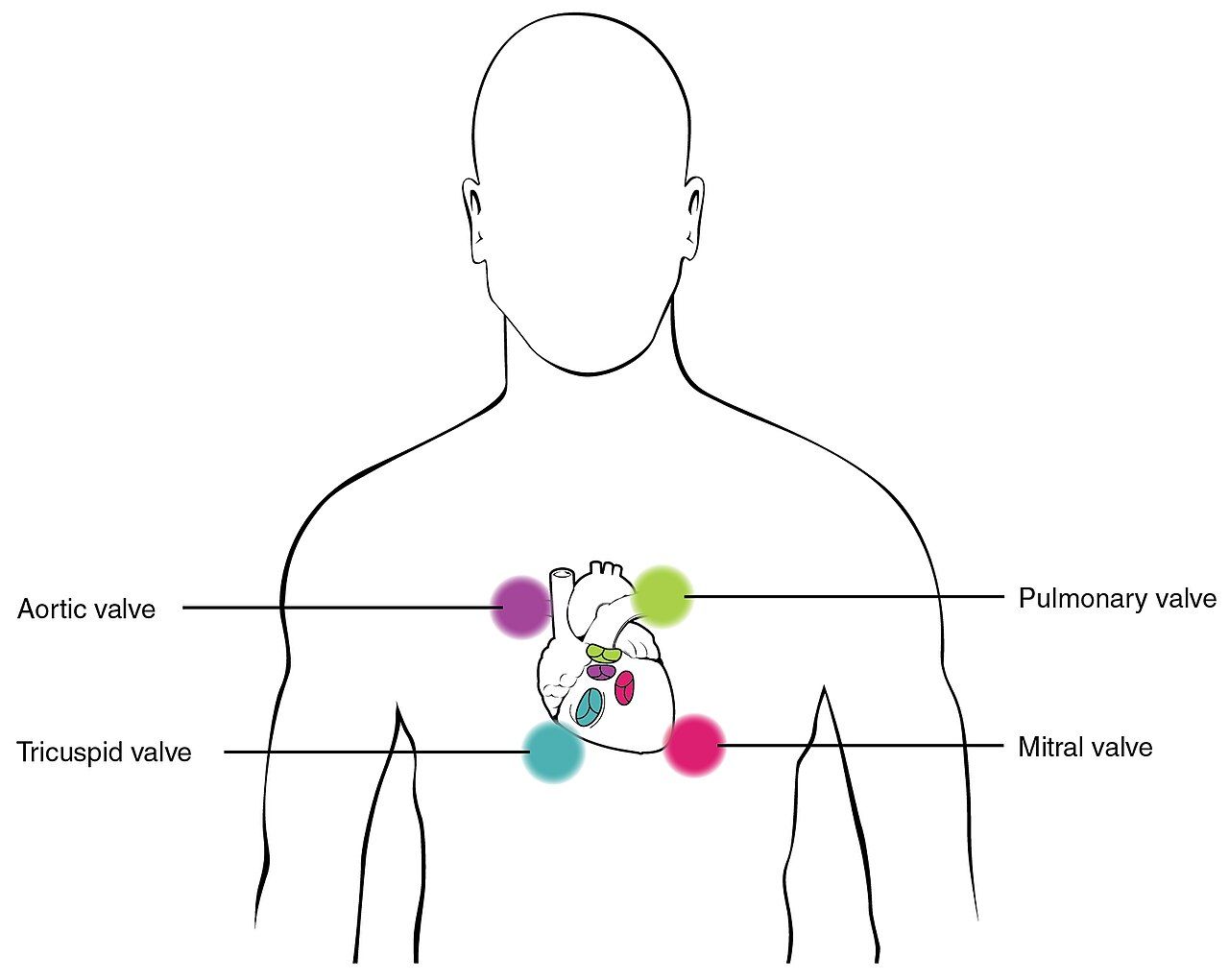
Before digoxin, beta blockers, and non-dihydropyridine calcium channel blockers, you take an apical pulse. Not a wrist pulse, not the monitor's number, and not fifteen seconds times four. Place the flat side of the stethoscope at the fifth space between the ribs, in line with the middle of the collarbone. This is where the heartbeat is strongest. Count for a full minute. The full minute is not just ritual. These are exactly the patients with uneven rhythms and a pulse deficit. Weak beats make a heart sound but no wrist pulse. A 15-second count can be off by 20 beats.
Then apply the rule. Hold digoxin and tell the prescriber if the apical rate is below 60 in an adult. In a child, the cutoff is below 70. In a baby, it is below 90 to 110. Also hold if the rate is above 100 or the rhythm has newly changed. Chart the rate, the rhythm, what you held, and who you called. If a patient goes home on digoxin, they take their own wrist pulse for a full minute before every dose. Watch them do it. Do not just tell them.
Levels, potassium, and the numbers that matter
| What you check | Normal / target | When to check | Safety alert |
|---|---|---|---|
| Apical pulse | 60 to 100 bpm | Before every dose of digoxin, beta blocker, verapamil, diltiazem | Hold and call if <60 (adult). Full minute, fifth ICS midclavicular |
| Digoxin level | 0.5 to 2.0 ng/mL overall; 0.5 to 0.9 in heart failure | Trough: 6 to 8+ h after the dose, or just before the next one | A normal level does not rule out toxicity if K+ is low. Antidote: digoxin immune Fab |
| Potassium | 3.5 to 5.0 mEq/L | Baseline, then with every diuretic, ACEi/ARB/ARNI, or MRA change; ~1 week and 1 month after an MRA start | Low K+ → digoxin toxicity and torsades. High K+ → bradycardia and arrest. Both directions kill |
| Magnesium | 1.5 to 2.5 mg/dL | With loop diuretics; with any QT-prolonging drug; in refractory hypokalemia | You cannot correct potassium until magnesium is corrected. Magnesium is the treatment for torsades |
| Serum creatinine / eGFR | Baseline-dependent | Before and after starting ACEi/ARB/ARNI/MRA/SGLT2i; with diuretic changes | Digoxin is renally cleared: falling GFR means rising digoxin. A modest early creatinine rise on an ACE inhibitor is often acceptable |
| Blood pressure (with orthostatics) | Individualized | Before nitrates, ACEi/ARNI first doses, and any titration | Hold nitrates for SBP <90. A drop of ≥20 systolic or ≥10 diastolic on standing is orthostatic hypotension: a fall risk |
| QTc interval | <450 ms (men), <460 ms (women) | Baseline and with class IA/III drugs, ranolazine, and dose changes | QTc >500 ms or a rise >60 ms → call. Check K+ and Mg2+ at the same time |
| Daily weight | Patient's dry weight | Every morning at home in heart failure | 2 to 3 lb in a day or 5 lb in a week → call the clinic. Weight beats swelling as an early warning |
| Lipid panel | Risk-based LDL goal | Baseline; 4 to 12 weeks after a change; then periodically | Fasting is often unnecessary now. Adherence, not the number, is the usual reason a panel disappoints |
| Creatine kinase (CK) | Lab-specific | Only when a statin patient reports muscle symptoms (plus baseline in high-risk patients) | CK >10× ULN with symptoms and dark urine = rhabdomyolysis. Hold the statin |
The potassium row is the one to make your own. Your heart failure patient is often on drugs pulling potassium both ways at once. A loop diuretic dumps it. An ACE inhibitor plus spironolactone holds it. The total effect in any one person is hard to predict. That is why we measure instead of assume. Two teaching points follow. First, salt substitutes are potassium chloride. A patient carefully avoiding sodium with a shaker of "lite salt" while on lisinopril and spironolactone can arrive with high potassium and a slow heart rate. Ask about it directly. Second, potassium-rich foods (bananas, oranges, potatoes, tomatoes, spinach, avocado) are advice for a patient on a loop diuretic alone. They can be exactly wrong for a patient on an MRA.
What you say before they walk out the door
Heart drugs fail at home, not in the hospital. These are silent conditions treated with drugs that cause symptoms, and the patient will do the math. Discharge teaching is the treatment.
| Drug or class | What the patient must know |
|---|---|
| Statin | Take it forever, since it works without you feeling it. Report muscle pain, weakness, and above all dark urine. Evening doses for simvastatin and lovastatin. Grapefruit warning where it applies. Stop and call if you might be pregnant |
| Sublingual nitroglycerin | Sit down. One dose under the tongue. If not better in 5 minutes, call 911, then up to 3 doses total, 5 minutes apart. Original capped glass bottle, away from heat and moisture. Replace an opened bottle as the label or pharmacist directs. Headache is normal. No erection drugs |
| Nitroglycerin patch | Put it on in the morning and take it off in the evening for a 10 to 12 h nitrate-free break. Remove the old patch first, rotate sites, wash hands |
| Beta blocker | Never stop suddenly, or angina, a fast heart rate, or a heart attack can rebound. Check your pulse before doses. Get up slowly. With diabetes, it can hide the shakiness of low blood sugar, so check your sugar and do not go by feel |
| ACE inhibitor / ARB / ARNI | A dry nagging cough is worth reporting (it can be fixed). Any swelling of the lips, tongue, or throat is a 911 emergency. No salt substitutes. Not in pregnancy: call the day you find out |
| Loop diuretic | Morning doses so you can sleep. Weigh yourself daily: same time, same scale, after using the bathroom, before breakfast. 2 to 3 lb in a day or 5 lb in a week → call. Report ringing in the ears, cramps, or dizziness |
| Spironolactone / eplerenone | No salt substitutes, and no potassium pills unless told. Report sore or growing breasts (there is another choice). Keep your lab visits, since they catch high potassium before it hurts you |
| Digoxin | Take your pulse for a full minute before every dose; hold and call if under 60. Report loss of appetite, nausea, blurred or yellow-green vision, halos, or new confusion. Never double a missed dose. Keep your potassium labs |
| Amiodarone | Report any new cough or shortness of breath right away. Use sunscreen and covering clothes, or you will burn badly. Keep your thyroid, liver, and eye follow-ups. Tell every prescriber you take it, because it changes other drug levels |
| Antiplatelets / anticoagulants | Soft toothbrush, electric razor, no contact sports. Report black tarry stools, blood in urine, unusual bruising, or a headache after a fall. Never stop a P2Y12 inhibitor after a stent without calling the cardiologist, or the stent can clot |
One more layer sits under all of it. Several drugs in this chapter are official high-alert medications. These include IV anticoagulants, IV rhythm drugs, IV drugs that strengthen the squeeze (inotropes), and digoxin. High-alert does not mean they are used wrongly more often. It means that when an error happens, the harm is a disaster. That is why we use the independent double-check, smart pump limits, and the habit of saying the dose out loud with a second clinician. Use them. Nobody has ever been disciplined for checking a drip.
- Take an apical pulse for a full minute at the fifth rib space, mid-collarbone line, before digoxin, beta blockers, verapamil, and diltiazem. Hold and call if <60.
- Draw digoxin levels as a trough ≥6 to 8 h after the dose. The goal is 0.5 to 0.9 ng/mL in heart failure. A normal level does not rule out toxicity when potassium is low.
- Potassium is the master number. Loops dump it, MRAs and ACE inhibitors hold it, salt substitutes are potassium chloride, and both extremes can kill.
- Teach daily weights (2 to 3 lb a day or 5 lb a week means call), never stopping a beta blocker suddenly, and never mixing nitrates with PDE5 inhibitors.
The chapter in one breath
- Statins block HMG-CoA reductase and pull LDL out of the blood. Watch for myopathy, draw a CK only when muscles hurt, and treat muscle pain plus dark urine as rhabdomyolysis until proven otherwise.
- Non-statin drugs fill gaps: ezetimibe (absorption), PCSK9 inhibitors and inclisiran (receptor recycling), bempedoic acid (when statins cannot be taken), fibrates and icosapent ethyl (triglycerides), niacin (flushing, so pretreat with aspirin), and sequestrants (keep other drugs 1 to 4 hours apart).
- Angina drugs either raise supply or lower demand. Nitrates drop preload, cause headache, and are deadly with PDE5 inhibitors. Sit down, take one dose, call 911 at 5 minutes, take three doses at most, and keep the original capped glass bottle, replaced as the label or pharmacist directs.
- The ACS bundle is chewed aspirin, a P2Y12 inhibitor, an anticoagulant, a beta blocker, a high-intensity statin, and an ACE inhibitor. Oxygen only if SpO2 <90%, morphine moved down the list, and the artery opened within 30 (clot-buster) or 90 (balloon) minutes.
- Heart failure treatment calls off the body's own hormone attack. The four pillars are an ARNI, ACEi, or ARB, a proven beta blocker, an MRA, and an SGLT2 inhibitor. Diuretics ease symptoms but do not help people live longer.
- Digoxin strengthens the squeeze and slows the rate, with a razor-thin window. Loss of appetite comes first, then nausea, yellow-green vision, confusion, and rhythm problems. Low potassium makes it more toxic. The antidote is digoxin immune Fab.
- Rhythm drugs are named for the channel they block: I sodium, II beta, III potassium, IV calcium. Every one of them can also cause rhythm problems. Amiodarone works everywhere and damages the lungs, thyroid, liver, cornea, and skin.
- The core of bedside care is small, and it holds: a full-minute apical pulse, trough digoxin levels, potassium and magnesium, daily weights, the QTc, and the discharge sentences that keep the patient alive at home.
ReferenceWords worth knowing
A quick list of the terms in this chapter. Skim it now, or come back when a word trips you up.
- Acute coronary syndrome (ACS)
- The umbrella term for unstable angina, NSTEMI, and STEMI, all caused by a burst plaque and a clot in a heart artery.
- Afterload
- The resistance the heart must overcome to pump blood out; lowering it eases the heart's work.
- Angioedema
- Fast swelling of the lips, tongue, or airway; a rare but life-threatening reaction to ACE inhibitors and ARNIs, and a lifelong reason never to use the class again.
- Apical pulse
- The heart rate counted with a stethoscope at the fifth rib space, mid-collarbone line, for a full minute; required before digoxin and drugs that slow the heart.
- Chronotropic effect
- An effect on heart rate; digoxin and beta blockers slow the rate (negative chronotropes).
- Cinchonism
- Quinidine toxicity: ringing ears, headache, spinning dizziness, and vision changes.
- Creatine kinase (CK)
- A muscle enzyme that rises with muscle injury; drawn when a patient on a statin reports muscle symptoms.
- Digoxin immune Fab
- Antibody pieces that bind and turn off digoxin; the antidote for life-threatening digoxin toxicity.
- Guideline-directed medical therapy (GDMT)
- The proven drug plan for heart failure, built on four pillars and raised to goal doses.
- High-alert medication
- A drug that causes disaster-level harm when given in error (digoxin, heparin, IV rhythm drugs), so it needs an independent double-check.
- Inotropic effect
- An effect on how hard the heart squeezes; digoxin strengthens the squeeze (a positive inotrope).
- Low-density lipoprotein (LDL)
- The particle that delivers cholesterol into the artery wall; the main target of lipid treatment.
- Myopathy
- Muscle pain or weakness with a rising CK; the middle of the statin muscle range, between harmless aches and rhabdomyolysis.
- Nitrate tolerance
- Loss of nitrate effect from steady use; prevented by a daily nitrate-free break of 10 to 12 hours.
- Preload
- The blood stretching the heart just before it squeezes; nitrates and diuretics lower it.
- Proarrhythmia
- A new or worse rhythm problem caused by a rhythm drug; a risk of every drug in the class.
- Pulse deficit
- The gap between the apical and wrist pulse rates, caused by beats too weak to reach the wrist.
- QT interval (QTc)
- The ECG measure of the heart's resetting time; a long QTc raises the risk of torsades de pointes.
- Rhabdomyolysis
- Severe muscle breakdown with a very high CK and myoglobin in the urine (dark, cola-colored urine), which risks sudden kidney injury.
- Torsades de pointes
- A twisting, fast ventricle rhythm that comes from a long QT; treated with IV magnesium.
- Vasospastic (Prinzmetal) angina
- Chest pain from a spasm of a heart artery, often at rest; treated with nitrates and calcium channel blockers, not beta blockers.
- Vaughan Williams classification
- The system that sorts rhythm drugs by the ion channel they block: I sodium, II beta-adrenergic, III potassium, IV calcium.