Gastrointestinal Drugs
The gut is the one organ system your patients will tell you about without being asked. Heartburn, nausea, constipation, diarrhea — these complaints are so ordinary that it is easy to treat them casually, and that is exactly where nurses get into trouble. A proton pump inhibitor given after breakfast does almost nothing. An antidiarrheal given to the wrong patient can turn a survivable infection into toxic megacolon. An antiemetic pushed too fast into a small vein can cost a patient their hand. This chapter walks the gastrointestinal tract from the stomach to the colon, drug class by drug class, and keeps returning to the two questions that matter most at the bedside: when do I give this, and what am I watching for afterward.
By the end of this chapter you can
- Explain how the parietal cell makes acid and where PPIs, H2 blockers, and antacids each interrupt it.
- Time acid-suppressing and mucosal-protective drugs correctly, and name the long-term risks of chronic PPI therapy.
- Describe current Helicobacter pylori eradication regimens and the teaching that makes them succeed.
- Map the four inputs to the vomiting center and match each antiemetic class to the receptor it blocks.
- Compare laxative classes by mechanism and onset, and state when a laxative must not be given.
- Identify the patients in whom antidiarrheals are contraindicated, and explain why.
- Outline drug therapy for inflammatory bowel disease, including the screening required before a biologic.
- Prioritize nursing monitoring, teaching, and safety alerts for the major GI drug classes.
Section 1Acid and ulcer drugs
Why the stomach does not digest itself
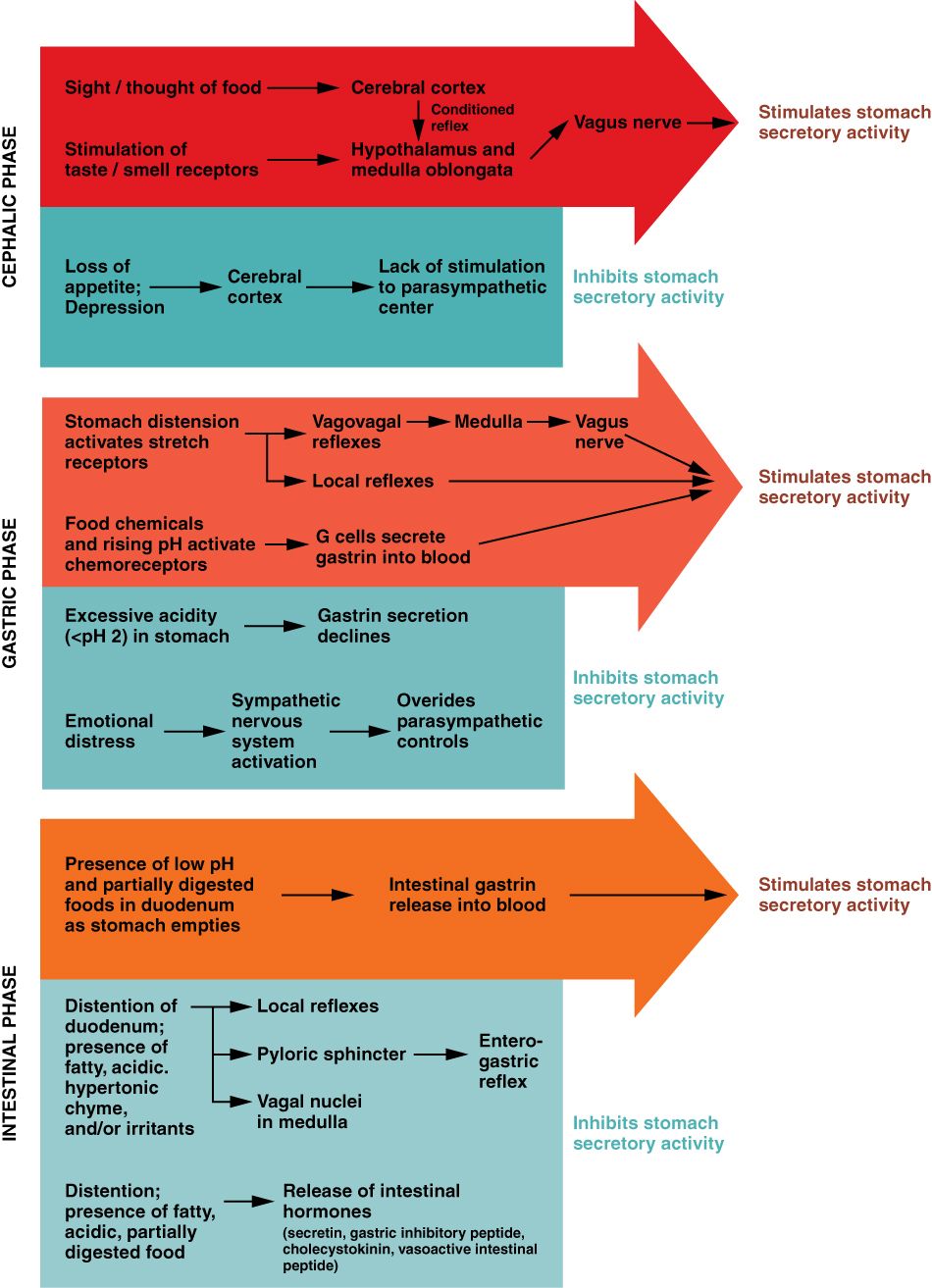
The stomach lining is a standoff between two forces. On the attack: hydrochloric acid, pumped into the lumen by the parietal cell through an enzyme called the H+/K+-ATPase — the proton pump. Three signals turn that pump on: gastrin from G cells, histamine acting on H2 receptors, and acetylcholine from the vagus nerve acting on M3 receptors. Histamine is the amplifier; block it and the other two lose most of their punch.
On the defense: a layer of mucus, a cushion of bicarbonate underneath it, brisk mucosal blood flow, and prostaglandins that maintain all three. Damage happens when defense fails rather than when acid rises — which is why the two great causes of ulcers are Helicobacter pylori (which burrows into the mucus layer) and NSAIDs (which shut off the prostaglandins that build it). Understanding this explains an otherwise confusing fact: acid suppression heals ulcers, but it does not cure the cause.
Proton pump inhibitors: the strongest tool, and the most misused
Proton pump inhibitors (PPIs) — omeprazole, pantoprazole, esomeprazole, lansoprazole, rabeprazole, dexlansoprazole — shut down the pump itself, and they do it irreversibly. The cell must build new pumps to recover, which is why a once-daily dose suppresses acid for roughly 24 hours even though the drug clears from the blood in a couple of hours. They are the drugs of choice for erosive esophagitis, peptic ulcer disease, H. pylori regimens, NSAID ulcer prevention, and stress-ulcer prophylaxis in the ICU.
Timing is the single most important thing a nurse controls here. A PPI is a prodrug that only activates inside a pump that is actively secreting. If you give it to a fasting patient with dormant pumps, most of the dose is wasted. Give it 30–60 minutes before the first meal of the day — and if a patient tells you they take their omeprazole at bedtime with a snack, you have just found the reason their reflux never got better.
The long-term picture deserves respect. Chronic PPI use is associated with hypomagnesemia, vitamin B12 deficiency, iron malabsorption, increased Clostridioides difficile infection, community-acquired pneumonia, acute interstitial nephritis, and fracture of the hip, wrist, and spine. Stopping abruptly after months of therapy causes rebound acid hypersecretion — symptoms flare, the patient concludes they need the drug forever, and the cycle locks in. Taper instead. One interaction is worth memorizing: omeprazole and esomeprazole inhibit CYP2C19, the enzyme that activates clopidogrel, blunting its antiplatelet effect; pantoprazole is the preferred PPI in a patient on clopidogrel.
H2 blockers, antacids, and mucosal protectants
H2-receptor antagonists — famotidine, cimetidine, nizatidine — block histamine at the parietal cell. They work faster than PPIs but suppress less acid, and tolerance develops within days to weeks, so they are best for intermittent or nocturnal symptoms rather than as a long-term substitute for a PPI. (Ranitidine was withdrawn from the market in 2020 after NDMA contamination was found; do not expect to see it.) Famotidine is renally cleared — in kidney impairment or in an older adult, an unadjusted dose causes confusion, agitation, and delirium. Cimetidine is the outlier: a potent CYP450 inhibitor that raises levels of warfarin, phenytoin, and theophylline, and an antiandrogen that causes gynecomastia and impotence. It is rarely the right choice.
Antacids do not touch the pump — they chemically neutralize acid already present. Onset is minutes, duration is an hour or two, and the choice of cation determines the side effect: magnesium hydroxide causes diarrhea, aluminum hydroxide causes constipation (combination products pair them deliberately), calcium carbonate constipates and can cause milk-alkali syndrome, and sodium bicarbonate delivers a sodium load and systemic alkalosis. In renal failure, magnesium and aluminum accumulate. Antacids also bind (chelate) other drugs — levothyroxine, tetracyclines, fluoroquinolones, iron — and the safe interval is drug-specific, not a single rule. One to two hours is a floor for ordinary oral medications. The vulnerable ones need more: levothyroxine at least 4 hours away from aluminum, magnesium, or calcium antacids and from iron; fluoroquinolones 2 hours before or 6 hours after a cation-containing antacid, because chelation can cut absorption enough to fail the infection; tetracyclines and oral iron at least 2 hours. When you are not sure, look the individual drug up rather than defaulting to “an hour or two.”
Sucralfate is a paste, not a blocker: in acid it polymerizes and sticks to the ulcer crater like a bandage. It needs acid to work and it binds anything nearby, so give it on an empty stomach, 1 hour before meals and at bedtime, and hold other oral drugs for 2 hours. Misoprostol, a prostaglandin E1 analog, replaces what NSAIDs removed and prevents NSAID ulcers — but it stimulates uterine contractions and is contraindicated in pregnancy. Confirm pregnancy status and teach reliable contraception before dispensing it.
| Class | Prototype | Key effect | Nursing alert |
|---|---|---|---|
| Proton pump inhibitor | Pantoprazole, omeprazole | Irreversibly blocks the H+/K+-ATPase; strongest acid suppression | 30–60 min before the first meal. Do not crush delayed-release forms. Watch Mg2+, B12, C. diff. Use pantoprazole with clopidogrel. |
| H2 blocker | Famotidine | Blocks histamine H2 on the parietal cell; faster onset, weaker effect | Reduce dose in renal impairment — confusion and delirium in older adults. Tolerance develops. |
| Antacid | Aluminum/magnesium hydroxide | Neutralizes existing acid; onset in minutes | Separate from other oral drugs — interval is drug-specific: 1–2 h is the floor, but levothyroxine needs 4 h and fluoroquinolones 2 h before or 6 h after (tetracyclines and iron at least 2 h). Mag = diarrhea, Al = constipation; both accumulate in renal failure. |
| Mucosal protectant | Sucralfate | Forms a physical barrier over the ulcer bed | Empty stomach, 1 h before meals and at bedtime; separate other drugs by 2 h. Contains aluminum. |
| Prostaglandin analog | Misoprostol | Restores mucus and bicarbonate; prevents NSAID ulcers | Contraindicated in pregnancy — abortifacient. Diarrhea and cramping are common. |
| Bismuth compound | Bismuth subsalicylate | Coats mucosa, mildly antibacterial against H. pylori | Harmless black stool and black tongue — warn patients. It is a salicylate: avoid in children (Reye syndrome) and in aspirin allergy. |
Eradicating H. pylori
H. pylori causes most duodenal ulcers and a large share of gastric ulcers, and it is a recognized risk factor for gastric cancer — so eradication is not optional once it is found. Rising clarithromycin resistance has changed the recipe. Bismuth quadruple therapy — a PPI plus bismuth, tetracycline, and metronidazole for 10–14 days — is now the preferred first-line regimen in most settings, along with rifabutin triple therapy (omeprazole, amoxicillin, rifabutin). The older clarithromycin triple therapy (PPI, amoxicillin, clarithromycin) is reserved for regions with low resistance and patients with no prior macrolide exposure.
These regimens fail mostly for one reason: the patient stops taking them. Four drugs, several times a day, for two weeks, with a metallic taste and dark stools, in someone who feels better by day four. Your teaching is the intervention. Emphasize completing every dose, warn that metronidazole with alcohol causes a disulfiram-like reaction (flushing, vomiting, palpitations), that bismuth blackens the tongue and stool harmlessly, and that a follow-up breath or stool antigen test confirms cure at least 4 weeks after the antibiotics and bismuth finish — with the PPI held for 1–2 weeks before the test, because acid suppression suppresses the organism too and produces a false negative.
- The parietal cell proton pump is the final common path; PPIs block it irreversibly, H2 blockers block its histamine trigger, antacids neutralize acid downstream.
- PPIs are prodrugs activated by active pumps — give 30–60 minutes before the first meal, and taper rather than stop abruptly.
- Chronic PPI risks: hypomagnesemia, B12 deficiency, C. difficile, pneumonia, interstitial nephritis, fractures; use pantoprazole with clopidogrel.
- Bismuth quadruple therapy is first-line for H. pylori; adherence teaching — and the alcohol–metronidazole warning — is the nursing job.
Section 2Antiemetics
Four roads to the vomiting center
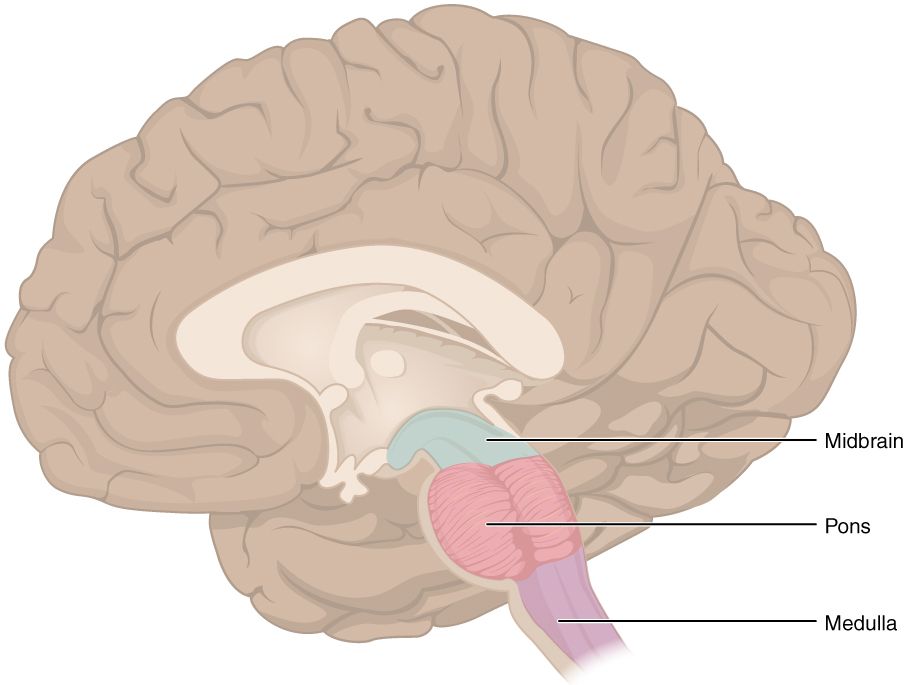
Vomiting is a reflex, coordinated by a network in the medulla usually called the vomiting center. It has four separate inputs, and every antiemetic class works by cutting one of those roads. Match the drug to the road and you will almost never pick the wrong agent.
The first road is the chemoreceptor trigger zone (CTZ), sitting in the area postrema on the floor of the fourth ventricle. It lies outside the blood–brain barrier, which makes it a chemical sensor for the bloodstream — it detects opioids, chemotherapy, anesthetics, uremia, and toxins. It is dense in dopamine D2, serotonin 5-HT3, and neurokinin-1 (NK1) receptors. The second road is the gut itself: chemotherapy and radiation damage enterochromaffin cells, which dump serotonin onto 5-HT3 receptors on vagal afferents — a signal that travels from the small bowel to the medulla in minutes. The third road is the vestibular apparatus, rich in histamine H1 and muscarinic receptors, which is why motion sickness responds to antihistamines and scopolamine but not to ondansetron. The fourth road is the cerebral cortex — anxiety, smells, memory — the source of anticipatory nausea, which is why a benzodiazepine is sometimes the right antiemetic.
The classes
| Class | Prototype | Key effect | Nursing alert |
|---|---|---|---|
| 5-HT3 antagonist | Ondansetron | Blocks serotonin at vagal afferents and CTZ; first-line for chemo and post-op nausea | QT prolongation — check ECG and K+/Mg2+; push IV slowly. Headache and constipation are common. Serotonin syndrome risk with other serotonergic drugs. |
| NK1 antagonist | Aprepitant | Blocks substance P; covers delayed chemo-induced nausea | CYP3A4 interactions — reduces oral contraceptive efficacy (backup method for 1 month), alters warfarin and dexamethasone dosing. |
| Dopamine D2 antagonist | Metoclopramide, prochlorperazine; promethazine (phenothiazine, mainly H1) | Blocks D2 in the CTZ; metoclopramide also speeds gastric emptying. Promethazine's antiemetic effect is largely H1 and antimuscarinic. | Extrapyramidal symptoms and, for metoclopramide, a boxed warning for tardive dyskinesia — limit to 12 weeks. Promethazine carries a boxed warning for severe tissue injury and gangrene on extravasation. |
| Antihistamine (H1) | Meclizine, dimenhydrinate | Blocks the vestibular road; motion sickness and vertigo | Sedation, dry mouth, urinary retention; confusion and falls in older adults (Beers criteria). Useless for chemo-induced nausea. |
| Anticholinergic | Scopolamine (transdermal) | Blocks muscarinic vestibular input; motion sickness prophylaxis | Apply behind the ear 4 h before travel, change every 72 h, wash hands afterward — drug on the fingers reaches the eye and dilates the pupil. |
| Corticosteroid | Dexamethasone | Adjunct that boosts every other antiemetic in chemo regimens | Hyperglycemia, insomnia, mood change; check glucose in diabetic patients. |
| Cannabinoid | Dronabinol | Refractory chemo-induced nausea; also stimulates appetite | Dysphoria, dizziness, sedation — poorly tolerated by older adults. Schedule III. |
| Benzodiazepine | Lorazepam | Blunts anticipatory nausea driven by the cortex | Sedation and fall risk; not an antiemetic on its own. |
Two special cases are worth knowing cold. In pregnancy, first-line pharmacologic therapy for nausea and vomiting is doxylamine plus pyridoxine (vitamin B6) — among the best-studied drugs in pregnancy — with ondansetron and metoclopramide as later options. And promethazine should be treated with the caution reserved for a high-alert drug: it is contraindicated in children under 2 years because of fatal respiratory depression, and if given IV it must be well diluted and infused slowly into a large, patent vein, because perivascular leak causes tissue necrosis severe enough to require amputation. Deep IM into a large muscle is safer.
What a nurse actually does
Prevention beats rescue every time. Chemotherapy antiemetics are given before the drug that causes the nausea, not after the patient is retching, and the regimen is matched to the emetogenic risk of the chemotherapy — commonly a 5-HT3 antagonist plus dexamethasone plus an NK1 antagonist for highly emetogenic protocols. Beyond dosing, assess what vomiting is doing to the body: loss of gastric contents means loss of hydrogen, chloride, and potassium, producing hypokalemic hypochloremic metabolic alkalosis and dehydration. Track intake and output, daily weight, skin turgor, orthostatic vital signs, and electrolytes. Protect the airway in anyone sedated or with reduced consciousness. And keep asking why — nausea is a symptom, and bowel obstruction, raised intracranial pressure, myocardial infarction, hypercalcemia, and diabetic ketoacidosis all present with vomiting that no antiemetic will fix.
- Four inputs drive vomiting: the CTZ (D2, 5-HT3, NK1), vagal gut afferents (5-HT3), the vestibular system (H1, muscarinic), and the cortex.
- Ondansetron is first-line for chemo and post-op nausea — watch QT, potassium, and magnesium; it does nothing for motion sickness.
- Metoclopramide carries a boxed warning for tardive dyskinesia (limit to 12 weeks); promethazine carries one for gangrene on extravasation.
- Vomiting causes hypokalemic hypochloremic metabolic alkalosis — treat the fluid and electrolytes, and always look for the underlying cause.
Section 3Laxatives and antidiarrheals
Laxatives: five ways to move stool
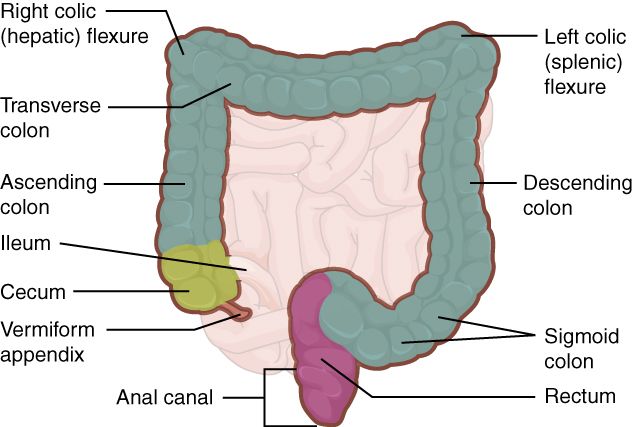
Stool consistency comes down to water and transit time. Every laxative either adds water, holds water, or hurries things along before water can be reabsorbed.
Bulk-forming agents — psyllium and methylcellulose (soluble fibers) and calcium polycarbophil (a synthetic water-holding polymer) — absorb water, swell, and stretch the bowel wall, which triggers peristalsis. They are among the safest classes and are appropriate for indefinite daily use, but they take 12–72 hours and they carry one real hazard: taken without enough fluid, they can swell into an esophageal or intestinal obstruction. Teach a full glass of water with every dose, and never give one to a patient who cannot swallow reliably.
Osmotic agents pull water into the lumen. Polyethylene glycol 3350 (PEG) is the workhorse for chronic constipation — well tolerated, non-absorbed, no cramping, and safe long-term. Lactulose is a non-absorbable sugar with a second job: in hepatic encephalopathy, colonic bacteria ferment it to acid, which traps ammonia as ammonium so it is excreted in stool. In that setting the dose is titrated to 2–3 soft stools per day, and a patient who is not stooling is a patient whose ammonia is climbing. Magnesium salts work fast but accumulate dangerously in renal impairment, and sodium phosphate preparations can cause severe electrolyte shifts and acute phosphate nephropathy — avoid them in older adults and anyone with kidney or heart disease.
Stimulant laxatives — senna, bisacodyl — irritate the enteric nerves directly, producing a bowel movement in 6–12 hours orally or 15–60 minutes by suppository. They cramp, and long-term use is associated with melanosis coli. Enteric-coated bisacodyl must not be crushed, and must not be taken within an hour of milk or antacids — raising gastric pH dissolves the coating early and causes gastric irritation. Docusate, a stool softener, is the most-ordered and least-effective laxative in the hospital; the evidence for it as monotherapy is weak, and its real role is paired with senna in opioid-induced constipation. Mineral oil lubricates, but risks lipoid pneumonia if aspirated and blocks absorption of fat-soluble vitamins.
Two newer groups matter. Secretagogues — lubiprostone (a chloride channel activator) and linaclotide/plecanatide (guanylate cyclase-C agonists) — make the intestine secrete fluid; linaclotide and plecanatide carry a boxed warning against use in children under 6 because of fatal dehydration in young animals. And PAMORAs — peripherally acting mu-opioid receptor antagonists such as methylnaltrexone, naloxegol, and naldemedine — are an elegant idea: they block the opioid receptors in the gut that cause constipation while staying out of the brain, so the patient keeps their pain control and gets their bowels back.
| Class | Prototype | Key effect / onset | Nursing alert |
|---|---|---|---|
| Bulk-forming | Psyllium | Absorbs water, adds bulk; 12–72 h | Full glass of water with every dose — obstruction risk without it. Safest for long-term use. |
| Osmotic | Polyethylene glycol 3350 | Draws water into the lumen; 1–3 days | First-line for chronic constipation. Lactulose is titrated to 2–3 soft stools/day in hepatic encephalopathy. |
| Saline osmotic | Magnesium hydroxide/citrate | Rapid osmotic pull; 30 min–6 h | Avoid in renal impairment — magnesium toxicity. Sodium phosphate risks phosphate nephropathy. |
| Stimulant | Senna, bisacodyl | Stimulates enteric nerves; 6–12 h oral | Cramping; do not crush enteric-coated bisacodyl or give within 1 h of milk/antacids. |
| Surfactant (softener) | Docusate sodium | Lets water enter stool; 1–3 days | Weak as monotherapy; use paired with senna for opioid-induced constipation. |
| Secretagogue | Lubiprostone, linaclotide | Triggers intestinal fluid secretion | Nausea (take lubiprostone with food). Linaclotide/plecanatide: boxed warning, contraindicated under age 6. |
| PAMORA | Methylnaltrexone, naloxegol | Blocks gut opioid receptors without reversing analgesia | Reserved for opioid-induced constipation; contraindicated in known or suspected bowel obstruction (perforation risk). |
One rule outranks all of the above: never give a laxative to a patient with undiagnosed abdominal pain, suspected bowel obstruction, or possible appendicitis. Stimulating peristalsis against a blockage or an inflamed appendix invites perforation. Rigid abdomen, absent bowel sounds, vomiting, no flatus — that patient needs an assessment, not a dose.
Antidiarrheals: slowing down, carefully
Loperamide is a mu-opioid agonist that acts on the gut and barely enters the brain at ordinary doses, which is why it is available over the counter. It is not harmless. Taken in the massive doses seen in opioid misuse, loperamide blocks cardiac sodium and potassium channels and causes QT prolongation, torsades de pointes, and cardiac arrest — the reason for an FDA warning and packaging limits. Reinforce the ceiling: 8 mg/day over the counter, 16 mg/day by prescription.
Diphenoxylate with atropine is a Schedule V opioid; the subtherapeutic atropine is there purely to make overdose unpleasant, so anticholinergic symptoms are the tell that someone took too much. Bismuth subsalicylate is mild and useful for traveler's diarrhea, with the salicylate cautions that come with it. Octreotide handles severe secretory diarrhea from carcinoid syndrome, VIPoma, or refractory chemotherapy-related diarrhea. Cholestyramine treats bile-acid diarrhea. And for most acute infectious diarrhea, the actual treatment is oral rehydration solution — water plus sodium plus glucose, exploiting the sodium–glucose cotransporter that keeps working even when the gut is inflamed.
Now the contraindication that shows up on every exam and, more importantly, at every bedside. Do not give an antimotility drug to a patient with bloody diarrhea, high fever, or suspected C. difficile. Diarrhea is how the body evacuates a toxin; stopping the motility keeps the toxin in contact with the mucosa and can precipitate toxic megacolon — a dilated, paralyzed, perforating colon. If a patient on antibiotics develops new watery diarrhea, the answer is a C. difficile test, contact precautions, soap-and-water hand hygiene (alcohol does not kill spores), and a call to the provider — not loperamide.
- Bulk-forming laxatives are the safest for chronic use but demand a full glass of water; PEG 3350 is first-line for chronic constipation.
- Lactulose in hepatic encephalopathy is titrated to 2–3 soft stools per day to trap and excrete ammonia.
- No laxative in undiagnosed abdominal pain, suspected obstruction, or possible appendicitis.
- No antimotility agent in bloody diarrhea, fever, or C. difficile — risk of toxic megacolon. High-dose loperamide causes torsades.
Section 4IBD and other GI drugs
Inflammatory bowel disease
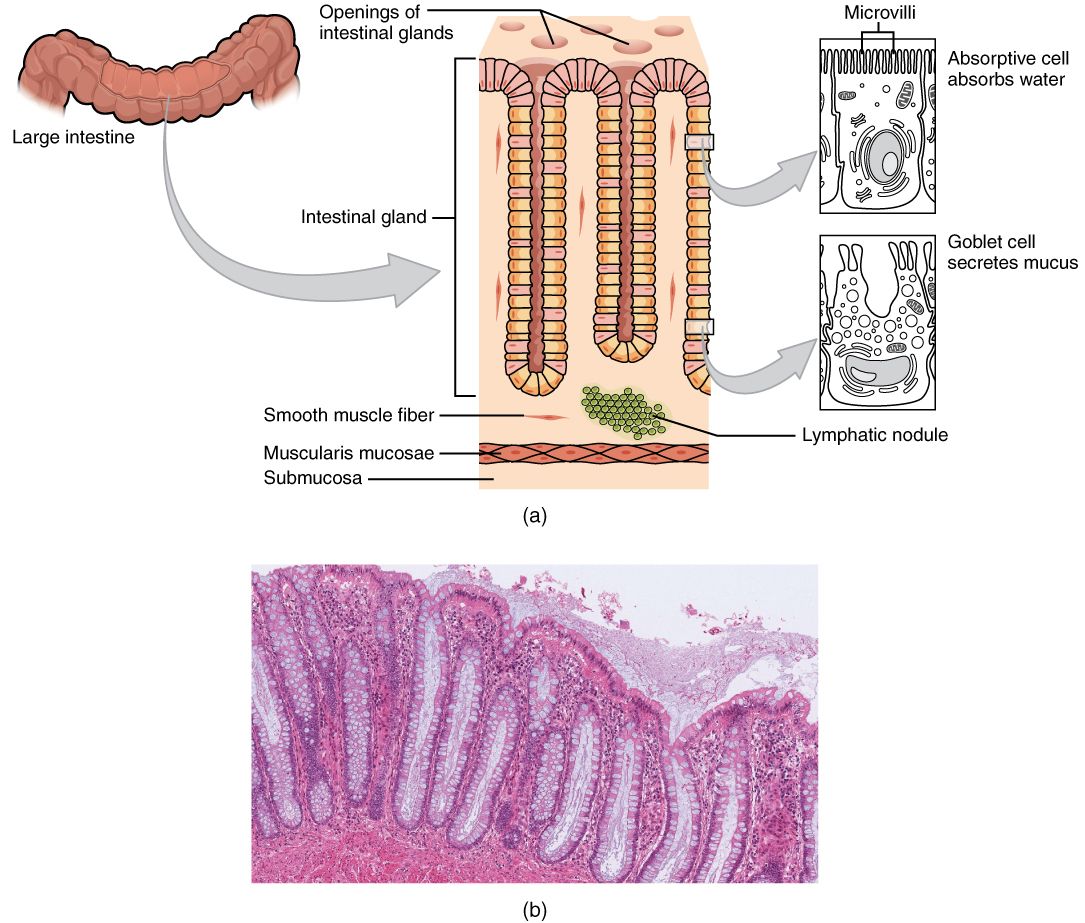
Inflammatory bowel disease (IBD) is chronic immune-mediated inflammation of the gut, and it comes in two shapes. Ulcerative colitis is continuous, superficial, and confined to the colon and rectum. Crohn disease is patchy and transmural and can strike anywhere from mouth to anus, which is why it causes fistulas, abscesses, and strictures. Therapy is built in two moves: induce remission with something fast, then maintain it with something safe enough for years. Steroids induce; they never maintain.
Aminosalicylates (5-ASA) are topical anti-inflammatories delivered to the bowel lumen. Mesalamine comes in oral delayed-release forms and, importantly, as enemas and suppositories — for proctitis, a suppository puts the drug exactly where the disease is with almost no systemic exposure. Sulfasalazine is a prodrug that colonic bacteria split into 5-ASA (the active half) and sulfapyridine (the half that causes most of the side effects): it is a sulfonamide, so ask about sulfa allergy; it stains urine, skin, and soft contact lenses orange-yellow; it causes reversible oligospermia; and it blocks folate absorption, so patients take folic acid alongside it. Mesalamine can be nephrotoxic — check renal function at baseline and periodically.
Corticosteroids break a flare. Budesonide is the clever one: extensive first-pass hepatic metabolism means it acts on the gut with far fewer systemic effects, making it attractive for mild-to-moderate ileal Crohn disease. Systemic prednisone or IV methylprednisolone handles bigger flares. Watch glucose, blood pressure, mood, and infection risk; taper rather than stop; and address bone protection early.
Immunomodulators hold remission. Azathioprine and 6-mercaptopurine require TPMT and NUDT15 testing before the first dose — a patient with low enzyme activity will develop profound, potentially fatal myelosuppression on a normal dose. Monitor CBC and liver enzymes, and know that pancreatitis and an increased lymphoma risk belong to this class. Methotrexate is used mainly in Crohn disease, with folic acid supplementation, weekly (never daily) dosing, and absolute contraindication in pregnancy.
Biologics changed the disease. Anti-TNF agents — infliximab (IV), adalimumab, certolizumab, golimumab — are highly effective and carry a boxed warning for serious infection and malignancy. Before the first dose, every patient is screened for latent tuberculosis (PPD or interferon-gamma release assay) and hepatitis B, because TNF blockade reactivates both. Live vaccines are contraindicated during therapy; get inactivated vaccines up to date beforehand. Newer agents are more targeted: vedolizumab blocks gut-specific integrin trafficking (so its infection risk is largely confined to the gut), ustekinumab hits IL-12/23, and risankizumab and mirikizumab hit IL-23. Oral JAK inhibitors — tofacitinib, upadacitinib — work quickly but carry a broad boxed warning for serious infection, malignancy, thrombosis, major cardiovascular events, and death.
| Class | Prototype | Key effect | Nursing alert |
|---|---|---|---|
| Aminosalicylate | Mesalamine, sulfasalazine | Topical gut anti-inflammatory; mild-to-moderate UC | Sulfasalazine: sulfa allergy, orange-yellow staining of urine and contact lenses, give folic acid. Mesalamine: monitor renal function. |
| Corticosteroid | Prednisone, budesonide | Induces remission in a flare — never for maintenance | Glucose, blood pressure, mood, infection, bone loss. Taper; budesonide has fewer systemic effects. |
| Immunomodulator | Azathioprine, 6-mercaptopurine | Steroid-sparing maintenance | Check TPMT/NUDT15 before the first dose. Monitor CBC and LFTs; pancreatitis and lymphoma risk. |
| Anti-TNF biologic | Infliximab, adalimumab | Induces and maintains remission; heals fistulas | Screen for latent TB and hepatitis B first. Boxed warning: serious infection, malignancy. No live vaccines. Monitor infusion reactions. |
| Anti-integrin | Vedolizumab | Gut-selective blockade of lymphocyte trafficking | Favored when systemic infection risk is a concern; onset is slower than anti-TNF. |
| JAK inhibitor | Tofacitinib, upadacitinib | Oral, rapid onset for ulcerative colitis | Boxed warning: infection, malignancy, thrombosis, MACE, death. Check lipids, CBC, and clot risk. |
The rest of the GI cabinet
Prokinetics speed a stomach that will not empty. Metoclopramide is the mainstay for diabetic gastroparesis — the same tardive dyskinesia warning applies, and the 12-week ceiling is not a suggestion. Erythromycin is borrowed from the antibiotic shelf because it agonizes motilin receptors, though tolerance develops within weeks.
Antispasmodics — dicyclomine, hyoscyamine — are anticholinergics that relax intestinal smooth muscle in irritable bowel syndrome. Their side effects are pure anticholinergic burden: dry mouth, blurred vision, urinary retention, constipation, and confusion in older adults. Other IBS agents include rifaximin, a non-absorbed antibiotic; eluxadoline, contraindicated after cholecystectomy or in heavy alcohol use because of pancreatitis risk; and alosetron, restricted to women with severe diarrhea-predominant IBS under a REMS program because it causes ischemic colitis.
Pancrelipase replaces the enzymes a fibrotic or resected pancreas no longer makes. The teaching is specific: take it with every meal and every snack, swallow the capsule whole, and if it must be opened, sprinkle the beads on a small amount of acidic soft food such as applesauce — alkaline foods dissolve the enteric coating and destroy the enzymes. Do not let the beads sit in the mouth (they irritate mucosa), and do not exceed the prescribed dose, since very high doses have been linked to fibrosing colonopathy. Ursodiol dissolves cholesterol gallstones and improves cholestatic liver disease. Orlistat, a lipase inhibitor used for weight management, causes oily stools and flatus with discharge and blocks absorption of vitamins A, D, E, and K — a supplement taken at a different time of day is standard.
- IBD therapy induces remission with steroids and maintains it with 5-ASAs, immunomodulators, or biologics — steroids never maintain.
- Sulfasalazine: sulfa allergy, orange-yellow staining, folic acid supplementation. Mesalamine: monitor kidneys.
- TPMT/NUDT15 before azathioprine; latent TB and hepatitis B screening before any anti-TNF biologic; no live vaccines on biologics.
- Pancrelipase goes with every meal and snack, capsule whole or sprinkled on acidic food only.
Section 5GI nursing care
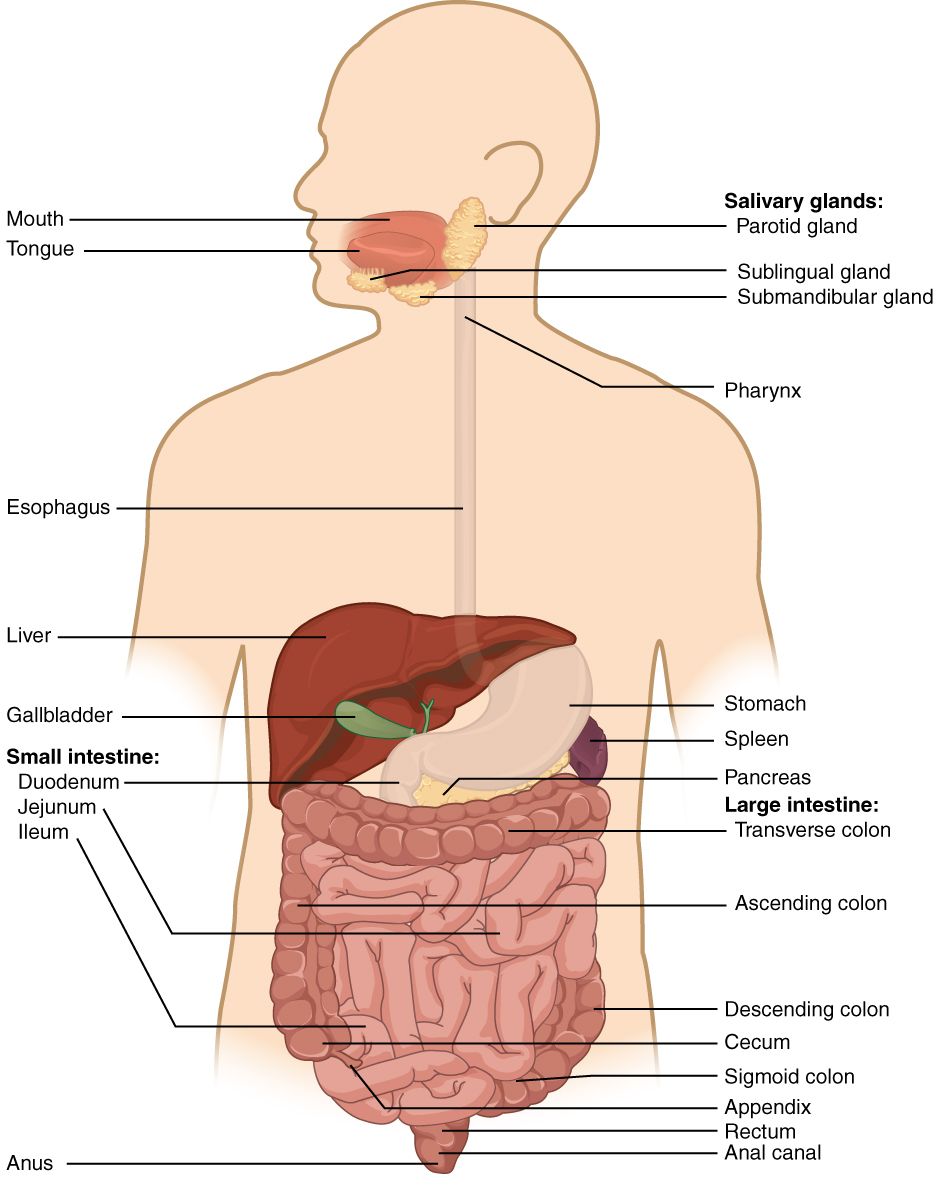
Timing is the drug
More than any other body system, GI pharmacology is governed by the clock and by food. The same tablet given at the wrong hour is a different drug. Learn this table once and you will carry it for your whole career.
| Drug | When | Why |
|---|---|---|
| Proton pump inhibitor | 30–60 min before the first meal | It is a prodrug — it only activates in pumps that are actively secreting. |
| H2 blocker | 30–60 min before the triggering meal when the goal is preventing meal-related symptoms; scheduled maintenance doses may be given without regard to food, with a bedtime dose for nocturnal acid | It has to be on board before the meal to blunt the postprandial acid rise; the bedtime dose covers the overnight rise. |
| Antacid | 1–2 h after meals; separate other drugs by at least 1–2 h — levothyroxine 4 h, fluoroquinolones 2 h before or 6 h after | Food buffers acid first; the antacid chelates and blocks other drugs, and the chelation-prone ones need a wider gap. |
| Sucralfate | 1 h before meals and at bedtime, empty stomach; other drugs 2 h apart | It needs acid to polymerize and it binds anything else present. |
| Pancrelipase | With every meal and every snack | The enzymes must be present when the food is. |
| Bulk laxative | Any time, with a full glass of water | Without fluid it swells into an obstruction. |
| Scopolamine patch | 4 h before travel, behind the ear, change q72h | Slow transdermal onset; wash hands afterward to avoid pupil dilation. |
| Chemotherapy antiemetics | Before the chemotherapy, on a schedule | Prevention is far more effective than rescue. |
Alongside timing sits formulation. Many GI drugs are delayed-release or enteric-coated — PPIs, bisacodyl, mesalamine, pancrelipase — and crushing them destroys them or dumps the entire dose at once. When a patient cannot swallow, do not improvise: check a do-not-crush reference, and ask the pharmacist for an alternative formulation. Some products have specific, approved workarounds (certain PPI capsules may be opened onto applesauce; certain PPI granules may be given through a tube in a specific diluent), but those are product-specific instructions, not general permission.
What to teach
Most GI drugs treat symptoms that lifestyle also treats, and the patient who changes both does far better than the patient who changes neither. For reflux: smaller meals, nothing to eat within three hours of lying down, the head of the bed raised 6–8 inches on blocks (extra pillows bend the abdomen and make reflux worse), weight loss, and honest conversation about tobacco, alcohol, caffeine, chocolate, peppermint, and late-night eating. For ulcers: no NSAIDs without a protective strategy, and if H. pylori was found, finish every dose. For constipation: fiber, fluid, movement, and a routine — the gastrocolic reflex is real, and sitting on the toilet 20 minutes after breakfast works better than most drugs. For anyone on a chronic laxative, name the goal out loud: a soft, comfortable stool, not a daily one. The belief that a bowel movement every day is mandatory drives an enormous amount of unnecessary laxative use.
Then teach the red flags, in plain language, and make sure the patient can repeat them back: black tarry stool or coffee-ground vomit (bleeding), bright red blood, trouble swallowing, unintended weight loss, vomiting that will not stop, severe or worsening abdominal pain, or new dyspepsia after age 60. Those symptoms mean investigation, not another antacid. Over-the-counter availability makes GI drugs feel trivial; part of your job is making clear that self-treating heartburn for months can mask something that needed a scope.
What to monitor
Watch the labs the drug touches. On chronic PPIs: magnesium (hypomagnesemia presents as tremor, tetany, arrhythmia, and refractory hypokalemia), vitamin B12, iron, and creatinine. On vomiting or diarrhea of any cause: potassium, chloride, bicarbonate, creatinine, intake and output, daily weight, and orthostatic vital signs — daily weight is the most honest fluid-balance number you have. On ondansetron, especially IV or combined with other QT-prolonging drugs: ECG, potassium, and magnesium. On sulfasalazine or azathioprine: CBC and liver enzymes. On methotrexate: LFTs and CBC. Before any anti-TNF: TB and hepatitis B screening. And on any patient at all: bowel sounds, abdominal distention, last bowel movement, and stool character — documented as a number and a description, not as the word "normal."
Finally, hold the safety alerts close, because these are the ones that hurt people. Promethazine IV causes gangrene on extravasation — dilute, run slowly, large vein, stop at the first report of burning; it is contraindicated under age 2. Metoclopramide causes tardive dyskinesia — screen for abnormal movements and respect the 12-week limit. Loperamide in high doses causes torsades. Antimotility drugs plus C. difficile equals toxic megacolon. Misoprostol plus pregnancy equals miscarriage. And any antiemetic or antihistamine with sedating properties is a fall risk in an older adult — put the bed low, the call light close, and the patient's expectations straight before you give it.
- Timing is the therapy: PPI before breakfast, sucralfate on an empty stomach, pancrelipase with food, antiemetics before chemo, antacids separated from everything.
- Do not crush delayed-release or enteric-coated GI drugs; ask the pharmacist for an alternative formulation.
- Teach red flags — melena, coffee-ground emesis, dysphagia, weight loss, new dyspepsia after 60 — and the lifestyle measures that work alongside the drug.
- Monitor Mg2+ and B12 on chronic PPIs, K+ and volume with vomiting or diarrhea, ECG with IV ondansetron, and TB/HBV before any biologic.
The chapter in one breath
- PPIs irreversibly block the parietal cell proton pump and must be given 30–60 minutes before the first meal; chronic use costs magnesium, B12, and infection resistance, and pantoprazole is the safe partner for clopidogrel.
- H2 blockers are faster and weaker with tolerance and renal dosing; antacids neutralize instantly, bind other drugs, and choose your side effect by cation; sucralfate is a bandage that needs acid and an empty stomach.
- Bismuth quadruple therapy is first-line for H. pylori, and adherence teaching — including the alcohol–metronidazole reaction — is what makes it work.
- Vomiting has four inputs: CTZ, vagal gut afferents, vestibular system, and cortex — match the antiemetic to the road, and give it before the trigger, not after.
- Metoclopramide (tardive dyskinesia), promethazine (extravasation gangrene), ondansetron (QT), and high-dose loperamide (torsades) are the GI drugs most likely to cause real harm.
- Bulk laxatives need a full glass of water, PEG is first-line for chronic constipation, lactulose is titrated to 2–3 soft stools daily in hepatic encephalopathy, and no laxative goes into an undiagnosed abdomen.
- Antimotility drugs are contraindicated in bloody or febrile diarrhea and in C. difficile — toxic megacolon is the price of stopping a protective reflex.
- IBD care means steroids to induce, something else to maintain, TPMT/NUDT15 before azathioprine, and TB and hepatitis B screening before any anti-TNF biologic.
ReferenceWords worth knowing
A quick reference for the terms in this chapter — skim it now, or circle back whenever a word trips you up.
- Aminosalicylate (5-ASA)
- A topical gut anti-inflammatory such as mesalamine or sulfasalazine, used mainly for mild-to-moderate ulcerative colitis.
- Antacid
- A base that chemically neutralizes acid already in the stomach; fast onset, short duration, and it binds other oral drugs.
- Antiemetic
- Any drug that prevents or relieves nausea and vomiting by blocking one of the four inputs to the vomiting center.
- Bulk-forming laxative
- Fiber or a water-holding polymer (psyllium, methylcellulose, calcium polycarbophil) that absorbs water and stretches the bowel; among the safest classes, but it must be taken with a full glass of water.
- Chemoreceptor trigger zone (CTZ)
- A region in the area postrema of the medulla that sits outside the blood–brain barrier and senses emetic chemicals in the blood; rich in D2, 5-HT3, and NK1 receptors.
- Delayed-release (enteric-coated)
- A formulation with a coating that dissolves past the stomach; crushing it destroys the drug or dumps the whole dose at once.
- Dyspepsia
- Upper abdominal discomfort, fullness, or burning; new-onset dyspepsia after age 60 is an alarm symptom, not a candidate for self-treatment.
- Gastroesophageal reflux disease (GERD)
- Symptomatic backflow of gastric contents into the esophagus; treated with acid suppression plus positional and dietary measures.
- H2-receptor antagonist
- A drug such as famotidine that blocks histamine at the parietal cell; faster but weaker than a PPI, with tolerance and renal dose adjustment.
- Hepatic encephalopathy
- Confusion caused by ammonia accumulating in liver failure; treated with lactulose titrated to 2–3 soft stools per day, often with rifaximin.
- Inflammatory bowel disease (IBD)
- Chronic immune-mediated bowel inflammation — ulcerative colitis (continuous, colonic, superficial) or Crohn disease (patchy, transmural, mouth to anus).
- Melena
- Black, tarry stool from digested blood, signaling upper GI bleeding; an urgent finding, never a medication side effect to shrug off (except harmless bismuth or iron darkening).
- Osmotic laxative
- An agent such as polyethylene glycol or lactulose that pulls water into the bowel lumen to soften stool.
- PAMORA
- Peripherally acting mu-opioid receptor antagonist (methylnaltrexone, naloxegol) that relieves opioid-induced constipation without reversing analgesia.
- Parietal cell
- The gastric cell that secretes hydrochloric acid through the H+/K+-ATPase, and intrinsic factor for B12 absorption.
- Peptic ulcer disease (PUD)
- A break in the gastric or duodenal mucosa, caused most often by H. pylori or NSAIDs rather than by excess acid alone.
- Prokinetic
- A drug such as metoclopramide that accelerates gastric emptying and gut transit.
- Proton pump inhibitor (PPI)
- A prodrug that irreversibly inhibits the parietal cell H+/K+-ATPase; the most potent acid suppressor, given before the first meal of the day.
- Quadruple therapy
- The preferred H. pylori regimen — a PPI plus bismuth, tetracycline, and metronidazole for 10–14 days.
- Rebound acid hypersecretion
- A surge of acid production after abrupt discontinuation of a long-term PPI; the reason to taper rather than stop.
- Stimulant laxative
- An agent such as senna or bisacodyl that irritates enteric nerves to trigger peristalsis; effective in 6–12 hours orally, with cramping.
- Sucralfate
- A drug that polymerizes in acid to form a protective paste over an ulcer; requires an empty stomach and separation from all other oral drugs.