Proteins & Amino Acids
Carbohydrate and fat are made of carbon, hydrogen and oxygen. Protein adds one more element: nitrogen. That one addition changes everything protein can do. Protein is the only macronutrient that can build a muscle fiber, speed up a reaction, carry oxygen, fight off a virus, and hold fluid inside a blood vessel. It gives 4 kilocalories per gram, the same as carbohydrate. But the body treats burning protein for fuel as close to a last resort. This chapter follows protein from a single amino acid to a folded, working molecule. It follows protein through the gut, into the jobs it does, and finally onto the plate. That is where the practical questions live. How much do you need? Where should it come from? And does quality matter as much as people say?
By the end of this chapter you can
- Draw and label the parts of an amino acid, and explain what the side chain decides.
- Tell indispensable (essential), dispensable and conditionally indispensable amino acids apart, and name the nine indispensable ones.
- Describe the four levels of protein structure, and explain how order makes shape and shape makes function.
- Explain denaturation, list what causes it, and say what it does and does not destroy.
- Trace protein digestion and absorption from the stomach, through the brush border, to the portal vein.
- Give examples of protein's roles in structure, enzymes, hormones, transport, immunity, fluid balance and acid-base balance.
- Compare ways of judging protein quality, and explain how complementary proteins work.
- Give the adult RDA for protein with its units and group, and describe how needs shift with age, pregnancy and breastfeeding.
Section 1Amino acids
One backbone, twenty side chains
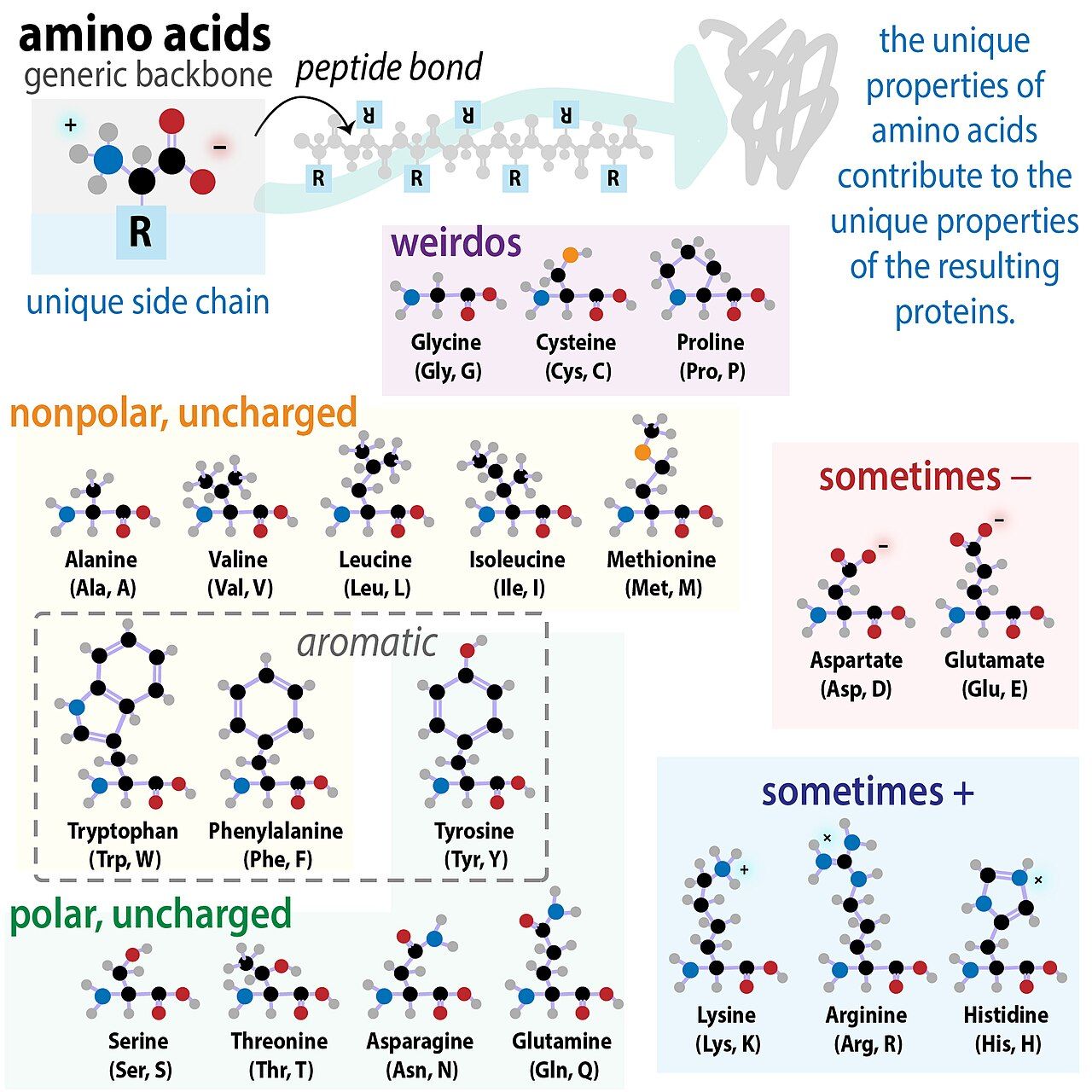
Every amino acid is built on the same small frame. A central carbon atom, called the alpha carbon, holds four things. It holds an amino group (NH2), a carboxyl group (COOH), a hydrogen atom, and a fourth part called the side chain or R group. Three of those four are the same in every amino acid. Only the side chain changes. That change is the whole story. It makes one amino acid water-loving and another water-fearing. It makes one acidic and another basic (the chemical opposite of acidic). It makes one small enough to fit into a tight turn, and another bulky enough to force the chain to bend around it.
Twenty amino acids are used to build human proteins. The nitrogen lives in the amino group. It is the reason protein acts differently from the other energy nutrients. Protein is about 16 percent nitrogen by weight. That is why labs have long estimated the protein in a food by measuring its nitrogen and multiplying by 6.25. It is also why the body cannot simply store extra protein the way it stores glycogen or fat. The nitrogen has to be stripped off and removed as urea before the carbon part, called the carbon skeleton, can be burned or stored.
Indispensable, dispensable, conditional
The body can make some amino acids from scratch. It rearranges carbon skeletons and moves nitrogen around. Others it cannot make at all, or cannot make fast enough. Those must come from food. Nine amino acids are indispensable. The older word is essential. They are histidine, isoleucine, leucine, lysine, methionine, phenylalanine, threonine, tryptophan and valine. The rest are dispensable. That does not mean they are unimportant. It just means the body can make them.
A third group sits in between. Conditionally indispensable amino acids are ones the body normally makes for itself. But it cannot keep up in certain cases: fast growth, serious illness, major injury, or an inherited enzyme problem. Tyrosine is the clearest example. It is normally made from phenylalanine. But a person with phenylketonuria (PKU) lacks the enzyme for that change. So tyrosine becomes indispensable for them. Phenylalanine must be tightly limited, with medical care.
| Group | Amino acids | What it means |
|---|---|---|
| Indispensable (essential) | Histidine, isoleucine, leucine, lysine, methionine, phenylalanine, threonine, tryptophan, valine | The body cannot make them; they must come from food |
| Dispensable (nonessential) | Alanine, asparagine, aspartic acid, glutamic acid, serine | Easily made from other compounds; no need in the diet |
| Conditionally indispensable | Arginine, cysteine, glutamine, glycine, proline, tyrosine | Normally made in large enough amounts, but not during illness, injury, early birth or certain inherited disorders |
Notice that the branched-chain amino acids, leucine, isoleucine and valine, are all indispensable. Leucine in particular has drawn research interest. It acts as a signal that helps switch on the building of muscle protein. That signal role is well described in lab studies and short human studies. But does adding leucine or branched-chain pills on top of enough protein bring real long-term gains? That is not settled. The current evidence is best called early.
- An amino acid is an alpha carbon carrying an amino group, a carboxyl group, a hydrogen and a side chain that varies.
- The side chain alone decides an amino acid's chemical nature, and so how a finished protein folds.
- Nine amino acids are indispensable and must come from food. Some become conditionally indispensable during illness, growth or inherited disorders.
- Protein is about 16% nitrogen and gives 4 kcal/g, the same as carbohydrate.
Section 2Protein structure
From sequence to shape
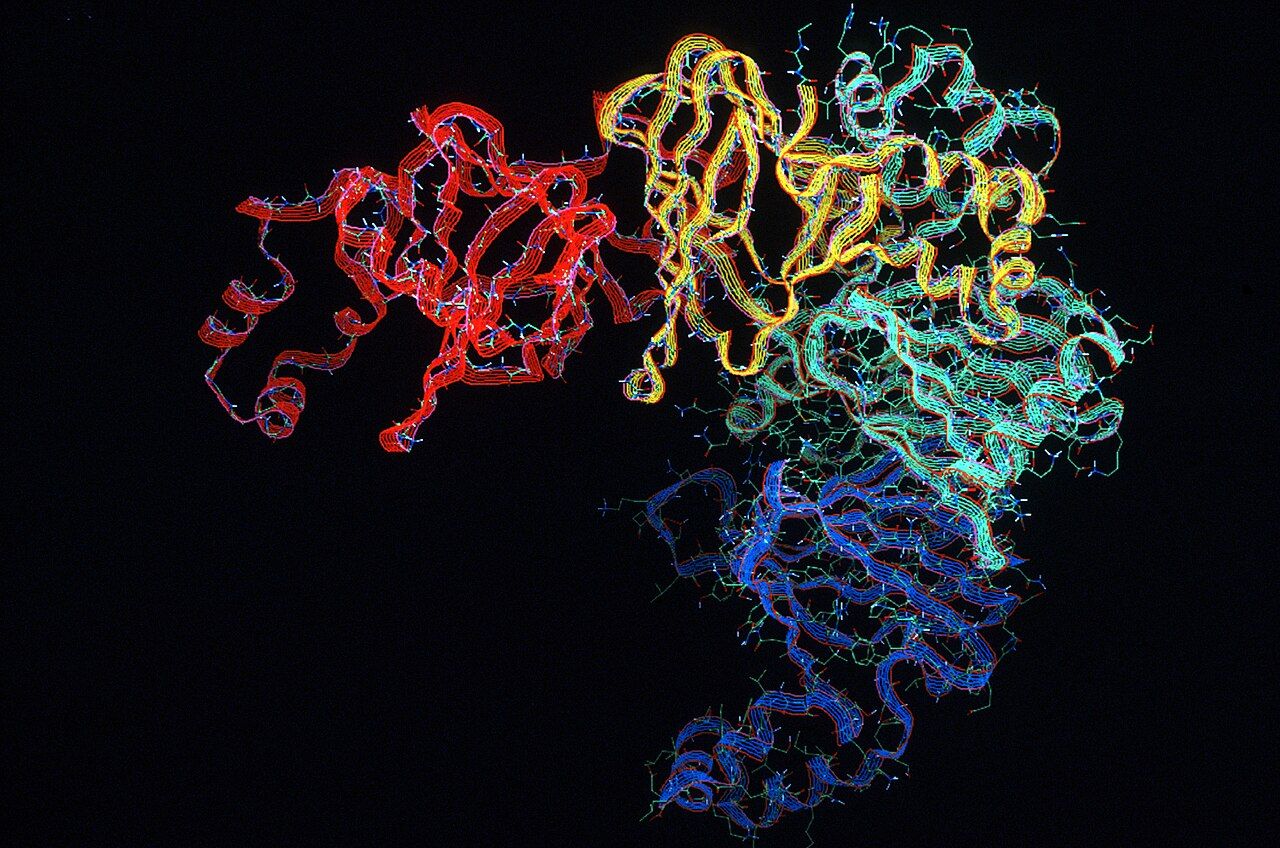
Two amino acids join when the carboxyl group of one reacts with the amino group of the other. A molecule of water is let go. What is left between them is a peptide bond. Repeat that thousands of times and you have a polypeptide. It is a long chain whose order of amino acids was set, letter by letter, by a gene. That order is the protein's primary structure. It is not a minor detail. Change one amino acid and you can change the whole molecule. Sickle cell disease comes from a single swap. Valine takes the place of glutamic acid at position six of the beta-globin chain of hemoglobin.
A polypeptide does not stay stretched out. Hydrogen bonds, weak pulls between atoms, form along the backbone. They pull short stretches into repeating patterns. One is the coiled alpha helix. The other is the pleated beta sheet. Together these make up secondary structure. Then the whole chain folds in on itself. Water-fearing side chains hide in the middle. Water-loving ones face out. Side chains with opposite charges pull together. Cysteines, which contain sulfur, can lock the fold in place with disulfide bridges. The 3-D shape that results is the tertiary structure. Some proteins go one step further. They are put together from several finished chains. Hemoglobin is four chains clicked together. This is called quaternary structure.
| Level | What it is | Held together by | Example |
|---|---|---|---|
| Primary | The order of amino acids in a line | Peptide bonds (strong bonds) | The gene-set order of insulin |
| Secondary | Local coils and pleats: alpha helix, beta sheet | Hydrogen bonds along the backbone | The coiled rods of keratin in hair |
| Tertiary | The overall 3-D fold of one chain | Side-chain pulls, hiding from water, disulfide bridges | The pocket in an enzyme's active site |
| Quaternary | Two or more folded chains put together | The same side-chain forces, acting between chains | Hemoglobin's four chains |
The reason to learn these levels is that shape is function. An enzyme works because its active site is a pocket shaped to fit one certain molecule. An antibody works because its tips are shaped to grip one certain antigen, a marker on a germ or other foreign thing. A carrier in a membrane works because it has a channel of the right size and charge. Lose the shape and you lose the job, even though every peptide bond is still whole.
Denaturation
Anything that breaks up the weak forces holding a fold together will unravel a protein. This is denaturation. The usual causes are heat, acid or alkali (strong base), shaking or whipping, alcohol, certain salts and heavy metals, and ultraviolet light. Here is the key point. Denaturation breaks the hydrogen bonds and side-chain pulls that make secondary, tertiary and quaternary structure. It does not break the peptide bonds of the primary structure. The order survives. The shape does not.
You have watched this happen. Egg white is a clear liquid of folded proteins, mainly ovalbumin. Heat it and those proteins unfold, tangle with each other and set into a white solid that will not go back. Whipping egg whites denatures them by force. Adding acid to milk denatures its protein, casein, and makes curds. Soaking fish in citrus juice "cooks" it without heat. That is acid denaturation. Denatured protein is more open and easier to reach. So cooking usually makes protein easier to digest, not harder.
The body does this on purpose too. Stomach acid denatures food proteins when they arrive. It unfolds them so digestive enzymes can reach the peptide bonds inside. Denaturation also helps explain why certain extremes are dangerous. A very high fever, a large shift in blood pH, or certain poisons can start to unfold the body's own proteins. That is one reason those states are treated as emergencies.
- Peptide bonds link amino acids into polypeptides. The order is the primary structure.
- Hydrogen bonds make secondary structure (alpha helix, beta sheet). Side-chain forces make tertiary. Several chains make quaternary.
- Swapping a single amino acid can change function. Sickle cell disease is the classic example.
- Denaturation (heat, acid, whipping, alcohol) destroys shape but leaves peptide bonds whole, and it usually makes protein easier to digest.
Section 3Digestion and absorption
The stomach: acid first, enzyme second
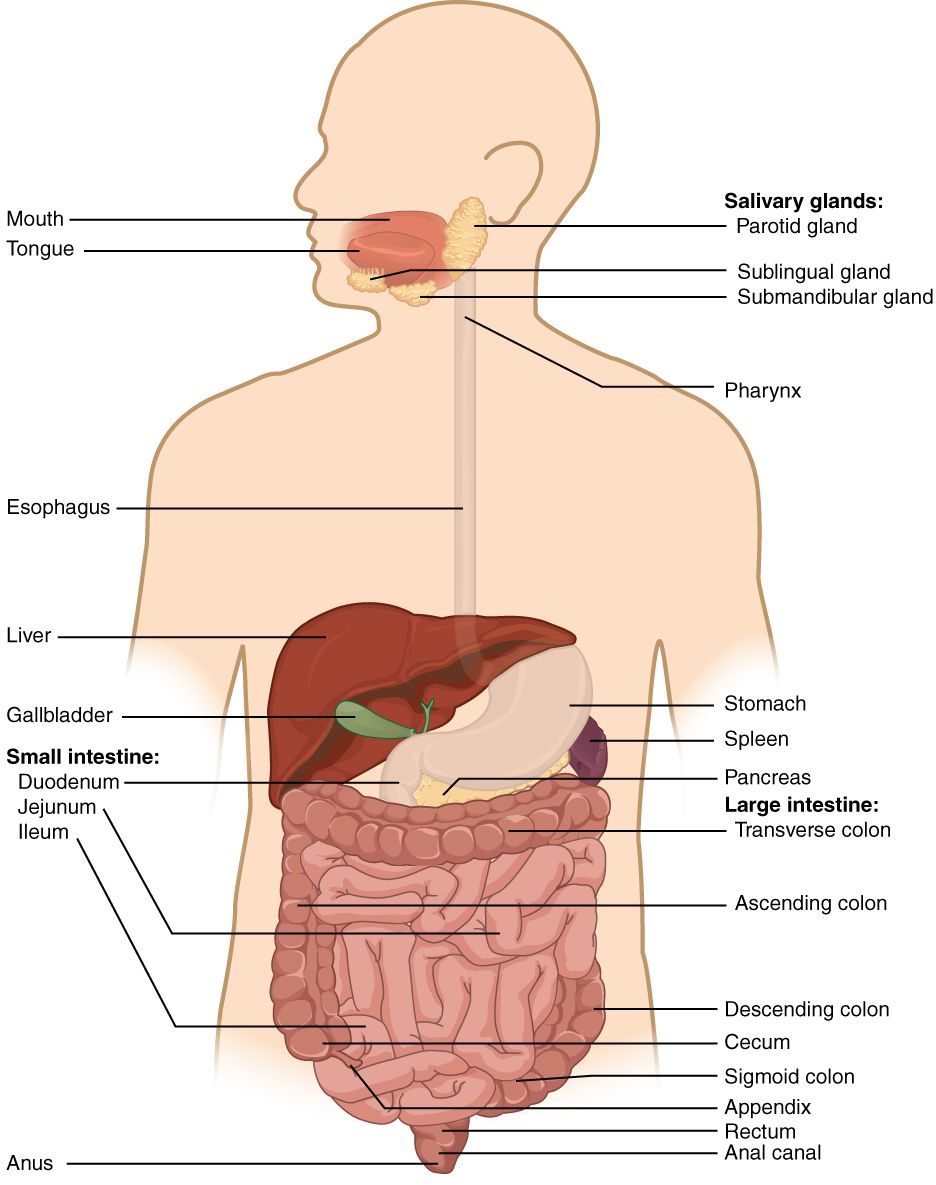
Nothing happens to protein in the mouth except chewing. Saliva has enzymes for starch and fat, but none for protein. So chewing only breaks food apart and adds surface area. The chemistry starts in the stomach, and it starts with acid.
Parietal cells in the stomach lining release hydrochloric acid. This drops the stomach contents to about pH 1.5 to 3.5. The acid does two jobs at once. It denatures the incoming proteins, unfolding them so their inner bonds can be reached. And it turns pepsinogen into the active enzyme pepsin. Pepsinogen is an "off" form released by chief cells. Pepsin then cuts the long chains at certain inner points. This makes shorter polypeptides. Pepsin is unusual among enzymes because it likes strong acid. It is the only major digestive protein enzyme that works well at the stomach's pH.
The small intestine finishes the job
Acidic chyme entering the duodenum sets off two hormones. Secretin tells the pancreas to release bicarbonate. This cancels the acid so the intestine's enzymes can work. Cholecystokinin (CCK) tells the pancreas to release its digestive enzymes. Those enzymes arrive in "off" forms called zymogens: trypsinogen, chymotrypsinogen and procarboxypeptidase. A pancreas that released active protein enzymes would digest itself.
The enzymes are turned on at the wall of the intestine. Enteropeptidase is an enzyme fixed in the brush border of the small intestine. It turns trypsinogen into trypsin. Trypsin then turns on the other zymogens, one after another, like falling dominoes. Trypsin, chymotrypsin and elastase cut chains at inner bonds. Carboxypeptidase nibbles amino acids off the carboxyl end. Last, the brush-border peptidases finish up. These are aminopeptidases and dipeptidases set in the microvilli of the intestine's cells. They cut what is left into free amino acids and short pieces two and three units long, called di- and tripeptides.
| Site | Secretion | Active enzyme | What it does to protein |
|---|---|---|---|
| Mouth | Saliva | none for protein | Chewing only; adds surface area |
| Stomach | Hydrochloric acid | - | Denatures protein; turns on pepsinogen |
| Stomach | Pepsinogen (chief cells) | Pepsin | Cuts inner bonds → shorter polypeptides |
| Pancreas | Trypsinogen | Trypsin (by enteropeptidase) | Cuts inner bonds; turns on the other zymogens |
| Pancreas | Chymotrypsinogen, proelastase | Chymotrypsin, elastase | More inner cuts → small peptides |
| Pancreas | Procarboxypeptidase | Carboxypeptidase | Removes amino acids from the carboxyl end |
| Small intestine | Brush-border enzymes | Aminopeptidase, dipeptidase | Last cuts → free amino acids, di- and tripeptides |
Absorption and the amino acid pool
Absorption works well. Free amino acids cross into the intestine's cell on carriers that need sodium. Di- and tripeptides cross on a separate carrier driven by hydrogen ions. Then they are broken down to single amino acids inside the cell. There are several carriers, and each one handles a family of amino acids that are chemically alike. So very large doses of one amino acid can crowd out its chemical relatives at the carrier. That is one of several reasons that pills with a single amino acid are treated with care. From the intestine's cell, amino acids enter the portal vein and travel to the liver. The liver decides what to keep, what to change and what to release into the general blood flow. Healthy adults absorb most of the protein they eat. Protein from animal foods and refined soy products is usually more than 90 percent digested. It is somewhat lower for whole legumes and grains, where fiber and other plant compounds get in the way.
What arrives joins the amino acid pool. This is the body's supply of free amino acids in the blood and inside cells. The pool is filled from two directions. One is food. The other is the constant breaking down of the body's own proteins. This protein turnover is huge. Adults recycle about 250 to 300 grams of protein every day. That is far more than anyone eats. It means protein from food tops up a system that is already busy reusing its own material.
- No protein digestion happens in the mouth. Stomach acid denatures protein and turns on pepsin.
- Pancreatic protein enzymes are released as zymogens. Brush-border enteropeptidase turns on trypsin, which turns on the rest.
- Brush-border peptidases finish digestion. Amino acids and small peptides are absorbed and carried by the portal vein to the liver.
- The amino acid pool is filled both by food and by the constant turnover of the body's own proteins.
Section 4Functions of protein
Building, and rebuilding
The best-known role of protein is building the body's structures. Collagen is the most plentiful protein in the human body. It forms the frame of skin, bone, tendons, ligaments, cartilage and the walls of blood vessels. It is also the frame on which a wound heals. Keratin makes hair and nails and toughens the outer skin. Elastin lets tissue spring back. Actin and myosin are the sliding threads that make every muscle squeeze. None of this is built once and left alone. Skin, gut lining and blood cells are replaced all the time. Every replacement draws on the amino acid pool.
Growth raises the need sharply. Infancy, childhood, the teen years, pregnancy, breastfeeding, and healing from surgery, burns or serious infection all add new tissue or repair damaged tissue. All of them need the body to keep more protein than it loses. That balance is measured as nitrogen balance: nitrogen in versus nitrogen out. Healthy adults are in balance. Growing children, pregnant women and people healing from injury are in positive balance. Long periods of eating too little, severe illness, burns or not moving push a person into negative balance. Then body protein is lost faster than it is replaced.
Enzymes, hormones, and transport
Almost every chemical reaction in the body is run by a protein enzyme. Enzymes are catalysts. They speed up reactions hugely without being used up. Each one is shaped for its own substrate. Pepsin, trypsin, lactase and the enzymes of every body pathway are proteins.
Many hormones are proteins or short peptides. These include insulin, glucagon, growth hormone, parathyroid hormone, and the appetite signals leptin and ghrelin. (Not all hormones are protein. The steroid hormones are built from cholesterol. Thyroid hormones are built from tyrosine plus iodine.)
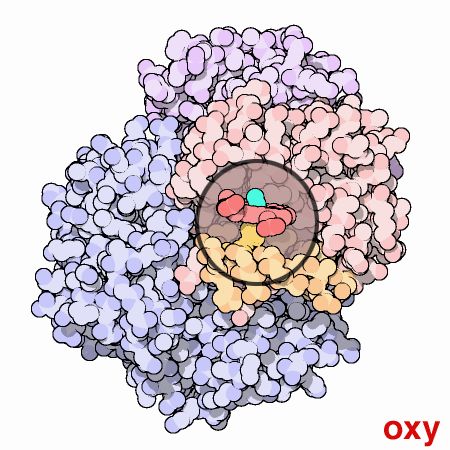
Transport proteins move things that could not travel on their own. Hemoglobin carries oxygen in red blood cells. Albumin carries fatty acids, calcium, bilirubin (a yellow waste from old red blood cells) and many medicines through the blood. Transferrin carries iron. Retinol-binding protein carries vitamin A. Lipoproteins carry fat and cholesterol through watery plasma, the liquid part of blood. Set in every cell membrane are protein pumps and channels. They move sodium, potassium, glucose and amino acids across a barrier that would otherwise block them.
| Function | Example proteins | What it does |
|---|---|---|
| Structure | Collagen, keratin, elastin, actin, myosin | Skin, bone, tendon, hair, muscle squeezing, wound healing |
| Enzymes | Pepsin, trypsin, lactase, body-pathway enzymes | Speed up almost every reaction in the body |
| Hormones | Insulin, glucagon, growth hormone, leptin | Chemical messengers that help organs work together |
| Transport | Hemoglobin, albumin, transferrin, lipoproteins, membrane pumps | Move oxygen, iron, fats, vitamins, minerals and drugs |
| Immunity | Antibodies (immunoglobulins), complement proteins | Spot and disable certain foreign invaders |
| Fluid balance | Albumin and other plasma proteins | Hold water inside blood vessels by osmotic pull |
| Acid-base balance | Hemoglobin, plasma proteins | Soak up extra acid or base to keep blood pH near 7.4 |
| Clotting | Fibrinogen → fibrin | Form the mesh that seals a damaged vessel |
| Energy | Any protein, when needed | 4 kcal/g: used when intake is too low or need is extreme |
Immunity, fluid balance, and the acid-base buffer
Antibodies are proteins. Each is shaped to grab one certain antigen. Making them uses up amino acids. That is part of why severe protein-energy undernutrition, too little protein and too few calories, weakens the immune system and slows healing from infection.
Fluid balance is a less obvious job, but it matters a lot in medicine. Plasma proteins, especially albumin, are too large to slip out of capillaries. By staying inside, they create an osmotic pull, a pull on water caused by dissolved particles. This pull keeps water in the blood. When plasma protein falls very low, the pull weakens. This can happen in severe undernutrition, advanced liver disease or kidney disease where protein leaks out. Fluid can then leak into nearby tissue, and a visible swelling called edema appears. It is worth being careful about how far to push this explanation. It explains well the edema of advanced liver disease and of kidney disease where protein leaks out. In severe undernutrition in children, it is only part of the story. The swollen belly and puffy limbs of a badly malnourished child were long blamed on low albumin alone. That account is now thought to be incomplete (see Section 5). What is not in doubt is the fact itself. The swelling is fluid, not tissue. So a child can look filled out and be badly malnourished at the same time.
Proteins also act as buffers. Their side chains can take up or give off hydrogen ions. This soaks up extra acid or base. It helps keep the pH of blood in the arteries in its narrow safe range near 7.4. And when the diet has too little carbohydrate and fat, protein can be given up for energy. Its nitrogen is removed, called deamination, and leaves the body as urea. The carbon skeleton is burned or turned into glucose. Enough carbohydrate in the diet is called protein-sparing because it prevents that loss.
- Protein builds and repairs tissue. Collagen is the body's most plentiful protein.
- Nitrogen balance is positive in growth, pregnancy and healing. It is negative in severe illness, injury or when too little is eaten.
- Proteins act as enzymes, many hormones, carriers, antibodies, buffers and clotting factors.
- Albumin holds fluid inside blood vessels. When plasma protein falls very low, edema can result, though in childhood undernutrition that is not the whole explanation.
Section 5Protein in the diet
Judging protein quality
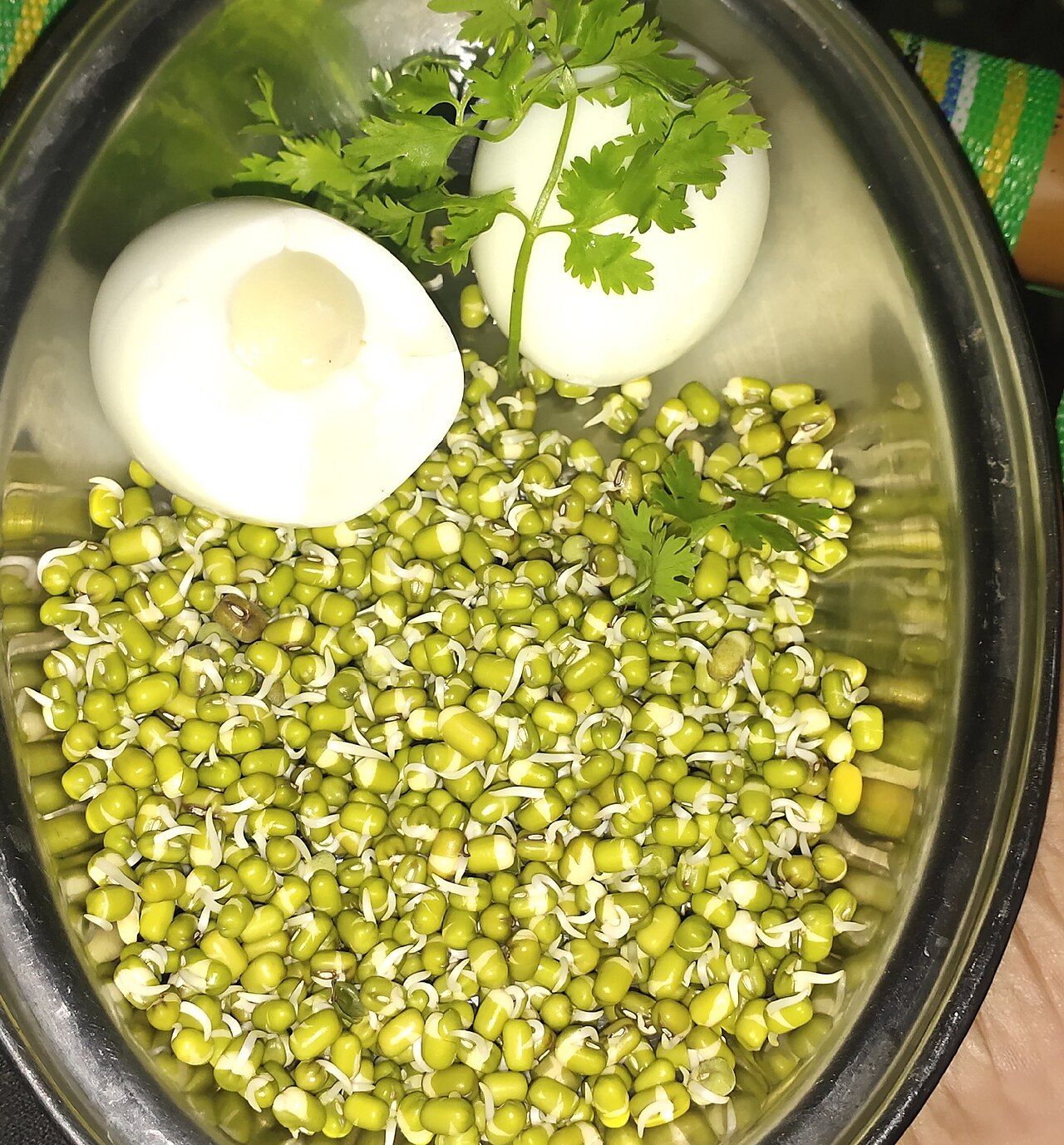
Protein quality describes how well a food's amino acid pattern matches human needs, along with how well that protein is digested. A protein that gives all nine indispensable amino acids in good amounts is called complete, or high quality. Examples are eggs, dairy, meat, poultry and fish, and among plants, soy and quinoa. Most single plant proteins are incomplete. This word needs care. It almost never means an amino acid is missing. It means one or more indispensable amino acids are there in too small an amount for human needs. The one in shortest supply is called the limiting amino acid. Protein building can go only as far as the scarcest part allows. Grains tend to be low in lysine. Legumes tend to be low in methionine.
Scoring systems put numbers on this. The PDCAAS (Protein Digestibility-Corrected Amino Acid Score) compares a food's indispensable amino acid pattern to a reference pattern. Then it corrects for how well the protein is digested. The top score is capped at 1.00. Egg, milk, whey, casein and soy protein isolate all reach the cap. The FAO, the United Nations food agency, has advised replacing it with DIAAS (Digestible Indispensable Amino Acid Score). DIAAS measures digestion at the end of the small intestine, not in the stool. It has no cap, so it can tell the high scorers apart more finely. These are useful tools for research and for making food products. But for a person who eats a varied diet with enough total protein, the scores rarely change what they should do.
Complementary proteins are two incomplete proteins whose gaps cover each other. The classic pair is legumes with grains. Beans and rice, lentils and flatbread, hummus and pita, peanut butter on bread: each pair supplies what the other lacks. This is the cooking logic of a great many traditional foods. People worked it out long before anyone measured an amino acid.
How much is enough, and what about more?
The RDA for protein in healthy adults age 19 and older is 0.8 grams per kilogram of body weight per day. It is the same number for men and women. In the DRI tables, that works out to about 56 g/day for a 70-kg man and 46 g/day for a 57-kg woman. But the per-kilogram number is the one to remember, since it fits the real person. This RDA is set to meet the needs of nearly all healthy adults. The middle requirement, the EAR, is lower, at 0.66 g/kg/day. Needs are set differently across life stages. Pregnancy and breastfeeding raise them a lot.
| Life stage | Protein DRI | About how many g/day |
|---|---|---|
| Infants 0 to 6 mo | Adequate Intake (no RDA set) | ~9.1 g/day |
| Infants 7 to 12 mo | RDA 1.2 g/kg/day | ~11 g/day |
| Children 1 to 3 y | RDA 1.05 g/kg/day | ~13 g/day |
| Children 4 to 8 y | RDA 0.95 g/kg/day | ~19 g/day |
| Ages 9 to 13 y | RDA 0.95 g/kg/day | ~34 g/day |
| Ages 14 to 18 y | RDA 0.85 g/kg/day | ~52 g (male), ~46 g (female) |
| Adults 19+ y, both sexes | RDA 0.8 g/kg/day | ~56 g (male), ~46 g (female) at reference weights |
| Pregnancy & breastfeeding | RDA 1.1 g/kg/day | ~71 g/day |
Two more numbers matter. The AMDR, the Acceptable Macronutrient Distribution Range, puts protein at 10 to 35 percent of total calories for adults. It is 10 to 30 percent for children and teens 4 to 18 years, and 5 to 20 percent for children 1 to 3 years. And there is no Tolerable Upper Intake Level for protein. That is not because any amount is known to be safe. It is because there was not enough data to set one.
Some groups are studied as needing more than the RDA. Joint position papers from sports nutrition and dietetics groups describe intakes of about 1.2 to 2.0 g/kg/day for athletes in heavy training. Several expert panels have suggested about 1.0 to 1.2 g/kg/day for adults over about 65. This may help slow the muscle loss that comes with age. Both numbers come from expert agreement and mostly short trials, not from the DRI process. So treat them as sensible professional advice, not as proven requirements. In the United States and most wealthy countries, people already eat well above the RDA on average. True protein deficiency in an otherwise well-fed adult is uncommon.
What about too much? Several old worries have not held up well. The idea that high protein damages healthy kidneys is not supported in people whose kidneys work normally. But that evidence is mostly short and medium-length trials plus cohort studies. So it is better read as "no harm shown" than as proof of long-term safety at any intake. Limiting protein in kidney disease that is already there is a separate matter, managed by a clinician. It is not general advice. The worry that high protein pulls calcium out of bone has also weakened. Current evidence suggests protein is neutral or a little helpful for bone when calcium intake is enough. What is still fair to say is more modest. Extremely high protein intakes push out other foods and their nutrients. They are not known to add benefit once needs are met. And the International Agency for Research on Cancer has listed processed meat as causing cancer in humans. It listed red meat as probably causing cancer. Both are based mainly on colorectal cancer. Those two labels are not equally strong claims. The processed-meat label rests on evidence the agency judged enough. The red-meat label rests on evidence it judged limited. Both come from watching studies. The added risk from one serving is small. And neither says anything about protein itself. The suspicion falls on processing, preservatives and the chemistry of cooking, not on the amino acids.
Protein deficiency at the severe end is a different matter entirely. Marasmus is severe wasting from too little energy and protein together. Kwashiorkor shows up with edema, a large fatty liver, and changes in skin and hair. Kwashiorkor was long blamed on too little protein with enough energy. That explanation is now thought to be incomplete. Oxidative stress (damage from reactive forms of oxygen), exposure to aflatoxin (a poison made by mold on food), and differences in gut microbes are all being studied. The cause should be described as unsettled.
Vegetarian and vegan patterns
Major dietetics groups agree that well-planned vegetarian and vegan diets are nutritious and fit every stage of life. This includes pregnancy, breastfeeding, infancy, childhood and athletic training. Meeting protein needs without animal foods is simple when people eat enough total energy. The diet should include legumes, soy foods, whole grains, nuts and seeds. Soy in particular is a complete, easily digested protein. Plant proteins are somewhat less digestible, and some are low in lysine or methionine. So some experts suggest vegans aim a little above 0.8 g/kg/day. How much above is debated. The evidence is not strong enough to give a single number.
The nutrients that really need planning on a plant-based pattern are mostly not protein. Vitamin B12 is the firm one. Plant foods that are not fortified do not reliably supply it. Vegans need fortified foods or a supplement. This is well proven, not early. Iron from plants is non-heme and is absorbed less well. But vitamin C eaten at the same meal helps uptake. Zinc, calcium, iodine, vitamin D and the long-chain omega-3 fats EPA and DHA also need attention. These are items to plan for, not reasons against the pattern.
| Food | Typical portion | Protein (about) |
|---|---|---|
| Cooked chicken, beef or fish | 3 oz (85 g) | 21 to 26 g |
| Greek yogurt, plain | 6 oz (170 g) | 15 to 18 g |
| Cooked lentils | 1 cup | ~18 g |
| Cooked black beans or chickpeas | 1 cup | 14 to 15 g |
| Tofu | 1/2 cup | ~10 g (regular) to ~20 g (firm) |
| Milk or fortified soy milk | 1 cup | ~8 g |
| Cooked quinoa | 1 cup | ~8 g |
| Peanut butter | 2 tbsp | ~7 g |
| Large egg | 1 | ~6 g |
| Cooked rice or pasta | 1 cup | 4 to 8 g |
A last practical note on supplements. Protein powders, such as whey, casein, soy and pea, are food, not medicine. Most people do not need them, and they are not harmful. They are handy. They are not better than the same protein from a meal. Buying them is a budget choice more than a body need. As with all of this chapter, this is general learning about how protein works. It is not personal diet or medical advice. Questions about one person's needs, a kidney or liver condition, PKU, food allergy or celiac disease belong with that person's own clinician or registered dietitian.
- Complete proteins give all nine indispensable amino acids. The scarcest one in a food is the limiting amino acid.
- Complementary proteins (legumes plus grains) cover each other's gaps, and they do not need to be eaten in the same meal.
- Adult RDA is 0.8 g/kg/day (age 19+, both sexes). Pregnancy and breastfeeding raise it to 1.1 g/kg/day. The AMDR is 10 to 35% of calories, with no UL.
- Well-planned vegetarian and vegan diets meet protein needs. Vitamin B12 from fortified foods or a supplement is the firm need for vegans.
The chapter in one breath
- An amino acid is an alpha carbon plus an amino group, a carboxyl group, a hydrogen and a side chain that varies. The side chain decides everything that follows.
- Nine of the twenty amino acids are indispensable. Several more become conditionally indispensable during illness, growth or inherited disorders.
- Order (primary structure) sets the fold, and the fold sets the function. Denaturation destroys the fold but leaves peptide bonds whole.
- Digestion starts with stomach acid and pepsin. It is finished by pancreatic zymogens, turned on by enteropeptidase, and by brush-border peptidases. Amino acids reach the liver by the portal vein.
- Protein serves as structure, enzymes, hormones, transport, antibodies, buffers, clotting factors and, unwillingly, fuel at 4 kcal/g.
- Albumin holds fluid in the blood. When plasma protein falls very low, edema can appear.
- Protein quality reflects amino acid pattern plus digestibility. Complementary plant proteins work across the whole day, not just within one meal.
- The adult RDA is 0.8 g/kg/day (19+, both sexes). It rises to 1.1 g/kg/day in pregnancy and breastfeeding. The AMDR is 10 to 35% of calories, and no upper limit is set.
ReferenceWords worth knowing
A quick list of the terms in this chapter. Skim it now, or come back whenever a word trips you up.
- Amino acid
- The building block of protein: a central carbon bonded to an amino group, a carboxyl group, a hydrogen and a side chain that varies.
- Amino acid pool
- The body's supply of free amino acids in the blood and inside cells. It is filled from food and from the breakdown of body proteins.
- Complementary proteins
- Two incomplete proteins with different limiting amino acids, so that together they supply the full pattern. The classic pair is legumes with grains.
- Complete (high-quality) protein
- A protein that gives all nine indispensable amino acids in good amounts. Examples are eggs, dairy, meat, fish, soy and quinoa.
- Conditionally indispensable amino acid
- An amino acid the body normally makes but cannot make enough of during illness, injury, early birth or certain inherited disorders.
- Denaturation
- Loss of a protein's 3-D shape from heat, acid, alkali, whipping or alcohol. Peptide bonds and order stay whole.
- Digestible Indispensable Amino Acid Score (DIAAS)
- A protein quality measure that uses digestion at the end of the small intestine. The FAO advises it to replace PDCAAS. It is not capped at 1.00.
- Dispensable (nonessential) amino acid
- An amino acid the body can make in large enough amounts, so the diet does not need to supply it.
- Edema
- Visible swelling from fluid building up in tissue. One cause is a fall in plasma proteins such as albumin.
- Enteropeptidase
- A brush-border enzyme of the small intestine that turns trypsinogen into trypsin. This starts the chain of pancreatic protein enzymes.
- Indispensable (essential) amino acid
- One of the nine amino acids the body cannot make and must get from food.
- Kwashiorkor
- A form of severe sudden malnutrition marked by edema, fatty liver, and skin and hair changes. It was long blamed on too little protein, but its cause is now thought to be unsettled.
- Limiting amino acid
- The indispensable amino acid in shortest supply compared with need. It caps how much protein can be built.
- Marasmus
- Severe malnutrition from a long lack of both energy and protein, marked by extreme wasting.
- Nitrogen balance
- Nitrogen eaten compared with nitrogen lost. It is positive in growth and healing, and negative in illness or when too little is eaten.
- Pepsin
- The stomach's protein-digesting enzyme. Hydrochloric acid makes it from pepsinogen, and it works only at low pH.
- Peptide bond
- The strong bond joining the carboxyl group of one amino acid to the amino group of the next. Water is let go when it forms.
- Primary structure
- The order of amino acids in a polypeptide, set by a gene.
- Protein Digestibility-Corrected Amino Acid Score (PDCAAS)
- A protein quality measure that compares a food's amino acid pattern to a reference and corrects for digestion. It is capped at 1.00.
- Protein turnover
- The constant breaking down and rebuilding of body proteins. In adults it adds up to about 250 to 300 grams per day.
- Quaternary structure
- Two or more folded polypeptide chains put together into one working protein, as in hemoglobin's four chains.
- Zymogen (proenzyme)
- An enzyme made in an "off" form, such as trypsinogen. It is turned on only after it reaches the place where it works.
Check yourself
Want the longer wording? Read this chapter in the full textbook.