Infectious Diseases by Body System
Microbes do not respect the neat chapter boundaries of a textbook — they land somewhere on a real patient and cause trouble that a nurse has to recognize, report, and help treat. This chapter reorganizes what you already know about pathogens around the place they strike: the skin, the lungs, the gut, the urinary and reproductive tracts, and the bloodstream and brain. For each region we will name the usual offenders, describe what the infection looks like at the bedside, and connect it to the assessments and precautions that keep one patient's infection from becoming the whole unit's problem. Think of it as a field guide — organized the way you actually meet infections on the floor.
By the end of this chapter you can
- Recognize the common skin and wound infections — impetigo, cellulitis, and MRSA — and the assessment findings that flag them.
- Distinguish the major respiratory infections (pneumonia, tuberculosis, influenza, strep throat) and the isolation precautions each requires.
- Explain how gastrointestinal pathogens cause illness through infection versus toxin, and why C. difficile and norovirus demand soap-and-water hand hygiene.
- Describe the pathogens and presentations of urinary tract infections and common sexually transmitted infections.
- Recognize the warning signs of bacteremia, sepsis, and meningitis and the urgency each carries.
- Match each body-system infection to its typical causative organism and route of transmission.
- Connect bedside nursing actions — hand hygiene, device care, early recognition — to the prevention of healthcare-associated infection.
Section 1Skin & wound infections

The skin is a wall, until it isn't
Intact skin is one of the body's best defenses: a dry, slightly acidic, constantly shedding barrier that most microbes simply cannot cross. Skin and soft-tissue infections almost always begin where that wall is breached — a scratch, an insect bite, a surgical incision, a pressure injury, an IV site, or the cracked skin of eczema. Once organisms get past the surface, the two players you will meet again and again are Staphylococcus aureus and Streptococcus pyogenes (group A strep). Their reservoirs differ, and the difference matters: S. aureus is a true resident, colonizing the anterior nares of about 30% of adults and moist skin folds, which is why nasal decolonization with mupirocin is used before some surgery. S. pyogenes is not normal skin or nasal flora — it is carried asymptomatically in the pharynx (roughly 5–15% of children) and only transiently on skin.
What the infection looks like depends mostly on how deep it goes. Impetigo is a superficial infection of the outermost skin, common in children, producing fragile blisters that rupture into a golden, honey-colored crust. Cellulitis is deeper, involving the dermis and the fat beneath it: a spreading area of warmth, redness, swelling, and tenderness with poorly defined edges, often on a leg. Erysipelas is a brighter, sharply raised, well-demarcated cellulitis of the upper dermis, classically caused by group A strep. The deepest and most dangerous, necrotizing fasciitis, races along the tissue planes and produces pain out of proportion to what the skin shows — a surgical emergency, not an antibiotic-only problem.
MRSA and the infected wound
MRSA — methicillin-resistant Staphylococcus aureus — is ordinary S. aureus that has picked up the mecA gene, which builds an altered penicillin-binding protein (PBP2a) that beta-lactam drugs cannot grip. The name understates the problem: MRSA resists all the beta-lactams — penicillins, the anti-staphylococcal penicillins (nafcillin, oxacillin), cephalosporins such as cefazolin and ceftriaxone, and the carbapenems — with only the newer anti-MRSA cephalosporins (ceftaroline) as an exception. Treatment falls to vancomycin, linezolid, or daptomycin, or, for uncomplicated skin infection, TMP-SMX, doxycycline, or clindamycin. It is a leading cause of skin abscesses (patients often report a "spider bite" they never actually saw a spider make) and a notorious cause of surgical-site and device-related infections. MRSA is spread by contact — hands, shared equipment, contaminated surfaces — which is why colonized or infected patients are placed on contact precautions (gown and gloves) and why hand hygiene between patients is non-negotiable.
A wound infection announces itself with the classic signs of local inflammation — increasing redness, warmth, swelling, pain, and purulent (pus) drainage — sometimes with a spreading red border, foul odor, or fever. The single most useful nursing skill here is the ability to tell colonization from infection: nearly every open wound grows bacteria on a swab, but only a wound with the signs of tissue invasion needs antibiotics. A clean-looking chronic wound with a positive culture and no inflammation is usually colonized, and treating it does more harm than good.
| Infection | Depth | Usual cause | Hallmark finding |
|---|---|---|---|
| Impetigo | Superficial epidermis | S. aureus, group A strep | Honey-colored crust |
| Erysipelas | Upper dermis | Group A strep | Bright, raised, sharply bordered |
| Cellulitis | Dermis & subcutaneous fat | S. aureus, strep | Warm, red, tender, ill-defined edges |
| Abscess / MRSA | Localized pus pocket | MRSA, S. aureus | Fluctuant lump; may need drainage |
| Necrotizing fasciitis | Fascia (surgical emergency) | Group A strep, mixed flora | Pain out of proportion, rapid spread |
- Skin infections start where the barrier is broken; S. aureus and group A strep are the usual causes.
- Depth drives the picture: impetigo (superficial) → cellulitis (dermis) → necrotizing fasciitis (surgical emergency).
- MRSA resists the penicillin family, spreads by contact, and warrants contact precautions.
- A wound with spreading redness, warmth, pain, and pus is infected; a positive swab without those signs is usually just colonized.
Section 2Respiratory infections
Upper tract, lower tract
The respiratory system is split into an upper tract (nose, sinuses, throat, larynx) and a lower tract (trachea, bronchi, and the alveoli of the lungs), and the division matters because lower-tract infections are generally more serious. Upper-tract infections — the common cold, most sore throats, sinusitis — are usually viral and self-limited. The important exception is strep throat (streptococcal pharyngitis), caused by group A strep, which produces a sudden painful sore throat, fever, and swollen tonsils without the cough and runny nose of a cold. It matters because untreated it can lead to rheumatic fever, so it is one of the few sore throats worth culturing and treating with antibiotics.
The lungs are supposed to be nearly sterile, defended by the mucus blanket, the sweeping cilia, and the cough reflex. When those defenses fail — because a patient is intubated, sedated, weak, or aspirating — organisms reach the alveoli and cause pneumonia. Nurses classify pneumonia by where it was acquired: community-acquired pneumonia (CAP), most often from Streptococcus pneumoniae; hospital-acquired and ventilator-associated pneumonia (VAP), which involve tougher, more resistant organisms; and aspiration pneumonia, from inhaled mouth or stomach contents in patients with impaired swallowing or a depressed gag reflex.
Tuberculosis and influenza
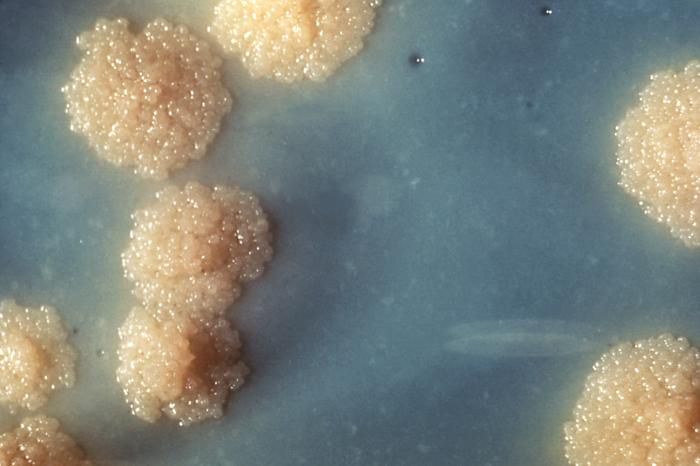
Tuberculosis (TB), caused by the slow-growing acid-fast bacillus Mycobacterium tuberculosis, is the respiratory infection whose precautions you must never get wrong. TB spreads by tiny airborne droplet nuclei that hang in the air, so a suspected case goes into a negative-pressure airborne isolation room, and staff wear a fitted N95 respirator — not a surgical mask. Classic active TB brings a chronic productive cough (sometimes with blood), night sweats, fever, and weight loss. Treatment is long — months of multiple drugs — and the nurse's central role is supporting adherence, because stopping early is exactly how drug-resistant TB is bred.
Influenza is a viral lower-and-upper respiratory infection that arrives abruptly with fever, body aches, headache, and a dry cough. It spreads by droplets, so influenza patients are placed on droplet precautions (a surgical mask within a few feet), and because it is viral, antibiotics do nothing — antiviral drugs help only if started early. The most important nursing contribution against influenza happens before flu season: vaccination of patients and staff alike.
| Infection | Typical cause | Transmission | Precaution |
|---|---|---|---|
| Strep throat | Group A strep (bacterial) | Droplet/contact | Droplet for infants and young children until 24 h of effective antibiotics; standard thereafter and in adults |
| Community pneumonia | Streptococcus pneumoniae | Droplet | Standard/droplet |
| Influenza | Influenza virus | Droplet | Droplet (surgical mask) |
| Tuberculosis | Mycobacterium tuberculosis | Airborne | Airborne (N95 + negative pressure) |
- Upper-tract infections are mostly viral; strep throat is the bacterial exception worth treating.
- Pneumonia is classified by where it was acquired — community, hospital/ventilator, or aspiration — which predicts the likely organism.
- TB is airborne: negative-pressure room and N95; its long therapy makes adherence a nursing priority.
- Influenza is viral and droplet-spread; vaccination and droplet precautions matter more than antibiotics.
Section 3Gastrointestinal infections
Two ways the gut gets sick
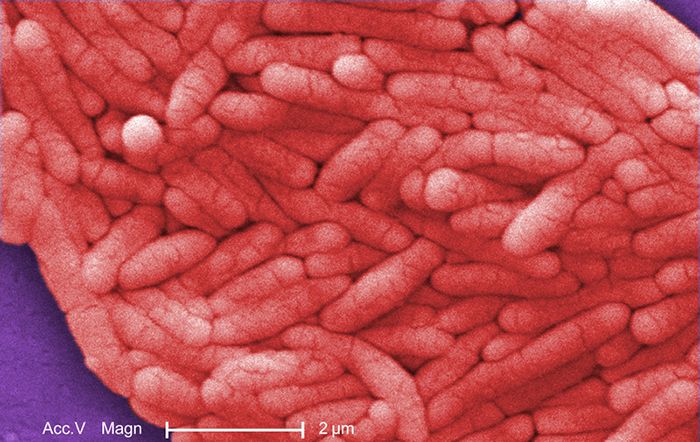
Gastrointestinal (GI) pathogens almost all share one route of entry — the fecal-oral route, meaning microbes (or their toxins) from stool reach a new mouth by way of contaminated food, water, or hands. But they make you sick in two very different ways. In a true infection, the organism is swallowed, colonizes the gut, and invades or irritates the lining; symptoms take a day or more to appear because the microbe has to multiply first. In an intoxication, the microbe has already grown in the food and produced a toxin, and it is the pre-formed toxin you swallow — so symptoms hit fast, often within hours (the vomiting of Staphylococcus aureus food poisoning is the textbook example).
Foodborne illness is the umbrella term for all of this, and the usual suspects — Salmonella, Campylobacter, Shiga-toxin-producing E. coli, Norovirus — produce overlapping pictures of nausea, vomiting, crampy abdominal pain, and diarrhea that may be watery or bloody. For most healthy adults the illness is self-limited and the treatment is rehydration, not antibiotics. The nurse's clinical eye is on the vulnerable: infants, older adults, and immunocompromised patients, who can dehydrate dangerously, and on the warning signs of bloody diarrhea, which can signal the Shiga-toxin-producing E. coli strain that damages the kidneys. That organism deserves a specific caution: it never invades the bloodstream — it sticks to the colon lining and releases a toxin that is absorbed — and antibiotics and antimotility drugs are contraindicated in suspected cases, because both increase toxin release and the risk of hemolytic uremic syndrome. Watch urine output, creatinine, platelets, and hemoglobin.
The two that spread on the unit
Clostridioides difficile (C. diff) is the infection you help cause if you are not careful with antibiotics. Broad-spectrum antibiotics flatten the normal gut flora, and this spore-forming organism blooms into severe, foul-smelling watery diarrhea and colitis. Two facts drive nursing practice: C. diff forms spores that alcohol hand rub does not kill, so you must wash with soap and water after caring for these patients; and the room needs a bleach-based (sporicidal) cleaner. Patients go on contact precautions, and new-onset diarrhea in anyone on antibiotics should raise the question immediately.
Norovirus is the explosive, highly contagious cause of "stomach flu" that shuts down cruise ships, long-term-care units, and hospital wards. It takes only a handful of viral particles to infect, it spreads by the fecal-oral route and by aerosolized vomit, and — like C. diff spores — it resists alcohol gel, so soap-and-water hand hygiene and bleach cleaning are again the rule. Sudden onset of vomiting and watery diarrhea sweeping through a group of people points straight at norovirus.
| Cause | Mechanism | Onset | Key nursing point |
|---|---|---|---|
| Salmonella/Campylobacter | Infection (invasion) | 1–3 days | Rehydrate; usually no antibiotics |
| S. aureus food poisoning | Pre-formed toxin | Hours | Fast onset, short course |
| Shiga-toxin E. coli | Non-invasive adherence + Shiga toxin | 2–4 days | Bloody diarrhea; do not give antibiotics or antimotility drugs — they raise the risk of hemolytic uremic syndrome; monitor urine output, creatinine, platelets, hemoglobin |
| C. difficile | Overgrowth after antibiotics | Days–weeks | Soap & water; contact precautions |
| Norovirus | Infection (very low dose) | 12–48 hours | Soap & water; extremely contagious |
- GI pathogens spread by the fecal-oral route and cause illness by infection (slow onset) or pre-formed toxin (fast onset).
- Most foodborne illness is self-limited; the mainstay is rehydration, and the risk is dehydration in the very young, old, and immunocompromised.
- C. difficile follows antibiotic use, forms spores, and demands soap-and-water hand hygiene plus contact precautions.
- Norovirus is intensely contagious, resists alcohol gel, and calls for the same soap-and-water and bleach-cleaning response.
Section 4Urogenital infections & STIs

Urinary tract infections
The urinary tract infection (UTI) is one of the most common infections nurses manage, and it is usually an inside job: the culprit is most often the patient's own Escherichia coli, harmless in the colon but troublesome once it climbs the short distance up the urethra into the bladder. Anatomy explains why women get far more UTIs than men — a shorter urethra sits closer to the anus. A lower UTI, or cystitis (bladder infection), brings dysuria (burning with urination), urinary frequency and urgency, and cloudy or foul-smelling urine. If the infection ascends to the kidneys — pyelonephritis — the patient turns systemically ill: fever, chills, and flank (back) pain over the kidney.
The version that belongs to nursing above all others is the catheter-associated UTI (CAUTI). An indwelling urinary catheter is a superhighway that lets bacteria bypass every normal defense and travel straight to the bladder, and the risk climbs with every day the catheter stays in. The single most effective prevention is simple and squarely a nursing responsibility: do not place a catheter unless it is truly indicated, and remove it the moment it is no longer needed. A subtle but crucial point — a positive urine culture in a patient with no symptoms (asymptomatic bacteriuria) is usually not treated, because treating it breeds resistance without helping the patient.
Sexually transmitted infections
Sexually transmitted infections (STIs) are spread through sexual contact and range from bacterial infections that antibiotics cure to viral infections that we manage but cannot eradicate. Two features make STIs a distinct nursing challenge: many are asymptomatic, so people transmit them unknowingly, and all of them carry stigma, which means your ability to take a nonjudgmental history and protect confidentiality is part of the clinical care. Chlamydia (from Chlamydia trachomatis) is the most commonly reported bacterial STI and is frequently silent, especially in women, where untreated infection can scar the fallopian tubes and cause infertility. Gonorrhea (from Neisseria gonorrhoeae) often travels with it. Syphilis, caused by the spirochete Treponema pallidum, progresses in stages if untreated, beginning with a painless sore.
The viral STIs behave differently from the curable bacterial ones, though not all in the same way. Genital herpes (herpes simplex virus) is a lifelong infection that causes recurring outbreaks of painful blisters. Human papillomavirus (HPV) causes genital warts and, in its high-risk types, cervical and other cancers — which is exactly why the HPV vaccine is a cancer-prevention tool. HPV is not lifelong for most people: roughly 90% of infections are cleared or suppressed within about two years, and it is persistent infection with a high-risk type (16 and 18 above all) that carries the cancer risk — an important reassurance to give after an abnormal Pap or HPV result. HIV attacks the immune system itself. Across all of them the nursing themes are consistent: encourage screening (because many are silent), support partner treatment to stop the ping-pong of reinfection, and teach prevention without shame.
| Infection | Organism | Type | Nursing note |
|---|---|---|---|
| Chlamydia | Chlamydia trachomatis | Bacterial (curable) | Often silent; screen & treat partners |
| Gonorrhea | Neisseria gonorrhoeae | Bacterial (curable) | Rising drug resistance |
| Syphilis | Treponema pallidum | Bacterial (curable) | Painless sore; stages if untreated |
| Genital herpes | Herpes simplex virus | Viral (lifelong) | Recurrent painful blisters |
| HPV | Human papillomavirus | Viral (usually clears in 1–2 years) | Warts; persistent high-risk types drive cancer; vaccine prevents |
- Most UTIs are caused by the patient's own E. coli; cystitis = burning and frequency, pyelonephritis = fever and flank pain.
- CAUTI risk rises with catheter days; the top prevention is avoiding and promptly removing catheters.
- Asymptomatic bacteriuria is usually not treated — treating it breeds resistance without benefit.
- Many STIs are silent; nursing care centers on nonjudgmental screening, partner treatment, and prevention (including the HPV vaccine).
Section 5Bloodstream & CNS infections
From bacteremia to sepsis
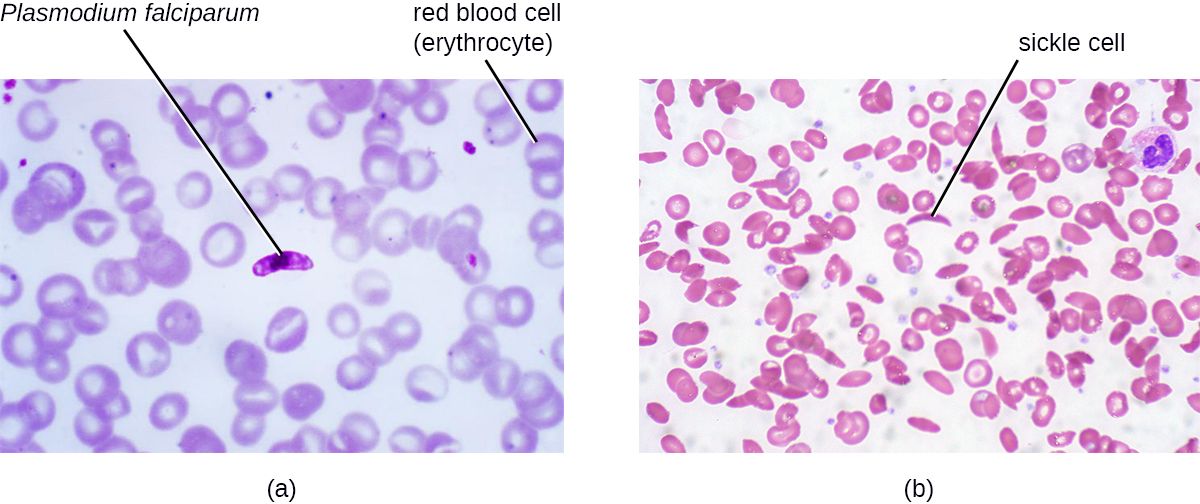
The bloodstream is supposed to be sterile, so finding microbes there is always significant. Bacteremia simply means bacteria are present in the blood — sometimes transiently and harmlessly (brushing your teeth can do it), but sometimes as the launching point for disaster. The danger is sepsis: not the infection itself but the body's dysregulated, overwhelming response to it, in which widespread inflammation causes blood vessels to leak and dilate, blood pressure to fall, and organs to lose their perfusion. Left unchecked it progresses to septic shock — dangerously low blood pressure that does not correct with fluids — and to multi-organ failure. Common sources include pneumonia, UTIs, abdominal infections, and, critically for hospitalized patients, infected central lines (a CLABSI, or central-line-associated bloodstream infection).
Recognizing sepsis early is one of the highest-value skills a nurse has, because survival is measured in hours. The bedside picture is a patient who looks and acts wrong on top of an infection: fever or an abnormally low temperature, a fast heart rate, fast breathing, and — often the first and most sensitive sign — new confusion or altered mental status. Falling blood pressure, decreasing urine output, and mottled skin signal that shock is setting in. When sepsis is recognized, care moves fast along a bundle: draw blood cultures, give broad-spectrum antibiotics quickly, and infuse fluids to restore perfusion.
Meningitis
Meningitis is inflammation of the meninges, the membranes wrapping the brain and spinal cord, and bacterial meningitis is one of the true medical emergencies in this book — it can kill a previously healthy young person within a day. The classic triad is fever, severe headache, and a stiff neck (nuchal rigidity), often with photophobia (light hurts), vomiting, and a rapidly declining level of consciousness. A spreading purple, non-blanching rash points to the especially feared meningococcus, Neisseria meningitidis. Because that organism spreads by respiratory droplets and can move through close-contact groups like dorms and barracks, a suspected case goes on droplet precautions, and close contacts may need preventive antibiotics.
Diagnosis rests on a lumbar puncture to sample the cerebrospinal fluid, and the nursing imperative is speed: antibiotics should not wait. Viral (aseptic) meningitis, by contrast, is far more common and usually much milder, resolving on its own. The nurse's job is to keep bacterial meningitis at the front of the mind whenever fever meets a stiff neck and a changed mental status — because the cost of moving slowly is measured in lives and lifelong disability.
| Condition | What it is | Red-flag signs | Urgency |
|---|---|---|---|
| Bacteremia | Bacteria in the blood | May be silent or feverish | Investigate the source |
| Sepsis | Dysregulated response to infection | Confusion, fast HR/RR, low BP | Hours — cultures, antibiotics, fluids |
| Septic shock | Sepsis + fluid-resistant low BP | Mottled skin, low urine output | Critical |
| Bacterial meningitis | Infected meninges | Fever, stiff neck, headache, confusion | Emergency — droplet precautions |
- Bacteremia is bacteria in the blood; sepsis is the body's overwhelming, harmful response to infection.
- Septic shock is sepsis with fluid-resistant low blood pressure; early recognition and the sepsis bundle save lives.
- New confusion, fast heart and breathing rates, and falling blood pressure are the sepsis warning signs to escalate.
- Bacterial meningitis (fever + stiff neck + headache + confusion) is an emergency; meningococcal cases need droplet precautions.
The chapter in one breath
- Skin infections begin at a break in the barrier; depth predicts severity, from impetigo to necrotizing fasciitis, and MRSA drives contact precautions.
- Respiratory infections range from viral colds to pneumonia; the precaution level is everything, and TB is airborne (N95, negative pressure) while flu is droplet.
- GI pathogens spread fecal-orally by infection or pre-formed toxin; C. difficile and norovirus resist alcohol gel and demand soap-and-water hygiene.
- UTIs usually come from the patient's own E. coli; CAUTI is prevented by removing catheters early, and asymptomatic bacteriuria is left untreated.
- STIs are often silent; nursing centers on nonjudgmental screening, partner treatment, and vaccination (HPV).
- Sepsis is the body's dangerous response to infection — new confusion, fast vitals, and low blood pressure demand rapid cultures, antibiotics, and fluids.
- Bacterial meningitis — fever, stiff neck, headache, confusion — is a true emergency requiring immediate treatment and droplet precautions.
ReferenceWords worth knowing
A quick reference for the terms in this chapter — skim it now, or circle back whenever a word trips you up.
- Bacteremia
- The presence of bacteria in the bloodstream, which is normally sterile.
- Catheter-associated urinary tract infection (CAUTI)
- A UTI that develops because an indwelling urinary catheter lets bacteria bypass normal defenses; risk rises with each catheter day.
- Cellulitis
- A spreading bacterial infection of the dermis and subcutaneous fat, marked by warmth, redness, swelling, and tenderness with ill-defined edges.
- Clostridioides difficile (C. diff)
- A spore-forming gut bacterium that overgrows after antibiotics wipe out normal flora, causing severe diarrhea and colitis.
- Cystitis
- Infection of the bladder (a lower UTI), causing dysuria, urgency, and frequency.
- Dysuria
- Pain or burning with urination, a hallmark symptom of a lower UTI.
- Empiric therapy
- Treatment started against the most likely organisms before culture results are back, based on the clinical picture.
- Enterotoxin
- A toxin that acts on the intestinal lining; when pre-formed in food it causes rapid-onset food poisoning.
- Impetigo
- A superficial skin infection, common in children, producing blisters that crust over with a honey-colored scab.
- Meningitis
- Inflammation of the meninges around the brain and spinal cord; the bacterial form is a medical emergency.
- Methicillin-resistant Staphylococcus aureus (MRSA)
- S. aureus carrying mecA/PBP2a, which makes it resistant to all beta-lactam antibiotics — penicillins, cephalosporins, and carbapenems — except the anti-MRSA cephalosporins; spread by contact and a common cause of skin and wound infections.
- Norovirus
- A highly contagious virus causing explosive vomiting and diarrhea; resists alcohol gel, so soap-and-water hygiene is required.
- Pneumonia
- Infection of the lung alveoli; classified as community-acquired, hospital/ventilator-associated, or aspiration.
- Pyelonephritis
- Infection of the kidney (an upper UTI), marked by fever, chills, and flank pain.
- Sepsis
- A dysregulated, life-threatening body-wide response to infection that can lead to organ dysfunction.
- Septic shock
- Sepsis with dangerously low blood pressure that does not correct with fluids alone.
- Sexually transmitted infection (STI)
- An infection spread through sexual contact; often asymptomatic, ranging from curable bacterial to lifelong viral illness.
- Tuberculosis (TB)
- A chronic lung infection by Mycobacterium tuberculosis, spread by airborne nuclei and requiring airborne isolation.
- Urinary tract infection (UTI)
- Infection of the urinary tract, most often by E. coli ascending the urethra into the bladder.
- Wound infection
- Invasion of a break in the skin by microbes, signaled by spreading redness, warmth, pain, and purulent drainage.