Reproductive and Sexual Health Disorders
Reproductive complaints arrive on a med-surg floor wearing a disguise. The man in 412 is “confused and agitated” because his bladder holds nine hundred millilitres behind a hypertrophied prostate. The woman in 408 is “anemic, cause unclear” because she has bled through a pad an hour for six days from a fibroid uterus. The twenty-two-year-old in the emergency department with vomiting and abdominal pain has a testicle that lost its blood supply four hours ago and has roughly two hours of viability left. This chapter teaches you the mechanisms behind those presentations, the assessments that separate an emergency from an annoyance, the drugs and their monitoring, and the language that lets a patient tell you the truth about a body part they were raised not to name. Reproductive nursing is not a specialty rotation you left behind — it is obstruction, ischemia, hemorrhage, infection and malignancy in an organ system nobody wants to discuss.
By the end of this chapter you can
- Obtain a structured, trauma-informed sexual history using the five Ps and document it without assumption or judgment.
- Interpret core reproductive diagnostics — PSA, post-void residual, beta-hCG, CA-125, NAAT, endometrial stripe thickness — against real reference values.
- Prioritize care for benign prostatic hyperplasia, acute urinary retention and the post-TURP patient, including recognition of TUR syndrome and management of continuous bladder irrigation.
- Differentiate testicular torsion from epididymitis and initiate emergency escalation within the six-hour salvage window.
- Explain the mechanism, nursing implications and monitoring for alpha-1 blockers, 5-alpha-reductase inhibitors, PDE5 inhibitors, GnRH agonists, SERMs and aromatase inhibitors.
- Classify abnormal uterine bleeding with PALM-COEIN and identify postmenopausal bleeding as endometrial cancer until proven otherwise.
- Deliver post-operative care after hysterectomy and mastectomy, including drain management, lymphedema precautions and radiation safety for brachytherapy.
- Apply current CDC treatment logic for chlamydia, gonorrhea, syphilis, trichomoniasis, herpes and pelvic inflammatory disease, and counsel on PrEP and PEP.
- Describe how reproductive and sexual problems present differently in older adults and delegate safely within scope.
Section 1Asking the questions nobody asks: reproductive assessment and screening
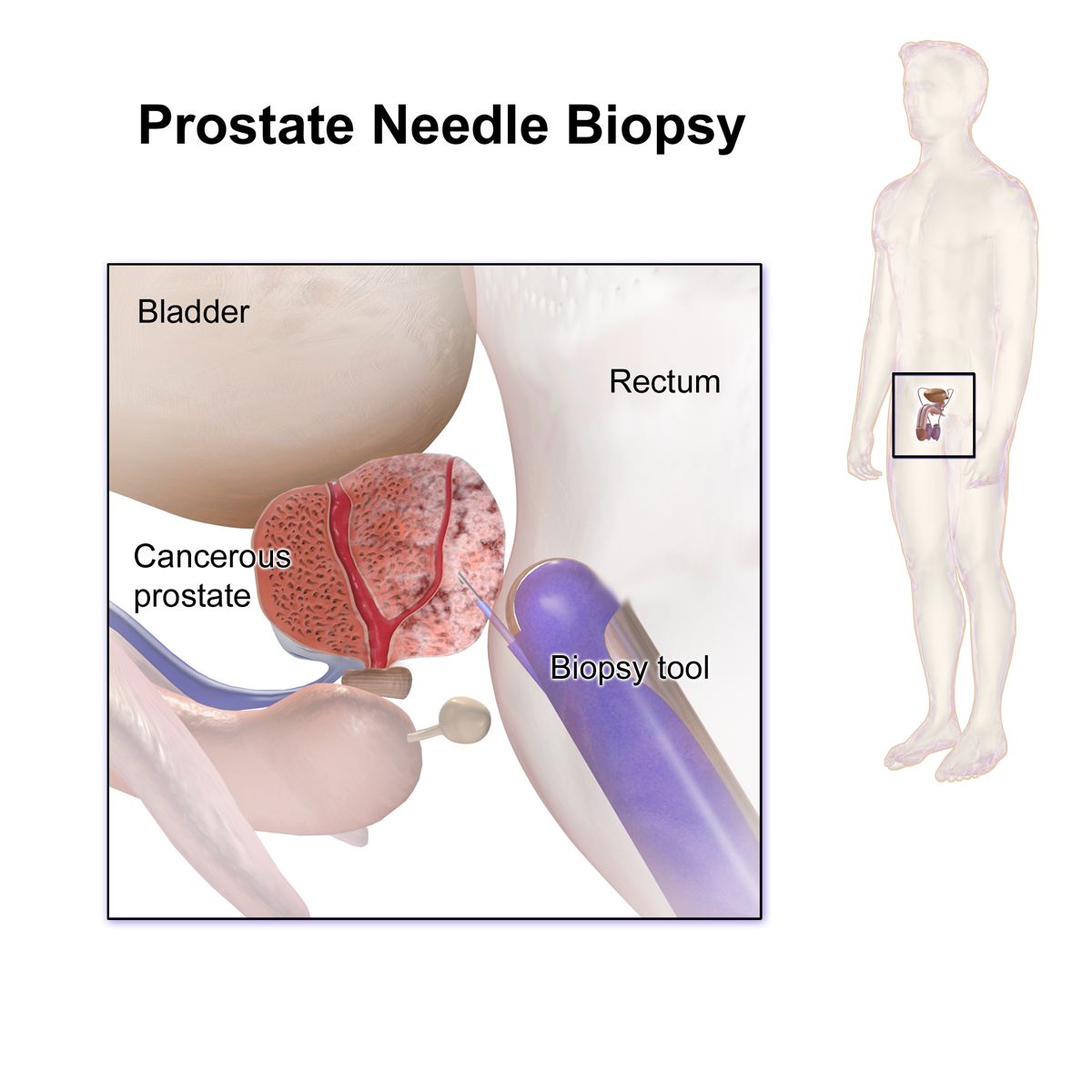
The sexual history is an assessment, not an intrusion
Nurses skip the sexual history more reliably than any other part of the review of systems. The reasons are predictable — embarrassment, time, an assumption that a seventy-eight-year-old is not sexually active, a fear of offending. The cost is measurable: undiagnosed sexually transmitted infection, missed intimate partner violence, medication non-adherence nobody explained, and a patient discharged on a beta blocker who quietly stops taking it because of erectile dysfunction he was never invited to mention.
Use the CDC’s five Ps as your scaffold: Partners (how many, what genders), Practices (oral, vaginal, anal — this determines which sites you swab), Protection from STIs, Past history of STIs, and Pregnancy intention. Many educators add a sixth — Problems or pleasure — because dyspareunia, erectile dysfunction and low libido are the complaints that actually change management. Ask permission first (“I ask everyone these questions because they affect the care I give — is that all right?”), ask in private with the door closed and family out of the room, and use the patient’s own words for anatomy before you supply clinical terms.
Language matters clinically, not just politically. Ask “are your partners men, women, or both?” rather than assuming from marital status. Ask transgender and gender-diverse patients about organs present rather than gender recorded — a transgender man with a retained cervix still needs cervical cancer screening, and a transgender woman on estrogen still has a prostate. Trauma-informed practice means offering a chaperone for every genital or breast examination, telling the patient what you are about to do before you touch, and stopping immediately if she says stop. For adolescents, know your state’s minor consent law: in most states a minor may consent to STI testing and treatment independently, and billing statements are a real confidentiality hazard.
The screening calendar and what each test is for
Screening guidelines shift, and organizations disagree. Teach the principle rather than memorizing one committee’s year: screening finds disease in people without symptoms, and it stops when the patient’s remaining life expectancy is shorter than the time it would take the cancer to hurt them. A frail ninety-year-old with dementia does not need a mammogram. A healthy sixty-eight-year-old does.
Cervical cancer screening is the clearest success story in oncology. Human papillomavirus causes essentially all cervical cancer, the precancerous phase lasts years, and the test is cheap. Screening begins at age 21 under USPSTF and ACOG guidance (the American Cancer Society now favors primary HPV testing beginning at 25), continues to 65, and is not indicated for a patient after total hysterectomy for benign disease with no history of high-grade dysplasia. For an immunocompetent patient, screening is not indicated before 21 no matter when sexual activity started, because adolescent HPV infection almost always clears on its own and treating it damages the cervix. The exception is immunosuppression: a patient with HIV or other immunosuppression, or with in-utero DES exposure, begins screening within one year of first sexual activity (and no later than 21) and is screened more frequently thereafter.
| Screen | Who and how often | What the nurse teaches |
|---|---|---|
| Cervical cytology (Pap) | Age 21–29, every 3 years | No douching, intercourse or vaginal products for 48 hours; reschedule if actively menstruating |
| Pap plus HPV co-test / primary HPV | Age 30–65, every 5 years (cytology alone every 3 years acceptable) | A positive HPV result is common and is not a diagnosis of cancer; it triggers follow-up, not panic |
| HPV vaccine (9-valent) | Routine at 11–12 (may start at 9); catch-up through 26; shared decision 27–45 | Two doses if the series starts before the 15th birthday; three doses if started at 15 or older or immunocompromised |
| Mammography | USPSTF: biennial 40–74. ACS: option to start at 40, annual 45–54, then annual or biennial | Schedule the week after menses if premenopausal; no deodorant or powder; expect compression discomfort |
| Breast MRI plus mammogram | Lifetime risk greater than 20 percent (BRCA, chest radiation, strong family history) | Requires IV gadolinium; check renal function and claustrophobia |
| PSA | Shared decision at 50 average risk; 45 if Black or a first-degree relative diagnosed before 65; 40 if multiple early relatives | Avoid ejaculation, vigorous cycling and DRE for 48 hours before the draw — all can falsely elevate |
| Chlamydia and gonorrhea NAAT | All sexually active women under 25 annually; older with risk factors; all pregnant patients; men who have sex with men at least annually at all exposed sites | Urine, vaginal swab (self-collected is acceptable and accurate), rectal and pharyngeal swabs per practices |
| HIV | At least once for everyone 13–64; annually or more with ongoing risk; every pregnancy | Opt-out testing is standard; a negative test does not cover the window period |
| Testicular self-exam | Monthly for males from adolescence | After a warm shower when the scrotum is relaxed; roll each testis between thumb and fingers; the epididymis on the posterior surface is normal |
Diagnostics and the numbers that mean something
A handful of tests carry most of the diagnostic weight in reproductive care, and each has a trap. Beta-hCG is the single most important test in any person with a uterus and abdominal pain: normal in a non-pregnant patient is less than 5 mIU/mL, and a positive result reframes every differential and every medication and radiology order that follows. Never send a reproductive-age patient for a CT scan (the hazard is the ionizing radiation, not the contrast), a fluoroquinolone or a methotrexate dose without it.
Prostate-specific antigen is organ-specific but not cancer-specific. The traditional cut point is less than 4 ng/mL, but benign hyperplasia, prostatitis, recent catheterization, cycling and ejaculation all raise it, and finasteride cuts it roughly in half. CA-125 (normal under 35 units/mL) is useful for tracking known ovarian cancer, not for screening — it rises in endometriosis, fibroids, pelvic inflammatory disease, cirrhosis and even menstruation. Post-void residual measured by bladder scanner is the fastest bedside test in this chapter: under 50 mL is normal, over 100–150 mL suggests incomplete emptying, and over 200 mL is significant retention that needs a plan. In a postmenopausal patient with bleeding, an endometrial stripe greater than 4 mm on transvaginal ultrasound requires endometrial biopsy.
Delegation in this section is straightforward and gets tested constantly. Unlicensed assistive personnel may perform a bladder scan if trained and competency-validated, provide perineal care, set up a sitz bath, record intake and output, and reinforce a patient’s already-taught positioning. They may not interpret the scan, teach self-examination, assess a wound or take a sexual history. Assessment, teaching, evaluation of response, and any unstable patient remain with the RN. An LPN or LVN may administer most medications, perform sterile dressing changes per facility policy, and reinforce teaching the RN has initiated — but the initial teaching and the evaluation of understanding belong to the RN.
A structured sexual history taken in private, plus a bladder scan and a beta-hCG, will reorder more reproductive differentials than any imaging study you can order.
Section 2Male reproductive disorders: obstruction, ischemia and malignancy
Benign prostatic hyperplasia and acute urinary retention
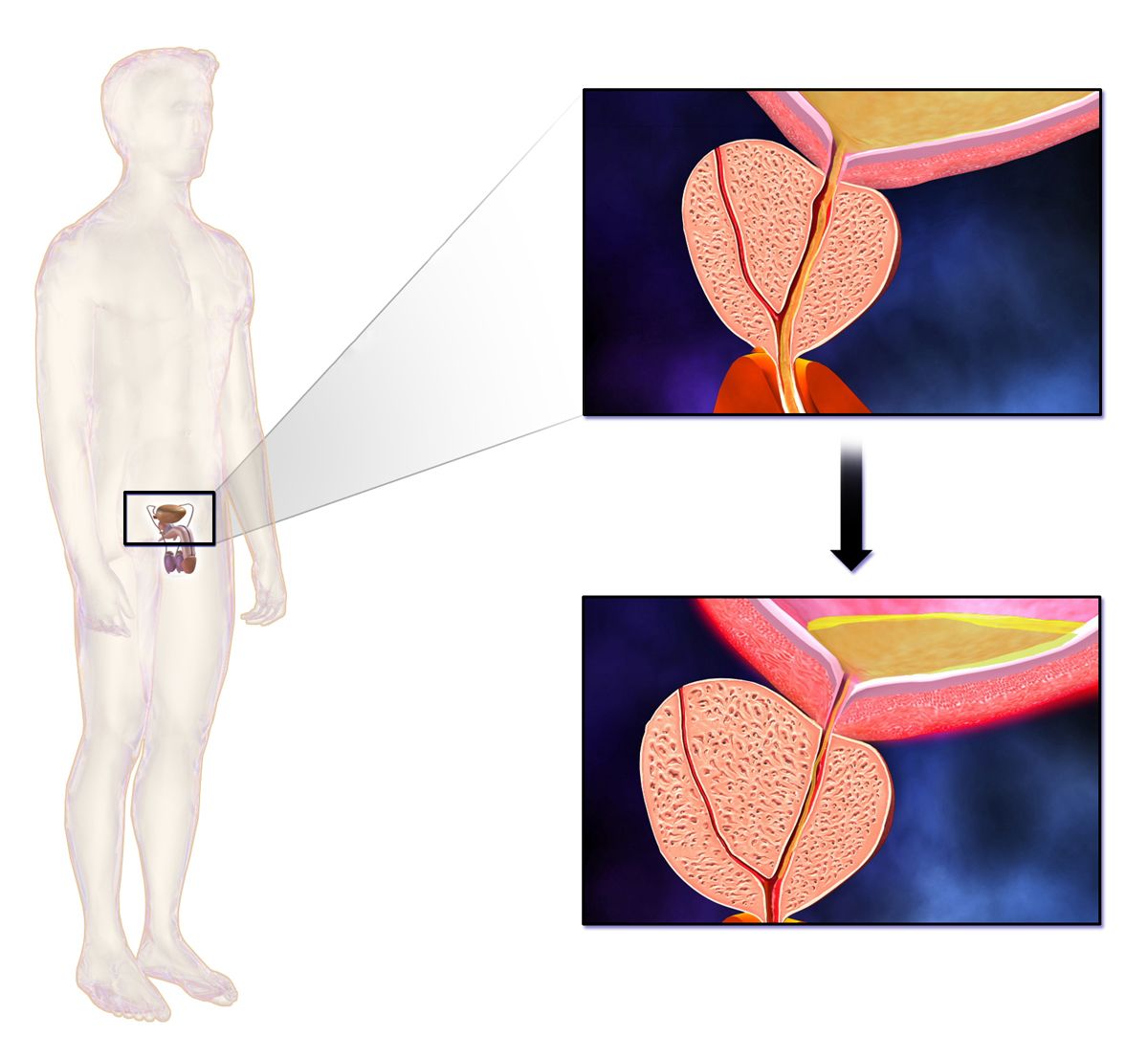
The prostate sits like a doughnut around the proximal urethra. With age, dihydrotestosterone drives glandular and stromal proliferation in the transition zone — the ring nearest the urethra — so even a modestly enlarged gland can obstruct badly, while a huge gland growing outward may cause no symptoms at all. That explains the classic mismatch between gland size on digital rectal exam and severity of complaints. Obstruction produces two symptom families. Voiding (obstructive) symptoms reflect the blockage itself: hesitancy, weak and intermittent stream, straining, terminal dribbling, sensation of incomplete emptying. Storage (irritative) symptoms reflect a detrusor muscle that has hypertrophied and become overactive against the resistance: frequency, urgency, nocturia. Nocturia is usually the symptom that drives the patient to seek help, and in an older adult it is also a fall risk you must address.
Assessment: quantify with the International Prostate Symptom Score, take a careful medication history (anticholinergics, antihistamines, decongestants, opioids and tricyclics all precipitate retention), palpate and percuss the suprapubic area, and scan the bladder. On DRE the benign gland is smoothly enlarged, symmetric and rubbery; a hard, fixed or nodular gland is cancer until biopsy says otherwise. Order urinalysis to exclude infection and hematuria, BUN and creatinine to detect obstructive nephropathy, and PSA with the caveats above.
Acute urinary retention is the emergency complication. The patient cannot void at all, is restless and diaphoretic, has severe suprapubic pain, and — if he is older — may present as new confusion or agitation with no complaint of pain at all. Scan first, then catheterize. Drain the bladder completely; the old teaching about clamping to prevent hematuria has not held up, but you must then watch for post-obstructive diuresis: urine output above 200 mL/hr for several consecutive hours, with the risk of hypovolemia and sodium and potassium losses. Monitor hourly output, orthostatic vitals and electrolytes, and replace fluids per order. If you cannot pass a catheter, do not force it — stop and call urology, because a false passage turns a bad night into surgery.
Drugs for BPH and the post-TURP patient
Two mechanisms, two very different time courses. Alpha-1 adrenergic blockers relax smooth muscle in the bladder neck and prostatic capsule and work within days. 5-alpha-reductase inhibitors block conversion of testosterone to DHT and physically shrink the gland — but take three to six months, so a patient who stops at week four because “it isn’t working” has been failed by teaching, not by pharmacology.
| Class and examples | Mechanism and onset | Nursing implications and monitoring |
|---|---|---|
| Uroselective alpha-1a blockers — tamsulosin 0.4 mg, silodosin, alfuzosin | Relax bladder-neck and prostatic smooth muscle; relief in days | Take 30 minutes after the same meal daily; still causes orthostatic hypotension and dizziness — rise slowly; retrograde ejaculation is common and harmless but must be explained; warn the ophthalmologist before cataract surgery (intraoperative floppy iris syndrome) |
| Non-selective alpha blockers — doxazosin, terazosin | Same, plus systemic vasodilation | First-dose syncope — give at bedtime, start low; useful when the patient also has hypertension, but never used as the sole antihypertensive |
| 5-alpha-reductase inhibitors — finasteride 5 mg, dutasteride 0.5 mg | Block testosterone to DHT conversion; shrink the gland over 3–6 months | Lowers PSA by roughly 50 percent — double the measured value when screening; decreased libido, erectile dysfunction, gynecomastia; teratogenic — a pregnant or potentially pregnant person must not handle crushed or broken tablets and should avoid contact with semen |
| PDE5 inhibitor — tadalafil 5 mg daily | Smooth-muscle relaxation via cyclic GMP; treats BPH and erectile dysfunction together | Absolutely contraindicated with any nitrate; additive hypotension with alpha blockers — separate doses and monitor blood pressure |
| Antimuscarinics and beta-3 agonist — oxybutynin, solifenacin, mirabegron | Calm detrusor overactivity for storage symptoms | Use only when the post-void residual is acceptable — they can precipitate retention; antimuscarinics cause dry mouth, constipation, confusion in older adults; mirabegron raises blood pressure |
When drugs fail or the patient develops recurrent retention, infection, stones or renal impairment, the surgical answer is transurethral resection of the prostate. Post-operatively he returns with a large three-way catheter under gentle traction and continuous bladder irrigation with isotonic saline. Your job is patency. Titrate the irrigant to keep drainage light pink to clear; if it turns bright red or you see clots, increase the rate and notify the surgeon. If drainage stops, the bladder distends and the patient reports severe pain and urgency — stop the irrigation, hand-irrigate with 50 mL sterile saline only if facility policy and an order permit, and escalate. Calculate true urine output by subtracting the volume of irrigant instilled from total drainage; charting the raw number as urine is a classic and dangerous error. Do not deflate the catheter balloon or release traction without an order — the balloon is providing hemostasis at the prostatic fossa.
TUR syndrome is the complication to know. When a monopolar resectoscope is used, the hypotonic glycine irrigant is absorbed through open venous sinuses, producing dilutional hyponatremia and fluid overload. Watch for altered mental status and restlessness, bradycardia with hypertension, nausea and vomiting, visual disturbance and, if unrecognized, seizure and cardiovascular collapse. Serum sodium falls below the normal 135–145 mEq/L, often below 125 before frank symptoms appear. Modern bipolar resection uses saline and has largely eliminated the syndrome, but it still appears on examinations and in facilities with older equipment. Report neurologic change during CBI immediately. Bladder spasms are treated with antispasmodics or belladonna-and-opium suppositories, not by pulling the catheter. Discharge teaching: expect pink-tinged urine intermittently for weeks, drink 2–3 litres daily unless restricted, no heavy lifting over 10 pounds, no straining or enemas or rectal temperatures, no driving or sexual activity for four to six weeks, and expect retrograde ejaculation permanently — orgasm is preserved, ejaculate is not.
Prostate cancer and androgen deprivation
Prostate adenocarcinoma arises in the peripheral zone, which is why it causes no urinary symptoms until it is advanced and why the DRE reaches it. Risk rises with age, is substantially higher in Black men, and clusters in families carrying BRCA2 and Lynch mutations. Grading uses the Gleason score, translated into Grade Groups 1 through 5; staging adds imaging. Because the tumour is osteoblastic, metastasis goes to bone — new persistent back pain in a man with prostate cancer is a bone lesion until proven otherwise, and you should expect an elevated alkaline phosphatase (normal roughly 30–120 units/L). Because bone-forming lesions consume calcium into new bone, the characteristic derangement here is hypocalcemia (normal calcium 8.6–10.2 mg/dL), and it deepens once a bone-targeted agent such as zoledronic acid or denosumab is started — check calcium and vitamin D before and during those drugs, and watch for perioral numbness, tetany and a prolonged QT. Hypercalcemia is the osteolytic pattern (myeloma, breast, squamous lung) and is uncommon in prostate cancer. Watch also for cord compression.
Management ranges from active surveillance for low-grade disease in older men through radical prostatectomy, external beam radiation and brachytherapy. After seed brachytherapy, radiation safety teaching is concrete: strain urine for the first week and report any seed to the physician using tweezers and a container (never fingers), avoid prolonged close contact with pregnant people and young children for about two months, and use a condom for the first several ejaculations. After radical prostatectomy expect a catheter for one to two weeks, urinary incontinence that improves over months with pelvic floor (Kegel) training, and erectile dysfunction that may be permanent.
Androgen deprivation therapy starves hormone-sensitive disease. GnRH agonists — leuprolide, goserelin — paradoxically cause an initial testosterone surge, so an antiandrogen such as bicalutamide is started before or with the first injection and continued two to four weeks to prevent tumour flare (worsening bone pain, urinary obstruction, cord compression). The GnRH antagonist degarelix produces no flare. The therapeutic goal is a castrate testosterone below 50 ng/dL. The toxicity list is what you manage: hot flashes, fatigue, anemia, loss of libido, gynecomastia, sarcopenia, insulin resistance, cardiovascular risk and accelerated bone loss. Every patient on long-term ADT needs baseline and serial DEXA, calcium and vitamin D, weight-bearing exercise, and screening for depression — the psychological burden of chemical castration is real and under-assessed.
Scrotal emergencies, testicular cancer and erectile dysfunction
Testicular torsion is the surgical emergency of this chapter. The testis twists on the spermatic cord, venous outflow stops, then arterial inflow stops. Salvage is above 90 percent within 6 hours, falls sharply by 12, and approaches zero at 24. It peaks in neonates and in adolescents, usually from a congenital “bell-clapper” deformity, and it typically wakes the patient from sleep. Findings: sudden severe unilateral scrotal pain, nausea and vomiting, a swollen high-riding testis in a horizontal lie, an absent cremasteric reflex on the affected side, and pain that is not relieved by elevating the scrotum (a negative Prehn sign). Compare that with epididymitis, which builds over days, comes with dysuria and pyuria and often fever, and improves with elevation.
What do you do first? Escalate. Call urology and the provider immediately — this patient does not wait for an ultrasound to be scheduled, because the tissue is dying while you wait. Only once that call is placed do you keep him NPO, establish IV access and give analgesia. Doppler ultrasound may confirm absent flow, but a classic history and exam go straight to the operating room for detorsion and bilateral orchiopexy — the other side is fixed too because the anatomic defect is usually bilateral.
Testicular cancer is the most common solid tumour in men aged 15–35 and is highly curable. It presents as a painless, firm, non-transilluminating mass or a sensation of heaviness; cryptorchidism is the major risk factor even after surgical correction. Tumour markers help: alpha-fetoprotein (normal under about 10 ng/mL) rises in non-seminomatous tumours and is never produced by pure seminoma; beta-hCG and LDH may rise in either. Surgery is radical inguinal orchiectomy — never a scrotal approach, which seeds lymphatics. Discuss sperm banking before any treatment begins, because chemotherapy and retroperitoneal node dissection threaten fertility; raising it after the first cycle is too late. Body image and prosthesis options belong in the same conversation.
Erectile dysfunction is a cardiovascular symptom as often as a sexual one; endothelial disease shows up in penile arteries before coronary ones, so new ED in a middle-aged man warrants cardiac risk assessment. PDE5 inhibitors (sildenafil, tadalafil, vardenafil) are first-line. The lethal interaction is with nitrates in any form — sublingual nitroglycerin, isosorbide, nitroprusside, and recreational amyl nitrite — producing profound refractory hypotension. Nitrates must be withheld for at least 24 hours after sildenafil or vardenafil and 48 hours after tadalafil. Teach that sildenafil works best on an empty stomach about an hour before activity, that the drug requires arousal to work, and that an erection lasting more than 4 hours (priapism) is an emergency requiring immediate care — ischemic priapism causes permanent fibrosis. Sudden unilateral vision or hearing loss means stop the drug and be evaluated.
In male reproductive care the clock-driven emergencies are torsion (six hours to save a testis) and acute retention (a bladder scan and a catheter), while the daily nursing work is patency of continuous bladder irrigation and honest teaching about drugs that change ejaculation, erection and PSA.
Section 3Bleeding, structure and transition: female reproductive disorders
Abnormal uterine bleeding, fibroids and the anemia you will actually treat
Abnormal uterine bleeding is bleeding that is abnormal in volume, duration, regularity or timing. Classify it with PALM-COEIN: the structural causes are Polyp, Adenomyosis, Leiomyoma and Malignancy or hyperplasia; the non-structural are Coagulopathy, Ovulatory dysfunction, Endometrial, Iatrogenic and Not otherwise classified. The framework is not trivia — it tells you what to look for. A teenager with heavy bleeding since menarche needs a coagulation workup, because up to a fifth of them have von Willebrand disease. A woman on anticoagulation or with a copper IUD is iatrogenic. A patient with irregular unpredictable cycles, obesity and hirsutism falls under ovulatory dysfunction (AUB-O) — the category name describes the disordered ovulation, and this patient is in fact anovulatory.
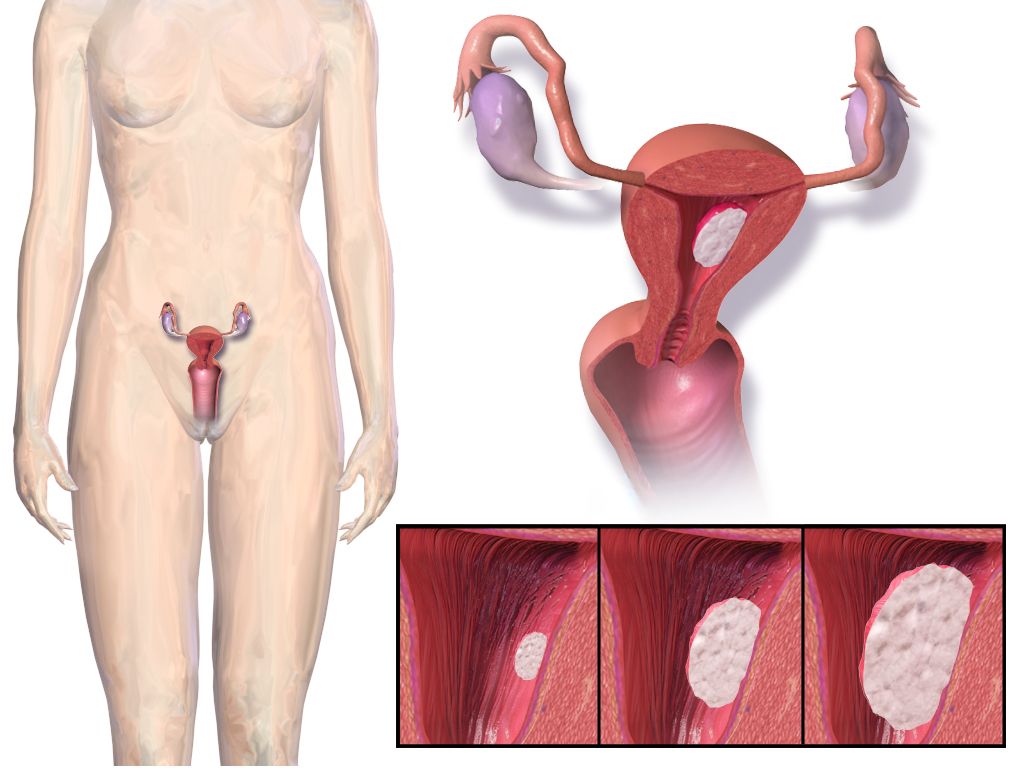
Leiomyomas (fibroids) are benign estrogen- and progesterone-responsive smooth muscle tumours. They grow through the reproductive years and regress after menopause. Location determines symptoms: submucosal fibroids distort the cavity and cause heavy menstrual bleeding and infertility; intramural fibroids do both; subserosal fibroids cause bulk symptoms — pelvic pressure, urinary frequency, constipation, back pain — without much bleeding. They are markedly more common and more symptomatic in Black women, who are also diagnosed later and offered hysterectomy more readily; that disparity should shape your advocacy.
What you will actually manage on a med-surg floor is the resulting iron-deficiency anemia. Expect hemoglobin well below the 12–16 g/dL female reference range, low ferritin (below roughly 30 ng/mL), microcytosis and a patient who has normalized her fatigue for years. Treat the bleeding and the iron: oral ferrous sulfate on an empty stomach with vitamin C, taken every other day for better absorption, with realistic teaching about dark stools and constipation; IV iron when oral is not tolerated or the deficit is large. Medical control of bleeding includes NSAIDs, tranexamic acid during menses, combined hormonal contraceptives, and the levonorgestrel IUD, which is the most effective non-surgical option. Procedural options are uterine artery embolization (warn about post-embolization syndrome — fever, pain and nausea for several days), myomectomy when fertility must be preserved, endometrial ablation, and hysterectomy as the definitive answer.
Endometriosis, PCOS and chronic pelvic pain
Endometriosis is endometrial-like tissue outside the uterus — ovaries, cul-de-sac, uterosacral ligaments, bowel and bladder serosa. It responds to cyclic hormones, so it bleeds where it sits, producing inflammation, adhesions and scarring. The classic triad is progressively worsening secondary dysmenorrhea, deep dyspareunia, and infertility; cyclic dyschezia or hematuria points to bowel or bladder implants. Symptom severity correlates poorly with disease extent. The diagnostic delay averages seven to ten years, largely because clinicians and families normalize severe menstrual pain in adolescents — if a teenager misses school every month, that is pathology, not a low pain threshold.
Definitive diagnosis is laparoscopic visualization with biopsy, but empiric medical therapy is appropriate first. Treatment aims to suppress cyclic stimulation: scheduled NSAIDs started before pain begins, continuous (skip-the-placebo) combined hormonal contraceptives, progestins, the levonorgestrel IUD, and GnRH agonists or the oral antagonist elagolix for refractory disease. GnRH therapy induces a hypoestrogenic state — hot flashes, vaginal dryness and bone density loss — so “add-back” low-dose hormone therapy is standard beyond six months. Surgical excision or ablation and, as a last resort, hysterectomy with oophorectomy are options, but recurrence after conservative surgery is common and teaching should say so honestly.
Polycystic ovary syndrome is diagnosed by two of three Rotterdam criteria: clinical or biochemical hyperandrogenism (hirsutism, acne, androgenic alopecia), oligo- or anovulation, and polycystic-appearing ovaries on ultrasound — after excluding thyroid disease, hyperprolactinemia and congenital adrenal hyperplasia. The engine is insulin resistance, which is why acanthosis nigricans, central adiposity and a strong risk of type 2 diabetes, dyslipidemia, obstructive sleep apnea and cardiovascular disease travel with it. Chronic anovulation means unopposed estrogen, and unopposed estrogen means endometrial hyperplasia and, eventually, endometrial cancer — so every PCOS patient needs a plan for regular endometrial shedding, whether by combined contraceptive, cyclic progestin or the levonorgestrel IUD. Add lifestyle modification, metformin for the metabolic component, and letrozole as first-line ovulation induction when pregnancy is desired. Screen for depression and disordered eating; the psychological burden of PCOS is heavy and routinely ignored.
Prolapse, pessaries and the hysterectomy patient
Pelvic organ prolapse is a failure of the levator ani and endopelvic fascia, driven by vaginal delivery, chronic straining, obesity, chronic cough and estrogen loss. A cystocele produces a sensation of bulge with urinary urgency, incomplete emptying and stress incontinence; a rectocele produces incomplete defecation that the patient may relieve by splinting with a finger — ask, because she will not volunteer it. Uterine prolapse presents as pressure, a visible or palpable bulge, low back ache worse at the end of the day, and sometimes ulceration of exposed tissue. First-line management is conservative: pelvic floor muscle training with a physical therapist, weight loss, treating constipation and cough, and a pessary. Pessary teaching is nursing work — the device must be removed and cleaned on a schedule, vaginal estrogen is often prescribed to protect the epithelium, and any new bleeding, malodorous discharge, pain or difficulty voiding requires evaluation for erosion.
Hysterectomy is one of the most common major surgeries performed in the United States, and the nursing care differs by route. After an abdominal approach expect an incision, more pain and a longer recovery; after vaginal or laparoscopic approaches expect shoulder pain from residual carbon dioxide and faster discharge. Universal post-operative priorities: assess vaginal bleeding (more than one saturated perineal pad per hour is a red flag), monitor for urinary retention after catheter removal with a bladder scan, aggressive VTE prophylaxis with sequential compression devices, early ambulation and prescribed anticoagulation, and bowel function. Teach nothing in the vagina for six weeks — no tampons, no douching, no intercourse — no lifting over 10 pounds, and immediate reporting of fever above 38 degrees Celsius, foul discharge, heavy bleeding, calf pain or shortness of breath.
Two complications deserve naming. Vaginal cuff dehiscence presents as a sudden gush of watery or bloody fluid, pelvic pressure or pain, sometimes after intercourse or straining; it can progress to bowel evisceration. Place the patient supine with knees flexed, cover any protruding tissue with sterile saline-moistened gauze, keep her NPO, start IV fluids and call the surgeon immediately. Second, if the ovaries were removed, the patient enters surgical menopause abruptly — not the gradual perimenopausal slide but an overnight estrogen cliff with severe vasomotor symptoms. Anticipate it, teach it before surgery, and address the grief. Loss of fertility, changes in sexual sensation and identity are real; asking “what does this surgery mean to you?” is a nursing intervention.
Menopause and the genitourinary syndrome
Menopause is a retrospective diagnosis — twelve consecutive months of amenorrhea, at an average age near 51. Falling estrogen produces vasomotor instability (hot flashes and night sweats, which fragment sleep and drive irritability and cognitive complaints), accelerated bone loss in the first years after the final period, unfavourable lipid shifts, and genitourinary syndrome of menopause: vaginal dryness, burning, dyspareunia, urinary urgency and recurrent urinary tract infection from a thinned, less acidic epithelium. Unlike hot flashes, GSM does not improve with time; it progresses.
Menopausal hormone therapy is the most effective treatment for vasomotor symptoms and remains appropriate for symptomatic patients under 60 or within 10 years of menopause without contraindications. Two nursing rules matter more than any other. First, a patient with an intact uterus who receives systemic estrogen must also receive a progestin, because unopposed estrogen causes endometrial hyperplasia and carcinoma; estrogen alone is only for the patient without a uterus. Second, know the contraindications cold: known or suspected breast cancer or other estrogen-dependent cancer, unexplained vaginal bleeding, active or prior venous thromboembolism, active liver disease, and a history of coronary disease or stroke. Teach patients to report calf pain and swelling, chest pain, sudden dyspnea, severe headache, visual change or any vaginal bleeding.
| Therapy | Best for | Cautions the nurse teaches |
|---|---|---|
| Systemic estrogen (oral, patch, gel) plus progestin if uterus present | Moderate to severe vasomotor symptoms; bone protection | VTE and stroke risk (lower with transdermal); breast cancer risk with combined therapy beyond 3–5 years; use lowest effective dose, reassess annually |
| Low-dose vaginal estrogen (cream, tablet, ring) | Genitourinary syndrome alone — dryness, dyspareunia, recurrent UTI | Minimal systemic absorption; generally does not require a progestin; often usable when systemic therapy is not |
| SSRI / SNRI — low-dose paroxetine, venlafaxine, escitalopram | Vasomotor symptoms when hormones are contraindicated (including after breast cancer) | Do not give paroxetine or fluoxetine with tamoxifen — they inhibit CYP2D6 and reduce its activation |
| Gabapentin | Night sweats disrupting sleep | Sedation and dizziness; dose at bedtime; fall risk in older adults |
| Fezolinetant (neurokinin-3 antagonist) | Non-hormonal vasomotor control | Requires baseline and scheduled liver function monitoring; report jaundice, dark urine, right upper quadrant pain |
| Non-hormonal lubricants and long-acting moisturizers | Dyspareunia, daily comfort | Water- or silicone-based; oil-based products degrade latex condoms |
The older-adult variation runs through this whole section. Postmenopausal patients still have sex, still acquire infections, and still bleed — and any bleeding after menopause is abnormal. Atrophic tissue tears easily, so a “little spotting” may be attributed to friction when it is carcinoma. Recurrent UTIs in an older woman often respond better to vaginal estrogen than to another antibiotic course. And a woman with new-onset urinary urgency, a bulge, and increasing falls at night may simply need her prolapse and her nocturia addressed before anyone reaches for a sedative.
Quantify bleeding, treat the anemia it causes, protect the endometrium of anyone with chronic anovulation or systemic estrogen, and never accept postmenopausal bleeding as benign without a transvaginal ultrasound and biopsy.
Section 4Breast and gynecologic cancer: detection, surgery and survivorship
Breast disease: benign, malignant and the workup between them
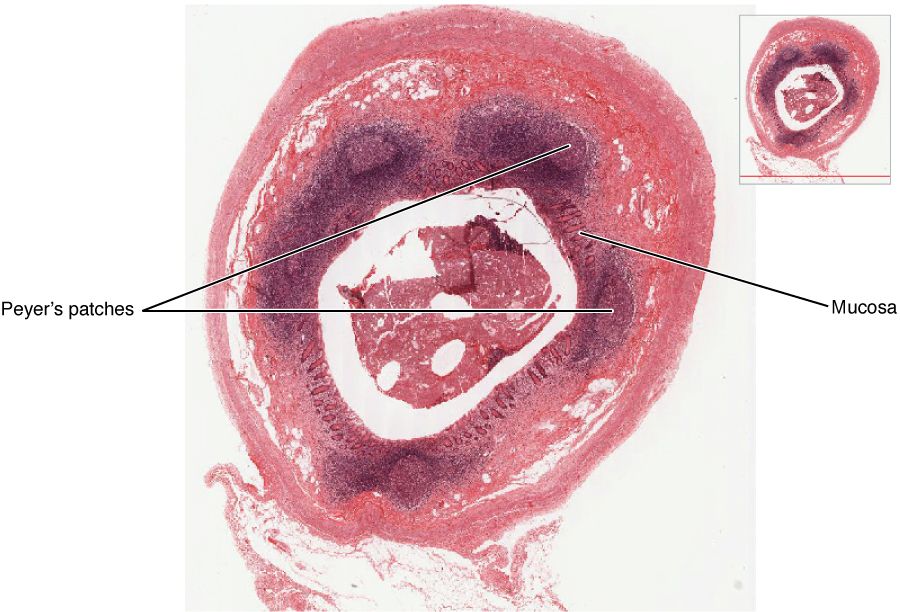
Not every breast lump is cancer, and the differences are palpable. A fibroadenoma is firm, rubbery, well-circumscribed, freely mobile and usually found in a woman in her twenties or thirties. Fibrocystic change produces bilateral, tender, ropy or nodular tissue that fluctuates with the cycle and is worst premenstrually. An intraductal papilloma classically causes unilateral, spontaneous, bloody nipple discharge. Mastitis — usually lactational — is a wedge of erythema with fever and flu-like symptoms, treated with continued milk removal and antistaphylococcal antibiotics; when “mastitis” in a non-lactating woman does not resolve on antibiotics, think inflammatory breast cancer.
Malignancy feels different: hard, irregular, poorly defined, fixed to skin or chest wall, and usually painless. Most arise in the upper outer quadrant, where most of the breast tissue is. Skin dimpling, nipple retraction, peau d’orange edema and unilateral bloody discharge are late-ish but decisive signs. Inflammatory breast cancer deserves separate memory: diffuse erythema, warmth, edema and thickened skin over one third or more of the breast, developing over weeks, often with no discrete mass. It is aggressive, frequently mistaken for infection, and needs urgent referral rather than a second antibiotic.
Workup is diagnostic mammography plus targeted ultrasound, then core-needle biopsy for tissue — imaging alone never establishes the diagnosis. Pathology returns three facts that determine everything: estrogen receptor, progesterone receptor and HER2 status. Hormone-receptor-positive disease gets endocrine therapy; HER2-positive disease gets targeted antibodies; triple-negative disease relies on chemotherapy and, increasingly, immunotherapy, and is more common in younger women and Black women. Sentinel lymph node biopsy has replaced routine axillary dissection for clinically node-negative disease: a radioisotope and blue dye map the first draining node. Warn the patient beforehand that isosulfan blue turns urine blue-green and may tint the skin for a day or two, so she does not panic in the bathroom.
After breast surgery: drains, arms and lymphedema
Position the post-mastectomy or post-axillary-dissection patient semi-Fowler with the affected arm elevated on a pillow — hand higher than elbow, elbow higher than shoulder — to encourage lymphatic and venous return. Assess the dressing and, critically, assess behind and beneath the patient, because blood tracks posteriorly and a dry anterior dressing can hide a hematoma. Jackson-Pratt or Hemovac drains are emptied and recompressed each shift; record volume and character, and expect removal when output falls below roughly 30 mL in 24 hours for two consecutive days. Teach the patient to milk the tubing, empty and record at home, and report sudden increases, foul odor or purulent drainage.
Arm mobility is staged. Hand, wrist and elbow flexion and ball-squeezing begin almost immediately; shoulder flexion and abduction advance on the surgeon’s schedule, usually after drains are out, building toward full range with wall-climbing and rope-turning exercises. The long-term risk is lymphedema, which can appear months or years later and is not fully reversible. Precautions on the affected side, taught before discharge and reinforced on every subsequent admission: no blood pressure cuffs, no venipuncture, no IV starts, no injections. Add practical protection — gloves for gardening and dishwashing, an electric razor for the axilla, sunscreen, insect repellent, no constricting sleeves or jewellery, and careful nail care. Report any new swelling, heaviness, tightness, redness or warmth promptly; early referral to a certified lymphedema therapist for compression and manual drainage preserves function. Place a sign over the bed and document the restriction — the person who takes a blood pressure at 0400 has not read your note.
Cervical, endometrial and ovarian cancer
The three main gynecologic cancers behave so differently that comparing them is the fastest way to remember them.
| Cervical | Endometrial | Ovarian | |
|---|---|---|---|
| Driver | Persistent high-risk HPV (16, 18); smoking and immunosuppression accelerate | Unopposed estrogen — obesity, nulliparity, late menopause, PCOS, tamoxifen, Lynch syndrome | Ovulation number, family history, BRCA1 and BRCA2, Lynch syndrome |
| Early sign | Postcoital bleeding, watery or blood-tinged discharge; often asymptomatic and screen-detected | Postmenopausal bleeding — present in about 90 percent, which is why it is usually caught early | Vague bloating, early satiety, abdominal or pelvic pain, urinary urgency — persistent and new |
| Diagnosis | Cytology or HPV test, then colposcopy with biopsy; conization for depth | Transvaginal ultrasound (stripe over 4 mm) then endometrial biopsy — biopsy is the diagnosis | Pelvic ultrasound, CT, CA-125 for trend; surgical staging confirms |
| Treatment | LEEP or cone for pre-invasive; radical hysterectomy or concurrent chemoradiation with weekly cisplatin plus brachytherapy | Total hysterectomy with bilateral salpingo-oophorectomy and staging; radiation or systemic therapy by stage | Aggressive cytoreductive (debulking) surgery plus carboplatin and paclitaxel; PARP inhibitor maintenance for BRCA-associated disease |
| Prevention | HPV vaccination plus screening — nearly entirely preventable | Endometrial protection in anovulation; investigate all postmenopausal bleeding | Risk-reducing salpingo-oophorectomy in BRCA carriers; no effective screening test exists |
Ovarian cancer earns its reputation because the symptoms are indistinguishable from ordinary indigestion until the disease is advanced. Teach the pattern rather than the symptom: bloating, early satiety, pelvic or abdominal pain and urinary urgency that are new, persistent and occur more than twelve days a month deserve evaluation. Late disease brings ascites, palpable omental caking, pleural effusion and malignant bowel obstruction. CA-125 is for monitoring a known cancer, not for finding one. Nursing care of the debulking patient combines major abdominal surgery care with chemotherapy support: monitor for paclitaxel hypersensitivity (premedicate with dexamethasone, an antihistamine and an H2 blocker; reactions typically occur in the first minutes of the first or second infusion) and peripheral neuropathy, and for carboplatin myelosuppression.
Cervical cancer treatment brings you the highest-stakes radiation safety scenario in nursing. During an internal low-dose-rate brachytherapy implant, the patient herself is a radiation source. Apply time, distance and shielding: organize care to minimize time in the room, plan tasks before you enter, stand at the head or foot rather than beside the pelvis, wear a dosimeter, and rotate assignments. The patient stays on bed rest, largely supine, with an indwelling catheter and a low-residue diet to prevent displacement. No pregnant staff and no visitors who are pregnant or under 18. Keep long-handled forceps and a lead-lined container in the room — if the source dislodges, you pick it up with the forceps, place it in the container and call radiation safety. You never touch the source with your hands. Once the implant is removed the patient is not radioactive and needs no precautions. External beam radiation is different again: the patient is never radioactive, and your teaching centres on skin care in the field, fatigue, diarrhea, cystitis and long-term vaginal stenosis — which is why dilator use is prescribed and must be taught matter-of-factly.
Cervical cancer is prevented by vaccination and screening, endometrial cancer announces itself with postmenopausal bleeding, ovarian cancer hides behind bloating — and after breast surgery the affected arm gets no cuff, no needle, ever.
Section 5Sexually transmitted infections, PID, and sexual health across the lifespan
The bacterial infections: recognise, treat, report, retest
Most bacterial STIs are asymptomatic, which is precisely why screening rather than symptom-based testing controls them. Testing is by nucleic acid amplification (NAAT) from urine, vaginal, rectal or pharyngeal specimens — sampled according to the practices the patient described in your history, because a urine NAAT will miss a pharyngeal gonorrhea entirely.
| Infection | Presentation | Current treatment | Nursing priorities |
|---|---|---|---|
| Chlamydia trachomatis | Usually silent; may cause mucopurulent cervicitis, urethral discharge, dysuria, postcoital bleeding | Doxycycline 100 mg PO twice daily for 7 days (preferred); azithromycin 1 g single dose in pregnancy | Doxycycline: take with food and full water, sit upright 30 minutes, photosensitivity precautions; abstain 7 days after therapy and until partners treated; retest in 3 months; reportable |
| Neisseria gonorrhoeae | Purulent urethral or cervical discharge, dysuria; pharyngeal and rectal infection often silent; can disseminate as arthritis-dermatitis | Ceftriaxone 500 mg IM single dose (1 g if 150 kg or more); add doxycycline if chlamydia not excluded | Deep IM in a large muscle; document lot number; reportable; expedited partner therapy where law allows |
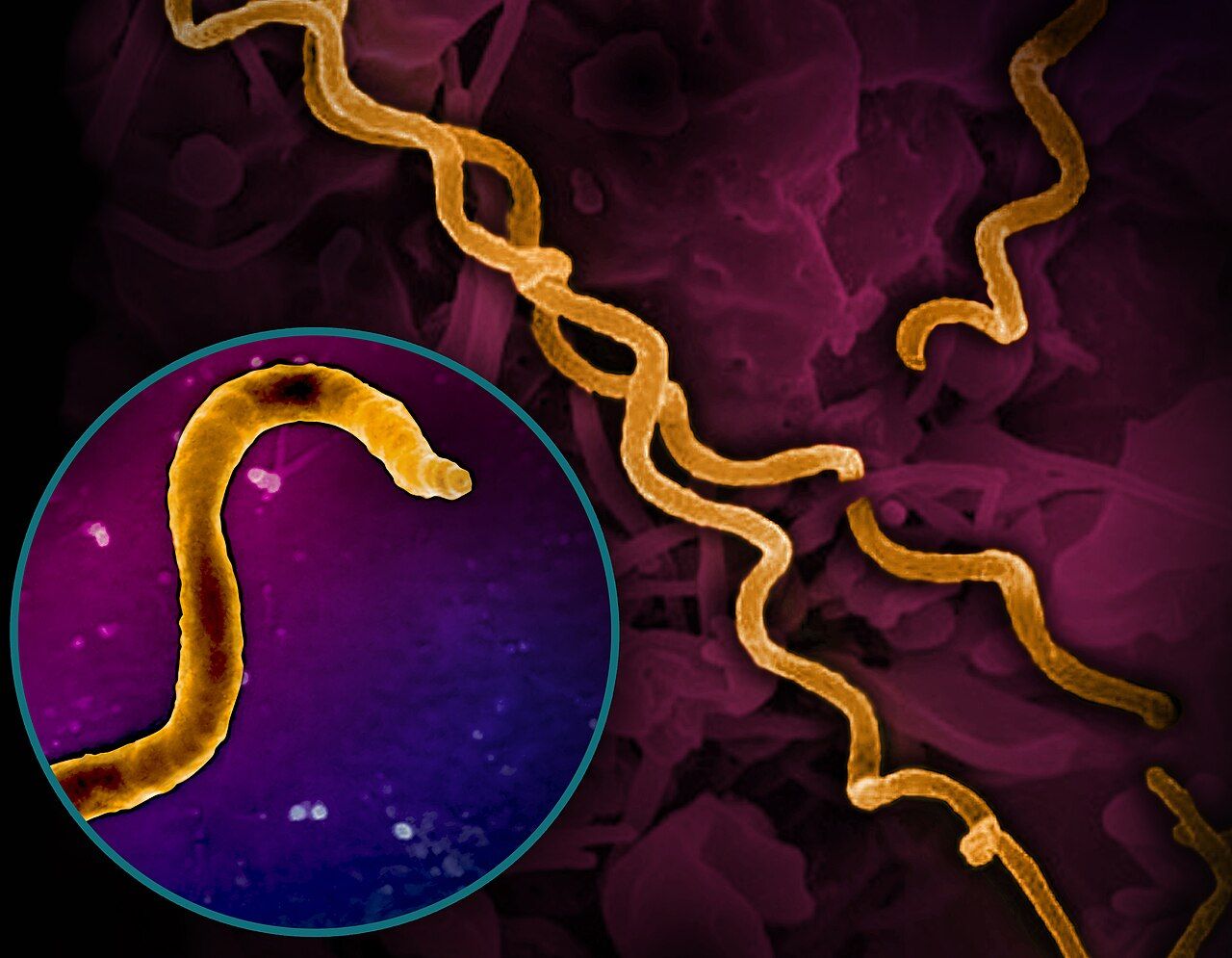
| Treponema pallidum (syphilis) | Primary: painless chancre. Secondary: diffuse rash including palms and soles, condylomata lata, lymphadenopathy. Tertiary: gummas, aortitis, neurosyphilis | Benzathine penicillin G 2.4 million units IM once for primary, secondary or early latent; three weekly doses for late latent; IV aqueous penicillin for neurosyphilis | Benzathine penicillin is never given IV — IM only, and giving it intravenously can be fatal. In pregnancy, penicillin allergy requires desensitization, not substitution. Warn about the Jarisch-Herxheimer reaction — fever, chills, headache and myalgia within 24 hours of treatment; it is a response to dying spirochetes, not an allergy |
| Trichomonas vaginalis | Frothy yellow-green malodorous discharge, itching, dysuria, occasional “strawberry” cervix; men usually asymptomatic | Metronidazole 500 mg PO twice daily for 7 days in women; 2 g single dose in men | No alcohol during therapy and for 24 hours after the last metronidazole dose — 72 hours if tinidazole is used (disulfiram-like reaction); treat all partners; expect metallic taste and darkened urine |
| Pelvic inflammatory disease | Lower abdominal pain, cervical motion tenderness, uterine or adnexal tenderness, fever, discharge; right upper quadrant pain suggests perihepatitis | Ceftriaxone 500 mg IM as a single dose, plus doxycycline 100 mg PO twice daily for 14 days, plus metronidazole 500 mg PO twice daily for 14 days — only the two oral drugs run the full course; IV regimens for severe disease | Semi-Fowler position promotes dependent drainage; nothing per vagina; complete the full course; each episode multiplies the risk of infertility and ectopic pregnancy |
Pelvic inflammatory disease is where an STI becomes a med-surg admission. Organisms ascend from the cervix to the endometrium, tubes and peritoneum. Because tubal scarring is cumulative and irreversible, the treatment threshold is deliberately low: any sexually active young patient with pelvic pain plus cervical motion, uterine or adnexal tenderness gets treated empirically while cultures are pending. Admit for intravenous therapy if the patient is pregnant, has a tubo-ovarian abscess, is severely ill or vomiting, has failed outpatient therapy, or cannot be expected to follow up. A ruptured tubo-ovarian abscess is a surgical emergency — sudden severe pain, rigid abdomen, tachycardia and hypotension progressing to septic shock. Assess and escalate immediately.
Viral infections, vaginitis and prevention
Genital herpes (HSV-1 or HSV-2) presents as a prodrome of tingling or burning, then painful grouped vesicles that ulcerate and crust. The first episode is the worst — fever, malaise, inguinal adenopathy, dysuria severe enough to cause urinary retention. Diagnosis is by PCR of a lesion swab; type-specific serology has a limited role. Acyclovir, valacyclovir and famciclovir shorten episodes and, taken daily as suppression, reduce recurrences and transmission — but there is no cure, and teaching must be honest about that while also correcting catastrophic beliefs. Viral shedding occurs without visible lesions, so condoms reduce but do not eliminate transmission. In pregnancy, active lesions at the onset of labour are an indication for caesarean delivery to prevent devastating neonatal herpes.
HPV causes both genital warts (types 6 and 11 — treated with patient-applied imiquimod or podofilox, or provider-applied cryotherapy or trichloroacetic acid) and cancer (types 16 and 18). Vaccination prevents both. HIV prevention has changed practice: PrEP is highly effective, but the monitoring differs by formulation and the difference matters. Daily oral tenofovir/emtricitabine requires a documented negative HIV test before starting and at least every three months thereafter, plus hepatitis B status and creatinine or eGFR monitoring. Injectable cabotegravir is given every two months and requires HIV testing at every injection visit — an antigen/antibody test plus an HIV-1 RNA assay — because a breakthrough infection on long-acting cabotegravir is antigen-blunted and will be exposed to prolonged monotherapy, selecting integrase-inhibitor resistance; no routine renal monitoring is required for cabotegravir. PEP must begin within 72 hours of exposure and continues for 28 days — occupational needlestick, sexual assault, condom failure. And teach U equals U: a person with HIV on treatment with a sustained undetectable viral load does not transmit the virus sexually. That single fact reduces stigma more effectively than any pamphlet.
Not every discharge is an STI. Bacterial vaginosis is a shift in flora, not an infection acquired from a partner: thin gray-white discharge, a fishy odor that intensifies with potassium hydroxide (positive whiff test), clue cells on wet mount and a vaginal pH above 4.5. Treat with metronidazole. Vulvovaginal candidiasis produces thick white curd-like discharge with intense pruritus, normal pH of 4.5 or less, and pseudohyphae on KOH prep; a single 150 mg dose of fluconazole usually clears it. Recurrent candidiasis should prompt a glucose check — undiagnosed diabetes announces itself this way surprisingly often. Teach patients not to douche: it strips protective lactobacilli and raises the risk of BV and PID.
Sexuality in later life, after illness, and what nurses get wrong
Rates of chlamydia, gonorrhea and syphilis in adults over 55 have climbed steeply, and the reasons are structural. Pregnancy is no longer a concern, so condom use drops. Divorce and widowhood create new partnerships late in life. Erectile dysfunction drugs extended sexual activity by decades. Postmenopausal vaginal atrophy makes microtrauma — and therefore transmission — more likely. And clinicians simply do not ask, so infections go undiagnosed until they present atypically: an older patient with syphilis may be worked up for dementia; an older woman with PID may present as vague abdominal pain and delirium rather than classic fever and pelvic tenderness. Take the sexual history at 78 exactly as you would at 28.
Chronic illness reshapes sexuality, and patients almost never raise it first. After myocardial infarction, patients need permission and specifics: sexual activity is generally safe once the patient can climb two flights of stairs or walk briskly without symptoms, usually within a few weeks, and the nitrate interaction with PDE5 inhibitors must be reviewed. After stroke, hemiparesis, sensory change and fear of recurrence all interfere. Diabetes causes erectile dysfunction, decreased lubrication and recurrent candidiasis. Arthritis makes positioning painful — suggest timing activity after analgesia and a warm shower. Ostomies, catheters, dyspnea and fatigue each have practical workarounds. The PLISSIT model gives you a structure: Permission to discuss, Limited Information, Specific Suggestions, and referral for Intensive Therapy. Most nurses can and should deliver the first three.
Finally, prioritization within this section follows the same rules as everywhere else. Airway, breathing and circulation outrank everything: the PID patient becoming hypotensive is seen before the patient asking about her herpes results. Acute outranks chronic: the postmenopausal woman with new heavy bleeding and a heart rate of 118 is assessed before the stable patient awaiting a pessary fitting. Unstable outranks stable, and actual problems outrank potential ones. Within teaching, remember that an STI diagnosis carries shame that will make a patient stop listening — deliver the result plainly, pause, address the emotion, and only then give the medication instructions, because information delivered into panic is not received.
Screen and treat sexually transmitted infections empirically when the stakes are fertility or sepsis, give benzathine penicillin IM only, and take a sexual history from every adult regardless of age — the infection you do not ask about is the one that spreads.
The chapter in one breath
Reproductive disorders reach the medical-surgical floor as obstruction, hemorrhage, ischemia, infection or cancer, and they are missed mainly because nobody asks. A structured sexual history using the five Ps, a bladder scan and a beta-hCG reorder more differentials than any imaging. In men, benign prostatic hyperplasia produces voiding and storage symptoms treated by alpha blockers that work in days and 5-alpha-reductase inhibitors that take months and halve the PSA; the post-TURP patient needs patent continuous bladder irrigation, accurate output math and vigilance for the dilutional hyponatremia of TUR syndrome. Testicular torsion has a six-hour window and no time for a scheduled ultrasound. In women, PALM-COEIN organizes abnormal bleeding, fibroids cause the iron-deficiency anemia you will actually treat, endometriosis and PCOS are chronic and under-diagnosed, and any postmenopausal bleeding is endometrial cancer until biopsy proves otherwise. Breast and gynecologic cancers turn on receptor status, staged arm mobility, permanent lymphedema precautions and, during internal brachytherapy, strict time-distance-shielding discipline. Sexually transmitted infections are mostly silent, treated empirically when fertility or sepsis is at stake, reportable, and rising fastest in the older adults nobody screens.
Words worth knowing
| Term | What it means |
|---|---|
| Benign prostatic hyperplasia | Non-malignant transition-zone enlargement of the prostate that compresses the urethra, causing voiding and storage lower urinary tract symptoms |
| Post-void residual | Urine remaining in the bladder immediately after voiding; under 50 mL normal, over 100–150 mL abnormal, over 200 mL significant retention |
| TUR syndrome | Dilutional hyponatremia and fluid overload from absorption of hypotonic irrigant during monopolar TURP; confusion, bradycardia, hypertension, visual change, seizures |
| Retrograde ejaculation | Semen passing backward into the bladder instead of out the urethra; expected after TURP and with alpha blockers — harmless but must be explained |
| Prehn sign | Relief of scrotal pain with elevation of the testis; positive suggests epididymitis, negative (no relief) suggests torsion |
| Cremasteric reflex | Elevation of the testis when the inner thigh is stroked; absence on the affected side is a hallmark of testicular torsion |
| Androgen deprivation therapy | Medical or surgical suppression of testosterone below 50 ng/dL for prostate cancer; causes hot flashes, bone loss, metabolic and cardiovascular risk |
| Tumour flare | Transient symptom worsening from the initial testosterone surge after a GnRH agonist, prevented by an antiandrogen given before and during the first weeks |
| PALM-COEIN | Classification of abnormal uterine bleeding: Polyp, Adenomyosis, Leiomyoma, Malignancy; Coagulopathy, Ovulatory dysfunction, Endometrial, Iatrogenic, Not otherwise classified |
| Leiomyoma | Benign hormone-responsive uterine smooth-muscle tumour; submucosal ones bleed, subserosal ones press |
| Dyspareunia | Pain with intercourse; deep dyspareunia suggests endometriosis or pelvic pathology, superficial suggests atrophy, infection or vestibulodynia |
| Genitourinary syndrome of menopause | Progressive estrogen-deficient changes of vulva, vagina and lower urinary tract causing dryness, dyspareunia, urgency and recurrent UTI |
| Unopposed estrogen | Estrogen stimulation of the endometrium without progestin; causes hyperplasia and endometrial carcinoma — the reason a uterus requires a progestin with systemic estrogen |
| Vaginal cuff dehiscence | Separation of the vaginal incision after hysterectomy, with sudden fluid gush and risk of bowel evisceration; a surgical emergency |
| Sentinel lymph node biopsy | Mapping and removal of the first draining node using radioisotope and blue dye, sparing full axillary dissection when negative |
| Lymphedema | Chronic protein-rich swelling after lymph node removal or radiation; prevented by avoiding cuffs, needles, trauma and constriction on the affected limb |
| Brachytherapy | Radiation delivered from an implanted internal source; during a low-dose-rate implant the patient is a radiation source requiring time, distance and shielding precautions |
| Pelvic inflammatory disease | Ascending infection of the upper genital tract producing cervical motion tenderness and cumulative, irreversible tubal scarring |
| Jarisch-Herxheimer reaction | Fever, chills, headache and myalgia within 24 hours of treating syphilis, from released spirochete products — not a penicillin allergy |
| PrEP and PEP | Pre-exposure prophylaxis taken before exposure — HIV testing at least every 3 months on daily oral tenofovir/emtricitabine, and at every injection visit (every 2 months) on long-acting cabotegravir; post-exposure prophylaxis started within 72 hours and taken for 28 days |