Endocrine Drugs
The endocrine system runs on chemical messages. They are sent slowly, in tiny amounts, through the blood. Endocrine pharmacology is mostly the art of replacing a message the body stopped sending. Or it means quieting one the body sends too loudly. That sounds simple until you meet the feedback loop. The moment you give a hormone from outside, the loop quietly turns off the patient's own gland. Almost every endocrine drug error you will ever see goes back to that one fact, or to a decimal point in an insulin dose. This chapter covers the pituitary, the thyroid, the adrenal cortex, and the pancreas. These are the four glands you will treat with drugs most. It also covers the safety habits that keep those drugs from hurting the person you gave them to.
By the end of this chapter you can
- Explain negative feedback and predict what happens to a patient's own gland when you give the hormone from outside.
- Describe the main pituitary drugs, including desmopressin and octreotide, and how to check them.
- Teach how to take levothyroxine the right way, and spot too little or too much.
- Compare methimazole and propylthiouracil, and name the side effect that must be reported right away.
- List the main side effects of glucocorticoids and explain why long-term use must be tapered.
- Give the onset, peak, and duration of each insulin class, and use peak times to see low blood sugar coming.
- Spot and treat low blood sugar (hypoglycemia), including a glucagon rescue in a patient who will not respond.
- Describe metformin and the other diabetes pill classes, with the safety alert unique to each.
Section 1Hormone principles and the pituitary
What makes a hormone drug different
A hormone is a chemical messenger. A gland releases it into the blood. The blood carries it to a distant tissue. There, a receptor built to fit it picks it up. Two parts of this matter a great deal at the bedside. First, hormones work at tiny levels. A treatment dose of levothyroxine is measured in micrograms. That is a thousandth of the milligram doses you are used to. So a misplaced decimal point is a tenfold error. Mixing up micrograms and milligrams is a thousandfold error. Second, hormones come in two chemical families that act totally differently as drugs.
Fat-soluble hormones slip right through the cell membrane. These are thyroid hormone and the steroid hormones, such as cortisol. They act on receptors inside the cell and change which genes get read. They work by building new proteins. So their effects come on over hours to days and linger after the drug is gone. Because they dissolve in fat, they survive the gut and can be taken by mouth. Water-soluble hormones cannot cross the membrane. These are insulin, growth hormone, glucagon, vasopressin, and the other peptides (small proteins). They dock on a receptor on the cell's surface. That sets off a fast chain of signals inside the cell. They act in minutes. And they are proteins, which means digestive enzymes destroy them. That one chemical fact is why insulin cannot be a pill. It is not a sales choice or a gap in the science. A swallowed peptide is simply lunch.
Negative feedback: the idea the whole chapter rests on
Endocrine glands are run by negative feedback, which works like a thermostat. The hypothalamus signals the front part of the pituitary (anterior pituitary). The pituitary signals the target gland. The target gland releases its hormone. That hormone travels back through the blood and switches off the hypothalamus and pituitary that ordered it. The classic example is the thyroid system: TRH → TSH → thyroid hormone → less TRH and TSH. The adrenal system works the same way: CRH → ACTH → cortisol → less CRH and ACTH.
Here is what this means for care, and it is worth reading twice. The loop cannot tell hormone the patient made from hormone you gave. Say you give prednisone every day for two months. The patient's hypothalamus sees plenty of steroid and stops sending CRH. The pituitary stops sending ACTH. The adrenal cortex, unused and unstirred, shrinks (atrophies). Stop the prednisone suddenly, and there is no cortisol from either source. The drug is gone, and the gland cannot answer. That is adrenal crisis. It is why you will hear "never stop a steroid suddenly" for the rest of your career. The same logic explains why replacement doses are adjusted to the pituitary's signal. A TSH level is really the pituitary's opinion of whether your levothyroxine dose is right.
Drugs that act at the pituitary
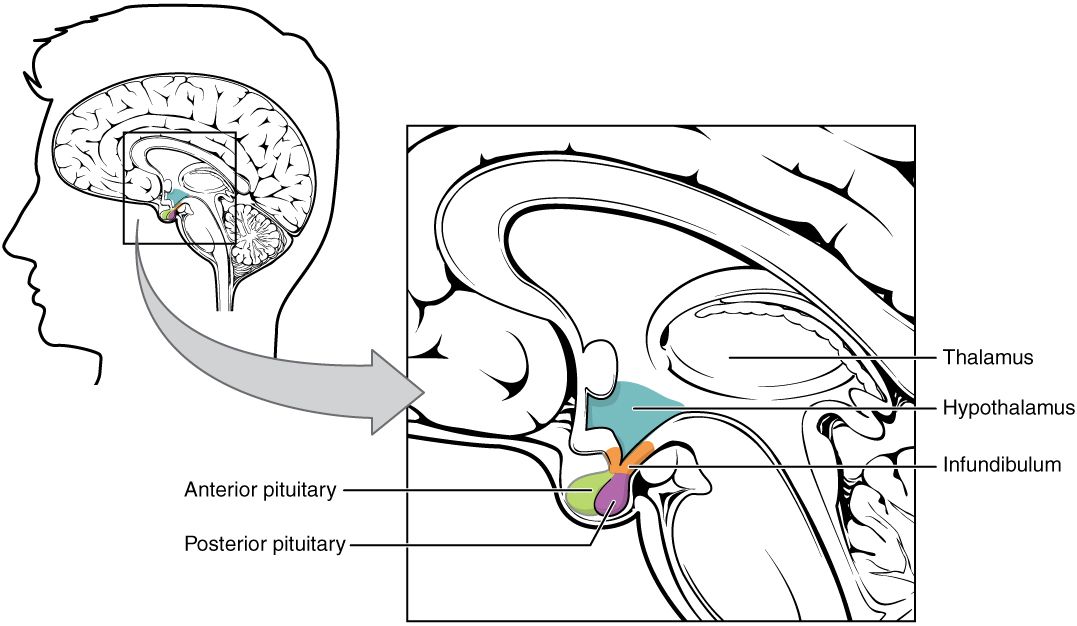
The pituitary is two glands in one coat. The anterior pituitary makes its own hormones: growth hormone, TSH, ACTH, prolactin, FSH, and LH. The posterior pituitary makes nothing. It is a storage tank for two hormones made in the hypothalamus. These are antidiuretic hormone (ADH, vasopressin) and oxytocin. Pituitary drugs either replace a missing signal or shut down one that is too strong.
| Class | Prototype | Key effect | Safety alert |
|---|---|---|---|
| Growth hormone | somatropin | Replaces GH in deficiency; promotes linear growth in children | Subcutaneous only; rotate sites. Monitor growth velocity and blood glucose: GH is hyperglycemic. Report limp or hip/knee pain (slipped epiphysis). |
| Somatostatin analog | octreotide | Inhibits GH release; treats acromegaly, carcinoid, variceal bleeding | Monitor glucose (can swing either way), watch for gallstones, bradycardia, steatorrhea/cramping. Check IGF-1 for response. |
| Dopamine agonist | cabergoline, bromocriptine | Dopamine inhibits prolactin, so these lower prolactin and shrink prolactinomas | Orthostatic hypotension: first dose at bedtime, rise slowly. Nausea; take with food. Watch for compulsive behaviors. |
| ADH replacement | desmopressin (DDAVP) | Synthetic ADH; treats diabetes insipidus, nocturnal enuresis, mild hemophilia A/von Willebrand | Water intoxication and hyponatremia. Monitor daily weight, I&O, urine specific gravity, serum sodium. Report headache, confusion, seizure. |
| Vasopressin | vasopressin | ADH plus potent vasoconstriction; used in DI and in shock | IV in critical care; monitor BP, sodium, and the site: extravasation causes tissue necrosis. |
| Oxytocic | oxytocin | Stimulates uterine contraction and milk let-down | High-alert drug. Always on a pump, always titrated; monitor contraction pattern and fetal heart rate. Antidiuretic at high doses: watch sodium. |
Notice the pattern in that table. Diabetes insipidus and SIADH are mirror images, and so are their drugs. In diabetes insipidus, there is too little ADH. The kidney cannot hold on to water. The patient pours out liters of pale, watery urine. The urine specific gravity is low, and blood sodium climbs. You give desmopressin. In SIADH, there is too much ADH. Water is held in, urine is scant and dark, and sodium falls. Give too much desmopressin, and you have simply turned the first problem into the second. That is why desmopressin is checked by the sodium, not just the urine output.
- Hormones act at microgram levels, so decimal errors are a disaster. Peptide hormones like insulin are digested, so they cannot be taken by mouth.
- Negative feedback cannot tell the patient's hormone from yours. So hormone given from outside turns off and shrinks the patient's own gland.
- The pituitary drugs either replace (somatropin, desmopressin) or hold down (octreotide, cabergoline).
- Desmopressin's danger is water overload. Check blood sodium, daily weight, and brain status, not just urine output.
Section 2Thyroid drugs
Levothyroxine: replacing what is missing
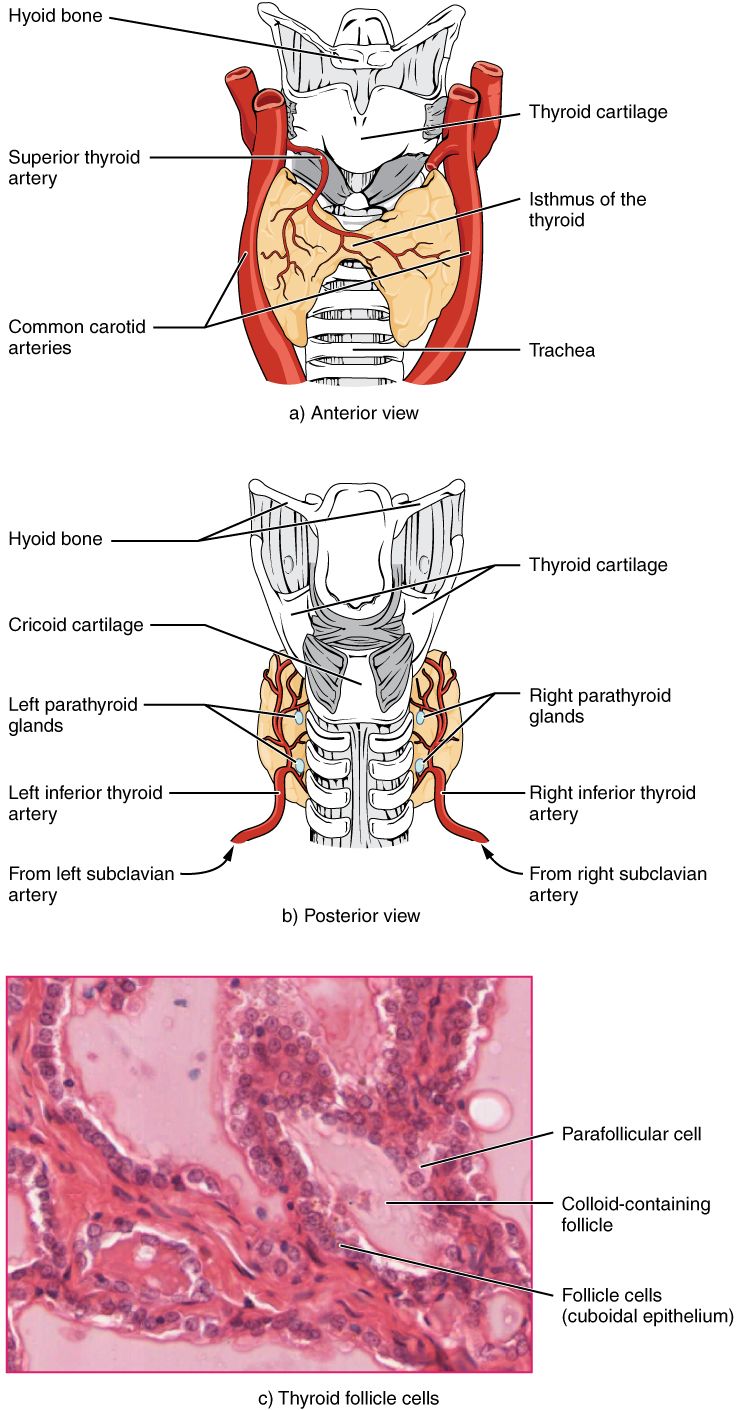
Thyroid hormone sets the body's idle speed. Too little, and everything slows. The person is cold, constipated, with a slow heart rate, gaining weight, and thinking through fog. Levothyroxine (T4) is the man-made replacement. It is one of the most prescribed drugs in the country. It is the same chemical as the T4 the thyroid makes. The body turns it into the more active T3 in the tissues. That is exactly why T4 is preferred over giving T3 directly. The patient's own tissues decide how much active hormone they need. Levothyroxine has a long half-life, about 7 days. So it is taken once a day, and its effects take weeks to show. A single missed dose is not an emergency.
It is also a narrow therapeutic index drug, and that drives everything about how it is taken. Give it on an empty stomach with water, 30 to 60 minutes before breakfast, at the same time every day. Food lowers absorption, above all soy, walnuts, high-fiber meals, and coffee. Calcium, iron, multivitamins, antacids, sucralfate, and cholestyramine bind it in the gut. Keep those at least 4 hours apart from it. Absorption is so touchy that people should stay on the same product and not switch brands casually. The dose is adjusted by the TSH. Recheck it about 6 to 8 weeks after any change. Checking sooner just measures noise, because the hormone has not reached steady state.
Teach what too much feels like, because it looks just like an overactive thyroid. Signs are a fast heart rate, a pounding heart, nervousness, poor sleep, feeling too hot, tremor, and weight loss without trying. In older adults, too high a dose brings two real dangers. One is atrial fibrillation. The other, over years, is osteoporosis. That is why an older person, or anyone with coronary artery disease, starts on a low dose on purpose. It goes up slowly. A suddenly faster heart pushing through a narrowed heart artery can cause angina or a heart attack. Two more teaching points come up all the time. Levothyroxine is for life. Feeling better means it is working, not that it can be stopped. And needs go up in pregnancy, so a pregnant patient needs her dose and TSH checked early.
Antithyroid agents: turning the gland down
An overactive thyroid (hyperthyroidism) is the opposite picture. Signs are a racing heart, weight loss despite eating, feeling too hot, tremor, anxiety, and diarrhea. The thionamides, methimazole and propylthiouracil (PTU), block the enzyme that builds thyroid hormone. They do not touch hormone already stored in the gland. So the patient does not improve for several weeks. Tell them this up front. Otherwise they will decide the drug does not work and quit.
Methimazole is first-line. It is stronger, taken once a day, and better tolerated. PTU is saved for three cases. The first is the first trimester of pregnancy, since methimazole carries a risk of birth defects early in pregnancy. The second is thyroid storm, a life-threatening surge of thyroid hormone. PTU has the added benefit of blocking the change of T4 to T3 in the tissues. The third is people who cannot take methimazole. That is because PTU carries a boxed warning for severe liver harm, including liver failure. Both drugs share the effect you must burn into memory: agranulocytosis, a dangerous drop in white cells. If a patient on a thionamide reports a sore throat, fever, or mouth sores, that is not a cold. Hold the drug, tell the provider, and get a CBC with differential.
| Class | Prototype | Key effect | Safety alert |
|---|---|---|---|
| Thyroid replacement | levothyroxine (T4) | Restores metabolic rate; converted to T3 peripherally | Empty stomach, 30 to 60 min before breakfast; keep calcium, iron, and antacids 4 h apart. Adjust to the TSH every 6 to 8 wk. Report chest pain, a pounding heart, or weight loss. For life. |
| T3 replacement | liothyronine (T3) | Faster onset, shorter half-life; myxedema coma, selected cases | More cardiac stimulation than T4: monitor HR and rhythm closely. |
| Thionamide | methimazole | Blocks hormone synthesis; first-line for hyperthyroidism | Agranulocytosis: report sore throat/fever at once. Avoid in first trimester. Effect takes weeks. |
| Thionamide | propylthiouracil (PTU) | Blocks synthesis and peripheral T4→T3 conversion | Boxed warning: hepatotoxicity. Report jaundice, dark urine, RUQ pain, anorexia. Reserved for first trimester and thyroid storm. |
| Iodine solution | potassium iodide (SSKI, Lugol's) | High-dose iodine transiently shuts down hormone release; shrinks/firms gland pre-op | Give 1 hour after the thionamide. Dilute in juice, use a straw (stains teeth). Metallic taste. Short-term use only. |
| Radioactive iodine | iodine-131 | Destroys thyroid tissue permanently | Contraindicated in pregnancy/lactation. Radiation precautions; expect eventual hypothyroidism and lifelong levothyroxine. |
| Beta blocker | propranolol | Does not treat the thyroid: blocks the adrenergic symptoms | Symptom relief while thionamides take effect. Monitor HR and BP; caution in asthma. |
- Levothyroxine: empty stomach 30 to 60 min before breakfast, binders 4 h apart, adjust to TSH every 6 to 8 weeks, for life, and start low in older or heart patients.
- Too much looks like an overactive thyroid: fast heart rate, weight loss, poor sleep. Over time it risks atrial fibrillation and osteoporosis.
- Methimazole is first-line. PTU is for the first trimester and thyroid storm, and it carries a boxed warning for liver harm.
- Both thionamides can cause agranulocytosis. A sore throat, fever, or mouth sores means hold the drug and draw a CBC.
Section 3Corticosteroids
Two jobs in one gland
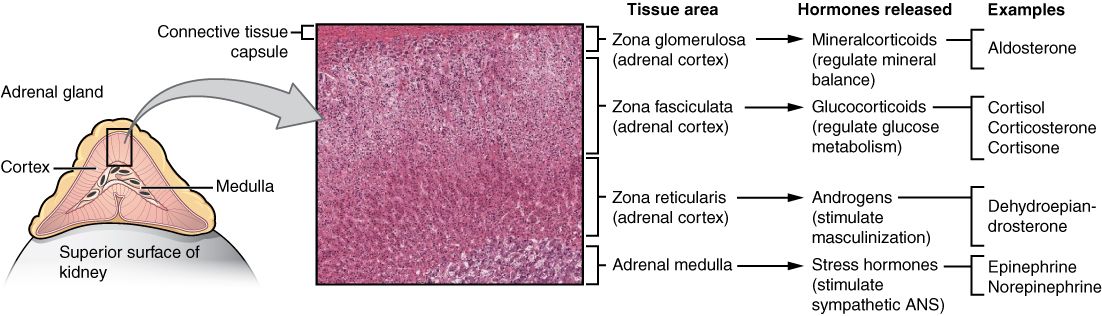
The adrenal cortex makes two kinds of steroid that matter here. Glucocorticoids raise blood sugar, calm inflammation, hold down the immune system, and help the body survive stress. Cortisol is the natural one. Mineralocorticoids make the kidney keep sodium and water and get rid of potassium. Aldosterone is the natural one. Every corticosteroid drug you give is a blend of those two actions. The blend is the whole reason there are so many of them.
Hydrocortisone is basically cortisol, with both actions. That makes it the drug of choice when you are replacing a missing adrenal gland. Prednisone and methylprednisolone are mostly glucocorticoid with a little mineralocorticoid. They are the everyday anti-inflammatory steroids. Dexamethasone is almost pure glucocorticoid. It is very strong and long-acting, with almost no salt-holding effect. That is why it is chosen for brain swelling (cerebral edema) and when fluid buildup would be a problem. Fludrocortisone is the mirror image. It is chosen for its mineralocorticoid punch, to replace aldosterone. One more fact about prednisone: it is a prodrug. The liver turns it into prednisolone. So a patient in liver failure may be given prednisolone directly.
| Agent | Equivalent dose | Glucocorticoid / mineralocorticoid | Common use and safety alert |
|---|---|---|---|
| hydrocortisone | 20 mg | Both, roughly balanced | Adrenal insufficiency replacement; IV stress dosing. Short-acting. |
| prednisone | 5 mg | Mostly gluco, some mineralo | Oral workhorse (asthma, RA, IBD). Prodrug: needs a working liver. Give with food. |
| methylprednisolone | 4 mg | Gluco > mineralo | IV equivalent of prednisone; dose packs taper by design: teach the schedule. |
| dexamethasone | 0.75 mg | Almost pure gluco; long-acting | Most potent; cerebral edema, croup, antiemetic. Little salt retention. Big glucose spikes. |
| fludrocortisone | - | Chosen for mineralo | Addison's disease. Monitor BP, weight, edema, and potassium: it drives K+ out. |
The adverse effects: predictable, and all one story
Every classic steroid side effect is just cortisol's normal job, turned up too far and left on too long. Cortisol raises sugar, so steroids cause high blood sugar. A person with diabetes started on prednisone will need more insulin, not less. Cortisol holds down immunity, so steroids bring infection risk. Worse, they hide the signs. They blunt fever and inflammation, so a serious infection can be far along before it shows. Cortisol breaks down tissue. So long-term use brings muscle wasting, thin fragile skin, easy bruising, poor wound healing, and osteoporosis. Fat moves around and gives the cushingoid look. That means a round "moon" face, a fat pad on the upper back (buffalo hump), and a heavy trunk on thin limbs. Add mood changes (high mood, agitation, poor sleep, and now and then real psychosis). Add stomach irritation and ulcer risk, which is worse with NSAIDs. Add cataracts and glaucoma and slowed growth in children. From the mineralocorticoid side come fluid buildup, high blood pressure, and low potassium.
What to do is short and concrete. Check blood sugar, even in people without diabetes. Take daily weights and blood pressures. Check potassium. Give oral doses with food. Watch for any infection, and be quick to suspect one. Teach the patient to avoid crowds and sick people and to report any fever. Live vaccines are usually avoided at doses that hold down the immune system. Doses are usually given in the morning, to match the body's natural cortisol peak. That lowers sleep problems and disturbs the system a little less. And everyone on long-term steroids should carry medical ID.
Tapering, and the crisis that follows if you don't
Go back to the feedback loop from Section 1. After about two to three weeks of a steroid dose that matters, the HPA system (hypothalamus, pituitary, adrenal) is turned off. The adrenal cortex starts to shrink. It cannot restart on demand. So a course longer than about two weeks is tapered. The dose steps down slowly over days to weeks. That gives the hypothalamus, pituitary, and adrenal time to wake up in order. Stop suddenly, and the patient falls into acute adrenal insufficiency (adrenal crisis). Signs are low blood pressure, shock, weakness, nausea and vomiting, belly pain, low blood sugar, and low sodium from water dilution. Notice what is not on that list. The potassium is usually normal. The steroid turned off ACTH only. Aldosterone answers to renin and angiotensin, not to ACTH, so it keeps working. High potassium belongs to primary adrenal insufficiency (Addison's disease). There, the cortex itself fails and aldosterone is lost too. That is why those patients also need fludrocortisone. Either way, it is a true emergency, treated with IV hydrocortisone and fluids.
The same science explains stress dosing. A healthy adrenal gland pumps out extra cortisol during surgery, injury, or serious infection. A turned-off one cannot. So people on long-term steroids need higher doses during body stress. Yet this is exactly when a well-meaning person with a stomach bug decides to skip their pills because they feel too sick to eat. Teach the reverse. Sick days are when the dose matters most. If they cannot keep it down, they need to be seen.
- Glucocorticoids (cortisol, prednisone) raise sugar and calm inflammation. Mineralocorticoids (aldosterone, fludrocortisone) keep sodium and water and get rid of potassium.
- Strength ladder: hydrocortisone 20 mg = prednisone 5 mg = methylprednisolone 4 mg = dexamethasone 0.75 mg (strongest, least salt-holding).
- Side effects are cortisol's job overdone: high blood sugar, infection risk with hidden signs, osteoporosis, cushingoid changes, mood swings, stomach ulcer, cataracts, fluid buildup, and low potassium.
- Never stop suddenly after more than 2 to 3 weeks. Taper, and raise the dose during illness, surgery, or injury to prevent adrenal crisis.
Section 4Insulins
The highest of the high-alert drugs
Insulin is the hormone that lets sugar out of the blood and into cells. It is on every "high-alert" list in every hospital in the country. That is not because it is unpredictable. It is because a wrong dose causes harm right away and can be fatal. The safety habits are firm and worth stating plainly. Use an insulin syringe (U-100) or an insulin pen. Never use a tuberculin or general syringe. Never write or accept "U" for units. A handwritten "10U" reads as "100" often enough that the shortcut is banned outright. Most facilities require an independent double-check by a second clinician before giving it. Insulin names look and sound alike: glargine, glulisine, lispro, degludec, detemir. So read the vial label, not the shelf spot.
For routine use, insulin is given under the skin (subcutaneously). The belly absorbs fastest and most predictably, then the arm, thigh, and buttock. Rotate sites within one body area rather than jumping between areas, so absorption stays steady. Space shots about an inch apart to prevent lipohypertrophy. These are rubbery fatty lumps that form at an overused site, and they absorb insulin unevenly. Do not rub the site. Do not exercise the injected limb right away. Both speed absorption and can drop the sugar faster than expected. Unopened vials go in the refrigerator. The vial or pen in use can stay at room temperature. It is usually thrown out after 28 days, but check the product. Avoid giving cold insulin straight from the fridge if you can. It stings.
Onset, peak, duration: the numbers that prevent hypoglycemia
Insulins are not all the same molecule. Regular and NPH are human insulin. NPH is that same insulin bound to protamine, so it seeps out of the tissue slowly. The rapid- and long-acting products are analogs. Some have swapped amino acids (lispro, aspart, glulisine, glargine). Others have added fatty acid side chains (detemir, degludec). These changes alter how the molecules clump, settle, and seep into the blood. That difference in build is the whole story. It is why glargine, which settles out at body tissue pH, can never be mixed with anything. It is also why protamine carried into a regular insulin vial would slow your fast insulin. The peak is the number that matters in care, because the peak is when the patient will go low. Learn the peaks, and you can predict low blood sugar instead of discovering it.
| Class | Prototype | Onset / peak / duration | Safety alert |
|---|---|---|---|
| Rapid-acting | lispro, aspart, glulisine | ~15 min / 1 to 2 h / 3 to 5 h | Give with the meal in front of the patient (within 15 min). If the tray does not come, the patient goes low. |
| Short-acting | regular insulin | ~30 min / 2 to 3 h / 5 to 8 h | Give 30 min before the meal. The standard insulin for IV use: DKA drips, hyperkalemia. Clear. |
| Intermediate | NPH (isophane) | 1 to 2 h / 4 to 12 h / 14 to 24 h | The only cloudy insulin: roll it gently, never shake. Its broad peak means a real risk of low blood sugar at night. Can be mixed with regular. |
| Long-acting | glargine, detemir | 1 to 2 h / no true peak / ~24 h | Background (basal) coverage, usually once a day; detemir's duration depends on dose, so it is often given twice a day. Never mix with any other insulin and never give IV. It is clear, so do not mistake it for rapid-acting. |
| Ultra-long | degludec | 1 h / no peak / >42 h | Very flat and forgiving; do not mix. Steady state takes ~3 days. |
| Premixed | 70/30 (NPH/regular), 75/25 | Combines both profiles | Cloudy: roll to resuspend. Convenience at the cost of flexibility; meals must be on time. |
When two insulins go into one syringe, the classic pair is NPH plus regular. The order is fixed. Inject air into the cloudy (NPH) vial. Inject air into the clear (regular) vial. Then draw up the clear first, then the cloudy. The rule is clear before cloudy, also said as regular before NPH. The reason is contamination. A trace of clear regular insulin carried into the NPH vial does no harm. But a trace of NPH's protamine carried into the regular vial would slow your fast insulin. You would never know it happened.
Hypoglycemia
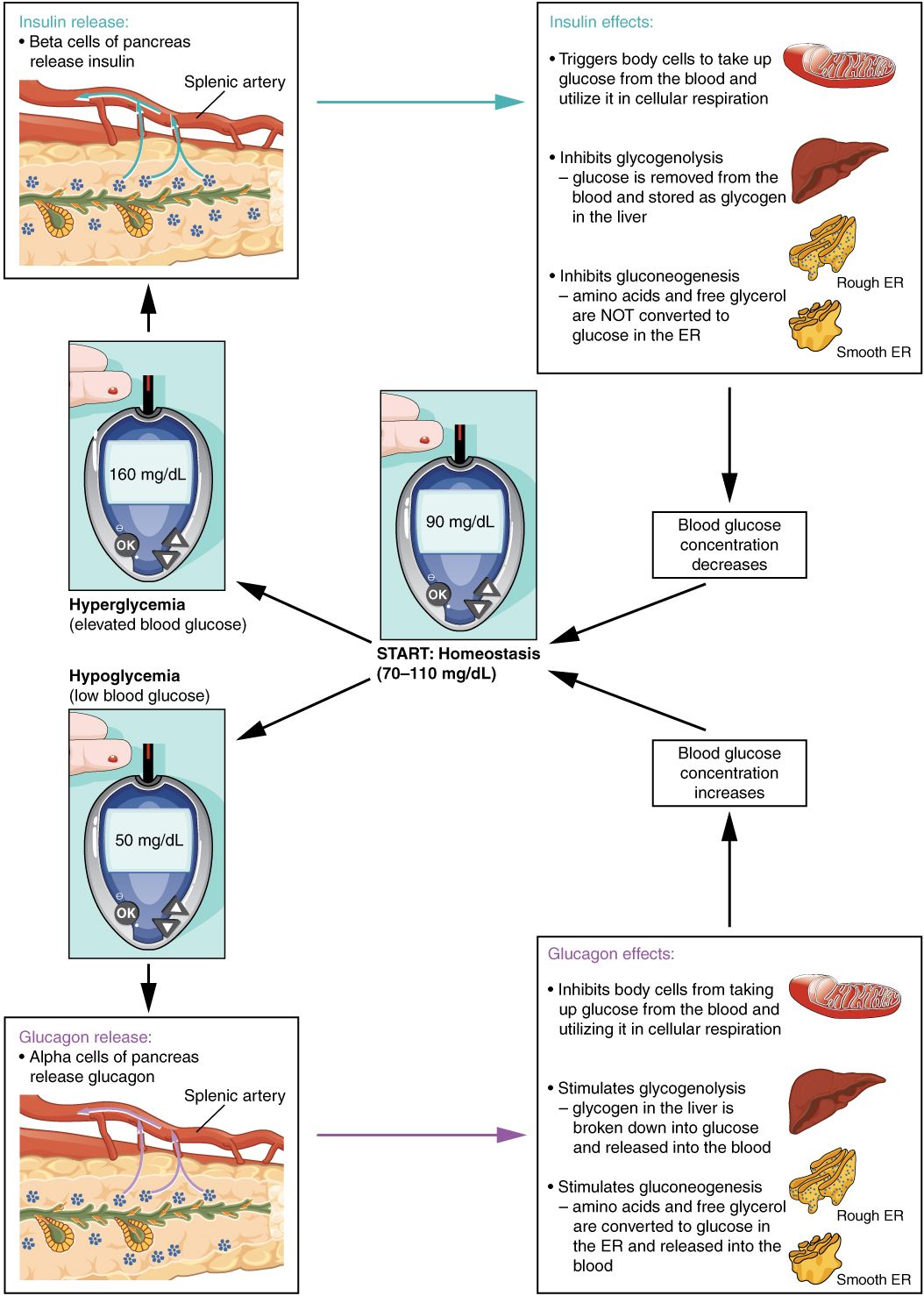
A blood sugar below 70 mg/dL is hypoglycemia. It is the sudden danger of every insulin. The early signs come from the body's alarm system firing. The person is shaky, sweaty, with a fast heart rate, anxious, hungry, and pale. If sugar drops further, the brain runs out of fuel. Then the signs come from the starving brain: confusion, slurred speech, blurred vision, odd behavior, seizure, and coma. This second set is often mistaken for being drunk or a stroke. So a person with diabetes who will not respond gets a fingerstick before anything else. A patient on a beta blocker may lose the early alarm entirely, since the tremor and fast heart rate are blocked. Confusion may be the first sign. Sweating usually still comes through.
Treatment is the rule of 15. If the person is awake and can swallow, give 15 grams of fast-acting carbohydrate. That is 4 ounces of juice or regular soda, 3 to 4 glucose tablets, or a tablespoon of honey. Wait 15 minutes and recheck. Repeat until the sugar is above 70. Then give a snack with protein and a complex carbohydrate if the next meal is more than an hour away. That keeps the sugar from simply falling again. If the person cannot safely swallow, nothing goes in the mouth. Give IV dextrose 50% if there is IV access. If there is not, give glucagon into the muscle, under the skin, or into the nose.
- Insulin is a high-alert drug. Use an insulin syringe or pen only, never write "U" for units, get an independent double-check, and read the label, since the names look alike.
- The peak predicts the low. Rapid about 1 to 2 h, regular 2 to 3 h, NPH 4 to 12 h (lows at night). Glargine, detemir, and degludec have no true peak.
- Regular is the only IV insulin. NPH is the only cloudy one. Long-acting insulins are never mixed. Draw clear before cloudy.
- Low blood sugar under 70 mg/dL → rule of 15 if awake. D50 IV or glucagon if not. Beta blockers hide the early alarm signs.
Section 5Oral antidiabetics and glucagon
Metformin: the one to know cold
Type 2 diabetes is a problem of resistance. There is insulin, but the tissues have stopped listening. The liver keeps pouring out sugar it does not need to. Metformin, a biguanide, is the first drug for almost every adult with new type 2 diabetes. It is worth knowing better than any other diabetes pill. It works in three ways. It lowers the sugar the liver makes, which is its main effect. It lowers sugar absorbed from the gut. And it helps muscle and fat respond to the insulin already there.
Read that list again and notice what is missing. Metformin does not squeeze more insulin out of the pancreas. That is why metformin alone does not cause low blood sugar. This point is tested over and over. More important, it changes how you teach. Metformin also keeps weight steady or lowers it a little, which is a real plus. Its everyday problem is the gut: nausea, diarrhea, cramps, and a metal taste. These are mostly solved by taking it with food, starting low, and using the extended-release form. Long-term use can cause low vitamin B12. So B12 is checked from time to time, above all if anemia or nerve damage shows up.
The rare but serious harm is lactic acidosis, a dangerous acid buildup. It carries a boxed warning. It happens when metformin builds up. So the risk sits with anything that slows its clearing or lowers oxygen. That includes weak kidneys (metformin is not allowed at eGFR <30), sudden heart failure, low oxygen, sepsis, dehydration, liver disease, and heavy drinking. Teach the signs, because they are vague and easy to brush off. They are unusual muscle aches, deep or hard breathing, unusual sleepiness, and belly pain, and feeling generally unwell. Acid buildup is also why iodine contrast dye keeps coming up with this drug. Contrast can injure the kidney, and the kidney is metformin's only way out. The current rule is narrower than the blanket hold you may still hear about on the unit. Metformin is kept going through IV contrast when the eGFR is 30 mL/min/1.73 m2 or better and there is no sudden kidney injury (AKI). It is held at the time of the scan and for 48 hours after, until a repeat creatinine and eGFR come back, only in certain cases. These are an eGFR under 30, AKI that is present or suspected, or contrast given into an artery in a way likely to reach the kidney arteries.
The other classes, and the one alert that defines each
| Class | Prototype | Key effect | Safety alert |
|---|---|---|---|
| Biguanide | metformin | ↓ hepatic glucose output; ↑ insulin sensitivity | No low blood sugar when used alone. Take with food. Avoid at eGFR <30. Hold around iodine contrast only if eGFR <30, AKI, or a study into an artery; otherwise keep it going. Watch B12, and teach the signs of lactic acidosis. |
| Sulfonylurea | glipizide, glimepiride, glyburide | Stimulate beta cells to release insulin | Hypoglycemia: the big one, especially glyburide in older adults. Take with breakfast. Weight gain; sulfa allergy caution; alcohol may cause flushing. |
| Meglitinide | repaglinide, nateglinide | Short, fast insulin release for the meal | Take with each meal: skip the meal, skip the dose. Hypoglycemia risk. |
| Thiazolidinedione | pioglitazone | ↑ insulin sensitivity at muscle/fat | Boxed warning: heart failure. Fluid retention: report weight gain, edema, dyspnea. Monitor LFTs. Slow onset (weeks). |
| DPP-4 inhibitor | sitagliptin | Prolongs the body's own incretins → glucose-dependent insulin release | Well tolerated, weight-neutral. Report severe persistent abdominal pain (pancreatitis); joint pain. |
| GLP-1 agonist | semaglutide, liraglutide, dulaglutide | Incretin mimic: ↑ insulin, ↓ glucagon, slows gastric emptying, ↓ appetite | Given by shot (some by mouth). Nausea limits the dose; large weight loss. Boxed warning: thyroid C-cell tumors, so avoid with a personal or family history of medullary thyroid cancer or MEN 2. Pancreatitis; slows stomach emptying. |
| SGLT2 inhibitor | empagliflozin, dapagliflozin | Blocks renal glucose reabsorption → glucose out in the urine | Proven heart failure and kidney benefit. Genital yeast infections and UTIs, so teach hygiene and encourage fluids. Fluid loss and dizziness on standing. Euglycemic DKA: ketoacidosis with a near-normal sugar. |
| Alpha-glucosidase inhibitor | acarbose, miglitol | Slows carbohydrate digestion → blunts the post-meal spike | Take with the first bite. Gas and diarrhea. If blood sugar goes low on a combination, treat with glucose tablets, not table sugar or juice, since the body cannot break down table sugar (sucrose) on this drug. |
A few threads run through that table. The drugs that push the pancreas, sulfonylureas and meglitinides, are the pills that cause low blood sugar. The rest are much safer alone, though any of them can add to lows when combined with insulin. Two classes are now prescribed as much for the heart and kidney as for the sugar. SGLT2 inhibitors and GLP-1 agonists both showed heart and kidney benefits in large outcome studies. That is why you will see them on the drug lists of people whose A1C is nearly at goal. The euglycemic DKA of the SGLT2 drugs deserves a moment. These drugs dump sugar into the urine. So a person can be in true ketoacidosis, sick to the stomach, breathing deeply, with too much acid in the blood, yet have a sugar of 180. A normal fingerstick does not rule it out.
Glucagon: the rescue
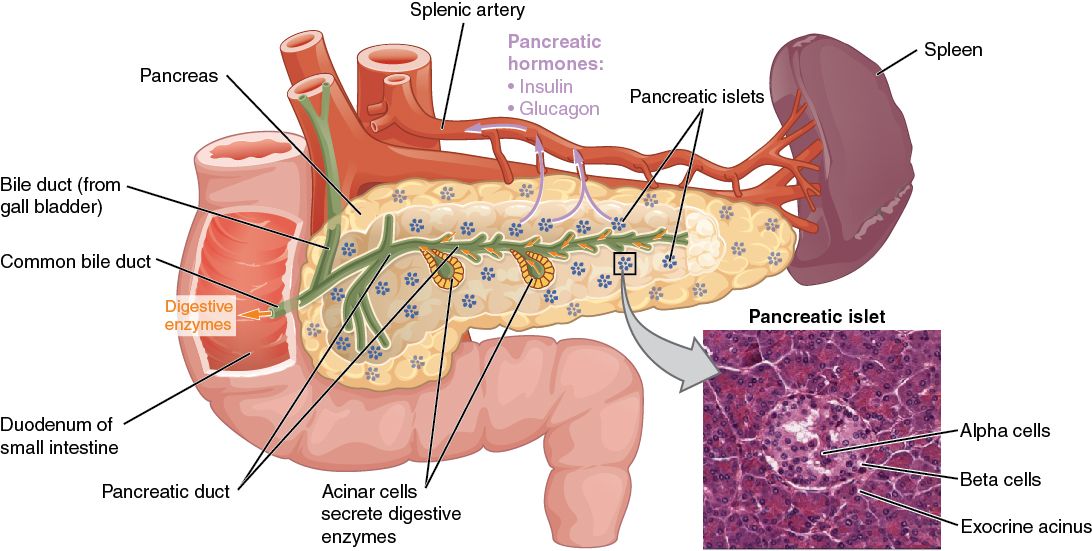
Glucagon is insulin's opposite, the other hormone of the islets. When sugar falls, alpha cells release it. It tells the liver to break down stored sugar (glycogen) into glucose and release it into the blood. As a drug, it is the rescue for severe low blood sugar in a person who cannot safely swallow and has no IV. That may be a person having a seizure, a person who will not respond, or a child at home. It is given into the muscle, under the skin, or into the nose. It works in about 10 to 15 minutes.
Three facts about glucagon must be taught to the family, not just charted. First, it works by emptying the liver's glycogen stores. So it fails or works poorly in a person with no stores. That includes long-term heavy drinking, starvation, long fasting, and advanced liver disease. Those patients need IV dextrose. Second, vomiting is common after glucagon. Turn the person on their side before it takes effect, to protect the airway. Third, the effect is short-lived. The liver's stores run out, and the insulin that caused the low is often still working. As soon as the person is awake and can swallow, they need carbohydrate by mouth. They still need to be checked by a clinician. Rescuing someone with glucagon and leaving is how a person goes low a second time an hour later.
- Metformin is first-line. It lowers the sugar the liver makes and does not cause low blood sugar alone. Take it with food. It is avoided at eGFR <30. It is held around iodine contrast only when eGFR is <30, AKI is present, or the study is into an artery. It carries a lactic acidosis boxed warning. Check B12.
- Sulfonylureas and meglitinides squeeze the pancreas. They are the pills that cause low blood sugar. Skip the meal, skip the meglitinide.
- Class alerts: pioglitazone → heart failure; GLP-1 agonists → nausea, weight loss, thyroid C-cell boxed warning; SGLT2 inhibitors → genital infections and euglycemic DKA; acarbose → treat lows with glucose only.
- Glucagon frees the liver's glycogen for severe low blood sugar with no IV. It causes vomiting (turn the person), is short-lived (follow with carbs by mouth), and fails with no glycogen stores.
The chapter in one breath
- Negative feedback is the master idea. Hormone given from outside turns off and shrinks the patient's own gland. That is why steroids are tapered and why a TSH tells you whether a levothyroxine dose is right.
- Peptide hormones are digested, so insulin can never be a pill. Fat-soluble hormones (thyroid, steroids) act slowly on genes and can be swallowed.
- Pituitary drugs replace (somatropin, desmopressin) or hold down (octreotide, cabergoline). Desmopressin's danger is water overload and low sodium.
- Levothyroxine: empty stomach 30 to 60 min before breakfast, binders 4 hours apart, TSH every 6 to 8 weeks, for life, and start low in older and heart patients.
- Methimazole (first-line) and PTU (first trimester, thyroid storm, liver harm warning) both risk agranulocytosis. A sore throat and fever means hold and draw a CBC.
- Corticosteroid side effects are cortisol overdone: high sugar, infection with hidden signs, osteoporosis, cushingoid changes, mood changes, ulcers, and fluid buildup. Stopping suddenly after more than 2 to 3 weeks causes adrenal crisis.
- Insulin is high-alert. Know the peaks, because the peak is when the patient goes low. Regular is the only IV insulin, NPH is the only cloudy one, and long-acting insulins are never mixed. Low blood sugar under 70 gets the rule of 15, or, if the person cannot swallow, D50 or glucagon.
- Metformin leads the pills and causes no low blood sugar alone. Each other class has one key alert: sulfonylurea lows, pioglitazone heart failure, GLP-1 nausea and the C-cell warning, SGLT2 euglycemic DKA, and acarbose needing pure glucose to treat a low.
ReferenceWords worth knowing
A quick list of the terms in this chapter. Skim it now, or come back when a word trips you up.
- Adrenal crisis
- Sudden, life-threatening lack of cortisol: low blood pressure, shock, weakness, vomiting, low blood sugar, and low sodium from water dilution. It is classically set off by stopping a long-term steroid suddenly, or by body stress when the system is turned off. Potassium is usually normal in this steroid-withdrawal (secondary) form, because aldosterone still works; high potassium points to primary (Addison's) disease. Treated with IV hydrocortisone and fluids.
- Agranulocytosis
- A dangerous fall in neutrophils that leaves the patient unable to fight infection; the reason a sore throat, fever, or mouth sore on methimazole or PTU is an emergency, not a cold.
- Antidiuretic hormone (ADH, vasopressin)
- The posterior pituitary hormone that makes the kidney save water. Too little causes diabetes insipidus; too much causes SIADH.
- Basal insulin
- Long-acting insulin with no peak (glargine, detemir, degludec) that covers the body's steady background need between meals and overnight.
- Biguanide
- The class that includes metformin; lowers the sugar the liver makes and helps the body respond to insulin, without pushing the pancreas.
- Duration
- How long an insulin keeps lowering blood sugar after it is given.
- Euglycemic DKA
- Diabetic ketoacidosis with a near-normal blood sugar, seen with SGLT2 inhibitors because the drug sends sugar out in the urine; a normal fingerstick does not rule it out.
- Glucagon
- The pancreas alpha-cell hormone that frees the liver's glycogen to raise blood sugar; used as a rescue for severe low blood sugar when the person cannot swallow.
- Glucocorticoid
- A steroid whose main actions are raising blood sugar and holding down inflammation and the immune system; cortisol is the natural one, and prednisone and dexamethasone are common drugs.
- High-alert medication
- A drug with a higher risk of serious harm when used in error (insulin is the classic example), so it needs extra safety steps such as an independent double-check.
- Hypoglycemia
- Blood sugar below 70 mg/dL; early alarm signs (shaky, sweaty, fast heart rate, hungry) give way to signs of a starving brain (confusion, slurred speech, seizure, coma).
- Incretin
- A gut hormone (mainly GLP-1) released with a meal that boosts insulin, lowers glucagon, and slows stomach emptying; copied by GLP-1 agonists and made to last longer by DPP-4 inhibitors.
- Lactic acidosis
- The rare, serious metformin harm that happens when the drug builds up; suspect it with muscle aches, deep or hard breathing, unusual sleepiness, and belly pain.
- Lipohypertrophy
- Rubbery fatty thickening at an overused shot site that absorbs insulin unevenly; prevented by rotating sites within one body area.
- Mineralocorticoid
- A steroid whose main action is keeping sodium and water while losing potassium; aldosterone is the natural one, and fludrocortisone is the drug.
- Narrow therapeutic index
- A drug whose working dose and toxic dose sit very close together, so it needs exact dosing and checks; levothyroxine and insulin both qualify.
- Negative feedback
- The thermostat setup in which a hormone shuts off the signals that ordered it; the loop cannot tell outside hormone from the patient's own.
- Onset
- How long after it is given an insulin starts to lower blood sugar.
- Peak
- When an insulin has its strongest effect, and so when low blood sugar is most likely.
- Rule of 15
- Treatment of low blood sugar in a person who can swallow: 15 grams of fast-acting carbohydrate, wait 15 minutes, recheck, and repeat as needed.
- Taper
- Stepping a corticosteroid dose down slowly to end treatment, so the turned-off HPA system and shrunken adrenal cortex can start making hormone again.
- Thionamide
- The antithyroid class (methimazole and propylthiouracil) that blocks the making of thyroid hormone; it takes weeks to work because stored hormone is not affected.