Cardiovascular Drugs I
Blood has one job that is nearly impossible: stay liquid everywhere, and turn solid in exactly one place, at exactly the right moment. The drugs in this chapter live on both sides of that line — some thin the blood, some help it clot, some rebuild it, and some quietly lower the pressure that is grinding down a patient's arteries year after year. Almost every one of them is a high-alert medication, meaning an error does not produce a rash, it produces a hemorrhage or a stroke. This chapter walks the clotting cascade, the anticoagulants and antiplatelets that interrupt it, the antidotes that reverse them, the agents that rebuild blood, and the antihypertensives you will hang, titrate, hold, and teach more than any other class in your career.
By the end of this chapter you can
- Describe hemostasis — vasoconstriction, the platelet plug, and the clotting cascade — and locate where each anticoagulant acts.
- Compare heparin, low–molecular-weight heparin, warfarin, and the DOACs by mechanism, monitoring test, and antidote.
- Explain how aspirin and clopidogrel differ from anticoagulants, and why dual antiplatelet therapy must not be stopped casually.
- State the nursing priorities for alteplase, including time windows, contraindications, and bleeding surveillance.
- Describe erythropoiesis-stimulating agents, filgrastim, and the major blood products, with their key warnings and transfusion safety steps.
- Explain how cardiac output, systemic vascular resistance, baroreceptors, and the RAAS set arterial blood pressure.
- Identify the prototype, key effect, and signature adverse effect of each major antihypertensive class.
- Assess for orthostatic hypotension and build a realistic adherence plan with a patient who feels perfectly fine.
Section 1Hemostasis and anticoagulants
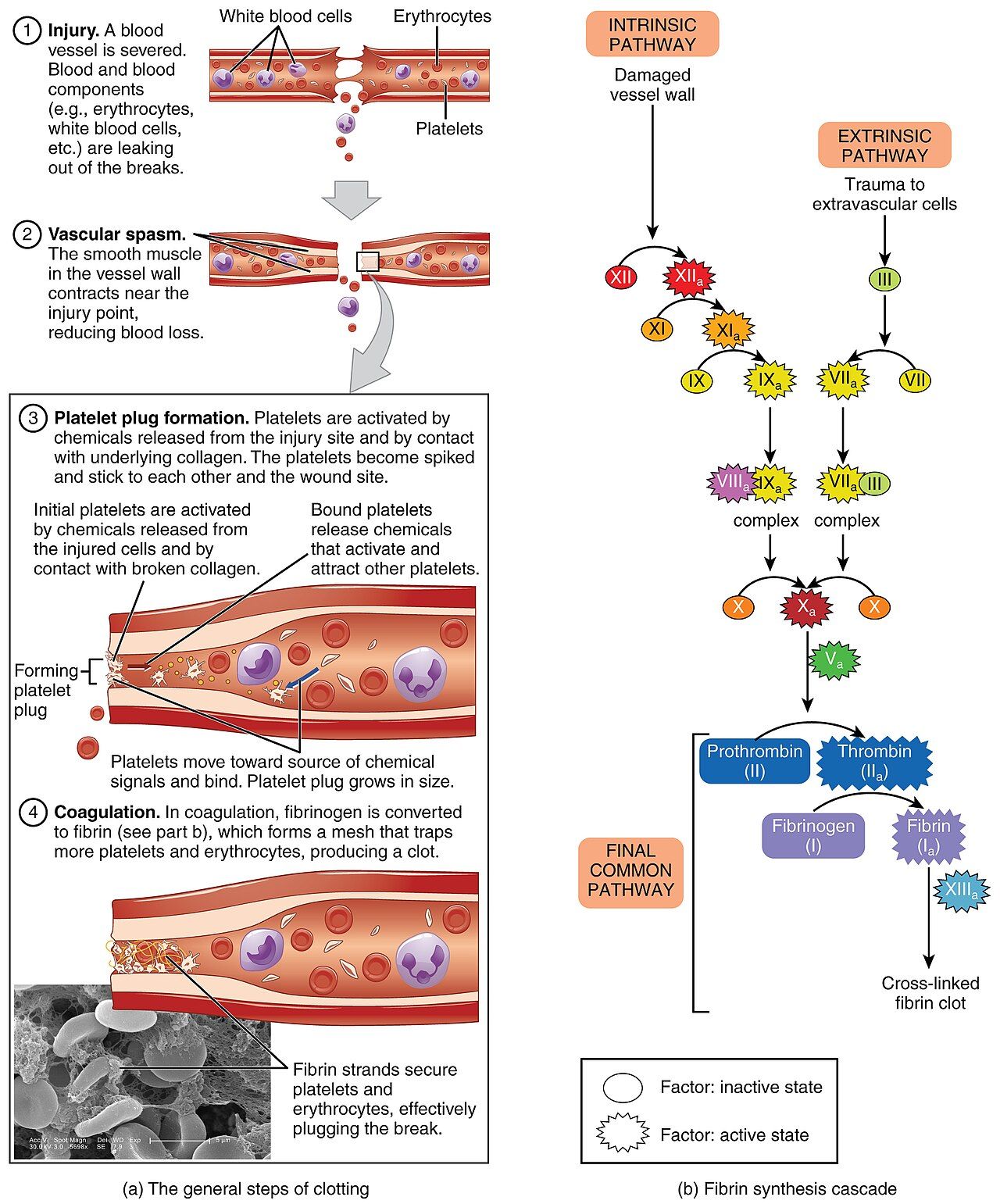
How the body builds a clot
Cut a vessel and three things happen in sequence. First, the vessel wall clamps down — vasoconstriction — narrowing the hole. Second, platelets stick to the exposed collagen, activate, change shape, and glue themselves to one another into a soft, temporary platelet plug. That plug will stop a paper cut, but it is fragile; a cough or a blood pressure spike blows it off. So third, the body reinforces it with the coagulation cascade, a chain of plasma proteins that ends by weaving a mesh of fibrin through the platelet plug and locking it in place.
The cascade has two on-ramps and one shared exit. The extrinsic pathway is the fast one: damaged tissue releases tissue factor, which activates factor VII. The intrinsic pathway is the slower one, triggered by contact with a damaged surface inside the vessel. Both funnel into the common pathway, where factor X becomes factor Xa, Xa converts prothrombin (factor II) into thrombin, and thrombin converts fibrinogen into fibrin. Thrombin is the engine of the whole system, and factor Xa is the gate just upstream of it — which is exactly why so many drugs aim at those two proteins.
Two lab tests map onto those two on-ramps, and you will read them for the rest of your career. PT/INR follows the extrinsic and common pathways — it is the warfarin test. aPTT follows the intrinsic and common pathways — it is the heparin test. A memory hook that works: PeT the extrinsic dog (PT → extrinsic → warfarin); the PTT is for the intrinsic tubing (aPTT → intrinsic → heparin).
One more idea before the drugs: nothing here dissolves a clot that already exists. Anticoagulants prevent clots from forming and from growing. They do not melt the clot in the patient's leg — the body's own fibrinolytic system does that slowly over weeks. When a patient asks, "Is this shot breaking up my clot?", the honest answer is that it is holding the line while the body cleans up.
Heparins — fast, injectable, reversible
Unfractionated heparin (UFH) works indirectly: it binds antithrombin and makes it roughly a thousand times better at inactivating thrombin and factor Xa. Because it does not touch the liver's factor production, it works within minutes — IV heparin is essentially instant, which is why it is the drug of choice when you need anticoagulation now and might need to shut it off just as fast. Its half-life is short (about 60–90 minutes), so stopping the drip is itself a partial reversal. Monitor with aPTT (goal typically 1.5–2.5 times control) or an anti-Xa level, per your facility's protocol and nomogram. The antidote is protamine sulfate.
The complication that defines heparin is heparin-induced thrombocytopenia (HIT). It is counterintuitive and it kills people: an antibody response, typically 5–10 days in, drops the platelet count by 50% or more and paradoxically causes clotting, not bleeding. A falling platelet count on heparin is never something to watch overnight. Heparin is stopped — all of it, including flushes and coated catheters — and a non-heparin anticoagulant such as argatroban is started. Baseline and serial platelet counts are a nursing responsibility, not a lab formality.
Low–molecular-weight heparin (LMWH) — prototype enoxaparin (Lovenox) — is heparin chopped into shorter chains that inhibit factor Xa much more than thrombin. That gives a predictable, weight-based subcutaneous dose, no routine aPTT, a longer half-life, and a lower HIT risk, which is what let anticoagulation move out of the hospital. Give it deep subcutaneously in the abdominal "love handle," at least 2 inches from the umbilicus, and do not expel the air bubble in the prefilled syringe — that bubble clears the drug from the needle track and reduces bruising. Do not aspirate and do not massage the site. LMWH is cleared renally, so it accumulates dangerously in kidney impairment; it also carries a boxed warning about spinal/epidural hematoma with neuraxial anesthesia or spinal puncture — a warning shared by fondaparinux and the DOACs, so timing around an epidural is always a team decision. Fondaparinux is a synthetic indirect factor Xa inhibitor given subcutaneously — like heparin it works through antithrombin, which is why it is not a DOAC and why protamine does not reverse it. It has essentially no reliable reversal agent, which is a real consideration when choosing it.
Warfarin — slow, oral, and endlessly interactive
Warfarin (Coumadin) blocks vitamin K epoxide reductase, the enzyme that recycles vitamin K in the liver. Without recycled vitamin K, the liver cannot finish building the vitamin K–dependent factors — II, VII, IX, and X (the "1972" factors), plus the natural anticoagulants protein C and protein S. Notice what that means: warfarin does nothing to the factors already circulating. It takes 3–5 days for the existing factors to decay before the patient is truly anticoagulated, which is why a patient with an acute clot is bridged with heparin or LMWH until the INR is therapeutic on two consecutive days.
Monitor with PT/INR. The usual goal is an INR of 2.0–3.0; a mechanical mitral valve or certain higher-risk indications may target 2.5–3.5. The antidote is vitamin K (phytonadione), and for serious or life-threatening bleeding, 4-factor prothrombin complex concentrate (PCC), which replaces the missing factors in minutes rather than hours. Fresh frozen plasma is an older alternative when PCC is unavailable.
Route matters, and it is a nursing decision point. A high INR without bleeding is managed by holding doses and, if vitamin K is ordered at all, giving it orally (typically 2.5–5 mg). Major bleeding gets phytonadione 5–10 mg IV together with 4-factor PCC — vitamin K restarts the liver's factor production over hours, PCC replaces the factors now, and giving PCC without vitamin K lets the INR rebound as the concentrate wears off. The IV and IM routes carry a boxed warning: severe, occasionally fatal hypersensitivity/anaphylactoid reactions have occurred, including with the first dose. So the IV dose is diluted and infused slowly — no faster than 1 mg/min — with the patient on a monitor, emergency equipment at hand, and the nurse watching for flushing, hypotension, chest tightness, or dyspnea. Never push it fast because the situation feels urgent; the PCC is what buys the minutes.
Warfarin is the great interaction magnet — it is highly protein-bound and metabolized by CYP450, so antibiotics, amiodarone, azole antifungals, NSAIDs, herbals, alcohol, and even a change in appetite can move the INR. The teaching point students most often get backwards: patients are not told to avoid vitamin K foods. They are told to be consistent. A patient who eats a salad every day is easy to dose; a patient who eats no greens for a month and then goes on a kale kick will swing from bleeding to clotting. Warfarin is also a teratogen — contraindicated in pregnancy (heparin/LMWH do not cross the placenta and are used instead).
DOACs — the modern default
Direct oral anticoagulants skip the liver-synthesis detour and block a clotting protein directly. Dabigatran (Pradaxa) is a direct thrombin inhibitor; apixaban (Eliquis), rivaroxaban (Xarelto), and edoxaban are direct factor Xa inhibitors. The "-xaban" suffix literally names the target: Xa ban. They have a fast onset, few food interactions, fixed dosing, and no routine INR monitoring — which patients love and which quietly removes the safety net that regular lab visits used to provide.
Reversal exists now: idarucizumab (Praxbind) for dabigatran, and andexanet alfa (Andexxa) for apixaban and rivaroxaban. Nursing specifics matter here. Dabigatran must stay in its original bottle or blister — it absorbs moisture and degrades, and the opened bottle is discarded after 4 months; capsules are never opened or crushed (doing so hugely increases absorption). Rivaroxaban's treatment doses are taken with food for absorption. DOACs are renally cleared to varying degrees and need dose adjustment or avoidance in kidney disease, and they are not used for mechanical heart valves or moderate-to-severe mitral stenosis — those patients still get warfarin. Missing doses matters more than it does with warfarin, because the short half-life means an unanticoagulated patient within a day — which is exactly why every DOAC carries a boxed warning that premature discontinuation raises the risk of thrombotic events.
| Class | Prototype | Key effect | Monitor | Antidote | Nursing alert |
|---|---|---|---|---|---|
| Unfractionated heparin | heparin (IV/SC) | Potentiates antithrombin → blocks thrombin and Xa | aPTT or anti-Xa; platelets | Protamine sulfate | Watch for HIT — falling platelets means stop, don't wait. High-alert; independent double check. |
| LMWH | enoxaparin | Mostly anti-Xa; predictable SC dosing | None routine; anti-Xa if obese/renal/pregnant | Protamine (partial only) | Deep SC in abdomen, don't expel the bubble, don't massage. Renal dosing. Spinal hematoma warning. |
| Indirect Xa inhibitor | fondaparinux | Selective Xa inhibition via antithrombin (not a DOAC) | None routine; anti-Xa if needed | None reliable — protamine does not work | Avoid in significant renal impairment; no reversal is a real risk. Spinal hematoma warning. |
| Vitamin K antagonist | warfarin | Blocks synthesis of factors II, VII, IX, X + protein C/S | PT/INR (goal 2–3) | Vitamin K (phytonadione) — PO for high INR without bleeding; 5–10 mg IV + 4-factor PCC for major bleed | Onset 3–5 days → bridge. Consistent vitamin K intake. Huge interaction list. Teratogenic. IV phytonadione: infuse ≤1 mg/min — boxed anaphylactoid warning. |
| Direct thrombin inhibitor | dabigatran | Blocks thrombin directly | None routine | Idarucizumab | Original bottle only; discard 4 months after opening; never crush or open capsules. |
| Direct Xa inhibitor | apixaban, rivaroxaban | Blocks factor Xa directly | None routine; renal function | Andexanet alfa | Rivaroxaban treatment doses with food. Not for mechanical valves. Missed doses matter fast. |
| Parenteral DTI (HIT) | argatroban | Direct thrombin inhibition, hepatic clearance | aPTT | None | The go-to when heparin is off the table for HIT. |
- Hemostasis = vasoconstriction → platelet plug → fibrin mesh; thrombin and factor Xa are the drug targets.
- aPTT → heparin (intrinsic); PT/INR → warfarin (extrinsic). Antidotes: protamine and vitamin K.
- Anticoagulants prevent clot formation and extension — they do not dissolve an existing clot.
- HIT causes thrombosis, not bleeding — a 50% platelet drop on heparin means stop heparin entirely.
- Warfarin needs 3–5 days and bridging; DOACs need no routine monitoring but need renal dosing and adherence.
Section 2Antiplatelets and thrombolytics
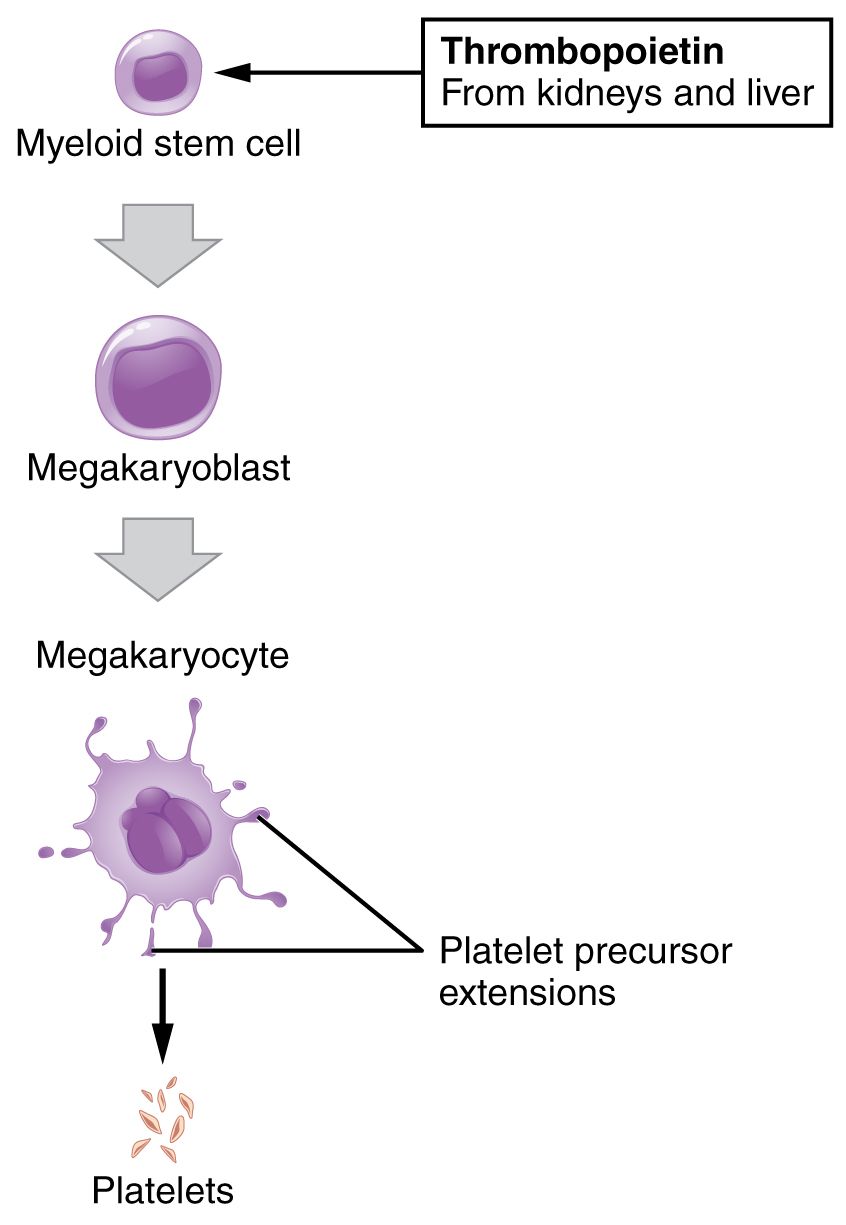
Two kinds of clot, two kinds of drug
Here is the distinction that makes this section click. Clots in fast-moving arterial blood are built mostly of platelets — they form on a ruptured atherosclerotic plaque and cause heart attacks and most strokes. Clots in slow-moving venous blood are built mostly of fibrin — they form in a leg vein or a fibrillating atrium and cause DVT, PE, and cardioembolic stroke. That is why a patient with a coronary stent goes home on aspirin and clopidogrel while a patient with atrial fibrillation goes home on apixaban. Different clot, different drug. Giving the wrong one is not a small miss.
Aspirin and the P2Y12 inhibitors
Aspirin irreversibly acetylates cyclooxygenase-1 (COX-1) inside the platelet, shutting off thromboxane A2, the signal platelets use to recruit and aggregate one another. "Irreversibly" is the whole story: a platelet has no nucleus, so it cannot make new COX. That single dose disables that platelet for its entire 7–10 day lifespan, and the effect only wears off as the marrow releases fresh platelets. Practical consequences: a low dose (81 mg) is enough for prevention, aspirin is typically held about 7 days before elective surgery, and a patient who took aspirin this morning is still "aspirinized" next week. In suspected MI, the patient chews a non-enteric-coated tablet — 162–325 mg, commonly four 81 mg tablets or one 325 mg tablet — because chewing gets it absorbed in minutes when minutes matter, and an enteric coating defeats the whole point.
Aspirin's costs are GI: dyspepsia, ulcers, and GI bleeding, plus tinnitus as an early sign of salicylate toxicity. It is contraindicated in children and teens with viral illness because of Reye syndrome, and it is avoided in aspirin-exacerbated respiratory disease (the asthma/nasal polyp/aspirin triad).
Clopidogrel (Plavix) blocks the platelet's P2Y12 ADP receptor — a different aggregation signal, which is why aspirin plus clopidogrel is genuinely additive and is called dual antiplatelet therapy (DAPT). Clopidogrel is a prodrug that must be activated by CYP2C19; patients who are poor metabolizers, or who take a strong CYP2C19 inhibitor like omeprazole, get less protection (pantoprazole is the safer PPI pairing). Prasugrel is more potent but is contraindicated after prior stroke/TIA because of intracranial bleeding; ticagrelor is reversible, dosed twice daily, and famously causes dyspnea that is benign but alarming to patients — and its aspirin partner must stay at a low dose. The glycoprotein IIb/IIIa inhibitors (eptifibatide, tirofiban) block the final common step of aggregation and are IV, cath-lab drugs.
The most important DAPT teaching in nursing: a patient with a recent coronary stent must not stop DAPT on their own. Stopping early can thrombose the stent and cause a massive MI. If a dentist or surgeon wants it held, that decision goes back to cardiology — it is not a bedside call, and it is not the patient's call.
Thrombolytics — the clot-busters
Thrombolytics are the one group here that actually dissolves a clot. Alteplase (tPA) and tenecteplase (TNK) are tissue plasminogen activators: they convert plasminogen into plasmin, the enzyme that digests fibrin. That is fantastic when the fibrin is blocking a cerebral artery and catastrophic when the fibrin is the scab holding a recent surgical site together — and the drug cannot tell the difference. Every contraindication follows from that one fact.
Time is the drug. For acute ischemic stroke, IV alteplase is given within 3 hours of last known well, extended to 4.5 hours in selected patients; a noncontrast head CT must first rule out hemorrhage, because giving a thrombolytic into a bleeding brain is fatal. For STEMI, thrombolysis is the fallback when primary PCI cannot be delivered in time, ideally within 30 minutes of arrival. Absolute contraindications cluster around bleeding you cannot compress: any prior intracranial hemorrhage, known cerebral vascular malformation or malignancy, ischemic stroke within 3 months, active internal bleeding, suspected aortic dissection, significant closed head trauma within 3 months.
Nursing during and after a thrombolytic is essentially a bleeding watch with a neuro exam stapled to it. Establish IV access, draw labs, and place any lines before the infusion. Then leave the patient alone: no arterial punctures, no IM injections, no indwelling catheter or NG placement unless truly necessary, hold pressure far longer than usual. Frequent neuro checks and blood pressure — BP is kept below the ordered threshold because hypertension on tPA drives hemorrhagic conversion. A sudden headache, vomiting, altered mental status, or a new neuro deficit means stop the infusion and call. Also keep bleeding precautions in mind: soft toothbrush, electric razor, no rectal temperatures or suppositories, fall precautions.
| Class | Prototype | Key effect | Nursing alert |
|---|---|---|---|
| COX-1 inhibitor | aspirin | Irreversibly blocks thromboxane A2 for the platelet's 7–10 day life | Chew 162–325 mg non-enteric for suspected MI. GI bleed, tinnitus. No aspirin in children with viral illness (Reye). Hold ~7 days pre-op. |
| P2Y12 inhibitor | clopidogrel | Blocks ADP-mediated aggregation; prodrug via CYP2C19 | Pair with pantoprazole, not omeprazole. Never stop DAPT after a stent without cardiology. |
| P2Y12 (others) | prasugrel, ticagrelor | More potent/reversible ADP blockade | Prasugrel contraindicated with prior stroke/TIA. Ticagrelor → dyspnea, BID dosing, low-dose ASA only. |
| GP IIb/IIIa inhibitor | eptifibatide, tirofiban | Blocks the final common aggregation step | IV, cath-lab; monitor platelets — can drop profoundly. |
| Other antiplatelet | cilostazol, dipyridamole | PDE inhibition → antiplatelet + vasodilation | Cilostazol for claudication; contraindicated in heart failure. Headache is common. |
| Thrombolytic | alteplase, tenecteplase | Plasminogen → plasmin → digests existing fibrin | Head CT first. Stroke window 3–4.5 h. Lines/labs before infusing. No punctures. Neuro + BP checks. Sudden headache = stop. |
- Arterial clots are platelet-rich (antiplatelets); venous clots are fibrin-rich (anticoagulants).
- Aspirin's COX-1 block is irreversible — one dose lasts that platelet's 7–10 day lifespan.
- Clopidogrel is a CYP2C19 prodrug; pair with pantoprazole, and never stop DAPT after a stent without cardiology.
- Alteplase actually dissolves fibrin: CT first, tight time window, lines before infusion, obsessive neuro and bleeding checks.
Section 3Hematopoietic agents and blood products
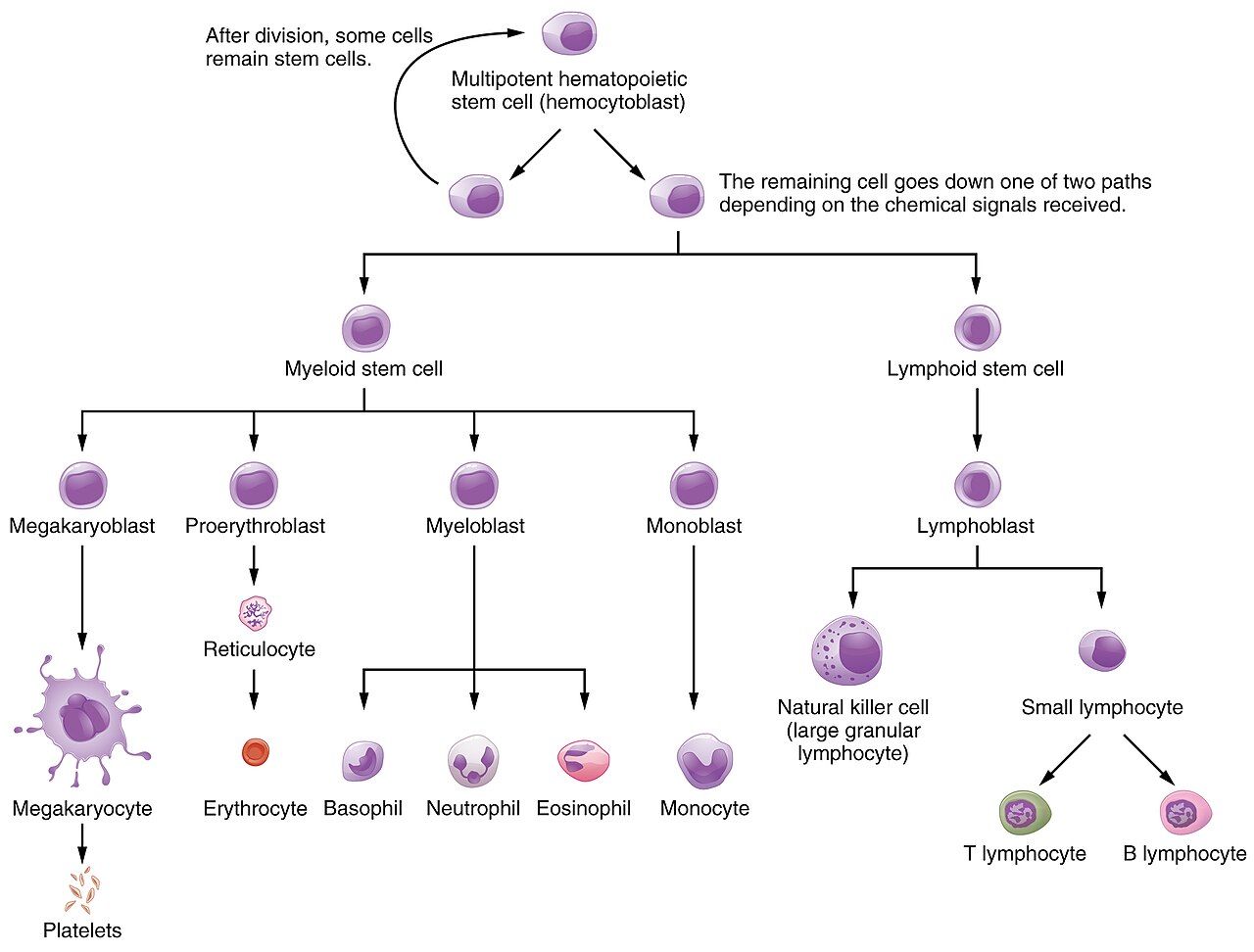
Pushing the marrow
Every blood cell descends from one hematopoietic stem cell in the bone marrow, and each branch of that family tree has its own growth-factor signal. Drug companies made recombinant copies of those signals, so we can now push a specific line: red cells with erythropoietin, neutrophils with filgrastim, platelets with romiplostim. These are not transfusions — they are instructions. They take days to weeks to work, and they only work if the marrow is capable of responding and has the raw materials on hand.
Erythropoiesis-stimulating agents (ESAs) — epoetin alfa (Epogen, Procrit) and the longer-acting darbepoetin alfa (Aranesp) — replace the erythropoietin a failing kidney can no longer make. They are used mainly in anemia of chronic kidney disease and in chemotherapy-induced anemia. Their boxed warning is one you must understand rather than memorize: pushing hemoglobin too high or too fast increases death, MI, stroke, venous thromboembolism, and tumor progression. Thicker blood clots. So we do not normalize hemoglobin — we use the lowest dose needed to avoid transfusion, and we hold or reduce for a hemoglobin above roughly 11 g/dL or a rise of more than about 1 g/dL in 2 weeks. ESAs also raise blood pressure, so BP is checked before dosing. And ESAs fail without iron: you can shout at the marrow all day, but if there is no iron, ferritin, or transferrin saturation to work with, no hemoglobin gets built. Assess iron stores first. Do not shake the vial — it is a protein and shaking denatures it.
Filgrastim (Neupogen) is granulocyte colony-stimulating factor (G-CSF); it drives the marrow to pump out neutrophils, shortening the neutropenic window after chemotherapy and reducing febrile neutropenia. Pegfilgrastim (Neulasta) is the pegylated once-per-cycle version. Timing is the classic exam point: give it at least 24 hours after the chemotherapy dose, not with it — chemotherapy kills dividing cells, and you have just told the marrow to divide. The signature adverse effect is bone pain, often deep in the sternum and pelvis, and it is a sign the drug is working; it usually responds to acetaminophen or an NSAID (if not contraindicated). Watch for the rare but serious splenic rupture (left upper quadrant or shoulder-tip pain) and ARDS. The nursing outcome is measured with the absolute neutrophil count (ANC), not the white count. Sargramostim (GM-CSF) is broader; romiplostim and eltrombopag are thrombopoietin agonists for immune thrombocytopenia.
Blood products — when you cannot wait for the marrow
Growth factors take days. When a patient is bleeding now, you give them the cells. Each product answers a different question, and matching the product to the deficit is the point. Packed red blood cells carry oxygen. Platelets plug. Fresh frozen plasma supplies all the clotting factors. Cryoprecipitate is the concentrated fibrinogen fraction. Albumin holds volume in the vascular space and carries no clotting or oxygen benefit at all.
Transfusion safety is one of the most protocolized things a nurse does, and for good reason: the deaths come from human identification errors, not from the biology. The bones of it, always following your facility's policy: verify the order and consent; type and crossmatch; a large-bore IV (18–20 g for red cells); only 0.9% normal saline through the Y-tubing, because dextrose lyses cells and lactated Ringer's contains calcium that can clot the line; a two-person verification at the bedside comparing the patient's ID band, the unit, and the paperwork; baseline vital signs. Then start slowly and stay with the patient for the first 15 minutes, because that is when a fatal acute hemolytic reaction announces itself. Recheck vitals per policy, complete each unit within 4 hours, and never add medication to blood.
Learn the reactions by their fingerprints. Acute hemolytic (ABO mismatch): within minutes — fever, chills, flank or back pain, dark urine, hypotension, a sense of impending doom. Febrile nonhemolytic: the most common — a fever rise with chills, from donor leukocytes. Allergic: hives and itching (mild) up to anaphylaxis (more likely in IgA deficiency). TACO (circulatory overload): dyspnea, crackles, JVD, hypertension — too much volume too fast, classically in the small, elderly, or heart-failure patient. TRALI: acute lung injury within 6 hours with dyspnea, hypoxia, and hypotension — and it is a leading cause of transfusion death. TACO and TRALI both drown the patient; the blood pressure is what separates them at the bedside.
The first action for any suspected reaction never changes: stop the transfusion, keep the IV open with normal saline using new tubing, assess and take vitals, and notify the provider and the blood bank. Send the unit, tubing, and the required samples back. Stopping first is not optional — every additional milliliter of an incompatible unit is more hemolysis.
| Product / agent | Prototype | Key effect | Nursing alert |
|---|---|---|---|
| ESA | epoetin alfa, darbepoetin | Stimulates red cell production (days–weeks) | Boxed warning: death, MI, stroke, VTE, tumor progression if Hgb pushed too high. Hold if Hgb > ~11. Check iron and BP. Don't shake the vial. |
| G-CSF | filgrastim, pegfilgrastim | Raises neutrophils → shortens neutropenia | Give ≥ 24 h after chemo. Bone pain = working. Follow the ANC. Splenic rupture is rare but real. |
| TPO agonist | romiplostim, eltrombopag | Raises platelet count in ITP | Monitor platelets; rebound thrombocytopenia on abrupt stop. |
| Packed RBCs | — | Restores oxygen-carrying capacity | Type & cross, NS only, two-person check, stay 15 min, finish in 4 h. |
| Platelets | — | Corrects thrombocytopenia / platelet dysfunction | Infuse briskly; never refrigerate; check post-transfusion count. |
| Fresh frozen plasma | — | Replaces all clotting factors | Must be thawed; ABO compatible; watch for TACO with volume. |
| Cryoprecipitate | — | Concentrated fibrinogen, VIII, XIII, vWF | Think fibrinogen replacement — DIC, massive transfusion. |
| Albumin | 5% / 25% | Pulls and holds fluid in the vascular space | No clotting factors, no oxygen carriage. Fluid overload risk — watch lungs. |
- Growth factors instruct the marrow and take days; blood products replace cells now.
- ESAs carry a boxed warning — don't normalize hemoglobin, check iron and BP, hold if Hgb > ~11 g/dL.
- Filgrastim goes at least 24 h after chemo; bone pain means it's working; follow the ANC.
- Transfusion: NS only, two-person ID check, stay 15 minutes, 4-hour limit, and stop first for any reaction.
- TACO = hypertensive overload; TRALI = hypotensive lung injury.
Section 4Blood pressure and antihypertensives
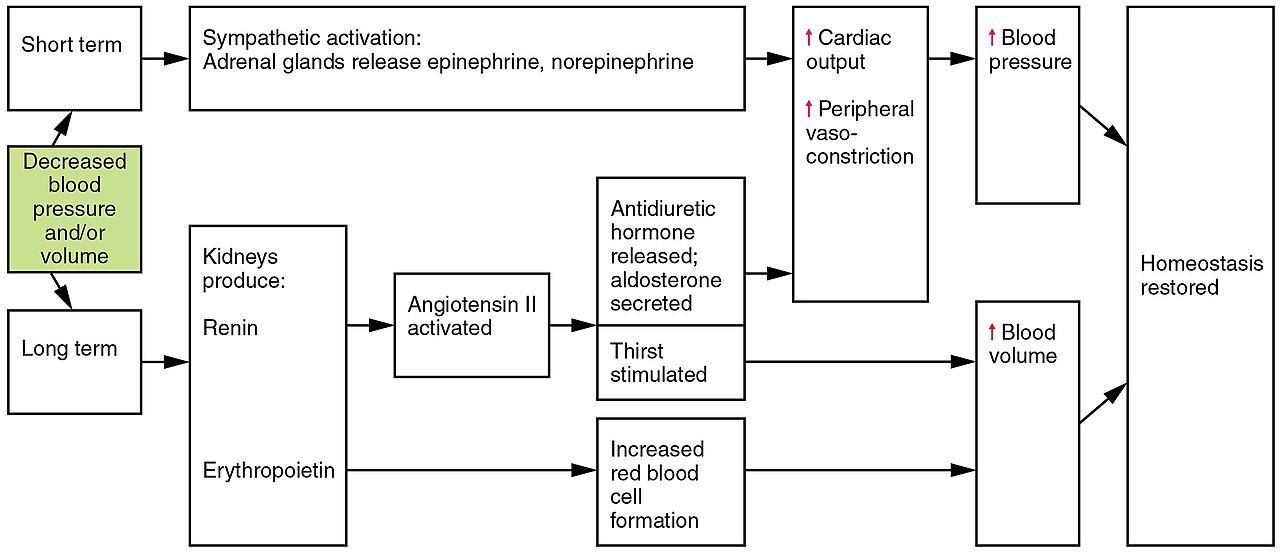
What actually sets the pressure
Every antihypertensive drug in existence works by moving one of two numbers in a single equation:
Blood pressure = cardiac output × systemic vascular resistance. And cardiac output is itself heart rate × stroke volume, where stroke volume depends on preload (the volume coming back), contractility (squeeze), and afterload (what the ventricle pushes against). So there are exactly four levers: drain the tank (diuretics reduce volume → preload), slow and soften the pump (beta-blockers reduce rate and contractility), widen the pipes (vasodilators, CCBs, ACE inhibitors, ARBs reduce resistance), or cut the hormonal signal telling the body to do all of the above (RAAS blockers). Once you see a drug's lever, you can predict both its benefit and its adverse effects without memorizing them separately.
The body defends its pressure with two systems you will fight constantly. The baroreceptor reflex is the fast one: stretch receptors in the carotid sinus and aortic arch sense a pressure drop within seconds and fire the sympathetic system — heart rate up, vessels constricted. This is the reflex that catches you when you stand up, and it is the reflex that produces reflex tachycardia when a vasodilator drops pressure abruptly. The RAAS is the slow one: the kidney senses low perfusion and releases renin, renin converts angiotensinogen to angiotensin I, ACE (largely in the lung) converts it to angiotensin II — a ferocious vasoconstrictor — and angiotensin II triggers aldosterone, which retains sodium and water, and ADH, which retains water. Pressure up. Blocking this loop at any point is the backbone of modern antihypertensive therapy.
Why bother? Because hypertension does its damage silently for decades and then presents as a stroke, a myocardial infarction, heart failure, kidney failure, or blindness. The patient feels nothing. That single fact — that the disease is invisible and the treatment has side effects the patient can feel — is the whole clinical problem, and it is the subject of the next section.
The classes, and what each one costs
Thiazide diuretics (hydrochlorothiazide, chlorthalidone) block the sodium-chloride symporter in the distal convoluted tubule; less sodium means less water, less volume, less preload, and over time some vasodilation. They are cheap, oral, first-line, and their price is metabolic: hypokalemia above all, plus hyponatremia, hypercalcemia, hyperuricemia (gout flares), hyperglycemia, and hyperlipidemia. Loop diuretics (furosemide) are stronger, work at the thick ascending limb of the loop of Henle, keep working in kidney impairment, and are the drug of volume overload and heart failure rather than routine hypertension; they waste potassium and calcium and can cause ototoxicity, especially when pushed IV too fast. Potassium-sparing agents (spironolactone, an aldosterone antagonist) hold potassium back — useful, and the reason spironolactone's main danger is hyperkalemia, along with gynecomastia. Give all diuretics in the morning so the patient is not up all night.
ACE inhibitors (lisinopril — the "-pril" family) block conversion of angiotensin I to II. Less angiotensin II means vasodilation and less aldosterone, and they are protective in heart failure, in diabetic kidney disease, and after MI. ACE also degrades bradykinin, so blocking it lets bradykinin build up — which is why 10–20% of patients get the maddening dry, hacking cough, and why a small number get angioedema, a swelling of the lips, tongue, and airway that is a true emergency. Because less aldosterone means less potassium excretion, expect hyperkalemia, and teach patients to avoid potassium-based salt substitutes. First-dose hypotension is real. ACE inhibitors are contraindicated in pregnancy — fetal renal injury and death.
ARBs (losartan — the "-sartan" family) block the angiotensin II receptor instead of the enzyme. Same downstream benefit, but bradykinin is untouched, so no cough — which is exactly why patients get switched from a "-pril" to a "-sartan." They still cause hyperkalemia and are still contraindicated in pregnancy. ACE inhibitors and ARBs are not combined.
Calcium channel blockers split into two personalities. The dihydropyridines (amlodipine — the "-dipine" family) act on vascular smooth muscle: pure vasodilation, so expect peripheral edema, flushing, headache, and reflex tachycardia. The non-dihydropyridines (diltiazem, verapamil) act on the heart too: they slow conduction and reduce contractility, so expect bradycardia, heart block, worsened heart failure, and verapamil's notorious constipation. Grapefruit juice raises levels of several of these.
Beta-blockers (metoprolol, atenolol — the "-olol" family) blunt sympathetic drive: heart rate down, contractility down, renin release down. Cardioselective agents (metoprolol, atenolol, bisoprolol) prefer beta-1 in the heart; nonselective agents (propranolol) also hit beta-2 and can bronchoconstrict in asthma. Watch for bradycardia, fatigue, and the sneaky one: beta-blockers mask the tachycardia and tremor of hypoglycemia, so a diabetic patient may lose their early warning (sweating still gets through). Never stop a beta-blocker abruptly — rebound tachycardia, hypertension, angina, even MI. Alpha-1 blockers (doxazosin — "-osin") relax vessels and the prostate, and cause a dramatic first-dose orthostatic syncope, so the first dose is given at bedtime. Central alpha-2 agonists (clonidine) reduce central sympathetic outflow, cause sedation and dry mouth, and cause severe rebound hypertension if stopped suddenly — patch and pill both. Direct vasodilators (hydralazine, minoxidil) relax arterioles directly and provoke reflex tachycardia and fluid retention, so they are usually paired with a beta-blocker and a diuretic. Sodium nitroprusside is the ICU emergency drip: near-instant, titrated to an arterial line, light-protected, and it can accumulate as cyanide/thiocyanate with prolonged high-dose use.
| Class | Prototype (suffix) | Key effect | Nursing alert |
|---|---|---|---|
| Thiazide diuretic | hydrochlorothiazide | ↓ Na/water → ↓ preload; first-line | Hypokalemia, hyponatremia, ↑ glucose, ↑ uric acid (gout). Dose in the morning. Sulfa cross-sensitivity. |
| Loop diuretic | furosemide | Potent volume removal; works in renal impairment | K and Ca loss; ototoxicity if pushed fast IV. Daily weight is the best measure. |
| K-sparing / aldosterone antagonist | spironolactone | Blocks aldosterone → keeps K | Hyperkalemia — no salt substitutes, no routine K supplement. Gynecomastia. |
| ACE inhibitor | lisinopril (-pril) | Blocks angiotensin I → II; renal + cardiac protection | Cough, angioedema (airway emergency), hyperkalemia, first-dose hypotension. Contraindicated in pregnancy. |
| ARB | losartan (-sartan) | Blocks the angiotensin II receptor | No cough — the swap for ACE intolerance. Still hyperkalemia; still contraindicated in pregnancy. |
| CCB — dihydropyridine | amlodipine (-dipine) | Vasodilation only | Peripheral edema, flushing, headache, reflex tachycardia. Grapefruit. |
| CCB — non-dihydropyridine | diltiazem, verapamil | Vasodilation + ↓ rate and contractility | Bradycardia, heart block, worsens HF. Verapamil → constipation. Hold for low HR per parameters. |
| Beta-blocker | metoprolol (-olol) | ↓ HR, ↓ contractility, ↓ renin | Bradycardia, fatigue; masks hypoglycemia; nonselective agents worsen asthma. Never stop abruptly. |
| Alpha-1 blocker | doxazosin (-osin) | Vasodilation; relaxes prostate | First-dose syncope — give at bedtime, rise slowly. |
| Central alpha-2 agonist | clonidine | ↓ Central sympathetic outflow | Sedation, dry mouth; severe rebound hypertension if stopped abruptly. Rotate patch sites. |
| Direct vasodilator | hydralazine, minoxidil | Direct arteriolar relaxation | Reflex tachycardia + fluid retention → usually paired with a beta-blocker and a diuretic. |
| Nitrovasodilator (IV) | nitroprusside | Immediate, titratable arterial + venous dilation | ICU only; arterial line; protect from light; cyanide/thiocyanate toxicity with prolonged high dose. |
- BP = CO × SVR; every antihypertensive drains volume, slows the pump, widens the pipes, or blocks the RAAS.
- The baroreceptor reflex defends pressure in seconds (reflex tachycardia); the RAAS defends it over hours.
- ACE inhibitors → cough, angioedema, hyperkalemia; ARBs → same benefit, no cough; both are contraindicated in pregnancy.
- Dihydropyridine CCBs → edema; non-dihydropyridines → bradycardia and constipation.
- Beta-blockers mask hypoglycemia and must never be stopped abruptly; clonidine causes rebound hypertension.
Section 5Antihypertensive nursing care
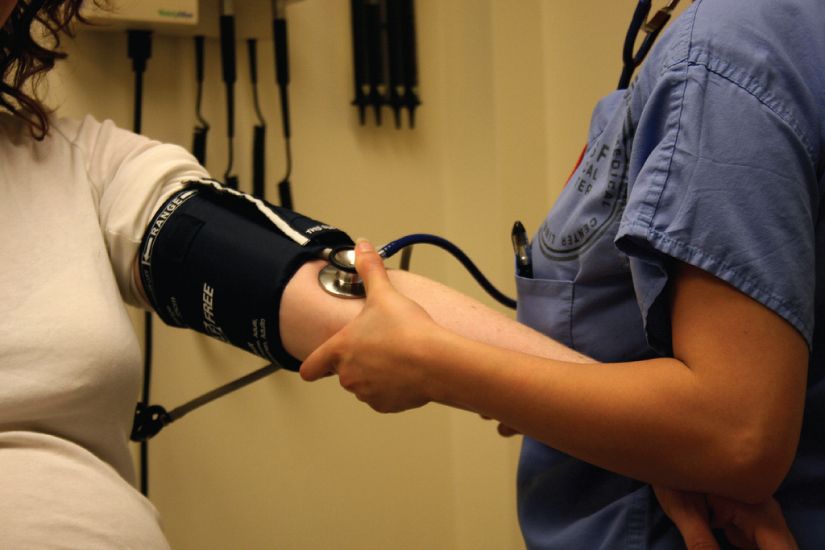
The number you write down is a nursing intervention
An antihypertensive is titrated against a number that you produce. If the number is wrong, the dose is wrong — and a bad technique can move a reading by 10 to 30 mmHg, which is more than most single drugs do. So the technique is not a formality:
- Cuff size is the biggest error. A cuff that is too small reads falsely high; too large reads falsely low. The bladder should encircle about 80% of the arm.
- Patient seated 5 minutes, back supported, feet flat on the floor (crossed legs raise the reading), arm bare and supported at heart level (a dangling arm reads high), and no talking during the reading.
- No caffeine, smoking, or exercise for 30 minutes; bladder empty.
- Take two readings a minute or more apart and average them. Check both arms at the initial visit and use the higher arm thereafter.
- Know your hold parameters before you pour the pill — and if there is no parameter for a drug that can bottom out a pressure, that is a question worth asking, not assuming.
Around the drug itself, follow the class-specific labs and vitals: potassium and renal function for ACE inhibitors, ARBs, spironolactone, and diuretics; apical pulse for a full minute before a beta-blocker or a non-dihydropyridine CCB (commonly hold for a pulse under 60 or per order); daily weight at the same time on the same scale in the same clothing for anyone on a diuretic — because a 1 kg change is about a liter of fluid and weight beats a lung exam for catching it early. Assess ankles for the amlodipine patient, ask about cough for the lisinopril patient, and look at the tongue and lips of anyone new on an ACE inhibitor.
Orthostatic hypotension: the side effect that breaks hips
Nearly every drug in the last section can drop a patient's pressure when they stand up. Orthostatic hypotension is a fall of ≥ 20 mmHg systolic or ≥ 10 mmHg diastolic within 3 minutes of standing, and it is not an academic definition — it is the mechanism behind the 3 a.m. fall, the fractured hip, the head bleed on the patient who is also anticoagulated. The physiology is simple: standing dumps about half a liter of blood into the legs, and the baroreceptor reflex normally corrects it in seconds. Beta-blockers blunt the heart-rate half of that reflex, alpha-blockers blunt the vasoconstriction half, and diuretics remove the volume the reflex needs to work with. The patient's own compensation has been pharmacologically disabled.
Measure it properly: BP and pulse supine after a few minutes of rest, then sitting, then standing at 1 minute and again at 3 minutes — and stay with the patient with a gait belt or a chair behind them, because the point of the test is to reproduce a near-faint. Ask about the symptom, not just the number: lightheadedness, gray or tunnel vision, a "wave" on standing.
What you teach is what protects them. Change positions slowly and use the three-stage rise: lie, then sit, then dangle the legs for a full minute, then stand with support. Pump the ankles before rising. Rise from a hot shower or a big meal with extra care — both pool blood away from the brain. First doses and dose increases — especially alpha-blockers — go at bedtime. Call for help before getting up at night; put the light on. Adequate fluid unless restricted, no alcohol on top of the drug, and compression stockings if ordered. And keep the environment honest: bed low, call light in reach, path clear, non-skid footwear.
Adherence: the hardest part of the whole chapter
Roughly half of patients on long-term antihypertensives are not taking them as prescribed a year in, and it is not because they are careless. Look at it from their side: the disease has no symptoms, and the drug has plenty. Before you were treated you felt fine; now you are dizzy, tired, coughing, urinating all day, swollen at the ankles, and possibly having sexual side effects nobody warned you about — all to prevent a stroke you cannot imagine having. Stopping is a rational response to that math. Your job is to change the math, not to lecture.
What actually helps: name the trade honestly ("this doesn't make you feel better — it keeps you from having a stroke"); predict the side effects out loud so that when they arrive they feel expected rather than like a betrayal; teach that a side effect is a reason to call, not to quit (a cough becomes an ARB; edema becomes a lower dose); pair the dose with something they already do every day; hand them a home BP log, because a patient with numbers becomes a participant instead of a subject; simplify to once-daily or combination pills where possible; and ask about cost, plainly, because the most common reason a prescription is not taken is that it was never filled.
And teach the non-negotiables. Never stop a beta-blocker or clonidine abruptly — rebound hypertension, tachycardia, angina, MI, and with clonidine a hypertensive crisis. No potassium salt substitutes on an ACE inhibitor, ARB, or spironolactone. Beware over-the-counter NSAIDs (they blunt antihypertensives and stress the kidney) and decongestants like pseudoephedrine (they raise pressure). Grapefruit juice with certain CCBs. Get up slowly, always. Report a persistent cough, any facial or tongue swelling (go to the ED), a pulse under 60, weight gain over 2–3 lb in a day or 5 lb in a week, or fainting. If pregnancy is possible, discuss it before starting an ACE inhibitor or an ARB. And do not stop taking it because the numbers look good — the numbers look good because of it.
| If the patient is on… | Assess / monitor | Teach |
|---|---|---|
| Thiazide or loop diuretic | K, Na, renal function, daily weight, I&O, orthostatics | Take in the morning; potassium-rich foods; report muscle cramps, weakness, palpitations; rise slowly. |
| Spironolactone | K (hyperkalemia), renal function | No salt substitutes or K supplements; report breast tenderness. |
| ACE inhibitor / ARB | K, creatinine, BP, cough, lips & tongue | Cough → call (switchable). Swelling of face/tongue → ED now. No salt substitutes. Not in pregnancy. |
| Amlodipine (dihydropyridine) | Ankle/pedal edema, BP, headache | Elevate legs; report worsening swelling; avoid grapefruit juice. |
| Diltiazem / verapamil | Apical pulse 1 full minute, BP, HF signs, bowel pattern | Report pulse < 60 or dizziness; fiber and fluid for constipation. |
| Beta-blocker | Apical pulse, BP, glucose in diabetics, wheeze | Never stop abruptly. Hypoglycemia may feel different — check the meter, don't trust the tremor. |
| Doxazosin / clonidine | Orthostatic BP, sedation, fall risk | First dose at bedtime; dangle before standing; never stop clonidine abruptly; rotate patch sites. |
- An accurate BP is an intervention: right cuff, 5 minutes of rest, feet flat, arm at heart level, no talking, average two readings.
- Orthostatic hypotension = ≥ 20 systolic or ≥ 10 diastolic drop within 3 minutes of standing — measure supine, sitting, standing at 1 and 3 min, and guard the patient.
- Teach the slow three-stage rise with a full minute of dangling; first doses of alpha-blockers at bedtime.
- Non-adherence is rational when the disease is silent and the drug is not — predict side effects, teach "call, don't quit," and use a home BP log.
- Never abruptly stop a beta-blocker or clonidine; avoid potassium salt substitutes, NSAIDs, and decongestants.
The chapter in one breath
- Hemostasis is vasoconstriction → platelet plug → fibrin mesh; nearly every drug here aims at thrombin or factor Xa, and nearly every one is high-alert.
- aPTT tracks heparin (antidote protamine); PT/INR tracks warfarin (antidote vitamin K, plus PCC for major bleeding); DOACs need no routine monitoring but do need renal dosing, adherence, and their own reversal agents.
- A falling platelet count on heparin is HIT — it clots rather than bleeds, and heparin comes off completely.
- Arterial clots are platelet-rich (aspirin, clopidogrel, DAPT after a stent — never stopped casually); venous clots are fibrin-rich (anticoagulants); only thrombolytics dissolve fibrin already formed, on a brutal clock and with a long list of contraindications.
- ESAs and filgrastim instruct the marrow over days — don't normalize hemoglobin, check iron and BP, and give G-CSF at least 24 hours after chemo; blood products replace cells now, under NS-only, two-person-check, stay-15-minutes, 4-hour rules.
- Any suspected transfusion reaction: stop the transfusion first. TACO is hypertensive overload; TRALI is hypotensive lung injury.
- BP = CO × SVR; drugs drain the tank, slow the pump, widen the pipes, or block the RAAS — and the suffix (-pril, -sartan, -dipine, -olol, -osin) tells you the class, the adverse effect, and the teaching.
- The nursing work of hypertension is an accurate cuff, an orthostatic assessment, and an honest adherence conversation with a patient whose disease has never once made them feel sick.
ReferenceWords worth knowing
A quick reference for the terms in this chapter — skim it now, or circle back whenever a word trips you up.
- Absolute neutrophil count (ANC)
- The number of infection-fighting neutrophils in circulation; the value that tells you whether filgrastim is working and whether a patient is neutropenic.
- Afterload
- The resistance the ventricle must push against to eject blood; lowered by vasodilators, CCBs, ACE inhibitors, and ARBs.
- Angioedema
- Rapid swelling of the lips, tongue, face, or airway; an airway emergency and an absolute reason to stop an ACE inhibitor permanently.
- Anticoagulant
- A drug that prevents fibrin clots from forming or extending — it does not dissolve an existing clot.
- Antiplatelet
- A drug that keeps platelets from aggregating; the treatment for platelet-rich arterial clots.
- aPTT
- Activated partial thromboplastin time — the test that follows the intrinsic and common pathways, used to monitor unfractionated heparin.
- Baroreceptor reflex
- The second-to-second reflex from the carotid sinus and aortic arch that restores blood pressure by raising heart rate and constricting vessels; blunted by many antihypertensives.
- Cardiac output
- Heart rate × stroke volume; one of the two factors that, with systemic vascular resistance, determines blood pressure.
- DAPT (dual antiplatelet therapy)
- Aspirin plus a P2Y12 inhibitor, standard after coronary stenting; stopping it early risks stent thrombosis.
- DOAC
- Direct oral anticoagulant — dabigatran (thrombin) or the "-xaban" agents (factor Xa); no routine monitoring, renally dosed, with specific reversal agents.
- Fibrinolysis
- Breakdown of a fibrin clot by plasmin; the process thrombolytics accelerate.
- Hemostasis
- The body's stepwise stopping of bleeding: vasoconstriction, platelet plug, then a reinforcing fibrin mesh.
- Heparin-induced thrombocytopenia (HIT)
- An immune reaction to heparin, usually 5–10 days in, that drops platelets by ≥ 50% and paradoxically causes thrombosis; all heparin must stop.
- High-alert medication
- A drug that carries a heightened risk of significant harm when used in error — anticoagulants, thrombolytics, and IV antihypertensives all qualify.
- INR
- International normalized ratio — the standardized PT used to dose warfarin; usual target 2.0–3.0.
- Orthostatic hypotension
- A drop of ≥ 20 mmHg systolic or ≥ 10 mmHg diastolic within 3 minutes of standing; the mechanism behind medication-related falls.
- Preload
- The volume of blood returning to and stretching the ventricle before contraction; reduced by diuretics and venodilators.
- RAAS
- Renin–angiotensin–aldosterone system — the hormonal loop (renin → angiotensin II → aldosterone) that raises blood pressure and that most first-line antihypertensives interrupt.
- Systemic vascular resistance (SVR)
- The resistance of the arterioles to blood flow; the "width of the pipes" half of the blood pressure equation.
- TACO
- Transfusion-associated circulatory overload — dyspnea, crackles, JVD, and hypertension from too much volume too fast.
- Thrombolytic
- A drug such as alteplase that converts plasminogen to plasmin and dissolves fibrin already formed; the highest-bleeding-risk drug class in this chapter.
- TRALI
- Transfusion-related acute lung injury — dyspnea and hypoxia with hypotension within 6 hours of transfusion; a leading cause of transfusion death.