Immunomodulators & Antineoplastic Agents
Most drugs help a patient by turning a body system up or down a little. The drugs in this chapter do something far more consequential: they rewrite the terms on which the immune system operates, or they poison cell division itself. That power is exactly why they work — a transplanted kidney survives, a lupus flare quiets, a lymphoma melts away — and exactly why they hurt. An immunosuppressed patient cannot mount a fever the way you expect. A chemotherapy patient loses the lining of the gut and the blood-forming marrow along with the tumor. This chapter walks you through the drugs that quiet immunity, the drugs that wake it up, and the drugs that kill dividing cells — and, at every step, what the nurse watches, teaches, and refuses to let slide.
By the end of this chapter you can
- Name the major immunosuppressant classes, their prototypes, and their signature adverse effects.
- Explain why infection is the defining risk of immunosuppression and how that changes your assessment.
- Distinguish immunostimulants, biologics, and the main vaccine types, and state who must not receive a live vaccine.
- Describe the cell cycle and contrast cell-cycle–specific with cell-cycle–nonspecific antineoplastics.
- Explain why chemotherapy damages normal rapidly dividing tissues, and predict which ones.
- Identify the five chemotherapy classes with their prototypes and class-defining toxicities.
- Manage myelosuppression, nausea and vomiting, mucositis, alopecia, and extravasation at the bedside.
- Apply hazardous drug handling precautions to protect yourself, the patient, and the family.
Section 1Immunosuppressants
Why we deliberately weaken a defense system
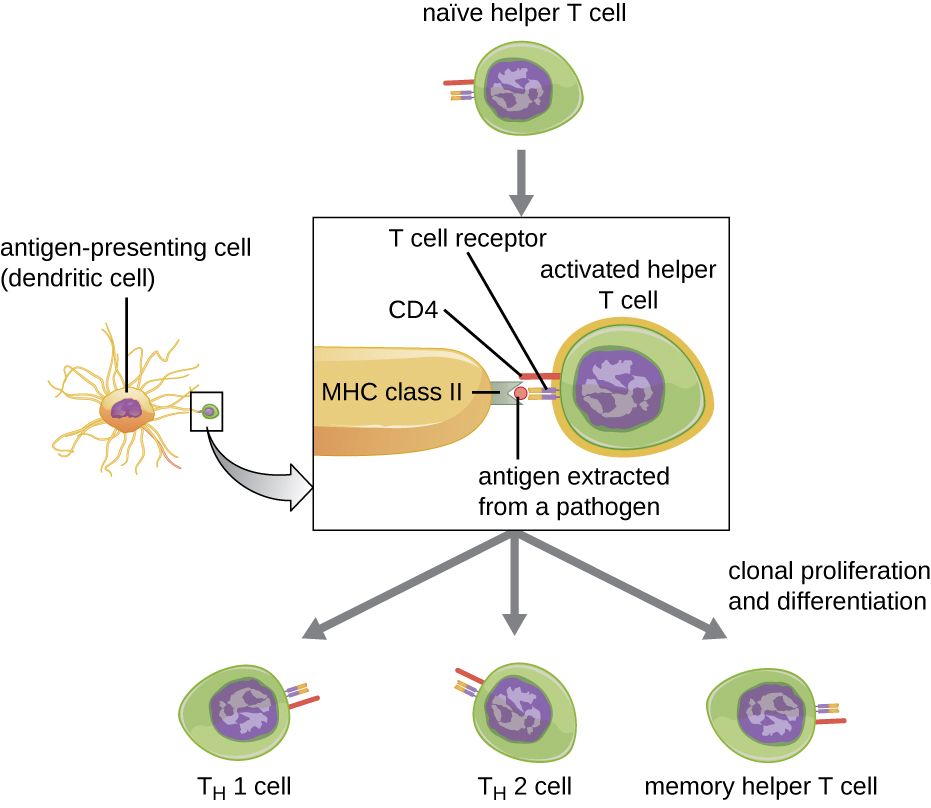
The immune system is superb at one job: telling self from not-self and destroying the not-self. That instinct becomes a problem in exactly two situations. In transplantation, the donated organ is not-self, and an untreated immune system will reject it within days. In autoimmune disease — rheumatoid arthritis, lupus, Crohn disease, multiple sclerosis, psoriasis — the system has misfiled the patient's own tissue as foreign and is attacking it. In both cases we give drugs to turn the response down. There is no free lunch here: every bit of immunity we take away is immunity that was also guarding against bacteria, viruses, fungi, and cancer cells.
Transplant regimens are usually built in two stages. Induction therapy is heavy and brief, given around the time of surgery — basiliximab (an interleukin-2 receptor antagonist) or antithymocyte globulin. Maintenance therapy is lifelong and usually combines three drugs from different classes at lower doses each: a calcineurin inhibitor, an antiproliferative, and a corticosteroid. Using three mechanisms at modest doses beats using one at a huge dose, because the toxicities do not stack in the same organ.
The classes worth knowing cold
Calcineurin inhibitors — cyclosporine and tacrolimus — are the backbone of transplant care. They block the calcineurin signal that a T cell needs to make interleukin-2, so the T cell never proliferates. Both have a narrow therapeutic index: too little and the graft rejects, too much and the kidneys fail. Trough levels are drawn immediately before the next dose, and the whole regimen lives or dies on the patient taking it at the same times every day. Both are metabolized by CYP3A4, which is why grapefruit juice, azole antifungals, and clarithromycin raise levels dangerously, while rifampin, phenytoin, and St. John's wort drop them toward rejection.
Antiproliferatives starve lymphocytes of the DNA building blocks they need to divide. Mycophenolate is the modern standard; azathioprine is older and carries one of the most famous interactions in pharmacology — giving allopurinol alongside it blocks xanthine oxidase, the enzyme that clears azathioprine's active metabolite, so drug levels climb and can cause catastrophic marrow failure. mTOR inhibitors (sirolimus, everolimus) spare the kidney but impair wound healing, so they are typically held in the immediate post-op period. Corticosteroids blunt nearly every arm of inflammation and are effective, cheap, and toxic in a dozen directions; they are tapered, never stopped abruptly, because chronic use suppresses the adrenal axis.
On the autoimmune side, low-dose methotrexate is the anchor drug for rheumatoid arthritis, and here is the fact that saves lives: it is dosed once weekly, not daily. Daily dosing of a weekly methotrexate order has killed patients. Folic acid is given on the other days to reduce mucositis and marrow toxicity. Biologic DMARDs — the TNF inhibitors etanercept, adalimumab, and infliximab — are extraordinarily effective and require latent tuberculosis screening before the first dose, because knocking out TNF lets walled-off TB break loose.
| Class | Prototype | Key effect | Nursing alert |
|---|---|---|---|
| Calcineurin inhibitor | Tacrolimus; cyclosporine | Blocks IL-2 production → T cells cannot proliferate | Narrow TI — trough levels before the dose; nephrotoxicity, hypertension, tremor, hyperkalemia; hyperglycemia (tacrolimus); gum overgrowth and hirsutism (cyclosporine); no grapefruit juice |
| Antiproliferative | Mycophenolate; azathioprine | Blocks purine synthesis → lymphocytes cannot divide | GI upset, leukopenia; mycophenolate is teratogenic (pregnancy prevention required); azathioprine + allopurinol = marrow failure |
| mTOR inhibitor | Sirolimus; everolimus | Blocks the growth signal downstream of IL-2 | Impaired wound healing, hyperlipidemia, mouth ulcers, pneumonitis; kidney-sparing |
| Corticosteroid | Prednisone; methylprednisolone | Broad anti-inflammatory and lymphocyte suppression | Hyperglycemia, osteoporosis, mood change, masks fever and infection; taper — never stop abruptly |
| Biologic (induction) | Basiliximab; antithymocyte globulin | Targets IL-2 receptor or depletes T cells at transplant | Infusion reactions; premedicate; monitor closely during and after the infusion |
| Antimetabolite DMARD | Methotrexate | Folate antagonist; anti-inflammatory at low dose | WEEKLY dosing — a daily order is a lethal error; give folic acid; monitor CBC, LFTs, creatinine; teratogenic |
| TNF inhibitor | Adalimumab; etanercept; infliximab | Neutralizes tumor necrosis factor | Screen for latent TB and hepatitis B before the first dose; serious infection and lymphoma risk; hold during active infection |
| JAK inhibitor | Tofacitinib; baricitinib | Blocks intracellular cytokine signaling (oral) | Boxed warning: serious infection, thrombosis, cardiovascular events, malignancy; monitor CBC and lipids |
Infection is the whole risk
An immunosuppressed patient does not present the way your textbook patient presents. Steroids blunt fever. Neutropenia removes the cells that make pus, so a wound infection may show no drainage and pneumonia may show a nearly clear chest film. The classic signs of inflammation are, in part, the immune system working — and you have turned it off. This means the threshold for concern drops through the floor: a low-grade temperature, a new cough, a sore throat, a small area of redness, or simply "I don't feel right" all get taken seriously and reported.
Prophylaxis is standard rather than optional in this population — typically trimethoprim–sulfamethoxazole against Pneumocystis jirovecii, an antiviral against cytomegalovirus, and an antifungal in high-risk patients. Live vaccines are contraindicated in significant immunosuppression, and they should be brought up to date before transplant or before starting a biologic. Long-term, these patients also carry a real excess risk of malignancy — skin cancer above all — so sunscreen, protective clothing, and annual skin checks are legitimate nursing teaching, not filler.
- Transplant regimens layer three classes at lower doses — calcineurin inhibitor, antiproliferative, corticosteroid — so toxicities do not stack.
- Calcineurin inhibitors have a narrow therapeutic index: trough levels, nephrotoxicity, CYP3A4 interactions, no grapefruit.
- Methotrexate is weekly; azathioprine plus allopurinol causes marrow failure; TNF inhibitors require TB screening first.
- Immunosuppressed patients hide infection — blunted fever, no pus — and must not receive live vaccines.
Section 2Immunostimulants and vaccines
Drugs that wake the immune system up
If immunosuppressants turn the dial down, immunostimulants turn it up — either by rebuilding cells the immune system has lost, or by releasing a brake that a tumor has been exploiting. The most common ones you will hang are the colony-stimulating factors. Filgrastim and its long-acting cousin pegfilgrastim are manufactured versions of G-CSF; they tell the marrow to pump out neutrophils and are given after chemotherapy to shorten the window of dangerous neutropenia. The classic side effect is deep, aching bone pain — the marrow is literally working overtime — and it is usually managed with acetaminophen or an NSAID rather than by stopping the drug. Timing matters: these are given at least twenty-four hours after chemotherapy, never alongside it, because you do not want to hand freshly stimulated dividing marrow cells to a drug that kills dividing cells.
Erythropoiesis-stimulating agents (epoetin alfa, darbepoetin) raise hemoglobin but carry a boxed warning: pushed too high, they shorten survival in some cancers and cause thrombosis and stroke. They are used at the lowest dose that avoids transfusion, not to make the number look pretty. Interferons (interferon alfa-2b; interferon beta for multiple sclerosis) reliably produce flu-like symptoms — fever, chills, myalgia — and can cause depression severe enough to require screening. Interleukin-2 (aldesleukin) is powerful and dangerous, with capillary leak syndrome as its defining toxicity.
The most important recent class is the immune checkpoint inhibitors — pembrolizumab and nivolumab (anti–PD-1), atezolizumab (anti–PD-L1), and ipilimumab (anti–CTLA-4). Tumors survive partly by pressing the immune system's own "stand down" buttons; these drugs cut that wire. The result is a reawakened immune system that sometimes attacks the patient too, producing immune-related adverse events: colitis, pneumonitis, hepatitis, thyroiditis, dermatitis, hypophysitis. Any new diarrhea, cough, or shortness of breath in a patient on a checkpoint inhibitor is reported — these are treated with corticosteroids, and delay does real harm.
A quick decoder for biologic names, because it genuinely helps: -mab means monoclonal antibody, -cept means a receptor fusion protein, -nib means a small-molecule kinase inhibitor, and -kin or -grastim flags a cytokine or growth factor.
Vaccines: borrowing the memory without the disease
A vaccine is the most cost-effective drug there is. It shows the adaptive immune system a harmless preview of a pathogen so that memory B and T cells are already standing by when the real thing arrives — active immunity, slow to build but long-lasting. Contrast that with passive immunity, where we simply inject someone else's ready-made antibodies: immune globulin, Rho(D) immune globulin, rabies or tetanus immune globulin. Passive protection works within minutes and fades within weeks, because the patient made no memory of their own. Use active for prevention, passive for a threat that is already here.
| Vaccine type | Prototype | Key effect | Nursing alert |
|---|---|---|---|
| Live attenuated | MMR; varicella; rotavirus; intranasal influenza; yellow fever | Weakened but replicating organism — strongest, longest immunity | Contraindicated in pregnancy and significant immunosuppression; give before transplant or biologics, not during |
| Inactivated (killed) | Hepatitis A; injectable polio (IPV); rabies | Whole organism, killed — cannot replicate | Safe in immunosuppression; often needs boosters |
| Subunit / recombinant | Hepatitis B; HPV; recombinant zoster (Shingrix) | Only the pieces that matter, made in the lab | Safe in immunosuppression; recombinant zoster is notably reactogenic — warn about arm soreness and a day of feeling rough |
| Toxoid | Tetanus; diphtheria (Td, Tdap) | Inactivated toxin — immunity to the poison, not the bug | Booster every 10 years; Tdap in every pregnancy (27–36 weeks) to protect the newborn |
| Conjugate | Hib; pneumococcal (PCV); meningococcal | Sugar coat linked to a protein so infant immune systems respond | Essential for the very young and the asplenic |
| mRNA / viral vector | COVID-19 vaccines | Delivers the instructions; the patient's cells make the antigen | Not a live vaccine and does not alter DNA — a common patient question worth answering plainly |
| Passive (not a vaccine) | Immune globulin; Rho(D) immune globulin | Borrowed antibodies — immediate, temporary | Works within minutes, no memory made; used after exposure or for Rh-negative mothers |
Vaccine administration is a nursing skill with a few non-negotiables. Give the Vaccine Information Statement before the injection and document that you did. Have epinephrine immediately available and observe for at least fifteen minutes afterward, longer if there is any history of reaction. Document lot number, expiration, site, and route — this is one of the few places where charting is itself a public health function. Teach that soreness, a low-grade temperature, and fatigue for a day mean the vaccine is working, and treat them with acetaminophen; do not give aspirin to a child. And know the real contraindications from the false ones: a serious allergy to a vaccine component or a previous anaphylactic reaction is a genuine contraindication; a mild cold, a runny nose, breastfeeding, or a family history of reactions is not.
- Filgrastim/pegfilgrastim rebuild neutrophils after chemo — expect bone pain, and never give within 24 hours of chemotherapy.
- Checkpoint inhibitors (pembrolizumab, nivolumab, ipilimumab) release the immune brake; new diarrhea or dyspnea means an immune-related adverse event until proven otherwise.
- Live vaccines (MMR, varicella, rotavirus, LAIV, yellow fever) are contraindicated in pregnancy and immunosuppression.
- Active immunity (vaccines) is slow and lasting; passive immunity (immune globulin) is immediate and temporary.
Section 3Antineoplastic principles
The cell cycle, and why it is the target
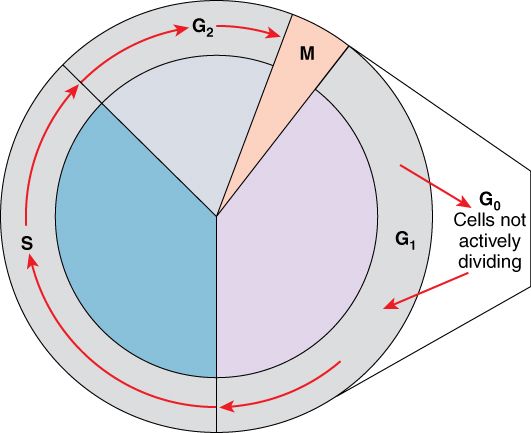
Cancer is, at bottom, a disease of division that will not stop. So the oldest and still most widely used strategy against it is to attack division itself. To understand where each drug lands, you need the cycle. G1 is growth: the cell enlarges and manufactures the enzymes it will need. S is synthesis: DNA is copied, and the cell is at its most chemically vulnerable here. G2 is the second growth phase, building the spindle apparatus and proofreading the new DNA. M is mitosis, when the chromosomes are pulled apart and the cell splits in two. And G0 is the resting state — the cell is alive and working but not dividing. G0 is the hiding place. Cell-cycle–specific drugs cannot touch a cell in G0 at all, and even the nonspecific ones work on it poorly — a resting cell is not copying DNA and has time to repair the damage it does take. That sanctuary is a large part of why cancers relapse years later.
That geography splits antineoplastics into two groups. Cell-cycle–specific (CCS) drugs only work on a cell that is in a particular phase: antimetabolites act in S, mitotic inhibitors act in M, bleomycin acts in G2. Because they need to catch the cell in the act, they work best against fast-growing tumors and are often given as a continuous infusion or in divided doses to widen the window. Cell-cycle–nonspecific (CCNS) drugs — alkylating agents, most antitumor antibiotics (the anthracyclines, dactinomycin, mitomycin), and platinum compounds — damage DNA whenever they find it, including in G0. Bleomycin is the antitumor-antibiotic exception: it is cell-cycle–specific and acts predominantly in G2. The nonspecific agents are typically given as a single large bolus, because the damage is dose-dependent rather than timing-dependent.
Log kill, growth fraction, and why chemo comes in cycles
Here is the idea that explains the entire structure of a chemotherapy regimen: a given dose of a drug kills a constant percentage of tumor cells, not a constant number. This is the log kill hypothesis, sometimes called fractional kill. If a dose kills 99.9 percent of a billion cancer cells, a million are still alive. The next cycle kills 99.9 percent of the million, leaving a thousand. You can see immediately why one round is never enough, why the schedule is a schedule and not a suggestion, and why a patient who feels wonderful after two cycles still needs the other four.
The gaps between cycles are equally deliberate. Normal marrow recovers from chemotherapy faster than tumor does, so a rest period of two to three weeks lets the patient's blood counts climb back while the tumor gets comparatively less benefit. Combination chemotherapy follows the same logic from a different angle: drugs are chosen with different mechanisms, different resistance patterns, and — crucially — non-overlapping toxicities, so that no single organ takes the whole hit. Dosing is calculated by body surface area in mg/m2 rather than by weight, and carboplatin is dosed by target AUC using the patient's renal function. Small errors in these calculations are not small; this is why chemotherapy orders require an independent double-check by a second qualified clinician.
Why chemotherapy hurts the patient too
Traditional chemotherapy cannot tell a cancer cell from a healthy cell. It can only tell a dividing cell from a resting one. That is the entire tragedy of the drug class in one sentence — and it lets you predict every major side effect before you ever open the drug book. Ask yourself which normal tissues in the body divide fast, and you have your answer.
| Fast-dividing normal tissue | What chemo does to it | What the patient and nurse see |
|---|---|---|
| Bone marrow | Halts production of neutrophils, platelets, RBCs | Myelosuppression — infection risk, bleeding, fatigue; the dose-limiting toxicity of most regimens |
| GI mucosa (mouth to anus) | Lining is not replaced as it sloughs | Mucositis, stomatitis, esophagitis, diarrhea, nausea |
| Hair follicles | Matrix cells stop dividing; the shaft breaks | Alopecia — scalp, brows, lashes, body; temporary |
| Gonadal germ cells | Sperm and oocyte production impaired | Infertility, sometimes permanent — discuss banking before treatment starts |
| Skin and nails | Basal layer and nail matrix disrupted | Rash, photosensitivity, ridged or darkened nails, hand–foot syndrome |
| Fetal cells | Everything is dividing | Teratogenicity — pregnancy must be excluded; effective contraception is required |
Two more principles round out the picture. Growth fraction — the proportion of a tumor's cells actively cycling — predicts responsiveness: leukemias and lymphomas with high growth fractions melt away, while slow, bulky solid tumors respond far less. And drug resistance develops, most notoriously through multidrug resistance proteins such as P-glycoprotein, which sit in the cell membrane and pump the drug straight back out. Resistance is another reason we combine drugs and another reason we do not stretch out the schedule.
- The cycle is G1 → S → G2 → M, with G0 as the resting phase that cell-cycle–specific drugs cannot reach at all and nonspecific drugs reach poorly — the source of relapse.
- CCS drugs hit one phase (antimetabolites in S, mitotic inhibitors in M); CCNS drugs damage DNA in any phase, including G0.
- The log kill hypothesis — each dose kills a percentage, not a number — is why treatment comes in repeated cycles and why finishing the regimen matters.
- Chemo cannot distinguish cancer from healthy; it distinguishes dividing from resting, which is why marrow, gut, hair, and gonads suffer.
Section 4Chemotherapy classes
Damaging the DNA: alkylating agents and antitumor antibiotics
Alkylating agents are the oldest class — descendants of the sulfur mustard gas of the First World War, whose habit of destroying the bone marrow of exposed soldiers was the clue that led to the nitrogen mustards being tried against lymphoma in the 1940s. They attach an alkyl group to DNA, cross-linking the strands so the double helix can no longer unzip and copy itself. They are cell-cycle–nonspecific and broadly effective, and each subgroup carries a signature toxicity. Cyclophosphamide breaks down into acrolein, which sits in the bladder and burns it — hemorrhagic cystitis, prevented with aggressive hydration, frequent voiding, and the rescue agent mesna. Ifosfamide does the same and adds neurotoxicity. The nitrosoureas such as carmustine cross the blood–brain barrier (useful for brain tumors) and cause a notoriously delayed myelosuppression that nadirs four to six weeks out. The platinum compounds are grouped here by behavior: cisplatin is nephrotoxic, ototoxic, and one of the most emetogenic drugs in medicine; carboplatin trades that for marrow suppression; oxaliplatin produces a strange cold-triggered neuropathy — patients must be taught not to drink cold liquids or touch cold metal for days after a dose.
Antitumor antibiotics come from soil bacteria and intercalate into DNA, generating free radicals that shred it. The anthracyclines — doxorubicin, daunorubicin, epirubicin — are among the most useful drugs in oncology and among the most feared, because their cardiotoxicity is cumulative and largely irreversible. A lifetime dose ceiling (roughly 550 mg/m2 for doxorubicin) is tracked across the patient's entire history, a baseline ejection fraction is measured by echocardiogram or MUGA, and dexrazoxane may be given as a cardioprotectant. Doxorubicin is also a potent vesicant and turns urine red-orange for a day or two — harmless, but terrifying if nobody warned the patient. Bleomycin is the exception twice over: alone in this class it is cell-cycle–specific, acting in G2, and it causes almost no myelosuppression, causing instead pulmonary fibrosis, with its own cumulative lifetime limit and a baseline pulmonary function test.
Starving and stalling: antimetabolites and mitotic inhibitors
Antimetabolites are molecular impostors. They look enough like the natural building blocks of DNA that the cell picks them up and jams its own machinery — so they act in the S phase and are strongly cell-cycle–specific. Methotrexate blocks dihydrofolate reductase and starves the cell of folate; high-dose regimens are followed by leucovorin rescue, which restores folate to normal cells. Never give NSAIDs or salicylates with high-dose methotrexate — they delay its clearance and can cause fatal toxicity. 5-fluorouracil and its oral prodrug capecitabine cause mucositis, diarrhea, and the palms-and-soles redness of hand–foot syndrome. Cytarabine adds a distinctive cerebellar toxicity and a chemical conjunctivitis prevented with corticosteroid eye drops.
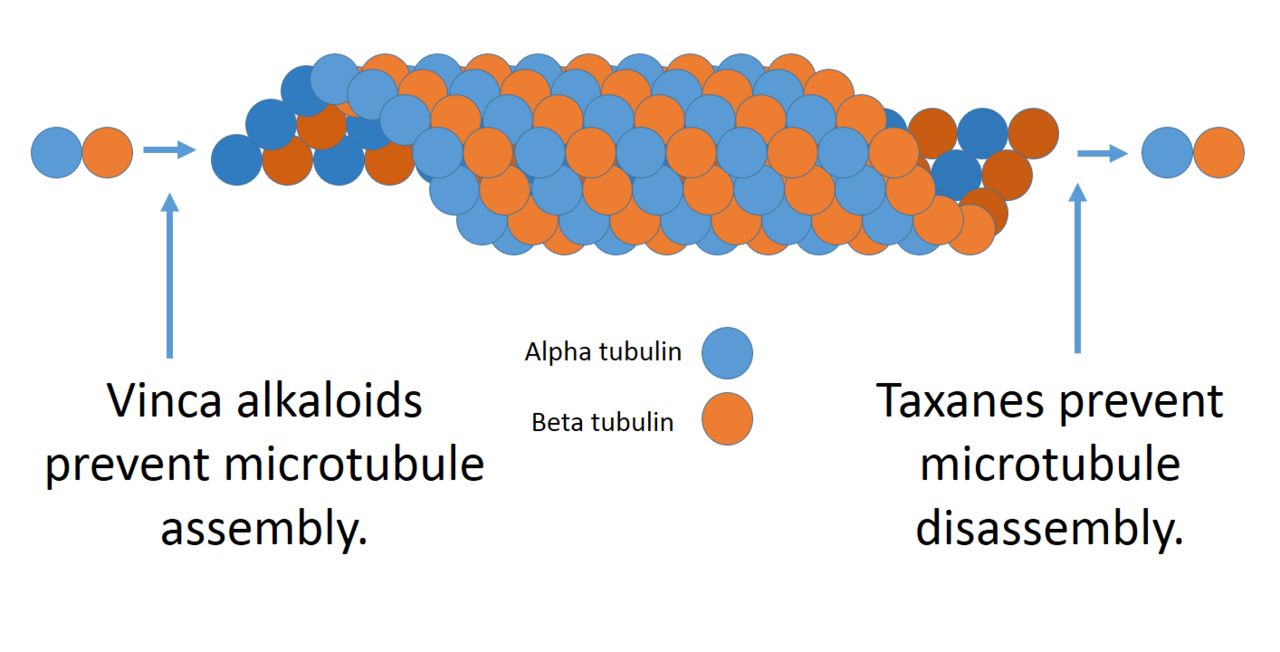
Mitotic inhibitors attack the spindle in the M phase, and they do it from opposite directions. The vinca alkaloids (vincristine, vinblastine) prevent microtubules from assembling; the taxanes (paclitaxel, docetaxel) do the reverse, freezing microtubules so they cannot disassemble. Either way, mitosis stops. Vincristine's dose-limiting problem is peripheral neuropathy — numb fingertips, foot drop, and an autonomic constipation that can progress to ileus, which is why a bowel regimen goes out with the drug. And vincristine carries the most absolute rule in oncology nursing: it is labeled "For intravenous use only — fatal if given by other routes," because intrathecal administration causes ascending paralysis and death. Taxanes cause hypersensitivity reactions from their solvent, so patients are premedicated with a corticosteroid, an antihistamine, and an H2 blocker, and paclitaxel is infused through non-PVC tubing with an in-line filter.
Aiming instead of carpet-bombing: targeted and hormonal therapy
Everything above kills dividing cells indiscriminately. Targeted therapy asks a better question: what is broken in this tumor specifically? Imatinib shuts down the BCR-ABL kinase that drives chronic myeloid leukemia and turned a fatal disease into a manageable one. Trastuzumab targets HER2-positive breast cancer and causes cardiotoxicity that is, unlike doxorubicin's, usually reversible — but the two together are a bad combination. Rituximab targets CD20 on B cells and can reactivate hepatitis B, so screening comes first. Bevacizumab starves tumors of blood supply by blocking VEGF, at the cost of hypertension, bleeding, impaired wound healing, and rare GI perforation. Targeted drugs are gentler on the marrow but not gentle — they simply trade one toxicity profile for another. Hormonal agents work the same logic on hormone-driven tumors: tamoxifen blocks estrogen at the breast (and raises the risk of endometrial cancer and clots), the aromatase inhibitors anastrozole and letrozole cut estrogen production in postmenopausal women (at the cost of joint pain and bone loss), and leuprolide suppresses testosterone in prostate cancer after an initial tumor flare.
| Class | Prototype | Key effect | Nursing alert |
|---|---|---|---|
| Alkylating agent | Cyclophosphamide | Cross-links DNA (CCNS) | Hemorrhagic cystitis — hydrate aggressively, void often, give mesna; report pink or red urine |
| Platinum compound | Cisplatin; carboplatin; oxaliplatin | Cross-links DNA (CCNS) | Cisplatin: nephro- and ototoxic, highly emetogenic — pre-hydrate, monitor creatinine and hearing; oxaliplatin: avoid all cold — drinks, air, metal |
| Antimetabolite | Methotrexate; 5-fluorouracil; cytarabine | Fake nucleotides jam DNA synthesis (S phase) | Leucovorin rescue after high-dose methotrexate; no NSAIDs/salicylates with it; mucositis and hand–foot syndrome; assess the mouth daily |
| Antitumor antibiotic | Doxorubicin | Intercalates DNA, generates free radicals (CCNS) | Cumulative irreversible cardiotoxicity — track lifetime dose, baseline echo/MUGA; potent vesicant; red-orange urine is harmless — warn the patient |
| Antitumor antibiotic | Bleomycin | DNA strand breaks (G2) | Pulmonary fibrosis with a lifetime dose limit; baseline PFTs; report any new cough or dyspnea; minimal myelosuppression |
| Vinca alkaloid | Vincristine | Blocks microtubule assembly (M phase) | FATAL IF GIVEN INTRATHECALLY — IV use only; peripheral neuropathy and constipation/ileus — start a bowel regimen; vesicant |
| Taxane | Paclitaxel; docetaxel | Freezes microtubules so mitosis cannot finish (M phase) | Hypersensitivity — premedicate with steroid, antihistamine, H2 blocker; non-PVC tubing with in-line filter; neuropathy |
| Topoisomerase inhibitor | Etoposide; irinotecan | Prevents DNA from re-sealing after unwinding | Irinotecan: early cholinergic diarrhea (atropine) vs late diarrhea (high-dose loperamide) — treat them differently |
| Targeted — kinase inhibitor | Imatinib; erlotinib | Blocks the specific driver signal in the tumor | Oral — adherence is the whole game; fluid retention, acneiform rash; many CYP3A4 interactions |
| Targeted — monoclonal antibody | Trastuzumab; rituximab; bevacizumab | Binds a surface marker or growth factor | Trastuzumab: cardiotoxicity (usually reversible) — monitor LVEF; rituximab: screen hepatitis B, infusion reactions; bevacizumab: hypertension, bleeding, poor wound healing |
| Hormonal | Tamoxifen; anastrozole; leuprolide | Removes the hormone signal a tumor depends on | Tamoxifen: VTE and endometrial cancer — report leg pain or vaginal bleeding; aromatase inhibitors: bone loss and arthralgia; leuprolide: expect an initial tumor flare |
- Alkylating agents and most antitumor antibiotics damage DNA in any phase (CCNS); antimetabolites (S), mitotic inhibitors (M) and bleomycin (G2) are phase-specific (CCS).
- Signature toxicities: cyclophosphamide → hemorrhagic cystitis (mesna); doxorubicin → cardiotoxicity; bleomycin → pulmonary fibrosis; vincristine → neuropathy and death if intrathecal; cisplatin → nephro/ototoxicity.
- Taxanes require premedication for hypersensitivity; irinotecan has two different diarrheas with two different treatments.
- Targeted and hormonal agents spare the marrow but bring their own risks — cardiac, hepatitis B reactivation, bleeding, clots, bone loss.
Section 5Chemotherapy toxicities and nursing care
Myelosuppression: the toxicity that limits the dose
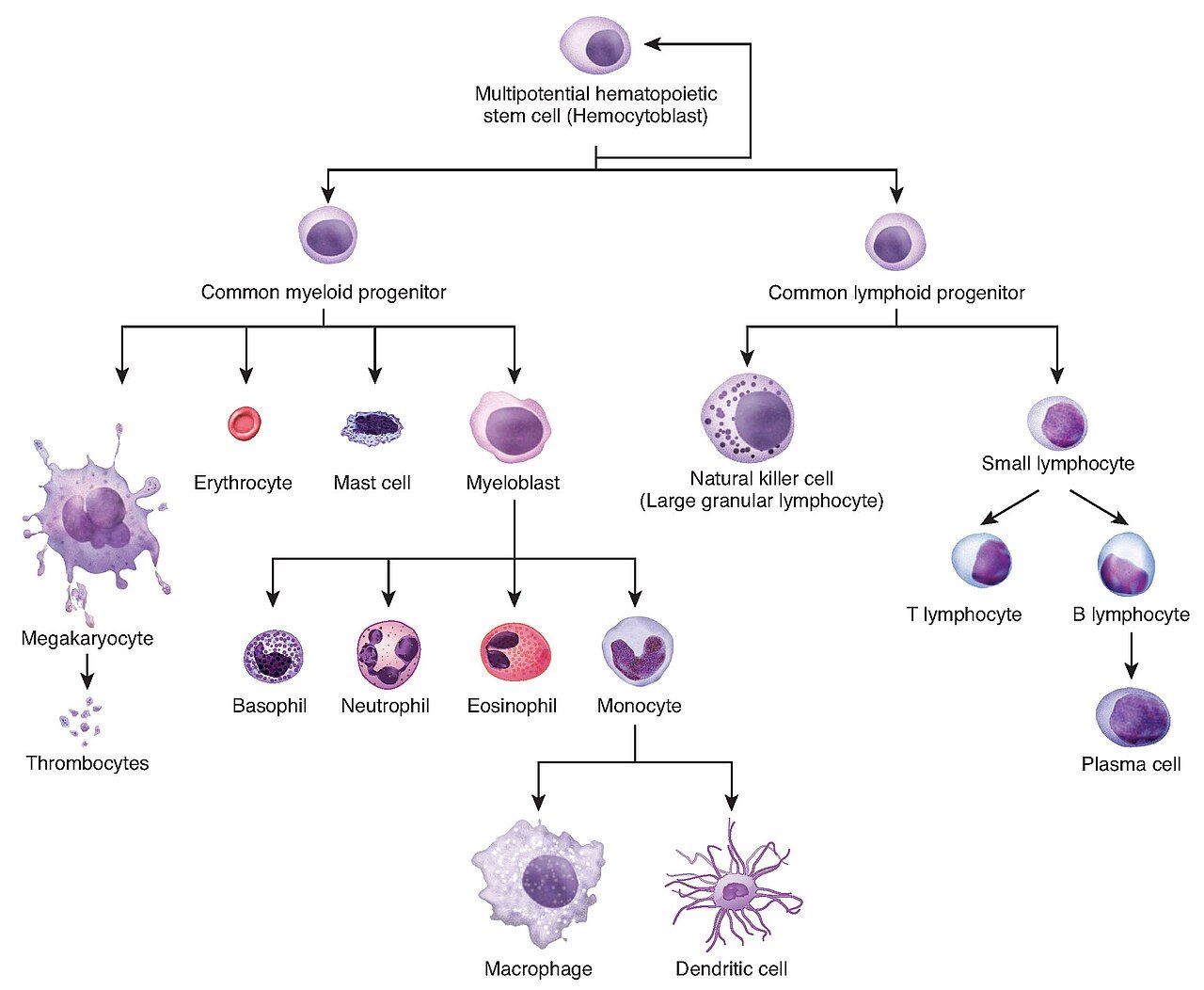
For most regimens, the marrow decides how much drug a patient can have. Counts fall after each cycle, hit bottom — the nadir — usually seven to fourteen days later, and recover over the following two to three weeks. The three cell lines fail on their own schedule, and each produces its own emergency.
Neutropenia is the deadliest. The absolute neutrophil count, not the white count, is what matters: an ANC below 1,000/mm3 is serious and below 500/mm3 is severe. Febrile neutropenia is an oncologic emergency — a single oral temperature of 38.3°C (101°F), or 38.0°C (100.4°F) sustained for an hour, in a neutropenic patient means blood cultures now and broad-spectrum antibiotics within one hour. Not after rounds. Not after the culture results. Within the hour, because there are no neutrophils to hold the line and a patient can go from a low fever to septic shock in a few hours. Teach the patient that fever at home means calling immediately and going to the emergency department, not waiting until morning.
Neutropenic precautions are largely about removing sources of organisms and removing breaks in the skin: meticulous hand hygiene by everyone, no fresh flowers or standing water, no unpasteurized or raw foods, no crowds or sick visitors, and — a favorite of exam writers because it is genuinely important — no rectal temperatures, suppositories, or enemas, since a tear in the rectal mucosa in a neutropenic patient is a direct line to the bloodstream. Thrombocytopenia brings bleeding precautions below roughly 50,000/mm3 and spontaneous bleeding risk below 20,000/mm3: electric razor, soft toothbrush, no aspirin or NSAIDs, no IM injections, no flossing, and fall prevention. Anemia is the least dramatic and the most complained about — profound fatigue, dyspnea on exertion, and a life shrunk down to the couch. Take it seriously; it is what patients remember.
Nausea, mouth, hair, and the things patients actually fear
Chemotherapy-induced nausea and vomiting comes in three flavors and they are managed differently. Acute emesis begins within a few hours. Delayed emesis starts more than twenty-four hours out and is the specialty of cisplatin and cyclophosphamide — patients get home, feel fine, and then are ambushed. Anticipatory nausea is conditioned: the patient vomits in the parking lot before the drug ever hangs, and the answer is a benzodiazepine such as lorazepam plus better control of the first cycle. The single most important principle is that antiemetics are given prophylactically and on a schedule, before the chemotherapy — never PRN, never chasing. Modern regimens combine a 5-HT3 antagonist (ondansetron — watch the QT interval), an NK-1 antagonist (aprepitant), dexamethasone, and often olanzapine.
Mucositis makes eating a misery and is a portal for infection. Assess the mouth every day, and teach a soft toothbrush, saline or sodium bicarbonate rinses several times daily, and no alcohol-based mouthwash — it is like pouring astringent on a burn. Oral cryotherapy (ice chips during a short 5-FU infusion) genuinely helps. Alopecia is not medically dangerous and is often the thing patients grieve most; it typically starts one to three weeks in, involves brows, lashes, and body hair as well as scalp, and it grows back — sometimes a different color or texture. Encourage choosing a wig or head covering before the hair falls, because matching it afterward is harder; scalp cooling reduces loss with some regimens. Teach scalp sun protection and gentle care.
Extravasation and the drugs you never take your eyes off
A vesicant is a drug that causes tissue necrosis if it leaks out of the vein. The anthracyclines, the vinca alkaloids, mechlorethamine, and mitomycin are the classic offenders, and the damage from a leak can go to tendon and bone and end in grafting or amputation. Prevention is the entire strategy: a central line for vesicants whenever possible, a fresh site with confirmed blood return, no site over a joint or in an antecubital fossa, and a nurse who stays and watches rather than starting it and stepping out.
If the patient reports burning or stinging, or you see swelling, redness, resistance to injection, or loss of blood return — stop the infusion immediately. Do not pull the needle out. Disconnect the tubing, attempt to aspirate residual drug through the catheter, notify the provider, mark and photograph the area, and elevate the limb. Then the antidote depends on which drug leaked, and the temperature is part of the antidote: for anthracyclines, apply cold and give dexrazoxane or topical DMSO; for vinca alkaloids, apply warm and give hyaluronidase. Cold for anthracyclines localizes the drug; warm for vincas disperses it. Reversing them makes the injury worse.
| Toxicity | Watch for | Nursing action |
|---|---|---|
| Febrile neutropenia | Temp 38.3°C once or 38.0°C for 1 hr; ANC <500 | Emergency — cultures then broad-spectrum antibiotics within 1 hour; no rectal temps, suppositories, or enemas |
| Thrombocytopenia | Platelets <50,000 (bleeding), <20,000 (spontaneous) | Electric razor, soft brush, no aspirin/NSAIDs, no IM injections, fall precautions |
| Nausea/vomiting | Acute, delayed (>24 hr), or anticipatory | Antiemetics scheduled before chemo; 5-HT3 + NK-1 + dexamethasone; lorazepam for anticipatory |
| Mucositis | Sore mouth, ulcers, dysphagia | Daily oral assessment, soft brush, saline/bicarb rinses; no alcohol-based mouthwash; ice chips with short 5-FU |
| Extravasation | Burning, swelling, no blood return, resistance | Stop, leave the needle in, aspirate, notify; anthracycline → cold + dexrazoxane; vinca → warm + hyaluronidase |
| Tumor lysis syndrome | Rising K+, phosphate, uric acid; falling calcium; AKI | Aggressive hydration, allopurinol or rasburicase, cardiac monitoring — highest risk in bulky, fast-growing tumors early in treatment |
| Infertility | Often permanent, especially alkylating agents | Raise sperm/oocyte banking before the first dose — afterward is too late |
Protecting yourself and the family
Chemotherapy agents are hazardous drugs: they are carcinogenic, mutagenic, or teratogenic to the people who handle them as well as to the patient. Preparation happens in a biological safety cabinet by trained pharmacy staff, never on a unit counter. Administration requires chemotherapy-rated double gloves and a lint-free, back-closing impermeable gown, eye protection when splashing is possible, and closed-system transfer devices. A spill kit stays where the drug is given, and all chemotherapy waste goes in the designated hazardous stream, not the regular sharps box. Nurses who are pregnant, trying to conceive, or breastfeeding should not handle these agents.
The precautions follow the patient home, because the drug leaves in body fluids. For roughly 48 hours after a dose, teach the family to wear gloves when handling urine, stool, vomit, or soiled linens; to close the toilet lid and flush twice; to wash contaminated laundry separately from the household's; and to wash hands thoroughly afterward. Say this out loud rather than handing over a pamphlet, and say why — families who understand the reason follow it, and families who think they are being told their loved one is "toxic" often feel shame instead. Finally, chemotherapy is a high-alert medication class: two qualified clinicians independently verify the order, the drug, the dose against the body surface area calculation, the route, and the patient's cumulative lifetime totals before anything is hung.
- The nadir arrives 7–14 days after a cycle; febrile neutropenia means cultures and antibiotics within one hour, and no rectal temps, suppositories, or enemas.
- Antiemetics are scheduled before chemotherapy, not PRN; delayed emesis (cisplatin) ambushes patients at home and anticipatory emesis responds to lorazepam.
- For extravasation: stop, leave the needle in, aspirate, notify — then cold for anthracyclines and warm for vinca alkaloids.
- Chemotherapy drugs are hazardous and high-alert: double gloves and gown, independent double-check, and body-fluid precautions at home for 48 hours.
The chapter in one breath
- Immunosuppressants keep a graft alive and quiet autoimmune disease by turning down the immune system — and every bit of immunity removed was also guarding against infection and cancer.
- Calcineurin inhibitors need trough levels and avoid grapefruit; methotrexate is weekly; azathioprine plus allopurinol is marrow failure; TNF inhibitors need TB screening first.
- Immunosuppressed patients hide infection — blunted fever, no pus — so any fever is an emergency, and live vaccines are contraindicated.
- Immunostimulants rebuild counts (filgrastim — bone pain) or release the brake (checkpoint inhibitors — immune-related colitis, pneumonitis, thyroiditis).
- Vaccines give slow, lasting active immunity; immune globulin gives immediate, temporary passive immunity; live vaccines are off-limits in pregnancy and immunosuppression.
- Chemotherapy targets the cell cycle; it cannot tell cancer from healthy, only dividing from resting — which predicts myelosuppression, mucositis, alopecia, and infertility.
- The log kill hypothesis — each dose kills a percentage, not a number — explains repeated cycles, rest periods, and combination therapy with non-overlapping toxicities.
- The class signatures: cyclophosphamide → hemorrhagic cystitis (mesna); doxorubicin → cumulative cardiotoxicity; bleomycin → pulmonary fibrosis; vincristine → fatal if intrathecal; cisplatin → nephro/ototoxicity.
- At the bedside: febrile neutropenia = antibiotics within one hour; antiemetics scheduled before the dose; for extravasation stop and leave the needle in, then cold for anthracyclines, warm for vincas; handle every agent as hazardous and high-alert.
ReferenceWords worth knowing
A quick reference for the terms in this chapter — skim it now, or circle back whenever a word trips you up.
- Absolute neutrophil count (ANC)
- The number of infection-fighting neutrophils per mm3; below 1,000 is serious, below 500 is severe neutropenia. The number that drives every precaution.
- Alkylating agent
- A cell-cycle–nonspecific drug that cross-links DNA so it cannot replicate; prototype cyclophosphamide.
- Antimetabolite
- A drug that mimics a normal DNA building block and jams synthesis in the S phase; prototypes methotrexate and 5-fluorouracil.
- Calcineurin inhibitor
- An immunosuppressant that blocks interleukin-2 production so T cells cannot proliferate; tacrolimus, cyclosporine.
- Cell-cycle–nonspecific (CCNS)
- Acts on cells in any phase, including resting G0; alkylating agents, most antitumor antibiotics (bleomycin is the cell-cycle–specific exception), platinums.
- Cell-cycle–specific (CCS)
- Acts only on cells in a particular phase; antimetabolites (S), mitotic inhibitors (M), bleomycin (G2).
- Checkpoint inhibitor
- A monoclonal antibody that releases the immune system's brakes on a tumor (pembrolizumab, nivolumab, ipilimumab); causes immune-related adverse events.
- Extravasation
- Leakage of a drug out of the vein into surrounding tissue; with a vesicant, this causes necrosis.
- Febrile neutropenia
- Fever in a neutropenic patient — an oncologic emergency requiring cultures and broad-spectrum antibiotics within one hour.
- G0 phase
- The resting state, where a cell is alive but not dividing; cell-cycle–specific drugs cannot reach it and nonspecific drugs reach it poorly, which is why cancers relapse.
- Hazardous drug
- An agent carcinogenic, mutagenic, or teratogenic to handlers as well as patients; requires double gloves, gown, closed systems, and dedicated waste.
- Immune-related adverse event (irAE)
- Autoimmune injury — colitis, pneumonitis, hepatitis, thyroiditis — caused by a checkpoint inhibitor; treated with corticosteroids.
- Leucovorin rescue
- Giving reduced folate after high-dose methotrexate to restore normal cells while the tumor stays starved.
- Live attenuated vaccine
- A weakened but replicating organism (MMR, varicella, rotavirus, LAIV, yellow fever); contraindicated in pregnancy and significant immunosuppression.
- Log kill hypothesis
- Each chemotherapy dose kills a constant percentage of tumor cells, not a constant number — the reason treatment comes in repeated cycles.
- Mesna
- A rescue agent that binds acrolein in the bladder, preventing the hemorrhagic cystitis caused by cyclophosphamide and ifosfamide.
- Mucositis
- Inflammation and ulceration of the GI lining, mouth to anus, from loss of rapidly dividing mucosal cells.
- Myelosuppression
- Chemotherapy-induced shutdown of bone marrow production → neutropenia, thrombocytopenia, anemia; the dose-limiting toxicity of most regimens.
- Nadir
- The lowest point blood counts reach after a chemotherapy cycle, typically 7–14 days out.
- Passive immunity
- Protection from borrowed, ready-made antibodies (immune globulin); immediate but temporary, with no memory formed.
- Tumor lysis syndrome
- Massive cell breakdown releasing potassium, phosphate, and uric acid, dropping calcium and injuring the kidney; prevented with hydration and allopurinol or rasburicase.
- Vesicant
- A drug that causes tissue necrosis if it extravasates — anthracyclines, vinca alkaloids, mechlorethamine, mitomycin.