Vitamins
Vitamins are the smallest things on your plate, yet they can change everything about how you feel. They give no energy at all: zero kilocalories per gram. Compare that with carbohydrate's 4, protein's 4, fat's 9 and alcohol's 7. Yet without tiny amounts of thirteen certain compounds, blood will not clot. Collagen will not hold. Nerves will not carry signals. Red blood cells will not mature. That is the puzzle worth thinking about. A nutrient can be needed in very small amounts and still be a must. This chapter walks through the two families of vitamins. It covers what each one really does inside a cell. It covers the classic deficiency diseases that taught us vitamins exist. And it covers where the evidence for supplements is strong and where it is thin. Along the way you will learn to read a Recommended Dietary Allowance the right way: which group, which units, and when the number shifts with age, sex or pregnancy.
By the end of this chapter you can
- Define a vitamin as an organic micronutrient, and explain why vitamins give no energy.
- Sort the fat-soluble (A, D, E, K) from the water-soluble (B complex and C) vitamins, and predict how solubility affects absorption, storage and the risk of too much.
- Give the main job, food sources, deficiency illness and toxicity picture for vitamins A, D, E and K.
- Describe the coenzyme role of the B vitamins and match each to its classic deficiency disease.
- Explain vitamin C's role in building collagen and absorbing iron, and recognize scurvy.
- Read an RDA, AI or UL correctly, naming the group, units and life-stage changes.
- Describe what changes bioavailability, including the food matrix, fat in the meal and cooking method.
- Tell strong from early evidence when judging a claim about a single-nutrient supplement.
Section 1What vitamins are
Organic, essential, and needed in tiny amounts
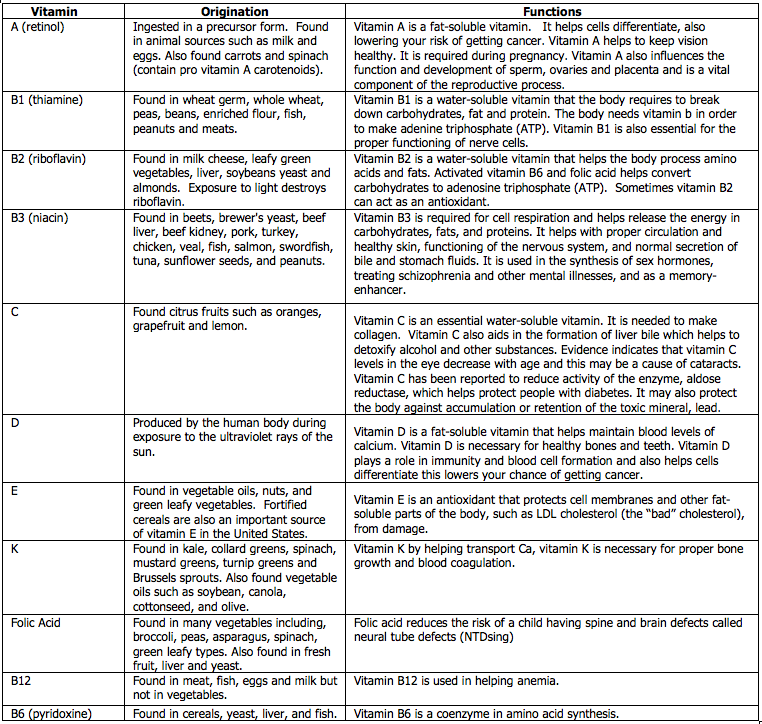
A vitamin is an organic compound. That means it contains carbon and is built by a living thing. The human body needs it in small amounts. The body cannot make it at all, or cannot make enough. So it must come from the diet. Each part of that definition does work. Organic sets vitamins apart from minerals such as calcium, iron and zinc. Minerals are single elements, and heat or light cannot destroy them. Small amounts puts vitamins in the micronutrient group. Intakes are measured in milligrams (mg) or micrograms (µg) per day, not the tens or hundreds of grams we use for the macronutrients. Essential means that if intake falls low enough for long enough, a certain deficiency disease appears every time. Fixing the shortage fixes the disease. That last rule is how each vitamin was discovered.
Here is a common mix-up. Vitamins do not give energy. Only three macronutrients and one non-nutrient do. Carbohydrate gives about 4 kcal per gram, protein about 4 kcal per gram, fat about 9 kcal per gram and alcohol about 7 kcal per gram. Vitamins give 0 kcal per gram. What they do instead is make energy release possible. Several B vitamins are built into the coenzymes that run the body's energy pathways. These pathways are called glycolysis, the citric acid cycle and the electron transport chain. A vitamin does not add fuel to the fire. It is part of the machine that burns the fuel. That is why "vitamins for energy" is a sales phrase, not a fact about the body. Fixing a real deficiency can bring energy back in a big way. Adding more vitamin on top of enough does not.
Two fine points keep the definition honest. First, humans can make some vitamin D in skin exposed to ultraviolet B (UVB) rays from the sun. Gut bacteria also make some vitamin K and biotin. So "cannot be made" is a near-rule, not an absolute one. Second, a few compounds sit at the edge of the group. Choline, for example, has an Adequate Intake (550 mg/day for adult men, 425 mg/day for adult women) and is essential. But it is usually listed separately, because the body makes a fair share of it.
The two families, and why solubility decides everything
Thirteen compounds count as vitamins for humans. They split cleanly by what they dissolve in. The four fat-soluble vitamins are A, D, E and K. They travel with fat from food. They need bile and pancreatic lipase to be absorbed well. They get packed into chylomicrons and travel in lymph. They are stored in the liver and fat tissue. The nine water-soluble vitamins are the eight B vitamins plus vitamin C. They dissolve in the watery inside of foods and of the body. They are mostly absorbed straight into the portal blood. They are stored only in small amounts. When intake is more than the body needs, they leave in urine.
From that one physical trait, a whole set of predictions follows. Fat-soluble vitamins build up. So a deficiency takes months to years to appear. But toxicity, or poisoning, is a real danger from strong supplements. Too much of a vitamin is called hypervitaminosis. Water-soluble vitamins turn over quickly. So a deficiency can develop in weeks to months, and intake needs to be regular. But extra is mostly flushed out, so toxicity is less common. "Less common" does not mean "impossible." Section 5 covers the important exceptions. One more result: anything that harms fat digestion puts the fat-soluble vitamins at risk long before it touches the water-soluble ones. Examples are cystic fibrosis, liver disease that blocks bile flow (cholestatic liver disease), weight-loss surgery on the stomach or gut (bariatric surgery), untreated celiac disease and some medicines that block fat.
| Trait | Fat-soluble (A, D, E, K) | Water-soluble (B complex, C) |
|---|---|---|
| Absorption | Needs fat in the meal, bile and micelles | Mostly direct; some need carriers (B12 needs intrinsic factor) |
| Transport | Chylomicrons and lipoproteins, by way of lymph | Free or bound to protein in portal blood |
| Storage | Large: liver and fat tissue | Small, except vitamin B12 (liver stores last years) |
| Removal | Poor; extra builds up | Easily flushed out in urine |
| How fast deficiency starts | Months to years | Weeks to months |
| Toxicity risk | Higher: A and D especially | Lower, but real for B6, niacin, folic acid, vitamin C |
| Cooking losses | Fairly heat-stable; lost when fat is poured off | Leach into cooking water; C and thiamin are harmed by heat |
Reading the reference values
Vitamin advice in North America comes from the Dietary Reference Intakes (DRIs), and the labels matter. An RDA (Recommended Dietary Allowance) is the intake that meets the needs of about 97 to 98% of healthy people in a certain life-stage and sex group. It is set on the generous side on purpose. It is a target for each person, not a line below which harm is sure. An AI (Adequate Intake) is used when the evidence is too thin to set an RDA. Vitamins K, B5 and B7 all have AIs instead of RDAs. A UL (Tolerable Upper Intake Level) is the highest daily intake, taken over a long time, that is unlikely to cause harm. It is not a goal. It is a ceiling. Every one of these numbers means nothing without its group and units. That is why this chapter always gives both.
- A vitamin is an organic micronutrient the body needs in mg or µg amounts and mostly cannot make.
- Vitamins give 0 kcal/g. Energy comes from carbohydrate (4), protein (4), fat (9) and alcohol (7) kcal/g.
- Fat-soluble vitamins A, D, E and K are stored and can build up to toxic levels. Water-soluble B vitamins and C turn over fast and need regular intake.
- RDA covers about 97 to 98% of a certain group. AI is used when evidence is limited. UL is a ceiling. All three depend on the group.
Section 2Fat-soluble vitamins
Vitamin A: vision, epithelium, and the one with a teratogenic ceiling
Vitamin A comes in two forms with different chemistry. Preformed vitamin A (retinol and retinyl esters) comes from animal foods. Liver is the richest, plus dairy fat, egg yolk and fortified foods. Provitamin A carotenoids come from deeply colored plants such as sweet potato, carrot, pumpkin, mango and dark leafy greens. The main one is beta-carotene, plus alpha-carotene and beta-cryptoxanthin. The wall of the intestine turns them into retinol, but only partly, and the amount varies. The two forms do not match gram for gram. So intakes are given in retinol activity equivalents (RAE). 1 µg RAE equals 1 µg of retinol, 12 µg of beta-carotene from food, or 24 µg of the other provitamin A carotenoids.
Vitamin A does three big jobs. First, as 11-cis-retinal joined to a protein called opsin, it forms rhodopsin. Rhodopsin is the pigment that lets the eye's rod cells see in dim light. Second, as retinoic acid, it acts like a hormone that turns genes on and off. It guides the growth of epithelial tissue, the covering and lining tissues: skin, the clear front of the eye (cornea), and the linings of the airways and gut. Third, it supports the immune system, partly by keeping those lining barriers whole. So a deficiency starts with night blindness (nyctalopia). It moves on to xerophthalmia, with drying of the eye's surface and cornea and foamy patches called Bitot's spots. In the end it causes keratomalacia, a softening of the cornea, and blindness that cannot be reversed. It also raises the risk of infection. Around the world, vitamin A deficiency is still a leading preventable cause of blindness in children. Randomized trials of supplements in groups who lack vitamin A show fewer child deaths. This is strong trial evidence. But the size of the effect varies across trials. It seems smallest where deficiency is least common.
Toxicity is the other half of the story, and it truly matters. The adult UL is 3,000 µg/day of preformed vitamin A. Long-term excess causes liver damage, bone and joint pain, hair loss, dry cracking skin, and raised pressure inside the skull. Most serious of all, preformed vitamin A is a teratogen, which means it can cause birth defects. High supplement intakes in early pregnancy are linked to birth defects. This is also why the retinoid medicines used for severe acne come with rules to prevent pregnancy. Carotenoids from food act differently. The body does not turn them into retinol fast enough to cause vitamin A poisoning. Very high intakes cause only carotenodermia, a harmless yellow-orange tint to the skin that fades. The RDA for adults is 900 µg RAE/day for men and 700 µg RAE/day for women. It rises to 770 µg RAE in pregnancy and 1,300 µg RAE in breastfeeding.
Vitamin D: a hormone that we happen to call a vitamin
Vitamin D is unusual in two ways. It can be made in skin, where UVB rays turn a compound called 7-dehydrocholesterol into cholecalciferol (vitamin D3). And it works as a steroid hormone, not as a coenzyme. The form in food from fungi, mainly mushrooms exposed to UV light, is ergocalciferol (vitamin D2). Food sources of D3 include oily fish, cod liver oil, egg yolk and, in many countries the biggest source, fortified milk and plant milks. Whatever the source, it is turned on in two steps. The liver adds a hydroxyl group to make 25-hydroxyvitamin D. This is the stored form in the blood, and it is the one measured on a lab report. The kidney adds another to make 1,25-dihydroxyvitamin D (calcitriol), the active hormone.
Calcitriol's main job is managing calcium and phosphate. It raises how much of both the intestine absorbs. It works with parathyroid hormone to keep blood calcium steady. That allows bone to harden normally, which is called mineralization. Deficiency causes rickets in children. Their bones become soft and bent, with bowed legs, wide wrists, and a string of bumps on the ribs called the "rachitic rosary." In adults it causes osteomalacia, with bone pain and weak muscles near the hips and shoulders. Risk goes up with little sun exposure and with darker skin. More melanin, the skin's pigment, means more time in UVB is needed. Risk also goes up with living far from the equator, clothing that covers most of the skin, older age, more body fat (fat tissue traps vitamin D) and fat malabsorption. Babies fed only breast milk are usually given a supplement, because breast milk is low in vitamin D. The RDA is 15 µg (600 IU)/day for ages 1 to 70, including pregnancy and breastfeeding, and 20 µg (800 IU)/day for adults over 70. Infants have an AI of 10 µg (400 IU)/day. Note the unit change, which trips everyone up: 1 µg = 40 IU. The adult UL is 100 µg (4,000 IU)/day. Toxicity causes hypercalcemia (too much calcium in the blood), too much calcium in the urine, and calcium deposits in kidneys and soft tissue. It comes from supplements, never from sunlight, because the skin limits how much it makes.
Vitamin D is also a lesson in the quality of evidence. That it prevents and treats rickets and osteomalacia is beyond dispute. Broader claims have not held up. Some said that supplements, given to people who already have enough, prevent cancer, heart disease, diabetes or chest infections. Those claims looked hopeful in watching studies. Then they mostly failed in large randomized trials. Treat the bone evidence as strong. Treat the evidence beyond bone as early and mostly negative so far.
Vitamin E and vitamin K
Vitamin E is a family of eight related compounds. But only alpha-tocopherol is kept well enough by the body to meet human needs. A transfer protein in the liver picks that form and loads it back into lipoproteins in the blood. Its job is to be the main antioxidant in the body's fats. An antioxidant protects other molecules from damage by free radicals, unstable molecules that steal electrons. Vitamin E catches free radicals inside cell membranes and lipoproteins. It protects polyunsaturated fatty acids from a chain reaction of damage. Then vitamin C helps rebuild it. Sources are mostly plant fats: sunflower and safflower oil, wheat germ oil, almonds, sunflower seeds, peanuts, avocado and leafy greens. The adult RDA is 15 mg/day of alpha-tocopherol for both men and women. It rises to 19 mg/day in breastfeeding. Deficiency from diet alone is rare in healthy people. It shows up mainly with severe fat malabsorption or certain gene disorders. It causes nerve damage in the hands and feet (peripheral neuropathy), poor balance and coordination (ataxia), muscle disease, damage to the back of the eye, and, in babies born early, hemolytic anemia, where red blood cells burst. The UL for alpha-tocopherol from supplements is 1,000 mg/day. High-dose pills can interfere with clotting that depends on vitamin K. Large trials of high-dose vitamin E found no heart benefit and some signs of harm.
Vitamin K comes as phylloquinone (K1) and as the menaquinones (K2). K1 is plentiful in green leafy vegetables such as kale, spinach, collards and broccoli, and in some plant oils. K2 comes from fermented foods, some animal foods and bacteria in the colon. Its job is exact. It is the helper for an enzyme called gamma-glutamyl carboxylase. This enzyme changes certain parts of some proteins so those proteins can bind calcium. The proteins include clotting factors II, VII, IX and X, plus proteins C and S. They also include bone proteins such as osteocalcin and a protein in blood vessel walls called matrix Gla protein. So the deficiency picture is bleeding: easy bruising, bleeding from the gums and other linings, and a longer prothrombin time (PT), a lab test of how fast blood clots. There is an AI instead of an RDA: 120 µg/day for adult men and 90 µg/day for adult women. No UL has been set, because the natural forms have not been shown to be toxic. Newborns are the classic at-risk group. Little vitamin K crosses the placenta, the organ that feeds the baby before birth. Breast milk is low in vitamin K. And the newborn gut does not have its bacteria yet. That is why a single dose at birth is standard care. It prevents vitamin K deficiency bleeding (VKDB).
| Vitamin | Main job | Food sources | Deficiency | Toxicity / UL (adults) |
|---|---|---|---|---|
| A (retinol, carotenoids) | Rhodopsin for night vision; growth of lining tissue; immunity | Liver, dairy fat, egg yolk; sweet potato, carrot, greens (carotenoids) | Night blindness → xerophthalmia; infection risk | Yes: liver damage, bone pain, birth defects; UL 3,000 µg preformed |
| D (calciferol) | Calcium and phosphate absorption; bone hardening | Oily fish, egg yolk, fortified milk; made in skin from UVB | Rickets (children), osteomalacia (adults) | Yes: hypercalcemia; UL 100 µg (4,000 IU) |
| E (alpha-tocopherol) | Antioxidant in membranes | Vegetable oils, nuts, seeds, avocado, greens | Rare; nerve damage, poor balance, burst red cells with malabsorption | Bleeding risk at high dose; UL 1,000 mg from supplements |
| K (phylloquinone, menaquinones) | Changes clotting factors and bone proteins so they bind calcium | Leafy greens, plant oils, fermented foods; gut bacteria | Bleeding, longer PT; newborn VKDB | No UL set; natural forms not shown to be toxic |
- Vitamin A: a lack causes night blindness and xerophthalmia. Too much preformed retinol causes birth defects (UL 3,000 µg/day). Carotenoids from food do not.
- Vitamin D: turned on in the liver, then the kidney. RDA 15 µg (600 IU)/day ages 1 to 70, and 20 µg (800 IU)/day over 70. A lack causes rickets and osteomalacia.
- Vitamin E: alpha-tocopherol is the active form. RDA 15 mg/day for adults. Deficiency comes from malabsorption, not from diet.
- Vitamin K: changes clotting factors II, VII, IX and X. AI 120 µg/day men, 90 µg/day women. Newborns are at special risk.
Section 3The B vitamins
One job description, eight employees
The eight B vitamins are not related to each other in chemistry. They were grouped together long ago because they were all water-soluble factors found in the same yeast and liver extracts. What unites them is their job. Nearly every one becomes a coenzyme, a small helper molecule that is not a protein. An enzyme must have its coenzyme bound to it in order to work. Thiamin becomes thiamin pyrophosphate. Riboflavin becomes FAD and FMN. Niacin becomes NAD+ and NADP+. Pantothenic acid becomes coenzyme A. B6 becomes pyridoxal 5'-phosphate. Biotin rides on enzymes called carboxylases. Folate becomes tetrahydrofolate. B12 becomes methylcobalamin and adenosylcobalamin. Together they are needed for glycolysis, the citric acid cycle and the electron transport chain. They are needed to build and break down fatty acids and amino acids. They are needed to build heme, the iron-holding part of hemoglobin. They are needed to build neurotransmitters, the brain's chemical messengers. And they are needed for the one-carbon transfers that build DNA.
Two practical results follow. First, these coenzymes sit in energy pathways. So early B-vitamin deficiency tends to show up as tiredness and nerve complaints. But so does almost everything else. That is why the specific illnesses below matter for spotting a deficiency. Second, they are water-soluble and stored only briefly. So intake must be fairly regular. Vitamin B12 is the big exception. Liver stores can cover several years of need. So a deficiency develops slowly and quietly. It is often well along by the time anyone notices.
The classic deficiency diseases
A lack of thiamin (B1) causes beriberi. The "wet" form affects the heart. It causes a kind of heart failure with swelling in the legs and feet. The "dry" form is nerve damage in both hands and feet, with muscle wasting. Heavy drinking over a long time harms both intake and absorption of thiamin. In that setting, thiamin deficiency causes Wernicke encephalopathy. Its three signs are confusion, odd eye movements and poor balance. It can move on to a memory disorder called Korsakoff syndrome, which mostly cannot be reversed. Adult RDA: 1.2 mg/day for men and 1.1 mg/day for women. It rises to 1.4 mg/day in pregnancy and breastfeeding. In the past, beriberi spread when people began milling rice into white rice. Milling strips off the bran, which is rich in thiamin.
A lack of riboflavin (B2) is called ariboflavinosis. It shows up in the mouth and skin. Signs are cracks at the corners of the lips (angular cheilitis), a sore purple-red tongue, and a scaly, greasy skin rash (seborrheic dermatitis). Adult RDA: 1.3 mg/day for men and 1.1 mg/day for women. Light breaks down riboflavin easily. That is why milk is sold in containers you cannot see through.
A lack of niacin (B3) causes pellagra. It is remembered as the four Ds. Dermatitis is a rash on both sides of the body in sun-exposed skin, including a collar-shaped rash around the neck called Casal's necklace. Then come diarrhea, dementia and, without treatment, death. The body can make some niacin from the amino acid tryptophan. About 60 mg of tryptophan makes 1 mg of niacin. So intakes are given as niacin equivalents (NE). Adult RDA: 16 mg NE/day for men and 14 mg NE/day for women. In the early 1900s, pellagra struck hard in the American South among people who ate diets based on corn (maize). Then Joseph Goldberger's field studies showed it was a diet shortage, not an infection. In Mexico and Central America, people have long soaked corn in an alkaline solution, a process called nixtamalization. It frees the niacin that corn holds tightly, and it prevents pellagra. The UL of 35 mg/day applies to niacin from supplements and fortified foods. Too much causes flushing, a hot red skin.
A lack of vitamin B6 causes a microcytic anemia, with small red blood cells, because building heme stalls. It also causes skin rash and, in severe cases, seizures and nerve damage in the hands and feet. RDA: 1.3 mg/day for adults aged 19 to 50. It rises to 1.7 mg/day for men and 1.5 mg/day for women over 50, and 1.9 mg/day in pregnancy. B6 is also the one water-soluble vitamin with well-documented toxicity. Taking more than the UL of 100 mg/day for a long time can cause nerve damage that affects feeling in the hands and feet.
Folate (B9) and vitamin B12 are best learned as a pair. Both are needed to build DNA in cells that divide quickly. A lack of either causes a megaloblastic (macrocytic) anemia, with large, immature red blood cells. Folate's RDA is 400 µg DFE/day for adults, 600 µg DFE/day in pregnancy and 500 µg DFE/day in breastfeeding. DFE means dietary folate equivalents. This unit adjusts for the fact that man-made folic acid is absorbed better than the folate found naturally in leafy greens, legumes and liver. The single strongest piece of evidence in this whole chapter is this: 400 µg/day of folic acid taken before pregnancy and in early pregnancy greatly reduces neural tube defects. Randomized trial evidence supports it. So does the drop in these defects after countries added folic acid to flour. The advice applies to anyone who could become pregnant. That is because the neural tube, which becomes the brain and spinal cord, closes before most pregnancies are known.
Vitamin B12 has an RDA of 2.4 µg/day for adults, 2.6 µg in pregnancy and 2.8 µg in breastfeeding. It is found naturally only in animal foods, and in fortified foods and supplements. This matters a lot for anyone eating a vegan diet. They need a reliable fortified or supplement source. Absorbing B12 takes several steps. Stomach acid and pepsin free it from food protein. Then intrinsic factor from the stomach's parietal cells binds it. The pair is taken up in the terminal ileum. Any break in that chain causes deficiency. Causes include an immune attack that destroys intrinsic factor (pernicious anemia), thinning of the stomach lining with low acid (atrophic gastritis, common with age), stomach or ileum surgery, and ileum disease. Beyond anemia, B12 deficiency damages the spinal cord and the nerves of the hands and feet. This is called subacute combined degeneration. It causes numbness, unsteady walking and changes in thinking that may not fully go away. Two smaller members complete the set. Pantothenic acid (B5) has an AI of 5 mg/day for adults. Biotin (B7) has an AI of 30 µg/day for adults. A lack of either is rare except in unusual cases.
| B vitamin | Coenzyme form | Adult reference intake | Deficiency illness |
|---|---|---|---|
| B1 Thiamin | Thiamin pyrophosphate (TPP) | RDA 1.2 mg/day men, 1.1 mg/day women | Beriberi (wet, dry); Wernicke-Korsakoff |
| B2 Riboflavin | FAD, FMN | RDA 1.3 mg/day men, 1.1 mg/day women | Cracked lip corners, sore tongue, skin rash |
| B3 Niacin | NAD+, NADP+ | RDA 16 mg NE/day men, 14 mg NE/day women | Pellagra: dermatitis, diarrhea, dementia, death |
| B5 Pantothenic acid | Coenzyme A | AI 5 mg/day | Very rare; tingling or burning feet |
| B6 Pyridoxine | Pyridoxal 5'-phosphate (PLP) | RDA 1.3 mg/day (19 to 50); 1.7 men / 1.5 women (51+) | Microcytic anemia, skin rash, nerve damage, seizures |
| B7 Biotin | Bound to carboxylases | AI 30 µg/day | Rare; rash, hair loss, nerve signs |
| B9 Folate | Tetrahydrofolate (THF) | RDA 400 µg DFE/day; 600 µg in pregnancy | Megaloblastic anemia; neural tube defects |
| B12 Cobalamin | Methyl- and adenosylcobalamin | RDA 2.4 µg/day; 2.6 µg in pregnancy | Megaloblastic anemia plus nerve damage |
- Nearly every B vitamin works as a coenzyme in energy, amino acid or DNA chemistry. They make energy release possible but give no energy.
- Classic pairs: thiamin with beriberi and Wernicke-Korsakoff; niacin with pellagra (4 Ds); folate and B12 with megaloblastic anemia.
- 400 µg/day of folic acid around the time of conception prevents neural tube defects. It is among the strongest single-nutrient findings in nutrition.
- B12 is found naturally only in animal foods and needs intrinsic factor. A lack causes anemia plus nerve damage that may not reverse.
Section 4Vitamin C
What ascorbate actually does
Vitamin C (ascorbic acid, or ascorbate) is a water-soluble vitamin. Humans, other primates, guinea pigs and a few other species must eat it. We all carry a broken copy of the gene for an enzyme called L-gulonolactone oxidase. It is the last enzyme in the pathway that most mammals still use to make vitamin C. Its chemistry is simple. It is a reducing agent, which means it gives away electrons. But the effects reach far.
Its best-known role is in building collagen. Two enzymes, prolyl hydroxylase and lysyl hydroxylase, change certain proline and lysine parts of the young collagen molecule. They add hydroxyl groups. Those groups let the three strands of collagen link together and hold tension. Both enzymes need iron in its "reduced" form, and vitamin C keeps it that way. Without vitamin C, collagen still gets made, but it is weak. That explains almost every sign of scurvy. Collagen is the frame of skin, blood vessel walls, gums, tendons and bone. Vitamin C is also needed to make carnitine, which carries fatty acids into mitochondria. It is needed to make norepinephrine, a messenger in the nervous system. It is an antioxidant in the body's watery parts, and it rebuilds used-up vitamin E. It also greatly raises the absorption of non-heme iron from plant foods. It changes iron from the ferric form to the ferrous form, which the gut absorbs better. That is a truly useful pairing for people who rely on beans, lentils, tofu and fortified grains for iron.
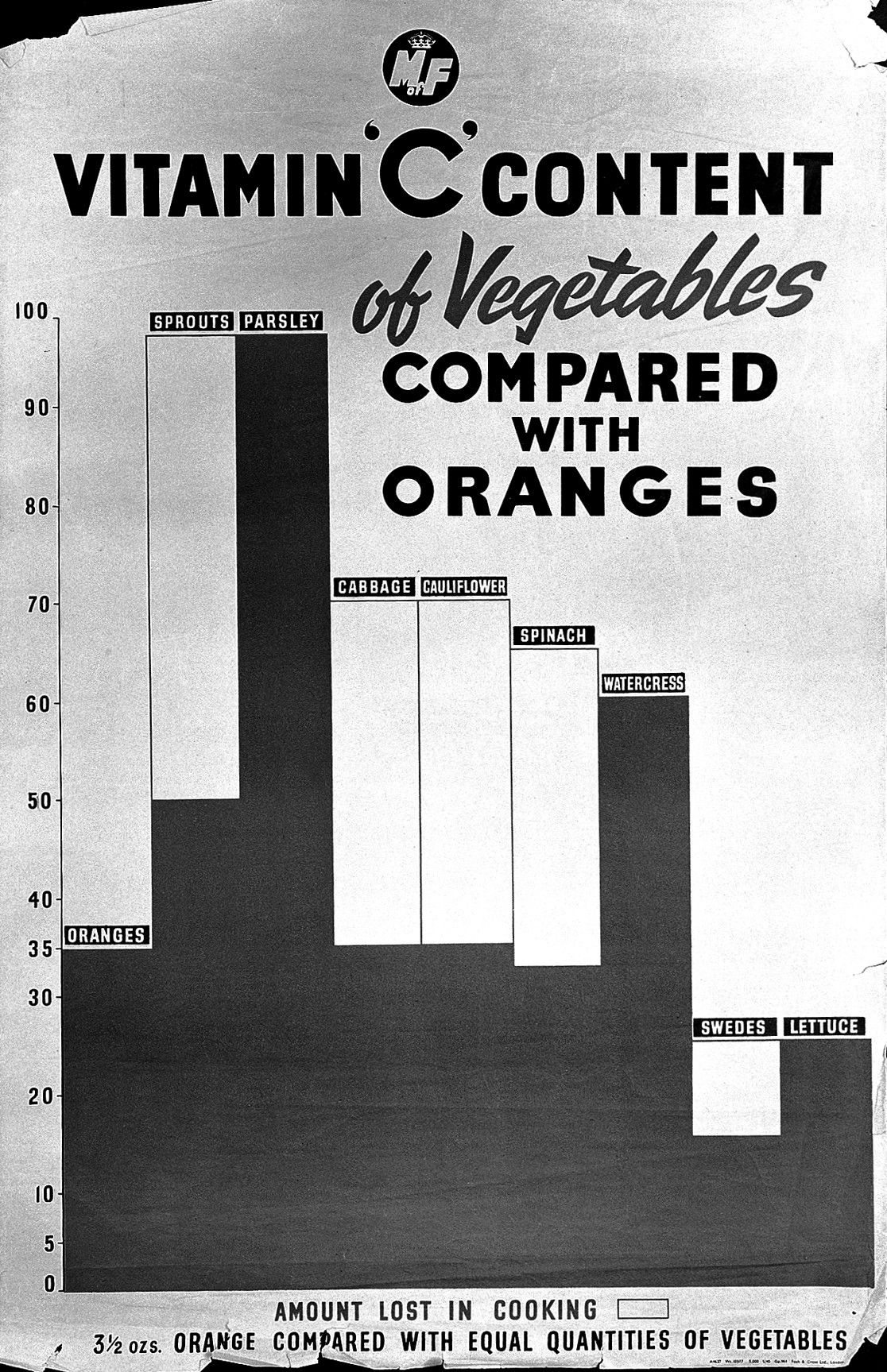
Sources go well beyond oranges. Per typical serving, many foods add a good amount: sweet peppers, guava, kiwifruit, broccoli, Brussels sprouts, strawberries, papaya, cantaloupe, tomatoes and potatoes, along with oranges and grapefruit. The adult RDA is 90 mg/day for men and 75 mg/day for women. Pregnancy raises it to 85 mg/day and breastfeeding to 120 mg/day. People who smoke are told to add 35 mg/day, because smoking uses up vitamin C faster. The UL is 2,000 mg/day. Above it, diarrhea and stomach upset are common. Oxalate in the urine also rises. That matters for people who tend to form kidney stones made of calcium oxalate.
Scurvy, and the first controlled trial
Scurvy is what happens when the body runs out of vitamin C. This usually takes about one to three months of almost no intake. The signs follow the collagen story exactly. First come tiredness and crankiness. Then come small bleeds around hair roots and odd corkscrew-shaped body hairs. Gums swell and bleed, and teeth loosen. Bruises come easily. Joints hurt and swell from bleeding into them. Wounds heal poorly. There is even the strange sign of old, long-healed wounds opening again. Anemia is common. In children, growing bone is affected, with painful bleeding under the bone's outer layer. Untreated scurvy was deadly. Giving vitamin C back reverses it quickly and dramatically.
Scurvy is also where clinical nutrition became a science. In 1747, aboard the ship HMS Salisbury, the navy surgeon James Lind took twelve sailors with scurvy. He kept their diets otherwise the same. He put them in pairs and gave each pair one of six treatments. Only the pair given oranges and lemons got better. It is one of the first recorded controlled clinical trials, a test that compares treatments fairly. It worked more than 175 years before the compound behind it was found. That is a reminder that a well-designed comparison can find a cause long before anyone can explain how it works. Scurvy is not just history. It still shows up today. It appears with very restricted eating, severe food insecurity and alcohol use disorder. It appears with some mental health and developmental conditions that narrow the range of foods a person eats. It also appears in older adults who live alone and cut off from others.
| Sign of scurvy | What causes it |
|---|---|
| Bleeding, swollen gums; loose teeth | Weak collagen in gum tissue and the ligament that holds teeth |
| Bleeding around hair roots; corkscrew hairs | Fragile capillary walls; faulty keratin and hair roots |
| Easy bruising, tiny red spots (petechiae) | Faulty collagen in blood vessel walls |
| Poor wound healing; old wounds reopen | New collagen cannot be finished or linked |
| Joint pain and swelling | Bleeding into joints and the outer layer of bone |
| Tiredness; anemia | Less carnitine made; blood loss; less iron absorbed |
- Humans cannot make vitamin C. It is needed to add hydroxyl groups to proline and lysine in collagen, and to make carnitine and norepinephrine.
- Vitamin C strongly raises non-heme iron absorption by changing ferric iron to ferrous iron.
- RDA 90 mg/day for adult men, 75 mg/day for adult women; add 35 mg/day for smokers; UL 2,000 mg/day.
- Scurvy (bleeding gums, bleeding around hair roots, poor wound healing) is a failure of collagen, and it still happens today.
Section 5Vitamins in practice
Bioavailability: what is in the food is not what reaches the cell
Bioavailability is the share of a nutrient you eat that is really absorbed and ready for use. A food table reports what is in the food. Bioavailability decides what you get. Several things move it. The food matrix matters. Carotenoids locked inside whole plant cell walls are poorly released. So chopping, blending and gentle cooking clearly raise carotenoid absorption from carrots and tomatoes. This is one of the few cases where cooking makes a vitamin more available, not less. Fat in the meal matters, as Section 2 covered: A, D, E and K need it. Chemical form matters. Man-made folic acid is absorbed more fully than natural food folate. That is exactly why intakes are given in dietary folate equivalents. The free B12 in fortified foods and supplements does not need stomach acid to release it. So fortified sources are more reliable for older adults who make less stomach acid. How nutrients affect each other matters in both directions. Vitamin C boosts non-heme iron uptake. But very high doses of one fat-soluble vitamin can get in the way of another.
Losses in storage, prep, and cooking
Vitamins are chemicals, and chemicals break down. Water-soluble vitamins are lost in two ways. One is leaching into cooking water. The other is destruction by heat, light, oxygen or an alkaline pH. Vitamin C is the most fragile of all. It dissolves in water, heat harms it, and oxygen breaks it down easily. So it is often used as the marker nutrient in cooking studies. Boiling vegetables in a lot of water and pouring the water away causes the biggest losses. Steaming, microwaving, stir-frying and roasting keep far more. Any liquid you keep and serve, as in a soup, stew or pan sauce, brings back what leached out. Thiamin is destroyed by long heating. It is also destroyed by alkaline conditions, such as adding baking soda to vegetables or beans, and by sulfite preservatives. Light breaks down riboflavin. Folate is both harmed by heat and dissolved by water. The fat-soluble vitamins are mostly more stable in heat. But they follow the fat. Pour off the fat and you pour off some of the A, D, E and K with it. Vitamin E is also broken down by frying at high heat again and again.
Two common beliefs need correcting. First, frozen produce is not less nutritious than fresh. It is usually picked when ripest and frozen within hours. "Fresh" produce may spend many days in trucks and storage, losing vitamin C the whole time. Frozen often measures the same or higher. Canning uses more heat and more leaching into the packing liquid, though using that liquid brings some back. Second, none of this is a reason to fear cooked food. A cooked vegetable eaten often gives far more nutrition than a raw vegetable nobody eats. Cooking also makes carotenoids more available and makes many foods easier to digest. The goal is variety and regular habits, not perfection. No food needs to be called clean, dirty or earned.
Supplements: where the evidence is strong, and where it is not
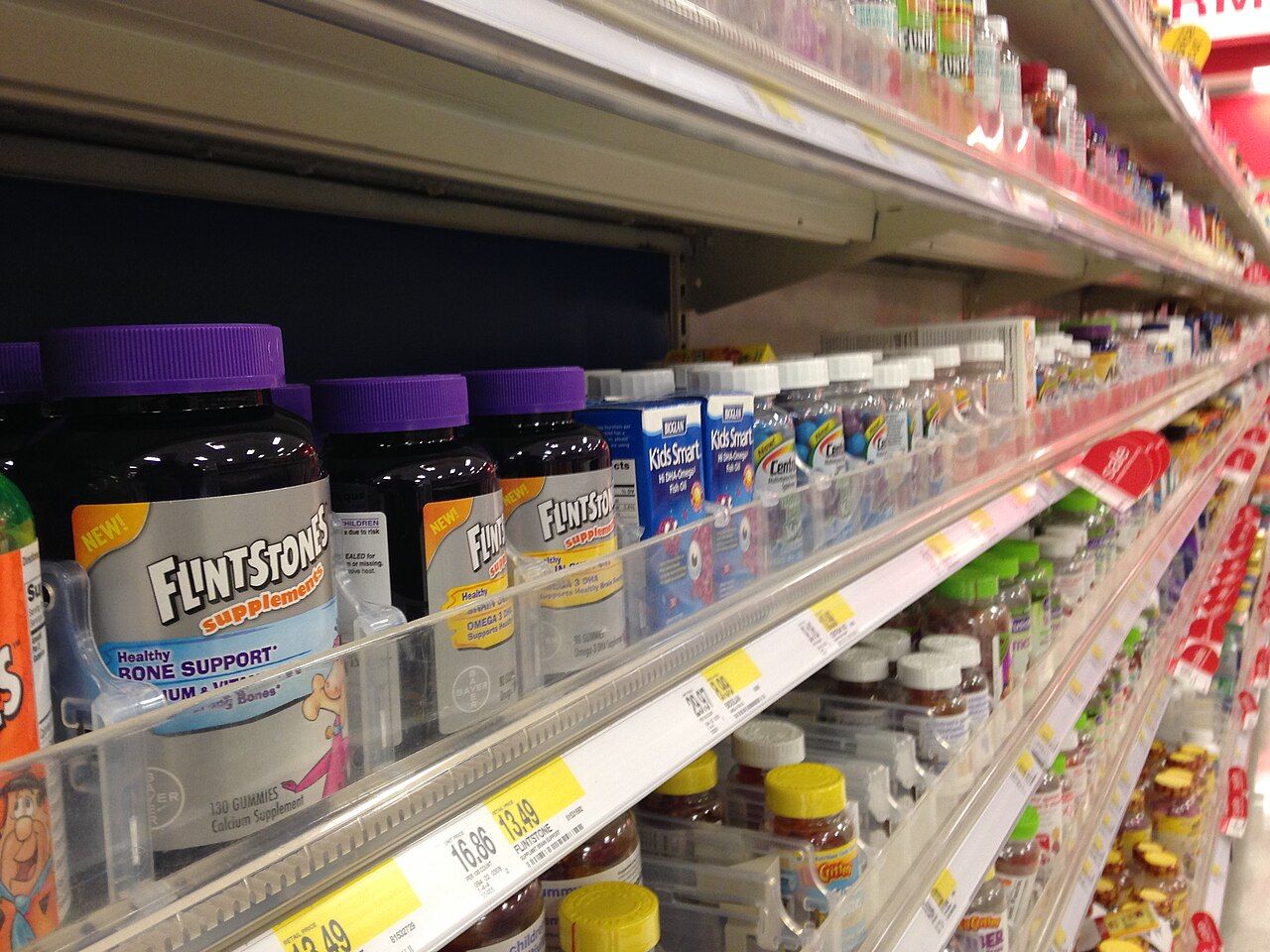
In the United States, dietary supplements are regulated as a kind of food, not as drugs. Makers are responsible for safety and for telling the truth in their claims. But products are not checked or approved for safety or for working before they reach the shelf. Independent testing has found again and again that some products hold something different from what the label says. Some groups test supplements on a voluntary basis, such as USP Verified, NSF Certified for Sport and similar programs. They check what is in the product, how strong it is, and whether it is contaminated. A mark from one of them is a reasonable thing to look for. Note that supplements can interact with medicines. Examples are high-dose vitamin E with blood thinners, and changes in vitamin K intake for someone taking the blood thinner warfarin. High-dose biotin can also throw off several common lab tests, including some tests for heart damage (troponin) and thyroid tests. It can give false results unless the lab is told.
The evidence is truly uneven. Sorting it into levels is the most useful thing this section can teach. In some cases, supplements are strongly supported. These include folic acid before and during early pregnancy to prevent neural tube defects. They include vitamin K at birth to prevent bleeding disease of the newborn. They include vitamin D for babies fed only breast milk. They include vitamin B12 from fortified foods or supplements for people eating vegan diets and, often, for older adults who make less stomach acid. They include vitamin A for children in places where its lack is common. And they include refilling any diagnosed deficiency. In other cases, the evidence is early, mixed or negative. Daily multivitamins have not been shown to lower heart disease, cancer or death in adults who already eat well. Large trials of high-dose vitamin E found no heart benefit. And beta-carotene pills raised lung cancer rates in people who smoked or had heavy contact with asbestos. Two separate large trials found this. That last finding is the warning tale of the field. A link seen for a food (vegetables rich in carotenoids) did not carry over to one nutrient given alone in high doses. The nutrient alone caused harm.
A fair summary is that supplements fill gaps; they do not upgrade a diet that is already enough. Whole foods deliver vitamins together with fiber, minerals, phytochemicals (helpful plant compounds) and a food matrix that shapes how they are absorbed. Vitamin poisoning from food alone is rare. The main exception is preformed vitamin A. Liver is so rich in it that eating large portions often can push intake past the UL. Whether a certain person needs a certain supplement, and how much, should be decided with a clinician or registered dietitian. That expert knows the person's lab results, medicines and life. This chapter describes how the body works and what the evidence says. It is general learning, not personal medical or diet advice.
| Practice | Effect on vitamins | Why |
|---|---|---|
| Boiling and pouring off the water | Biggest losses of vitamin C, thiamin, folate | Water-soluble vitamins leach out and are thrown away |
| Steaming / microwaving | Much better at keeping vitamins | Less contact with water; shorter heating time |
| Adding baking soda to vegetables | Destroys thiamin and vitamin C | Alkaline pH breaks both down |
| Chopping and gently cooking carrots, tomatoes | Raises carotenoid availability | Breaks plant cell walls and frees carotenoids |
| Adding a little oil to a vegetable dish | Helps uptake of A, D, E, K and carotenoids | Fat is needed to form the micelles that absorb them |
| Keeping milk in clear glass; produce in bright light | Breaks down riboflavin, folate | Both are harmed by light |
| Freezing at harvest | Keeps as much as or more than "fresh" | Vitamin C drops during shipping and storage |
| Using cooking liquid in soup or sauce | Brings back leached vitamins | The nutrients are in the liquid, not destroyed |
- Bioavailability depends on the food matrix, fat in the meal, chemical form, and how nutrients affect each other, not just on what the food table says.
- Water-soluble vitamins are lost by leaching and heat. Steaming, microwaving and using the cooking liquid keep far more than boiling and draining.
- Supplements in the US are not approved ahead of time for safety or for working. Testing marks and telling your clinician both matter.
- Strong evidence supports targeted supplements: folic acid around conception, vitamin K for newborns, and B12 for vegan diets and many older adults. Daily multivitamins in adults who eat well have not shown disease-prevention benefit, and high-dose beta-carotene caused harm in smokers.
The chapter in one breath
- Vitamins are organic micronutrients needed in mg or µg amounts. They give 0 kcal/g, while carbohydrate and protein give 4, fat 9 and alcohol 7 kcal/g.
- Solubility drives everything. Fat-soluble A, D, E and K need fat in the meal, are stored, and can reach toxic levels. Water-soluble B and C turn over fast and need regular intake.
- Vitamin A runs night vision and the growth of lining tissues. A lack causes xerophthalmia. Preformed retinol above the 3,000 µg/day UL causes birth defects.
- Vitamin D (RDA 15 µg / 600 IU/day ages 1 to 70; 20 µg / 800 IU/day over 70) controls calcium absorption. A lack causes rickets and osteomalacia. Its claims beyond bone are still unproven.
- Vitamin E is the membrane antioxidant (RDA 15 mg/day). Vitamin K changes clotting factors (AI 120 µg/day men, 90 µg/day women), and newborns need a dose at birth.
- The B vitamins are coenzymes: thiamin→beriberi and Wernicke-Korsakoff; niacin→pellagra's four Ds; folate and B12→megaloblastic anemia, with B12 adding nerve damage that may not reverse.
- Vitamin C finishes collagen and boosts non-heme iron absorption (RDA 90 mg men, 75 mg women). Its lack is scurvy, the subject of Lind's 1747 controlled trial.
- In practice, bioavailability and cooking method change what you really absorb. Supplement evidence is strong for a few targeted uses and weak or negative for routine high-dose use.
ReferenceWords worth knowing
A quick list of the terms in this chapter. Skim it now, or come back whenever a word trips you up.
- Adequate Intake (AI)
- A reference intake used when evidence is too thin to set an RDA. Vitamins K, B5 and B7 have AIs.
- Ascorbic acid
- Vitamin C. A water-soluble reducing agent needed to finish collagen, to make carnitine and norepinephrine, and to absorb non-heme iron.
- Beriberi
- The disease caused by a lack of thiamin (B1). The "wet" form affects the heart and causes swelling. The "dry" form is nerve damage in the hands and feet.
- Bioavailability
- The share of a nutrient you eat that is absorbed and ready for the body to use.
- Carotenoid
- A plant pigment. The provitamin A carotenoids (beta-carotene, alpha-carotene, beta-cryptoxanthin) are turned into retinol in the body.
- Coenzyme
- A small helper molecule, not a protein, that an enzyme needs in order to do its reaction. Most B vitamins become coenzymes.
- Dietary folate equivalent (DFE)
- The unit for folate intake. It adjusts for the better absorption of man-made folic acid compared with folate found naturally in food.
- Fat-soluble vitamin
- Vitamins A, D, E and K. They need fat in the meal and bile to be absorbed, and they are stored in the liver and fat tissue.
- Hypervitaminosis
- Vitamin poisoning from too much intake, most often of preformed vitamin A or vitamin D from supplements.
- Intrinsic factor
- A protein made by the stomach's parietal cells. It is needed to absorb vitamin B12 in the terminal ileum.
- Megaloblastic anemia
- Anemia with red blood cells that are too large and not mature, caused by poor DNA building. The classic causes are a lack of folate or vitamin B12.
- Micronutrient
- A vitamin or mineral needed in milligram or microgram amounts. It gives no energy.
- Niacin equivalent (NE)
- The unit for niacin intake. It counts niacin made from tryptophan (about 60 mg of tryptophan makes 1 mg of niacin).
- Osteomalacia
- Softening of adult bone from a lack of vitamin D, with bone pain and weak muscles near the hips and shoulders. It is the adult form of rickets.
- Pellagra
- The disease caused by a lack of niacin (B3), remembered as dermatitis, diarrhea, dementia and death.
- Recommended Dietary Allowance (RDA)
- The daily intake that meets the needs of about 97 to 98% of healthy people in a stated age and sex group.
- Retinol activity equivalent (RAE)
- The unit for vitamin A intake. 1 µg RAE equals 1 µg retinol, 12 µg beta-carotene from food, or 24 µg of other provitamin A carotenoids.
- Rickets
- A lack of vitamin D in children. It causes soft, bent bones with bowed legs and wide growth areas at the ends of bones.
- Scurvy
- The disease caused by a lack of vitamin C: bleeding gums, bleeding around hair roots, corkscrew hairs, poor wound healing and joint pain.
- Tolerable Upper Intake Level (UL)
- The highest daily intake, taken over a long time, that is unlikely to harm almost anyone. It is a ceiling, not a target.
- Water-soluble vitamin
- The eight B vitamins and vitamin C. They are stored only a little, flushed out easily, and easily lost into cooking water.
- Xerophthalmia
- Drying and damage of the eye's surface and cornea that gets worse over time, caused by a lack of vitamin A. It is a leading preventable cause of blindness in children worldwide.
Check yourself
Want the longer wording? Read this chapter in the full textbook.