Eating Disorders and Somatic Symptom Disorders
These two families of illness are paired here for a reason: in both, psychological distress arrives at the bedside wearing a body. A person with anorexia nervosa presents with bradycardia and hypophosphataemia; a person with somatic symptom disorder presents with pain, dizziness or weakness that is entirely real and entirely disabling. In both, the fastest way for a nurse to do harm is to decide the symptom is not genuine. Eating disorders carry the highest mortality of any psychiatric illness after opioid use disorder, and most of that mortality is medical — arrhythmia, electrolyte collapse, refeeding syndrome — or death by suicide. Somatic symptom disorders carry a different danger: years of unnecessary investigation, iatrogenic injury, opioid exposure, and a person who has been told so often that nothing is wrong that they stop reporting the symptom that finally is. This chapter teaches you to assess the body first, speak to the person second, and never confuse the two tasks.
By the end of this chapter you can
- Differentiate anorexia nervosa, bulimia nervosa, binge-eating disorder, avoidant/restrictive food intake disorder (ARFID) and atypical anorexia nervosa by presentation, not by body size.
- Screen for a suspected eating disorder using the SCOFF questions and open the conversation without shame-based or weight-focused language.
- Explain the cardiac, endocrine, skeletal and gastrointestinal consequences of restriction, purging and laxative misuse, and identify the criteria for medical admission.
- Anticipate, monitor for and escalate refeeding syndrome, including the roles of phosphate, potassium, magnesium and thiamine.
- Deliver structured meal support and post-meal observation on a behavioural unit, and state precisely what assistive personnel may and may not do.
- Contrast therapeutic and non-therapeutic responses in eating disorder and somatic care, and justify why each response lands the way it does.
- Distinguish somatic symptom disorder, illness anxiety disorder, functional neurological symptom disorder and factitious disorder, and explain why none of them means the symptom is fabricated.
- Apply the scheduled-visit model and trauma-informed care to a person with persistent bodily symptoms, avoiding both dismissal and over-investigation.
- Recognise red flags in both populations and escalate them using a complete SBAR handoff.
Section 1Seeing the disorder, not the body
The disorders in plain terms
Anorexia nervosa is defined by persistent restriction of energy intake leading to a significantly low body weight for that person’s age, sex and developmental trajectory, together with an intense fear of weight gain or persistent behaviour that interferes with weight gain, and a disturbance in how body weight or shape is experienced. It has two courses: a restricting presentation, and a binge-eating/purging presentation in which restriction is punctuated by binge episodes, self-induced vomiting, laxative or diuretic misuse, or driven exercise. The fear does not remit when the person is told the weight is dangerous; if anything, the cognitive rigidity of starvation makes reassurance land as threat.
Bulimia nervosa involves recurrent binge episodes — an objectively large amount of food eaten in a discrete period with a sense of loss of control — followed by recurrent compensatory behaviours, with self-evaluation unduly influenced by shape and weight. Weight is typically in or above the average range, which is exactly why it is missed. Binge-eating disorder involves the same binge episodes and the same loss of control and distress, but without regular compensatory behaviour; it is the most common eating disorder in the general population and the one most often mislabelled as a willpower problem in primary care.
ARFID is restriction driven by sensory sensitivity, fear of an aversive consequence such as choking or vomiting, or simple lack of interest in eating — with no disturbance of body image at all. A child who has eaten six foods since toddlerhood and is now falling off the growth curve, or an adult who stopped eating solids after a choking episode, has ARFID, not anorexia nervosa, and the treatment differs. Atypical anorexia nervosa, classified under other specified feeding or eating disorder, meets every criterion for anorexia nervosa except that the weight remains within or above the average range after significant loss — and it produces the same bradycardia, the same amenorrhoea, the same bone loss and the same risk of refeeding syndrome.
| Presentation | Core feature | Compensatory behaviour | Body image disturbance | Weight |
|---|---|---|---|---|
| Anorexia nervosa | Persistent energy restriction, fear of weight gain | May be present (binge/purge type) | Yes, central | Significantly low for the individual |
| Bulimia nervosa | Binge with loss of control | Yes, recurrent (vomiting, laxatives, exercise, fasting) | Yes, self-evaluation dominated by shape | Usually average or above |
| Binge-eating disorder | Binge with loss of control, marked distress | No | Distress about eating; body image varies | Often above average, but any weight |
| ARFID | Sensory aversion, fear of choking or vomiting, low interest | No | No | Low, faltering growth, or nutritional deficiency |
| Atypical anorexia nervosa | All anorexia criteria met except low weight | May be present | Yes | Within or above average after major loss |
What the stereotype gets wrong
The picture most students carry — a thin, affluent, white adolescent girl — describes a minority of the people you will actually care for. Roughly one in three people with an eating disorder is male, and men are diagnosed later and treated less because neither they nor their clinicians expect it. Eating disorders occur across every racial and ethnic group; Black and Hispanic patients with identical symptoms are significantly less likely to be asked about eating, referred, or admitted. People in larger bodies who have lost a great deal of weight are frequently congratulated by clinicians on the way into a life-threatening illness. Older adults, pregnant patients, athletes and people in the perimenopausal transition all develop eating disorders and are all routinely overlooked.
Two high-risk groups deserve naming. Athletes in sports with weight classes or aesthetic judging may present with relative energy deficiency in sport — low energy availability producing amenorrhoea, stress fractures and bradycardia that gets misread as athletic conditioning. A resting heart rate of 42 in a distance runner who has also stopped menstruating and has lost 8 kilograms is not fitness. The second group is people with type 1 diabetes who omit or reduce insulin to lose weight; this produces chronic hyperglycaemia, recurrent diabetic ketoacidosis, and accelerated retinopathy and nephropathy, and it should be asked about directly and without accusation in any patient with type 1 diabetes and unexplained recurrent DKA.
Language matters here more than almost anywhere in psychiatry. Say “a person with anorexia nervosa,” not “an anorexic” — the illness is not the identity, and recovery depends on the person being able to imagine themselves separate from it. Never document that a patient is “manipulative” because they hid food, or “non-compliant” because they did not finish a supplement. Document the behaviour and what it communicates: “Patient placed roll in napkin during supervised lunch; when this was named calmly, she said she felt panicked by the portion size and asked whether the amount had been increased.” That sentence is clinically useful. “Manipulative” is not; it is a judgement that closes the chart to the next nurse.
Screening and the first conversation
The SCOFF questionnaire is five questions and takes under a minute: do you make yourself Sick because you feel uncomfortably full; do you worry you have lost Control over how much you eat; have you recently lost more than One stone (about 6.35 kilograms) in a three-month period; do you believe yourself to be Fat when others say you are too thin; would you say that Food dominates your life. Two or more affirmative answers warrants a full assessment. It is a screen, not a diagnosis, and a negative SCOFF in a patient with unexplained bradycardia, amenorrhoea or hypokalaemia does not close the question.
How you ask determines what you learn. Begin with function rather than food: “Tell me what a usual day of eating looks like for you, from waking up.” Then move to the behaviours specifically and without euphemism, because vague questions get vague answers: “Some people vomit after eating, or use laxatives, diet pills or extra exercise to manage weight. Have you done any of those?” Naming the behaviour matter-of-factly signals that you have heard it before and will not react with disgust. Ask about the last time they were weighed and how that felt, ask about food rules, and ask directly about suicidal thoughts — suicide is a leading cause of death in anorexia nervosa and the risk is often missed while the team is focused on potassium. Ask in plain words: “Are you having thoughts of killing yourself?” and, if the answer is yes, escalate to the team the same day for safety planning and the level of observation they judge necessary.
Two procedural decisions belong in the first encounter. First, blind weights: the patient stands backwards on the scale, in a gown, after voiding, at the same time each morning, and the number is not disclosed unless the treatment team has agreed disclosure is therapeutic. This is not withholding information for its own sake; it removes the single most reliable trigger for restriction from the daily routine. Second, trauma-informed consent for the physical exam. Rates of prior sexual trauma are high in this population, and being weighed, gowned, examined and observed in a bathroom reproduces the shape of that experience. Explain each step before you do it, offer choices where you have them, and stop if the person asks you to.
Eating disorders are diagnosed by behaviour, cognition and physiology — never by body size — and the person in front of you is statistically unlikely to look like the stereotype.
Section 2The starving and purging body
What restriction does to the body
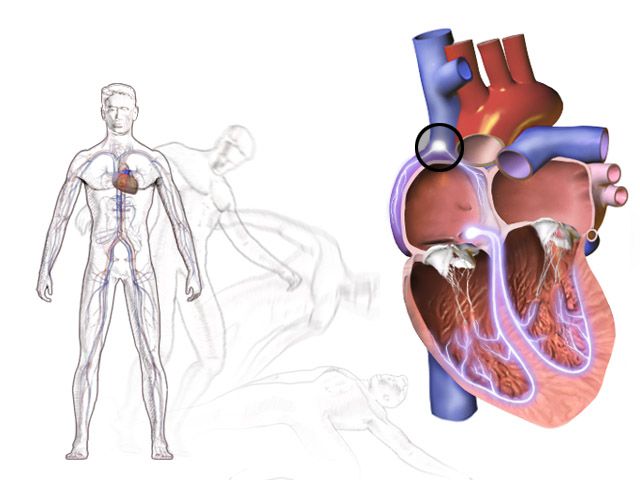
Starvation is a coordinated shutdown. The heart is the organ that kills. Cardiac muscle mass is lost along with skeletal muscle, stroke volume falls, and the body compensates by slowing: resting heart rates in the 30s and 40s, systolic pressures in the 70s and 80s, and orthostatic changes that make a patient grey out on standing. The QT interval prolongs, particularly once potassium and magnesium fall, and the endpoint is torsades de pointes or asystole. Bradycardia in a malnourished patient is not athletic conditioning and it is not reassuring; it is the reason for continuous telemetry. Nocturnal heart rates are lowest, so overnight monitoring often reveals the true depth of the bradycardia.
Everywhere else the picture is the same story of conservation. Core temperature falls and the person is cold in a warm room; lanugo — fine downy hair — appears over the trunk and face; the skin is dry with carotenaemic yellowing of the palms. The hypothalamic-pituitary-gonadal axis switches off, producing amenorrhoea in women, low testosterone in men, and loss of libido; combined with low oestrogen and high cortisol, this drives osteopenia and osteoporosis, and adolescents may never recover the peak bone mass they should have accrued. Bone loss is one of the few consequences that does not fully reverse, which is a legitimate motivator to share with a young person who is not yet frightened by any of this.
Gastrointestinal motility slows, producing early satiety, bloating, constipation and delayed gastric emptying — symptoms that feel to the patient like proof that eating is harmful, and which must be explained as a consequence of restriction rather than a reason for it. Transaminases rise from starvation hepatitis, hypoglycaemia appears as glycogen stores fail, and the bone marrow becomes hypoplastic with leukopenia, anaemia and thrombocytopenia. Cognition narrows: rigidity, obsessionality, and difficulty with abstract reasoning are effects of starvation itself and improve substantially with nutrition, which is why nutritional rehabilitation comes before deep psychotherapeutic work.
What purging does
The route of purging determines the acid-base picture, and this is highly testable. Self-induced vomiting loses hydrogen and chloride, producing a hypochloraemic, hypokalaemic metabolic alkalosis with volume contraction and secondary hyperaldosteronism — which drives still more potassium loss. Laxative misuse loses bicarbonate-rich stool, producing a non-anion-gap metabolic acidosis with hypokalaemia. Diuretic misuse produces volume depletion with hypokalaemia and alkalosis. In all three, potassium is the number that will stop the heart, and a serum potassium below 3.0 mEq/L in a purging patient with a prolonged QT interval is an emergency requiring telemetry, replacement of both potassium and magnesium, and cardiology input.
The physical signs are readable if you look. Erosion of the lingual surface of the upper incisors from gastric acid; bilateral painless parotid swelling giving a squared jawline; Russell’s sign, the callus or abrasion over the knuckles from the teeth during self-induced vomiting; subconjunctival haemorrhage and facial petechiae after forceful retching. Oesophageal complications range from reflux and Mallory-Weiss tears to Boerhaave syndrome, a full-thickness oesophageal rupture that presents with severe chest pain, subcutaneous emphysema and shock. Abrupt cessation of chronic laxative use produces rebound oedema and constipation, which patients experience as weight gain and which must be anticipated and explained or they will resume.
Two agents deserve separate warnings. Ipecac syrup, occasionally still obtained, contains emetine, which is directly cardiotoxic and cumulative, producing an irreversible cardiomyopathy. Stimulant laxatives in chronic use damage the enteric plexus and produce a colon that no longer moves on its own. Ask about both by name. Ask also about the use of caffeine, nicotine, prescription stimulants and unregulated diet supplements — polypharmacy in this population is common and frequently undisclosed unless asked about neutrally.
| Domain | Findings that warrant medical admission |
|---|---|
| Cardiac | Heart rate below 40 beats/min (below 50 in a child), systolic pressure below 90 mmHg, orthostatic rise in heart rate above 20 beats/min or drop in systolic pressure above 20 mmHg, QTc above 450–470 ms, any arrhythmia |
| Metabolic | Potassium below 3.0 mEq/L, phosphate below 2.5 mg/dL, magnesium low, sodium below 125 mEq/L, glucose below 60 mg/dL |
| Nutritional | Below roughly 75 percent of expected body weight, rapid ongoing loss, acute food refusal, failure of outpatient treatment |
| Temperature | Core temperature below 35.5 degrees Celsius |
| Psychiatric | Active suicidal ideation with plan or intent, inability to interrupt purging or exercise, uncontrolled comorbid illness |
Refeeding syndrome
Refeeding syndrome is what happens when calories return to a starved body. During starvation, insulin is low and intracellular stores of phosphate, potassium and magnesium are depleted even when serum levels look normal. Reintroducing carbohydrate causes an insulin surge that drives glucose, phosphate, potassium and magnesium into cells all at once. Serum phosphate falls first and fastest, and without phosphate there is no adenosine triphosphate: the result is cardiac failure, respiratory muscle failure, rhabdomyolysis, haemolysis, seizures, delirium and death. Fluid retention from insulin-driven sodium reabsorption loads a heart with reduced muscle mass, producing pulmonary oedema.
The prevention is unglamorous and absolute. Identify high-risk patients — very low weight, minimal intake for five or more days, prior refeeding hypophosphataemia, ongoing purging, alcohol use, low baseline electrolytes. Give thiamine before or with the first calories and continue it, because refeeding consumes thiamine as a cofactor in carbohydrate metabolism and Wernicke encephalopathy is otherwise a real risk. Start nutrition conservatively and advance on a written schedule. Check phosphate, potassium, magnesium, calcium and glucose at baseline and then at least daily — twice daily in the highest-risk first 72 hours — and replace aggressively rather than watching a downward trend. Weigh daily, record strict intake and output, and monitor on telemetry.
Your nursing surveillance is the safety net. A patient who becomes newly confused, weak, breathless, oedematous or tachycardic in the first days of refeeding is presenting with hypophosphataemia until proven otherwise. Do not wait for the morning labs. Oral nutrition is always preferred; nasogastric feeding is used when oral intake cannot meet requirements, and it is a medical intervention, not a punishment — frame it that way to the patient every time. Note also that refeeding is genuinely frightening: bloating, oedema and rapid weight change all confirm the illness’s predictions, and the person needs that named and normalised at every meal.
Restriction and purging kill through the heart and the electrolytes; refeeding kills through phosphate — so nutrition is started slowly, with thiamine, on telemetry, with daily labs.
Section 3Meal support, milieu and what to say
The plate is the treatment
Meal support is a skilled nursing intervention with a structure. Meals are served at fixed times in a communal dining space, portioned by the dietitian, and completed within a defined window — commonly 30 minutes for a meal and 15 for a snack. Staff sit with patients and eat or converse; they do not hover, count bites aloud, or comment on anyone’s plate. Conversation is deliberately steered away from food, weight, calories and exercise, because eating disorder talk between patients is contagious and competitive. What is not eaten within the window is replaced by an oral nutrition supplement in a fixed equivalence, and if that is declined, the team’s pre-agreed protocol follows. The rule is decided before the meal so that no negotiation happens at the table.
Post-meal observation matters as much as the meal. Patients remain in a common area under observation for 30 to 60 minutes after eating, with bathrooms locked or supervised, because that is the window for vomiting, and it is also the window of peak anxiety. Distraction is part of the protocol, not a nicety: cards, a film, hand-craft, conversation. Watch for behaviours that indicate the illness is working — food hidden in napkins, sleeves or plant pots, condiments used to make food inedible, cutting food into very small pieces, drinking excessive fluid, standing rather than sitting, isolating exercise such as repeated stair use or leg bouncing. Name what you observe, once, calmly and privately, and describe it in the chart without adjectives.
Other structures on the unit: blind weights at the same time each morning after voiding, in a gown, with the patient facing away; monitored fluid intake because water loading before weighing is common and can cause hyponatraemia and seizures; supervised bathroom use with running water or flushing observed where indicated; and limits on exercise, including the covert kind. Contraband checks — laxatives, diuretics, diet pills — are done as a routine unit process applied to everyone, not as a targeted accusation. Consistency across nurses is itself therapeutic; inconsistency invites splitting of the team and increases the patient’s anxiety, because a rule that changes with the shift cannot be relied on.
Every one of those structures is a restriction, so each is justified on its own, set at the least restrictive level that keeps the person safe, explained to the patient, reviewed as they improve, and lifted the moment it is no longer needed. Most people with an eating disorder are treated with their agreement, and the plan is far stronger for it; occasionally starvation itself so distorts thinking that refusal of treatment becomes life-threatening, and treatment then proceeds under mental health legislation with the safeguards set out in Chapter 3. Nasogastric feeding is likewise a clinical decision made by the team, never a consequence announced at the table.
What to say and what not to say
Almost every well-intentioned comment about appearance backfires. “You look so much better” is heard as “you have gained weight and I noticed.” “Just eat, it is not that hard” converts a psychiatric illness into a moral failure. “I wish I had your willpower” congratulates the disease. The therapeutic move is nearly always the same shape: acknowledge the feeling as real, decline to negotiate the plan, and stay in the room.
| Situation | Non-therapeutic | Therapeutic | Why |
|---|---|---|---|
| Patient stops halfway through lunch | “You have to finish or you will not get your pass.” | “I can see this is really hard right now. The meal stands, and I will sit here with you until the time is up.” | Empathy plus an unmoved boundary. Threats put the nurse and patient on opposite sides and make eating a punishment. |
| “I feel disgusting. I have gotten so fat.” | “Don’t be silly, you look great.” | “That sounds like a painful thought to be carrying. Tell me what happened just before it showed up.” | Reassurance about appearance is a compulsion the illness feeds on and it never holds. Curiosity about the trigger does clinical work. |
| “How many calories is this?” | “About 550, but you shouldn’t worry about that.” | “I am not going to give numbers — that is part of your plan. What I can tell you is that the dietitian built this portion for you specifically.” | Providing numbers hands the illness a tool. Naming the plan without argument keeps the alliance. |
| Patient found vomiting after dinner | “Why would you do that after everything we did today?” | “I need to check on you — are you okay? Let’s sit down. Something got very hard after that meal. Walk me through it.” | Safety first, then curiosity. Disappointment invites secrecy, and secrecy is what makes purging lethal. |
| “You are the only one who understands. Don’t tell the team about the exercising.” | “All right, this stays between us.” | “I am glad you told me, and I am not able to keep it from the team — everything about your care is shared, and that is what keeps you safe. I will tell them with you now if you like.” | Secrets fracture the team and are unsafe. Refusing warmly, with an offer to do it together, preserves trust. |
| Family asks how to help at home | “Just make sure she eats.” | “Your job is the meal plan and the structure; the illness’s job is the arguing. Try not to debate food at the table — and this is not something anyone caused.” | Family-based treatment works by giving parents the eating task while removing blame. |
Milieu, medications and the team
The evidence-based psychotherapies belong to the team but you reinforce them daily. Family-based treatment is first-line for adolescents with anorexia nervosa: parents take temporary charge of nutrition, the illness is externalised from the young person, and control is returned in phases. Enhanced cognitive behavioural therapy (CBT-E) is first-line for adults with bulimia nervosa and binge-eating disorder, targeting dietary restraint, the binge-purge cycle and overvaluation of shape. Dialectical behaviour therapy skills help with the emotion dysregulation that often drives bingeing. Your role is consistency, meal support, and reinforcing the same language the therapist uses.
| Medication | Use | Monitoring and cautions |
|---|---|---|
| Fluoxetine 60 mg daily | Bulimia nervosa — reduces binge and purge frequency | Higher dose than for depression, and several weeks to full effect; monitor for emerging suicidal thoughts early in treatment, particularly in adolescents and young adults. Monitor for serotonin syndrome if combined with other serotonergic agents; ineffective for weight restoration in anorexia nervosa |
| Lisdexamfetamine | Moderate to severe binge-eating disorder | Stimulant — monitor blood pressure, heart rate and sleep; not to be used for weight loss; assess for misuse potential and comorbid substance use |
| Olanzapine, low dose | Adjunct in anorexia nervosa — modest weight gain, reduced obsessional rumination | Metabolic panel, QTc, sedation; discuss honestly with the patient, since weight gain is the feared outcome |
| Bupropion | Contraindicated in anorexia nervosa, bulimia nervosa and active purging | Substantially increased seizure risk in purging and electrolyte-depleted patients |
| Thiamine, phosphate, potassium, magnesium | Refeeding prophylaxis and correction | Thiamine before or with first calories; replace electrolytes proactively, not reactively |
| Antiemetics and other QT-prolonging agents | Use with caution | Check the QTc and potassium before adding any QT-prolonging drug in a purging or starved patient |
Delegation on an eating disorder unit is tightly bounded, and this is examined often. Assistive personnel may sit with patients during supervised meals and post-meal observation, record the percentage of the meal consumed, obtain and record vital signs including orthostatics, obtain the daily blind weight per protocol, accompany a patient to a supervised bathroom, and reinforce the routine that has already been taught. They may not assess, interpret findings, evaluate whether an intervention is working, decide what happens when a meal is refused, alter or negotiate any part of the meal plan, perform the admission or suicide risk assessment, provide initial teaching, or run a therapeutic group. Nor is an unstable patient theirs to hold: the bradycardic patient on telemetry, the patient in the first days of refeeding, and the patient with active suicidal ideation all need continuous registered nurse judgement, and delegation never transfers accountability away from you. Tell them explicitly what to report to you immediately: any heart rate below the ordered threshold, syncope or near-syncope, observed or suspected vomiting, refusal of the meal or supplement, and any statement about self-harm.
Meal support, post-meal observation, blind weights and identical rules across every shift are the intervention — delivered with unlimited empathy and an unmoved boundary.
Section 4When distress speaks through the body
From “medically unexplained” to what is actually diagnosed
Older classifications defined these conditions by absence — symptoms without a medical explanation — which trained a generation of clinicians to diagnose by exclusion and to communicate the diagnosis as “we could not find anything.” Current classification defines them by presence. Somatic symptom disorder requires one or more distressing somatic symptoms, plus excessive thoughts, feelings or behaviours about those symptoms — disproportionate and persistent worry about seriousness, persistently high anxiety about health, or excessive time and energy devoted to them — persisting typically more than six months. Crucially, the symptom may be fully explained by a medical condition. A person with genuine rheumatoid arthritis can have somatic symptom disorder; the diagnosis is about the response, not the legitimacy of the sensation.
Illness anxiety disorder is preoccupation with having or acquiring a serious illness when somatic symptoms are absent or mild, with a high level of health anxiety and either excessive health-related behaviours (repeated body checking, repeated tests, searching symptoms online) or maladaptive avoidance (refusing appointments, avoiding hospitals or sick relatives). Functional neurological symptom disorder, historically called conversion disorder, involves altered voluntary motor or sensory function — weakness, tremor, gait disturbance, non-epileptic seizures, blindness, aphonia — with clinical findings showing incompatibility between the symptom and recognised neurological disease.
Factitious disorder is different in kind: falsification of signs or symptoms, or induction of injury or disease, in the absence of obvious external reward. When imposed on another — classically a child or a dependent adult — it is a form of abuse and a mandatory safeguarding report, and the identified patient is the victim. Distinguish all of these from malingering, which is the intentional production of symptoms for a clear external incentive such as money, medication, or avoiding work or prosecution. Malingering is not a mental disorder, it is not a nursing diagnosis, and it should never be assumed from the chart.
| Disorder | What is present | Symptom production | Motivation | Nursing emphasis |
|---|---|---|---|---|
| Somatic symptom disorder | Real distressing symptoms plus disproportionate thoughts, anxiety and time spent | Not intentional | Not applicable | Scheduled visits, function-focused goals, one coordinating clinician |
| Illness anxiety disorder | Preoccupation with having illness; symptoms mild or absent | Not intentional | Not applicable | Reduce reassurance-seeking and checking; treat the anxiety |
| Functional neurological symptom disorder | Motor or sensory deficit with positive incompatibility signs | Not intentional | Not applicable | Explain the positive diagnosis; physiotherapy-led rehabilitation |
| Factitious disorder imposed on self | Falsified or induced signs | Intentional | To assume the sick role; no external reward | Safety, non-confrontational team approach, psychiatric involvement |
| Factitious disorder imposed on another | Falsified or induced illness in a dependent | Intentional | Sick role by proxy | Protect the victim; mandatory report; do not confront alone |
| Malingering (not a mental disorder) | Feigned or exaggerated symptoms | Intentional | Obvious external gain | Do not diagnose at the bedside; document observation only |
Why the body does this
Nothing here is mysterious once you think in terms of prediction and signal. The nervous system does not passively receive sensation; it predicts, filters and amplifies. In central sensitisation, repeated or intense input lowers the threshold at which the dorsal horn and cortex register pain, so that ordinary signals are experienced as painful — the mechanism underlying fibromyalgia and much chronic pain. Altered interoception — the sense of the internal state of the body — means some people register cardiac, gastric and respiratory sensations with unusual intensity, and then interpret them catastrophically. Anxiety itself produces palpitations, dyspnoea, dizziness, nausea, tremor and chest tightness, which are then interpreted as evidence of the feared disease, closing the loop.
Risk factors are consistent: childhood adversity and trauma, childhood illness or a family member’s serious illness, anxiety and depressive disorders, alexithymia (difficulty identifying and naming emotional states), and a health system that has already responded to distress with tests. Iatrogenic contribution is real. Every ambiguous incidental finding on an unnecessary scan generates a new worry, a new test and a new procedure with its own complication rate. People with somatic symptom disorder undergo more surgery, receive more opioids, and are more likely to be harmed by care than the average patient.
Say clearly to students and to patients: emotional distress producing physical symptoms is not weakness and it is not imagination. Everyone has felt it — the stomach before an examination, the chest before bad news. These disorders sit at the far end of a mechanism everybody has. And people living with them are far more often harmed by dismissive care than helped by another round of testing.
The symptoms are real
Functional neurological symptom disorder is the clearest teaching case because it can be diagnosed positively rather than by exclusion. In Hoover’s sign, a patient with functional leg weakness cannot voluntarily press the weak leg down, yet the same leg extends normally against the examiner’s hand when the opposite hip is flexed against resistance — automatic movement is preserved while voluntary movement is not. A functional tremor entrains to or stops during a rhythmic movement performed by the other hand. Non-epileptic seizures typically have longer duration, closed eyes with resistance to opening, side-to-side head movement, waxing and waning course, no post-ictal confusion and a normal serum lactate. These are findings, not accusations. The person is not producing the symptom on purpose; the nervous system’s access to voluntary control is genuinely disrupted.
How the diagnosis is explained determines the outcome. “Your scans are normal, there is nothing wrong” leaves the person with a disabling symptom and no explanation, so they seek another opinion — and the cycle continues. “You have a functional neurological disorder. This is a problem with how the brain sends and receives movement signals, not with the structure of your nerves or muscles. We can show it on examination, it is common, and it can improve with the right physiotherapy” gives a mechanism, a name and a route forward. Patients who understand and accept a functional diagnosis do measurably better.
Never document or say “the patient is faking,” “symptoms are psychosomatic” used dismissively, or “drug-seeking.” Describe what you observed: “Reports 9 out of 10 abdominal pain; sitting up eating lunch and conversing; abdomen soft and non-tender to deep palpation; vital signs stable.” That is a defensible, useful entry that the next clinician can act on. The pejorative version tells the next clinician to stop looking — which is precisely how a person with a long somatic history dies of an aortic dissection.
Somatic symptom disorders are diagnosed by what is present — disproportionate distress, preoccupation, or positive functional signs — and the bodily suffering is genuine in every one of them.
Section 5Nursing the person with persistent bodily symptoms
The scheduled-visit model
The structural intervention with the best evidence is deceptively simple: regular appointments at fixed intervals with one coordinating clinician, scheduled by the calendar rather than triggered by symptoms. When visits are symptom-triggered, the system teaches that symptoms are the way to obtain contact and care. When visits are scheduled, that contingency is broken and the person can be seen while relatively well. Each visit includes a brief, genuine focused physical examination — this is not theatre; it communicates that the body is taken seriously and it catches new pathology — and then moves to function.
Goals are functional, not symptomatic. “Be pain-free” is not achievable and sets up failure; “walk to the corner shop twice this week,” “return to two shifts,” “sleep in my own bed” are measurable and reachable while symptoms persist. Investigations are ordered on the basis of objective findings, not on the basis of the patient’s or the clinician’s anxiety, and the reasoning is shared out loud so it does not feel like refusal. Treat comorbid depression and anxiety, because they amplify every symptom. Cognitive behavioural therapy has the strongest evidence; antidepressants help pain and anxiety; opioids and benzodiazepines cause net harm in this population and should be avoided.
Trauma-informed care is the ambient posture. Assume a trauma history may be present, because it frequently is. Explain before you touch. Ask permission for examinations and offer a chaperone. Give choices where real choices exist — which arm, sitting or lying, door open or closed. Watch for the moment a person goes quiet, still or hypervigilant during an examination and stop. Give the story room: let the person tell it in their own order at least once, because being interrupted and redirected is one of the most common complaints this group has about health care, and being heard once fully is itself therapeutic.
Responses that work and responses that end the relationship
The recurring trap is that reassurance feels kind and works for about twenty minutes. Reassurance-seeking is a compulsion; each round of reassurance strengthens the loop and shortens the interval before the next request. The therapeutic alternative is validation of distress without validation of the catastrophic conclusion, plus a redirect to function and coping.
| Situation | Non-therapeutic | Therapeutic | Why |
|---|---|---|---|
| “All the tests are normal but the pain is real, I swear.” | “Good news — everything came back normal, so there is nothing to worry about.” | “I believe you. The tests rule out some dangerous causes, and they do not rule out your pain. Let’s talk about what makes it worse and what you can still do.” | Belief plus accurate framing. “Nothing to worry about” contradicts the person’s lived experience and drives them elsewhere. |
| “Could this headache be a brain tumour? Can I have another scan?” | “You do not need a scan, you have already had two.” | “That fear sounds exhausting to live with. Your exam today has no findings that a scan would change, and scans find harmless things that lead to more tests. Can we look at what happens in your body when that fear arrives?” | Names the fear, explains the reasoning rather than refusing, and points at the anxiety cycle. |
| Patient describes 15 symptoms in three minutes | “Let’s just focus on one thing today.” (interrupting) | “I want to hear all of it. Tell me the whole list first and I will write it down, then we will pick the one that is costing you the most.” | Being fully heard once reduces the need to repeat. Early interruption guarantees escalation. |
| Colleague at handover: “She is a frequent flyer, it is all anxiety.” | Silent agreement, abbreviated assessment | “She has a somatic symptom disorder and today she has a new symptom — I am going to assess it the same way I would in anyone.” | Diagnostic overshadowing kills. “Frequent flyer” is a label, not a clinical finding, and it belongs nowhere in a handover; a prior psychiatric diagnosis does not confer immunity from disease. |
| Person with functional weakness asks “So it is in my head?” | “Sort of — it is a stress thing.” | “It is in your nervous system. The wiring is intact but the signalling for voluntary movement is disrupted — that is why the automatic movement works. It is real, it is common, and physiotherapy targets exactly this.” | A mechanism and a treatment. Vague psychologising is heard as disbelief and predicts poor outcome. |
| Person with an eating disorder says “I don’t deserve this bed, others are sicker.” | “Don’t be silly, you are very unwell.” | “Your heart rate was 41 overnight. You are exactly where you need to be. That thought — that you are not sick enough — is a symptom, and I hear it from almost everyone here.” | Objective fact plus normalisation of the thought as part of the illness rather than argument about worth. |
Red flags and escalation
Two categories of red flag run through this chapter. The first is physiological deterioration in an eating disorder: heart rate below 40, systolic pressure below 90, symptomatic orthostasis or syncope, QTc above 470 ms, potassium below 3.0 mEq/L, phosphate below 2.5 mg/dL or any fall during refeeding, sodium below 125 mEq/L, glucose below 60 mg/dL, temperature below 35.5 degrees Celsius, new confusion, new oedema or breathlessness, haematemesis, and severe chest or abdominal pain suggesting oesophageal rupture. Add the psychiatric red flags: emerging suicidal ideation, total food refusal, and escalating covert exercise.
The second is the new or changed symptom in a person with a somatic symptom disorder. Diagnostic overshadowing — attributing new physical symptoms to a known psychiatric diagnosis — is one of the leading causes of preventable death in people with serious mental illness. A symptom that is different in character from the person’s usual pattern, objective findings (fever, hypoxia, focal neurological deficit, abnormal vital signs, weight loss, blood), symptoms waking the person from sleep, or first onset after age 50, all require a full assessment on their merits. So does functional weakness that is new or asymmetric — stroke has to be excluded before anything is called functional.
| SBAR | Worked example — day 3 of refeeding |
|---|---|
| Situation | “This is Priya, RN, on 4 East. I am calling about Mr Ellis in bed 12, day 3 of refeeding for anorexia nervosa. He has become confused in the last hour and is newly short of breath.” |
| Background | “Admitted three days ago at 68 percent of expected body weight with a heart rate in the 30s overnight. Refeeding started at 1200 kilocalories with thiamine. Admission phosphate was 2.9 mg/dL, potassium 3.4 mEq/L.” |
| Assessment | “Right now heart rate 118, respirations 26, oxygen saturation 91 percent on room air, blood pressure 96 over 58, crackles at both bases, new pitting oedema to mid-shin, and he is oriented to person only. This looks like refeeding syndrome with hypophosphataemia and fluid overload.” |
| Recommendation | “I need you to see him now. I am requesting urgent phosphate, magnesium, potassium, calcium and glucose, a 12-lead ECG, and orders to hold the feed advance. He is on telemetry and I have oxygen at the bedside. Can you come, and do you want the rapid response team activated?” |
Scheduled visits, functional goals, honest explanations and a full assessment of every new symptom protect people with somatic symptom disorders from both dismissal and iatrogenic harm.
The chapter in one breath
Eating disorders and somatic symptom disorders both present as bodies, and both are misread when clinicians assume the suffering is either chosen or imagined. Anorexia nervosa, bulimia nervosa, binge-eating disorder, ARFID and atypical anorexia nervosa are recognised by behaviour, cognition and physiology — never by size — and they occur across every gender, age, body size and ethnic group. Restriction produces bradycardia, hypotension, hypothermia, QT prolongation, amenorrhoea and irreversible bone loss; vomiting produces hypokalaemic metabolic alkalosis and laxative misuse a non-anion-gap acidosis; refeeding produces hypophosphataemia, and phosphate, potassium, magnesium and thiamine are checked and replaced before and during every calorie increase. Nursing care is meal support with post-meal observation, blind weights, identical rules on every shift, and empathy that never negotiates the plan. Somatic symptom disorder, illness anxiety disorder and functional neurological symptom disorder are diagnosed by what is present, and the symptoms are real in all of them. Care means scheduled visits, functional goals, honest explanation instead of “nothing is wrong,” trauma-informed touch, and a genuine assessment of every new symptom — because diagnostic overshadowing is how these patients die.
Words worth knowing
| Term | What it means |
|---|---|
| Anorexia nervosa | Persistent energy restriction producing significantly low weight, with intense fear of weight gain and disturbed experience of body shape. |
| Atypical anorexia nervosa | All features of anorexia nervosa except that weight remains within or above the average range after major loss; physiologically just as dangerous. |
| Bulimia nervosa | Recurrent binge episodes with loss of control followed by recurrent compensatory behaviours, with self-evaluation dominated by shape and weight. |
| Binge-eating disorder | Recurrent binge episodes with distress and loss of control, without regular compensatory behaviour; the most common eating disorder. |
| ARFID | Avoidant/restrictive food intake disorder — restriction from sensory aversion, fear of aversive consequences, or low interest, with no body image disturbance. |
| Refeeding syndrome | Insulin-driven intracellular shift of phosphate, potassium and magnesium when nutrition resumes, causing cardiac, respiratory and neurological failure. |
| Hypophosphataemia | The defining and most dangerous electrolyte abnormality of refeeding; without phosphate there is no adenosine triphosphate. |
| Thiamine | Vitamin B1, given before or with the first calories in refeeding to prevent Wernicke encephalopathy. |
| Russell’s sign | Callus or abrasion over the knuckles caused by the teeth during repeated self-induced vomiting. |
| Blind weight | Weighing the patient facing away from the display, at a fixed time, without disclosing the number unless the team agrees it is therapeutic. |
| Meal support | Structured supervised eating with a fixed time window, non-food conversation, a pre-agreed supplement rule and no negotiation at the table. |
| Post-meal observation | 30 to 60 minutes of supervised common-area time after eating, with bathrooms supervised, to interrupt purging and support anxiety. |
| Family-based treatment | First-line therapy for adolescent anorexia nervosa in which parents temporarily take charge of nutrition and the illness is externalised from the young person. |
| Somatic symptom disorder | Distressing bodily symptoms plus disproportionate thoughts, anxiety or time devoted to them; the symptom may be medically explained. |
| Illness anxiety disorder | Preoccupation with having or acquiring serious illness with mild or absent symptoms, plus excessive checking or marked avoidance. |
| Functional neurological symptom disorder | Altered motor or sensory function with positive signs of incompatibility with neurological disease, such as Hoover’s sign; not intentionally produced. |
| Factitious disorder | Deliberate falsification or induction of illness in oneself or a dependent without external reward; when imposed on another it is abuse and a mandatory report. |
| Malingering | Intentional production of symptoms for clear external gain; not a mental disorder and never a bedside diagnosis. |
| Diagnostic overshadowing | Attributing new physical symptoms to a known psychiatric diagnosis, a leading cause of preventable death in people with mental illness. |
| Central sensitisation | Lowered threshold in the central nervous system so that ordinary sensory input is experienced as painful. |