The Medical-Surgical Nurse and Clinical Judgment
Medical-surgical nursing is the largest specialty in the profession and the floor where most new graduates begin. You will carry four, five, sometimes six adults at once, each with a different diagnosis, a different set of drips and drains, and a different way of falling apart. What separates a safe nurse from an unsafe one is not how many facts she has memorised — it is whether she notices the change in the patient at 0300 before the change becomes a code at 0500. That noticing has a name: clinical judgment. It can be taught, it can be practised, and since 2023 the licensure examination has been built around it. This chapter gives you the mental architecture for every chapter that follows: how the med-surg shift is structured, how nurses think, how to decide who to see first, how to recognise deterioration early, and how to delegate and escalate without dropping anything.
By the end of this chapter you can
- Describe the scope, settings and patient population of medical-surgical nursing and locate the RN’s accountability within the nursing process (ADPIE).
- Explain the six layers of the NCSBN Clinical Judgment Measurement Model — recognise cues, analyse cues, prioritise hypotheses, generate solutions, take action, evaluate outcomes — and map them onto a bedside encounter.
- Distinguish relevant cues from irrelevant and expected findings, and convert a cluster of cues into a prioritised working hypothesis.
- Apply ABC, Maslow’s hierarchy, safety and risk-reduction, acute-over-chronic, and unstable-over-stable rules to decide which of four patients is seen first.
- Identify red-flag assessment findings and vital-sign trends that require rapid escalation, and deliver a complete SBAR report.
- State normal adult reference ranges for core vital signs and laboratory values and interpret a value as expected, concerning or critical.
- Apply the five rights of delegation to assign tasks appropriately among RN, LPN/LVN and UAP without delegating assessment, teaching, evaluation or nursing judgment.
- Anticipate atypical presentation in the older adult, including painless myocardial infarction, afebrile infection and delirium as the first sign of physiologic decline.
- Perform a safe handoff and discharge teaching sequence that closes the loop with teach-back.
Section 1The Work: Who the Medical-Surgical Nurse Is
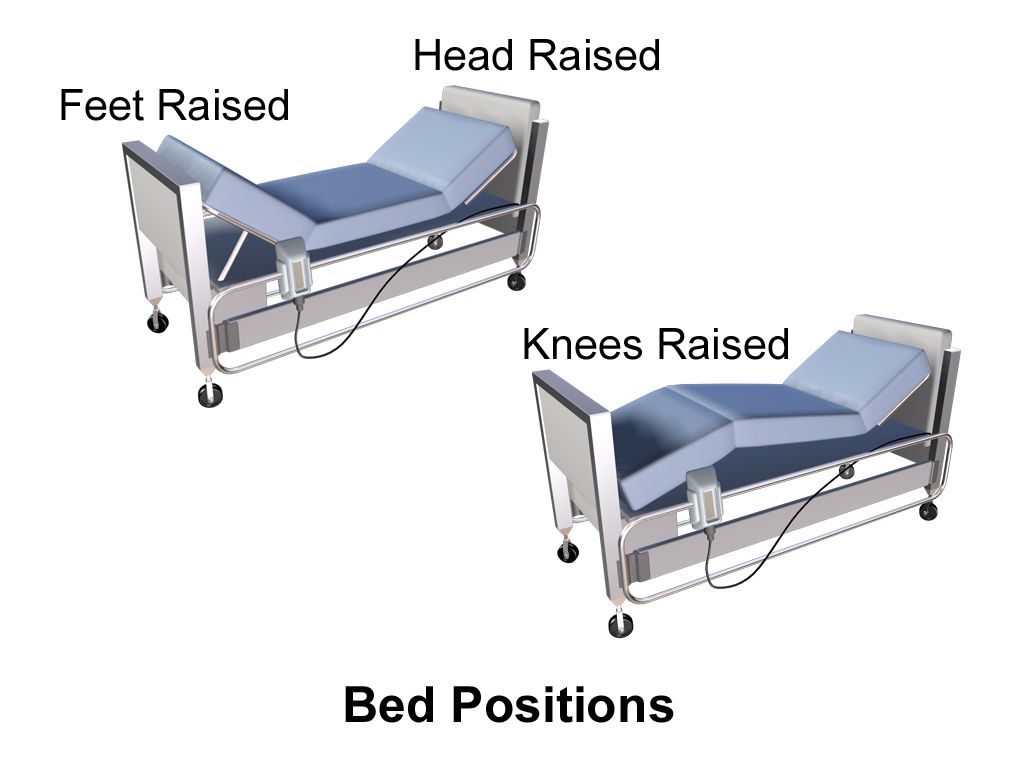
The specialty and its patients
Medical-surgical nursing is the care of adults with acute and chronic illness who are ill enough to need hospital-level monitoring but not ill enough for an intensive care bed. Historically it was called “the floor,” as though it were the place you worked before you found a real specialty. That framing is dead. Med-surg is now recognised as a distinct body of knowledge with its own certification, and its patients are sicker than the ICU patients of thirty years ago. Your assignment on any given day may include a seventy-eight-year-old admitted with community-acquired pneumonia who also has heart failure and type 2 diabetes, a post-operative day one bowel resection with a nasogastric tube and a patient-controlled analgesia pump, a forty-year-old in sickle cell crisis, and a patient waiting on a bed upstairs because his creatinine will not come down.
The defining feature of the work is simultaneity. Emergency nurses manage one crisis intensely and hand it off. Critical care nurses manage one or two patients with enormous depth. The med-surg nurse manages four to six people whose conditions are changing at different rates, in different directions, while the phone rings, the pharmacy calls, a family member wants an update and someone’s bed alarm is going off down the hall. Every skill in this book — assessment, pharmacology, pathophysiology — is only useful if it can be executed inside that reality.
Because you are with the patient continuously and the physician is not, you are the surveillance system. Research on hospital deaths repeatedly identifies failure to rescue — not failure to diagnose — as the mechanism of preventable mortality. The abnormality was documented; nobody acted on it. Most patients who arrest on a medical-surgical unit show deranged vital signs for six to eight hours beforehand. The clinical value of the med-surg nurse lies precisely in that window.
The nursing process is still the operating system
Everything the RN does is organised by the nursing process: assessment, diagnosis, planning, implementation, evaluation (ADPIE). It looks academic on paper and feels invisible at the bedside, but it is the legal and professional structure of practice. Assessment is the systematic collection of subjective and objective data. Nursing diagnosis is the RN’s independent clinical determination of the human response to that illness — not the medical diagnosis. Planning sets measurable, patient-centred, time-bound outcomes. Implementation carries out independent, dependent and collaborative interventions. Evaluation asks whether the outcome was met and, if not, restarts the loop.
Two points matter more than the acronym. First, the process is cyclical and continuous, not a form you fill out on admission. Second, the entire process belongs to the registered nurse and cannot be handed to anyone else. An LPN may collect data; the RN interprets it. A UAP may report that the patient looks tired; the RN decides what that means. When a test question asks what the nurse should delegate, the answer never includes assessment, teaching, evaluation, care planning or any unstable patient.
The shape of a shift
New nurses drown less from lack of knowledge than from lack of structure. A shift has a predictable architecture, and imposing it deliberately buys you the cognitive space to notice things. Receive handoff. Lay eyes on every patient within the first thirty to forty-five minutes — a fast safety check before a full assessment, because you cannot prioritise patients you have not seen. Then complete focused assessments, cluster your medication passes, chart in real time rather than at 1830, and re-evaluate anyone whose status changed or who received an as-needed medication.
| Phase of shift | What you are actually doing | Failure mode to avoid |
|---|---|---|
| Handoff report | Build a mental picture of each patient plus one anticipated problem apiece | Writing everything down and understanding nothing |
| Safety rounds (first 30–45 min) | Eyes on all patients: airway, mentation, IV site, drips, alarms, fall risk, oxygen | Starting the med pass before laying eyes on everyone |
| Focused assessment | Systems relevant to the diagnosis, compared against the patient’s own baseline | Charting a head-to-toe you did not perform |
| Medication administration | Rights of medication, high-alert double checks, assess before and after | Giving metoprolol without a pulse and blood pressure |
| Reassessment and evaluation | Did the intervention work? Pain score after analgesia, oxygen saturation after suction | Documenting an intervention with no outcome |
| Handoff out | Structured report, active problems, pending results, what to watch for | “He was fine all day” when he was not |
The medical-surgical nurse is the hospital’s continuous surveillance system for four to six changing patients at once, and the nursing process — which belongs entirely to the RN — is the structure that makes that surveillance systematic rather than accidental.
Section 2How Nurses Think: The Clinical Judgment Model
From intuition to a model
Experienced nurses used to describe their best saves as a “gut feeling.” Patricia Benner’s work on novice-to-expert practice and Christine Tanner’s model of clinical judgment showed that the gut feeling is actually pattern recognition built from repeated exposure. Tanner described four movements: noticing (a perceptual grasp that something is off), interpreting (making sense of it), responding (acting or deliberately not acting) and reflecting (evaluating in the moment and afterwards). The value of naming these steps is that a student who has not yet accumulated ten thousand patients can borrow the structure while the pattern library is still being built.
The National Council of State Boards of Nursing operationalised this into the Clinical Judgment Measurement Model, whose third layer gives six cognitive steps that the Next Generation NCLEX measures directly. Learn these six as a bedside routine, not as trivia. They are simply the nursing process rewritten in the language of decision-making, with the analytic middle made explicit because that middle is where new graduates fail.
Recognise cues, then analyse them
Recognising cues means identifying which pieces of data are relevant, which are expected and which are irrelevant. A post-operative day one patient with a temperature of 38.0 °C (100.4 °F), incisional pain of 6 out of 10 and a hemoglobin of 10.9 g/dL has three abnormal-looking findings and possibly zero problems: low-grade fever in the first twenty-four to forty-eight hours is the inflammatory cytokine response to surgical tissue injury rather than infection (atelectasis is common after surgery and is prevented with incentive spirometry and early mobilisation, but it does not cause the fever), pain is expected, and mild post-operative anemia after blood loss is expected. The same patient on day four with a temperature of 38.6 °C, purulent drainage and a white blood cell count of 18,000/mm³ has cues that cluster into an actual problem. Relevance is always judged against the timeline, the diagnosis and the patient’s own baseline.
Analysing cues is the linking step: connecting the cluster to a pathophysiologic explanation. A patient with a heart rate of 118, a blood pressure that has drifted from 132/78 to 98/56, a respiratory rate of 24 and confusion is not four unrelated abnormalities. She has one story — inadequate perfusion — and your job is to ask which kind: hypovolemic from bleeding, distributive from sepsis, cardiogenic from pump failure. This is where the pathophysiology in every subsequent chapter earns its keep. If you understand that early sepsis vasodilates and that compensatory tachycardia precedes hypotension, you do not have to memorise a manifestation list.
Prioritise, act, evaluate
Prioritising hypotheses ranks the possible explanations by urgency and likelihood: what will kill this patient soonest, and what is most probable given the history. Pulmonary embolism and anxiety can both produce tachypnea in a post-operative patient; you rule out the lethal one first. Generating solutions identifies the interventions that address the prioritised hypothesis and, just as importantly, names the ones that are contraindicated. Taking action is the implementation, in the correct order, with attention to what you must do before the intervention (assess apical pulse before digoxin, check blood glucose before insulin, verify placement before a tube feed). Evaluating outcomes asks whether the patient responded and what the next move is if she did not.
| CJMM step | The bedside question | Typical NGN item type |
|---|---|---|
| Recognise cues | What here is relevant, abnormal and unexpected? | Highlight text, drop-down cloze, matrix |
| Analyse cues | What do these cues mean together and why? | Matrix/grid, drag-and-drop, bow-tie centre |
| Prioritise hypotheses | What is most urgent and most likely? | Extended multiple response, ranking |
| Generate solutions | What actions address this, and what must I avoid? | Bow-tie, extended multiple response |
| Take action | What do I do first, and what do I assess before I do it? | Ordered response, drop-down rationale |
| Evaluate outcomes | Did it work? Is the patient better, unchanged or worse? | Matrix (effective/ineffective/unrelated), trend item |
Why the exam changed, and what that means for how you study
The Next Generation NCLEX arrived in April 2023 because entry-level nurses were passing a knowledge test and then making errors of judgment in their first year. The new item formats — case studies with six linked items, bow-tie items, trend items that show three sets of vital signs over time, matrix grids that ask you to classify each finding — exist to force you out of recognition memory and into reasoning. A partial-credit scoring model means a half-correct answer earns something, which rewards students who reason rather than guess.
Practically, this changes how you should read every remaining chapter of this book. Do not build flashcards that say “signs of hypokalemia.” Build the chain: potassium falls, the resting membrane potential becomes more negative, excitable tissue becomes harder to depolarise, therefore muscle weakness, decreased bowel motility, flattened T waves and U waves, and therefore a digoxin-toxicity risk because digoxin and potassium compete at the same pump. One mechanism replaces a list of nine symptoms and survives being asked in a format you have never seen.
Clinical judgment is a six-step, teachable cycle — recognise cues, analyse cues, prioritise hypotheses, generate solutions, take action, evaluate outcomes — and studying mechanisms rather than symptom lists is what makes that cycle work in a question format you have never seen before.
Section 3Prioritization: What Do You Do First
The frameworks, in the order you apply them
Students lose more points on prioritization than on any other single skill, because prioritization questions look like knowledge questions and are not. All four options are usually correct nursing actions. The question is sequence. Apply the frameworks in a fixed order and the ambiguity mostly disappears.
Start with ABC: airway, breathing, circulation. An obstructed or threatened airway outranks everything, because a patient without an airway has minutes. Breathing problems outrank circulation problems, and circulation outranks everything below. The single deliberate exception is the pulseless, unresponsive patient, where basic life support uses C-A-B — compressions first, because the oxygen already in the blood is useless if nothing is circulating it. In trauma with visible exsanguinating hemorrhage, control of that bleeding also precedes airway management, because the patient is losing the fluid that carries the oxygen.
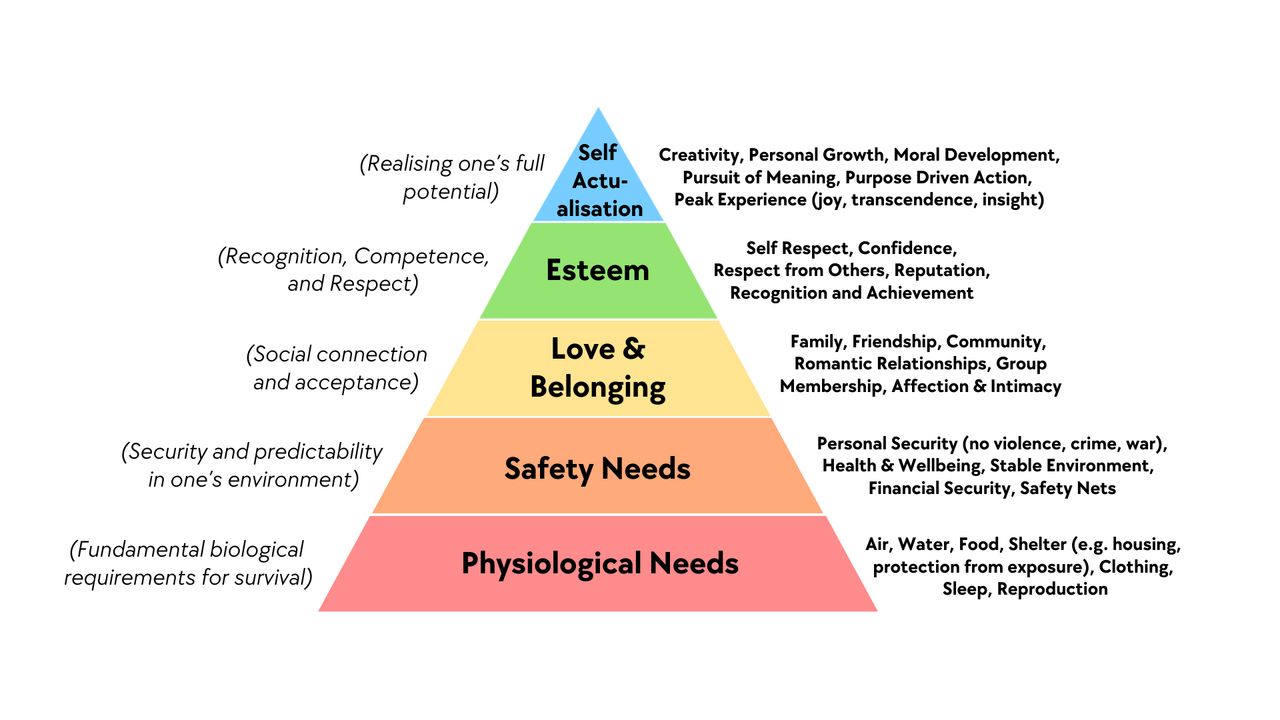
Once ABC is satisfied, move to Maslow: physiological needs (oxygen, fluid, nutrition, elimination, sleep, pain relief) before safety needs (fall prevention, infection control, correct identification) before love and belonging, esteem and self-actualization. Then apply the discriminators: acute over chronic, unstable over stable, actual over potential, and unexpected over expected. Finally, when two patients are equally unstable, use survival potential — the logic of triage — and treat the one whom intervention is most likely to save.
| Rule | Applied | Worked example |
|---|---|---|
| Airway before all | Stridor, drooling, gurgling, inability to speak in full sentences | Post-thyroidectomy patient with a high-pitched crow on inspiration is seen before a patient with chest pain |
| C-A-B in arrest | Unresponsive and pulseless | Start compressions; do not stop to intubate first |
| Acute over chronic | New problem beats long-standing one | New-onset confusion beats a chronic wound that needs dressing |
| Unstable over stable | Vital signs trending in the wrong direction | Blood pressure falling 132/78 to 98/56 beats a stable patient in 8/10 chronic back pain |
| Actual over potential | A problem happening now beats a risk | Active bright-red drainage beats “risk for infection” |
| Unexpected over expected | Findings that do not fit the diagnosis and timeline | Day-one low-grade fever is expected; day-four spiking fever is not |
| Safety and risk reduction | When no one is physiologically unstable | The confused patient climbing over a bed rail outranks a routine dressing change |
Choosing among four patients
The classic examination stem gives you a fresh assignment and asks whom you assess first. Read every option for the cue that signals an airway, breathing or perfusion threat, or a change from baseline. Change is the key word. “A patient with chronic obstructive pulmonary disease with an oxygen saturation of 89 percent” may be that patient’s normal, because chronic carbon dioxide retainers are often targeted to 88–92 percent. “A patient with COPD whose saturation has fallen from 91 to 84 percent and who is now using accessory muscles” is an emergency. The number alone is rarely the answer; the trajectory is.
Be equally alert to distractors dressed as urgency. Severe pain is distressing and must be treated, but pain is not an ABC problem unless it signals one — crushing substernal chest pain, sudden severe abdominal pain with rigidity, or calf pain with unilateral swelling all point to circulation. A patient who is anxious about discharge, a family member demanding to speak with you, and an overdue dressing change are real work but they are not first.
Time management and the interruption problem
Nurses on medical-surgical units are interrupted roughly every six to twelve minutes, and interruption during medication preparation measurably increases error rates. Defend the tasks that must be uninterrupted: medication preparation, high-alert double checks, blood product verification and any calculation. Use whatever your unit provides — a no-interruption zone, a sash, a designated space — and do not compute doses in a hallway.
Cluster care so the patient is disturbed less and you walk less: bring the medications, the assessment, the linens and the teaching into one entry. Batch documentation immediately after each room rather than at the end of the shift, when recall degrades and the chart becomes fiction. And protect the first hour: if you allow yourself to be pulled into a non-urgent task before you have seen everyone, you are working blind for the rest of the shift.
Prioritize by fixed sequence — airway, breathing, circulation, then Maslow, then acute over chronic and unstable over stable — and remember that the patient to see first is almost always the one whose findings represent a change from their own baseline rather than the one with the most abnormal single number.
Section 4Assessment, Trends and Recognising Deterioration
The baseline belongs to you
Your admission and beginning-of-shift assessment creates the reference point against which every later finding is judged. If you do not know that this patient’s baseline mentation is alert and oriented to person, place, time and situation, you cannot recognise that being oriented only to person at 1400 is an emergency. If you did not palpate and mark the pedal pulses on admission, you cannot tell whether the absent pulse after the arteriogram is new. Document the baseline in specific, comparable terms: not “neuro intact,” but “alert, oriented ×4, moves all four extremities to command, grips equal, pupils 3 mm equal and reactive.”
A focused assessment targets the systems relevant to the diagnosis and the complaint and is repeated far more often than the head-to-toe. Heart failure: weight, lung sounds, jugular venous distension, edema, oxygen saturation, urine output. Post-abdominal surgery: bowel sounds, abdominal distension, incision, drain output, pain, ability to void. Neurologic admission: level of consciousness, pupils, motor symmetry, speech. Learn the four or five things that matter for each condition and check them every time.
Vital-sign trends and early warning
Single vital signs are weak evidence; trends are strong evidence. Respiratory rate is the most sensitive and the most frequently falsified vital sign in hospital charts. Count it for a full thirty to sixty seconds. A respiratory rate rising from 16 to 22 to 28 across three sets is one of the earliest signals of sepsis, pulmonary embolism, metabolic acidosis and impending respiratory failure — and it is often documented as “18” three times in a row.
Many hospitals use an aggregated early warning score, such as NEWS2, that assigns points for respiratory rate, oxygen saturation, supplemental oxygen use, temperature, systolic blood pressure, heart rate and level of consciousness. The clinical function is not the number but the requirement to escalate when the number rises. If your unit does not use one, use the standard rapid-response triggers in the table below, plus the criterion that exists in every published set and is the one nurses under-use: the nurse is worried.
| Parameter | Normal adult range | Escalate when |
|---|---|---|
| Heart rate | 60–100 beats/min | Less than 40 or more than 130, or any new symptomatic dysrhythmia |
| Respiratory rate | 12–20 breaths/min | Less than 8 or more than 28; any rising trend with accessory muscle use |
| Blood pressure | Systolic 90–120, diastolic 60–80 mm Hg | Systolic less than 90, or a fall of more than 40 mm Hg from baseline |
| Mean arterial pressure | 70–100 mm Hg | Less than 65 mm Hg (organ perfusion threshold) |
| Oxygen saturation | 95–100 percent on room air (88–92 percent target in chronic CO₂ retention) | Less than 90 percent despite supplemental oxygen, or a fall of 4 percent from baseline |
| Temperature | 36.5–37.5 °C (97.7–99.5 °F) | More than 38.3 °C (101 °F) or less than 36 °C; hypothermia in sepsis is ominous |
| Urine output | At least 0.5 mL/kg/hr (about 30 mL/hr) | Less than 30 mL/hr for two consecutive hours |
| Level of consciousness | Alert, oriented ×4 | Any acute change, new confusion, or difficulty rousing |
| Pain | Individually reported, 0–10 | New severe pain, or pain disproportionate to findings (think ischemia or compartment syndrome) |
Laboratory values you must know cold
You will not calculate these; you will recognise them in a stem and decide whether to hold a drug, call someone or act. Memorise the ranges below and, more importantly, memorise the action attached to the critical value. A potassium of 6.8 mEq/L is not a number to chart — it is a reason to obtain an electrocardiogram, hold every potassium source (potassium-containing fluids, oral supplements, potassium-sparing diuretics such as spironolactone, and ACE inhibitors), and call the provider now. Expect the treatment to run in a fixed order: intravenous calcium gluconate first to stabilise the myocardium, then insulin with dextrose or a nebulised beta agonist to drive potassium into the cell, then a binder or dialysis to actually remove it — only that last step lowers total body potassium.
| Laboratory test | Adult reference range | Why the med-surg nurse cares |
|---|---|---|
| Sodium | 135–145 mEq/L | Below 120 risks seizure; correct slowly to avoid osmotic demyelination |
| Potassium | 3.5–5.0 mEq/L | Dysrhythmia at both extremes; never give potassium chloride by IV push |
| Calcium (total) | 8.6–10.2 mg/dL | Tetany and laryngospasm when low; check after thyroid or parathyroid surgery |
| Magnesium | 1.6–2.6 mg/dL | Low magnesium causes refractory hypokalemia and torsades de pointes |
| Blood urea nitrogen | 10–20 mg/dL | Rises with dehydration, bleeding and renal failure |
| Creatinine | 0.6–1.2 mg/dL | Best routine marker of renal function; a rise means hold nephrotoxins and contrast |
| Glucose (fasting) | 70–99 mg/dL | Below 70 is hypoglycemia — treat before anything else in a confused diabetic |
| Hemoglobin | Male 14–18 g/dL; female 12–16 g/dL | Falling values plus tachycardia equals bleeding until proven otherwise |
| Hematocrit | Male 42–52 percent; female 37–47 percent | Roughly three times the hemoglobin; falsely high when dehydrated |
| Platelets | 150,000–400,000/mm³ | Bleeding precautions below 50,000; spontaneous bleeding below 20,000 |
| White blood cells | 5,000–10,000/mm³ | Judge infection risk by the absolute neutrophil count, not the total count: ANC = WBC × (percent segs + percent bands). ANC below 1,500/mm³ is neutropenia and below 500/mm³ is severe neutropenia — the usual trigger for protective (neutropenic) precautions and for treating any fever as an emergency. Older adults may not mount a rise |
| INR | 0.8–1.1 (therapeutic on warfarin 2.0–3.0) | Above 5 carries major bleeding risk; vitamin K is the antidote |
| aPTT | 30–40 seconds (therapeutic 1.5–2.5 times control) | Monitors unfractionated heparin; protamine sulfate is the antidote |
| Arterial blood gas | pH 7.35–7.45; PaCO₂ 35–45 mm Hg; HCO₃⁻ 22–26 mEq/L; PaO₂ 80–100 mm Hg | The fastest window on ventilation, oxygenation and acid-base status |
| Lactate | 0.5–2.2 mmol/L | Above 2 suggests tissue hypoperfusion; above 4 is a sepsis alarm |
| Albumin | 3.5–5.0 g/dL | Low albumin means poor healing, edema and altered drug binding |
Red flags and the SBAR call
When you escalate, the quality of your communication determines the speed of the response. SBAR gives you a script: Situation — who you are, who the patient is, what is happening right now. Background — diagnosis, day of admission or post-operative day, relevant history, current therapy. Assessment — your vital signs, your findings and what you think is going on. Recommendation — what you want, specifically. New nurses omit the R because it feels presumptuous. Do not omit it. “I would like you to come and see her now” or “I am requesting a stat chest x-ray and an arterial blood gas” is the sentence that produces action.
A complete call sounds like this: “This is Marisol Reyes, RN, on 4 West. I am calling about Mr. Lin in 412. Situation: his respiratory rate has risen from 18 to 30 over three hours and his oxygen saturation is 88 percent on 4 litres by nasal cannula. Background: he is post-operative day two from a right hemicolectomy, has a history of atrial fibrillation, and his enoxaparin was held yesterday for a procedure. Assessment: he is tachycardic at 122, blood pressure 96/58, lungs clear, right calf is swollen and tender, and he is anxious. I am concerned about a pulmonary embolism. Recommendation: I am requesting that you come now and that we obtain a stat CT pulmonary angiogram and blood gas. I have increased his oxygen and raised the head of the bed.”
| Red flag | Think | Nursing action before you call |
|---|---|---|
| Acute confusion or new agitation | Hypoxia, hypoglycemia, sepsis, stroke, medication | Check oxygen saturation and blood glucose, ensure safety |
| Sudden dyspnea with pleuritic chest pain and tachycardia | Pulmonary embolism | High-flow oxygen, head of bed up, do not ambulate, stay with patient |
| Crushing substernal chest pain, diaphoresis, nausea | Acute coronary syndrome | Obtain 12-lead ECG within 10 minutes, oxygen if saturation below 90 percent, aspirin per protocol |
| Unilateral facial droop, arm drift, slurred speech | Acute ischemic stroke | Note last-known-well time, nothing by mouth, activate stroke alert |
| Fever with hypotension and lactate above 2 mmol/L | Sepsis | Blood cultures before antibiotics, broad-spectrum antibiotics within the first hour, large-bore access, anticipate 30 mL/kg crystalloid, repeat the lactate |
| Urine output under 30 mL/hr with rising creatinine | Acute kidney injury | Assess volume status and bladder, review nephrotoxic drugs and contrast exposure |
| Post-operative pain unrelieved by opioids, tense extremity | Compartment syndrome | Remove constrictive dressings, keep limb at heart level, call immediately |
| Sudden severe abdominal pain with rigid, board-like abdomen | Perforation or peritonitis | Nothing by mouth, serial vital signs and abdominal examinations, notify the surgical team now; give the ordered analgesia — withholding it to “avoid masking the exam” is outdated practice |
| Respiratory rate under 10 with sedation after opioid | Opioid-induced respiratory depression | Stimulate, oxygen, hold further opioid, prepare naloxone |
The older adult does not follow the textbook
More than half of your medical-surgical patients will be over sixty-five, and physiologic reserve declines invisibly until it is stressed. Baseline temperature is lower, so a “normal” 37.2 °C may represent a fever; infection in an older adult often presents with no fever, no leukocytosis and no cough — only delirium, falls, anorexia or urinary incontinence. Up to a third of older adults having a myocardial infarction have no chest pain at all, presenting instead with dyspnea, fatigue, syncope, epigastric discomfort or confusion; this is likewise common in women and in people with long-standing diabetes and autonomic neuropathy.
Delirium is the single most important thing to recognise. It is acute, fluctuating and caused by something physiologic; dementia is chronic and progressive. The most common form is hypoactive delirium — the quiet, withdrawn patient — and it is the most frequently missed and carries the worst prognosis. Screen with a validated tool such as the Confusion Assessment Method, then hunt the cause: hypoxia, infection, pain, dehydration, electrolyte derangement, urinary retention, constipation, sleep deprivation and medications, particularly anticholinergics, benzodiazepines and diphenhydramine, all of which the Beers criteria flag as potentially inappropriate in older adults. Reorient, mobilise, restore hearing aids and glasses, normalise the day-night cycle, and treat the cause. Restraints and sedatives make delirium worse.
Deterioration is announced by trends — a climbing respiratory rate, a drifting blood pressure, a change in mentation — not by single numbers, and in the older adult the very first sign of a serious physiologic problem is often delirium rather than fever or pain.
Section 5Safety, Delegation and the Handoff
Delegation: the five rights and the hard boundaries
You cannot carry six patients alone, and you are legally accountable for the outcome of everything you delegate. The five rights of delegation are the right task, the right circumstance, the right person, the right direction and communication, and the right supervision and evaluation. In practice this means the task must be within the delegatee’s scope and competence, the patient must be stable and the outcome predictable, the instruction must be specific with a reporting parameter attached, and you must follow up.
The hard boundary never moves: the RN cannot delegate the nursing process. Assessment, nursing diagnosis, evaluation of care, initial patient teaching, care planning, and the care of any unstable or unpredictable patient stay with the registered nurse. If an option in a question involves an LPN or a UAP assessing, teaching or evaluating anything, it is wrong. Also wrong: delegating any task on a patient whose condition is changing, no matter how routine the task looks.
| Role | Commonly appropriate | Never delegated to this role |
|---|---|---|
| Unlicensed assistive personnel (UAP/CNA) | Bathing, oral care, feeding a patient without dysphagia, ambulation, transfers, positioning, vital signs on a stable patient, intake and output, weights, specimen collection, stocking, application of anti-embolism stockings | Any assessment or interpretation, teaching, medication administration, sterile procedures, care of an unstable patient, first ambulation after a procedure requiring evaluation |
| Licensed practical/vocational nurse (LPN/LVN) | Data collection and monitoring, oral, subcutaneous and intramuscular medications, wound and ostomy care, sterile dressing changes, urinary catheterisation, tracheostomy care, enteral feeding, reinforcing established teaching, routine stable-patient care | Initial or comprehensive assessment, nursing diagnosis, care plan development, evaluation of outcomes, new teaching, IV push medications and blood products in most states, unstable patients |
| Registered nurse | The full nursing process, admission assessment, care planning, all teaching, IV medications, blood administration, triage, unstable and high-risk patients, supervision of the team | — |
Medication safety and high-alert drugs
Medication administration is the highest-volume risk activity of the med-surg shift. Use the rights of medication administration every time: right patient (two identifiers, never the room number), right drug, right dose, right route, right time, right documentation, right reason and right response. The last two are the ones students skip and the ones the examination loves — giving a beta blocker without knowing the heart rate, or documenting a dose of hydralazine without rechecking the blood pressure, is a defect even if the correct pill reached the correct mouth.
The Institute for Safe Medication Practices maintains a high-alert list: insulins, opioids, anticoagulants including heparin and warfarin, concentrated electrolytes such as potassium chloride and hypertonic saline, neuromuscular blockers, chemotherapeutic agents and sedatives. These require an independent double check and are involved in a disproportionate share of fatal errors. Two absolutes worth tattooing on your forearm: concentrated potassium chloride is never given by IV push, and neuromuscular blocking agents are never given to a patient who is not being ventilated. Know your key assessments before administration — apical pulse for one full minute before digoxin and hold if under 60, blood pressure before antihypertensives, blood glucose before insulin, respiratory rate and sedation level before opioids, and an aPTT or anti-Xa before heparin dose changes.
Handoff, documentation and getting the patient home
Most sentinel events trace back to a communication failure, and handoff is where communication most often fails. Use a structured format — SBAR or I-PASS — conduct it at the bedside when possible so the patient can correct you, allow questions, and include what is pending and what to watch for. “Everything is fine” is not a handoff. Read back and verify all telephone orders and critical laboratory values, and never accept an abbreviation from the do-not-use list.
Documentation is contemporaneous, factual, objective and complete. Chart what you assessed, what you did, and how the patient responded — the response is the part most often missing. Chart late entries as late entries. Never chart in advance, never chart for someone else, and never delete: correct with a single line, your initials and the date. Report errors and near-misses through the incident reporting system; the occurrence report is a quality document and is not referenced in the medical record.
Discharge teaching starts on admission, not at 1500 on the day of discharge. Prioritise ruthlessly: the medication changes, the red-flag symptoms that mean return to the emergency department, the follow-up appointment, activity and diet restrictions, and any device or wound care. Use plain language at a fifth- to sixth-grade level, teach one concept at a time, involve the caregiver, and close the loop with teach-back — “tell me how you will take this at home” — because a nod is not comprehension. Confirm the patient can afford and obtain the medications and can physically perform what you are asking, and use a professional interpreter, never a family member, when a language barrier exists.
Assessment, teaching, evaluation, care planning and unstable patients stay with the RN no matter how busy the unit is, and every delegation, medication and handoff is made safe by the same thing: specific, closed-loop communication with a defined parameter for reporting back.
The chapter in one breath
Medical-surgical nursing means holding four to six changing adults at once, which makes you the hospital’s continuous surveillance system and makes structure — not heroics — the thing that keeps patients alive. The nursing process belongs entirely to the RN, and the modern expression of it is the Clinical Judgment Measurement Model: recognise cues, analyse cues, prioritise hypotheses, generate solutions, take action, evaluate outcomes. Recognising cues requires distinguishing abnormal from unexpected, judged against the diagnosis, the timeline and the patient’s own baseline. Prioritization follows a fixed order — airway, breathing, circulation (compressions first in arrest), then Maslow, then acute over chronic, unstable over stable, actual over potential, unexpected over expected — and the patient seen first is nearly always the one whose findings have changed. Deterioration is a trend: a rising respiratory rate, a drifting blood pressure, a new confusion. Know your reference ranges and the action each critical value demands, escalate with a complete SBAR that includes the recommendation, and remember that in an older adult delirium may be the only sign of sepsis or infarction. Delegate tasks with named reporting parameters; never delegate assessment, teaching, evaluation or an unstable patient. Everything else in this book is the content that fills this frame.
Words worth knowing
| Term | What it means |
|---|---|
| Clinical judgment | The observed outcome of critical thinking and decision-making: recognising a patient problem, choosing an action and evaluating the result. |
| Clinical Judgment Measurement Model (CJMM) | The NCSBN framework whose six cognitive steps structure the Next Generation NCLEX and the reasoning it measures. |
| Cue | A piece of patient data. Relevant cues are abnormal and unexpected for this diagnosis, timeline and baseline. |
| ADPIE | Assessment, diagnosis, planning, implementation, evaluation — the nursing process, which cannot be delegated. |
| Failure to rescue | Death or major harm following a complication whose warning signs were documented but not acted upon. |
| SBAR | Situation, Background, Assessment, Recommendation — the structured escalation script; the Recommendation is the part that produces action. |
| Rapid response team | A team summoned by any staff member for a deteriorating but not yet arrested patient, before a code is required. |
| Early warning score | An aggregated score (for example NEWS2) from vital signs and consciousness that triggers a defined escalation. |
| Mean arterial pressure (MAP) | Average pressure driving organ perfusion; a MAP of at least 65 mm Hg is the usual minimum target. |
| Baseline | The patient’s own documented normal, against which every subsequent finding is compared. |
| Focused assessment | Targeted reassessment of the systems relevant to the diagnosis and complaint, repeated frequently. |
| Five rights of delegation | Right task, right circumstance, right person, right direction and communication, right supervision and evaluation. |
| Scope of practice | The legal boundary of what a licence permits, defined by each state’s nurse practice act. |
| High-alert medication | A drug carrying heightened risk of significant harm when used in error — insulin, opioids, anticoagulants, concentrated electrolytes, neuromuscular blockers. |
| Delirium | Acute, fluctuating disturbance of attention and cognition caused by a physiologic insult; hypoactive delirium is the most common and most missed form. |
| Beers criteria | A published list of medications that are potentially inappropriate in older adults, including anticholinergics, benzodiazepines and diphenhydramine. |
| Teach-back | Asking the patient to restate or demonstrate instructions in their own words to verify understanding. |
| Sentinel event | A patient safety event resulting in death, permanent harm or severe temporary harm, requiring investigation and root cause analysis. |
| Two patient identifiers | Two person-specific pieces of information, such as full name and date of birth, verified before every intervention. The room number is never one. |